Projects

Mohammad Al Amin Tower

Type : Hotel Commercial Complex
Location : Iraq- Karbala
Area : 55000 m2


principal Architect : Hooman Balazadeh
Project Architect : Taraneh Mireskandari, Mandana Tanbakooei
Design Team : Oorman Miabi, Kiarash Shahrabi
Visualization: Peno Studio, Niloofar Sabet
Project Manager : Hamidreza Mahmoudian
Climate analysis : Ali Mohammadi
Logo design : Iman Yoosefi

Mohammad Al Amin Tower

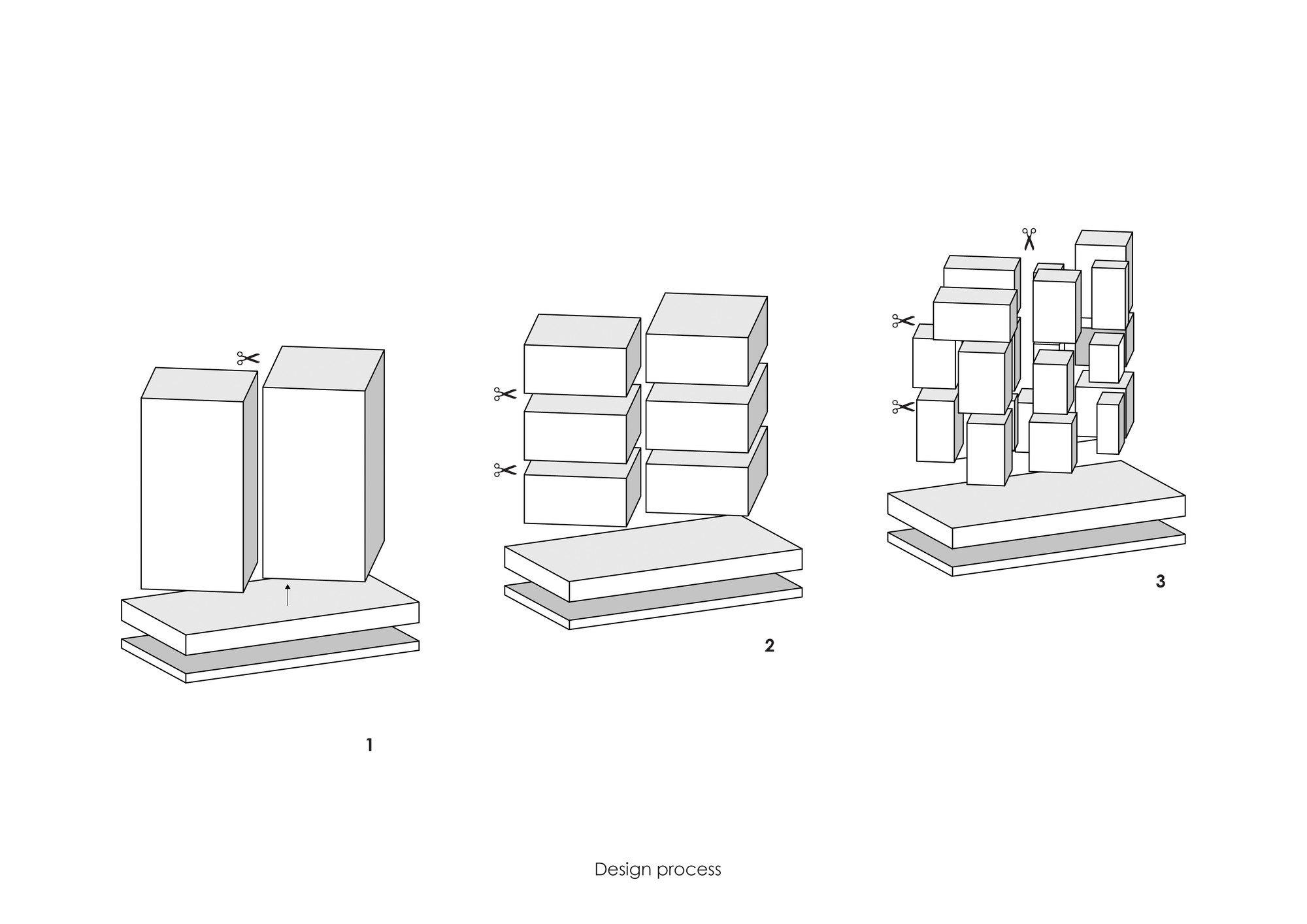
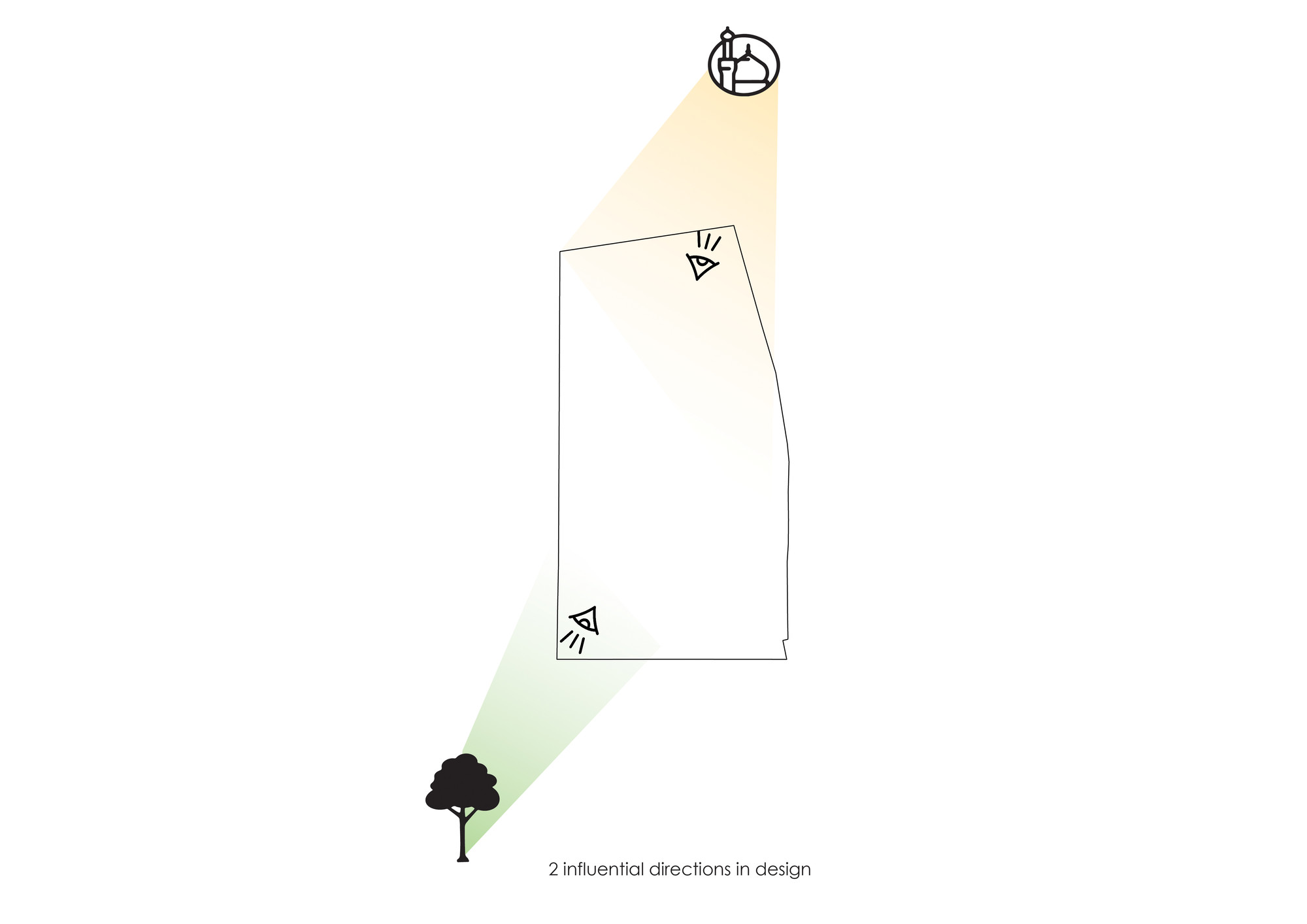
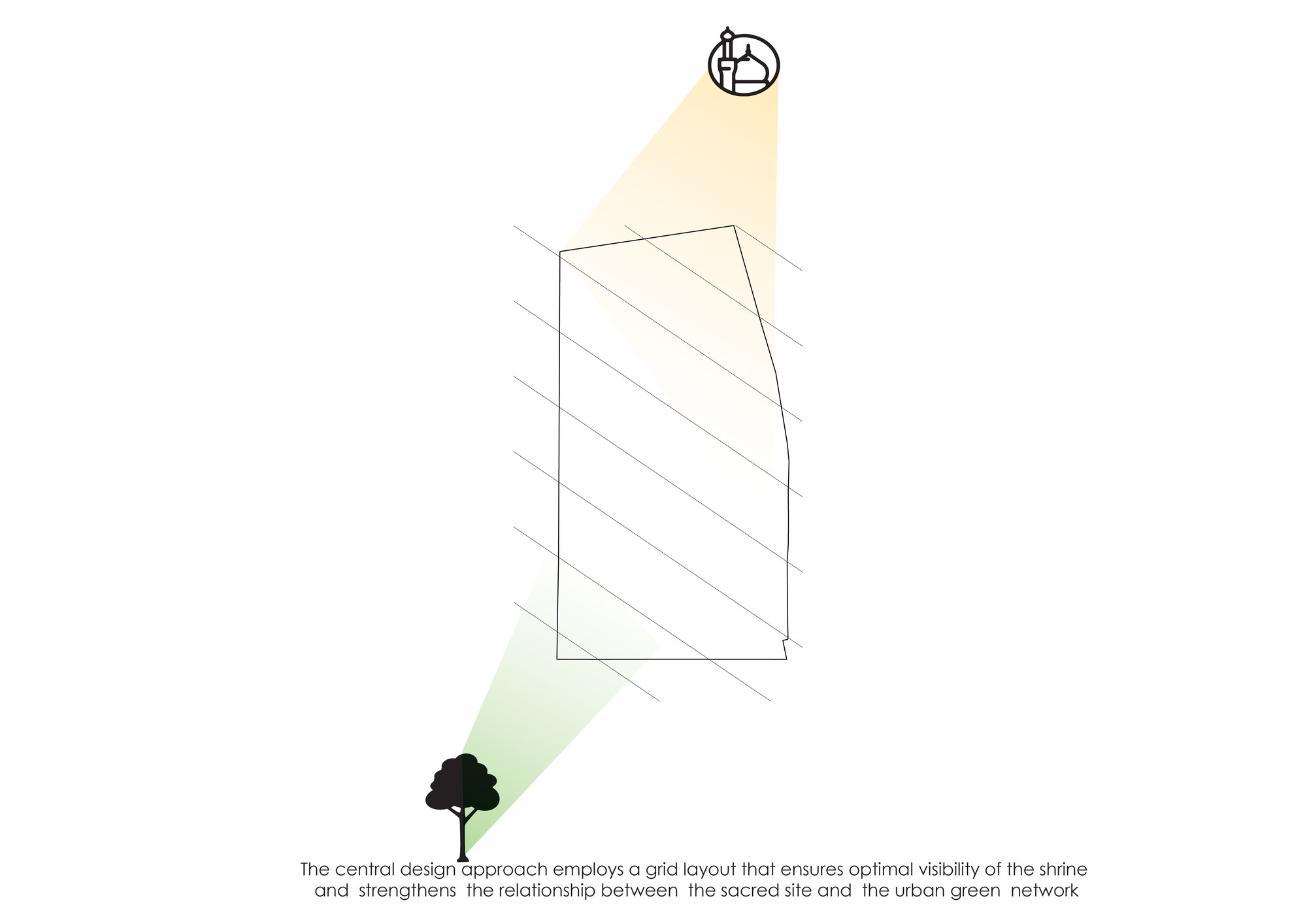
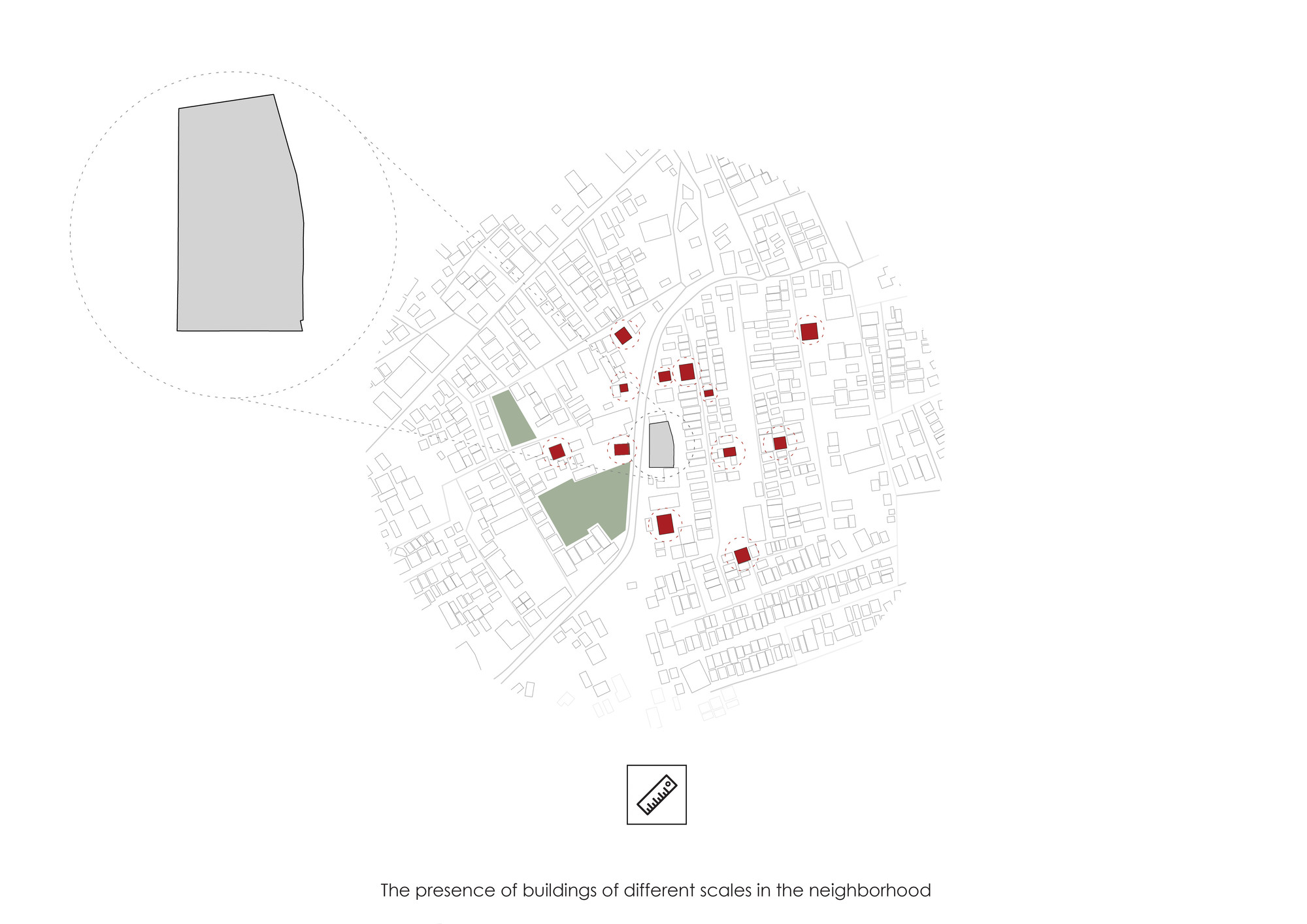
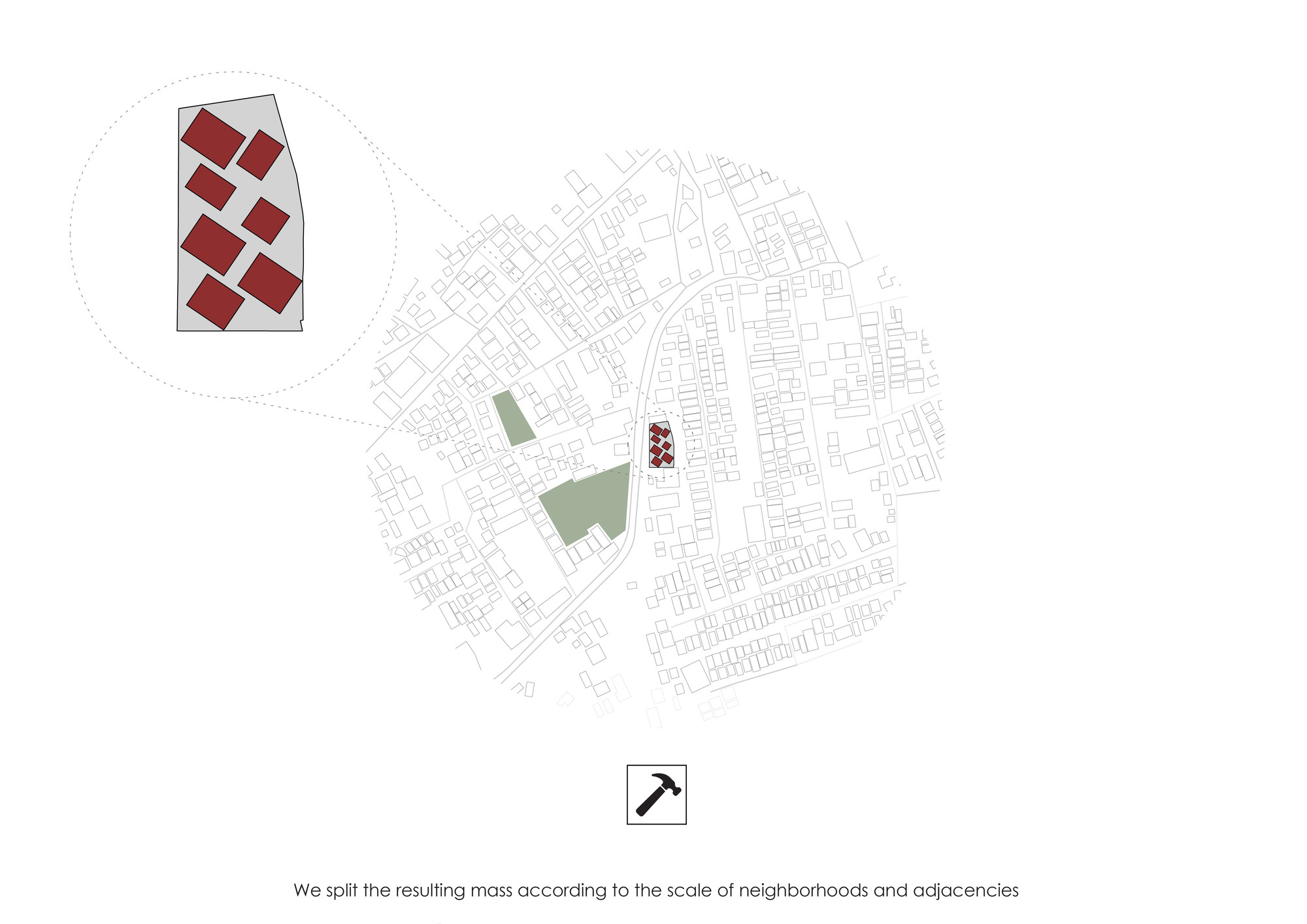
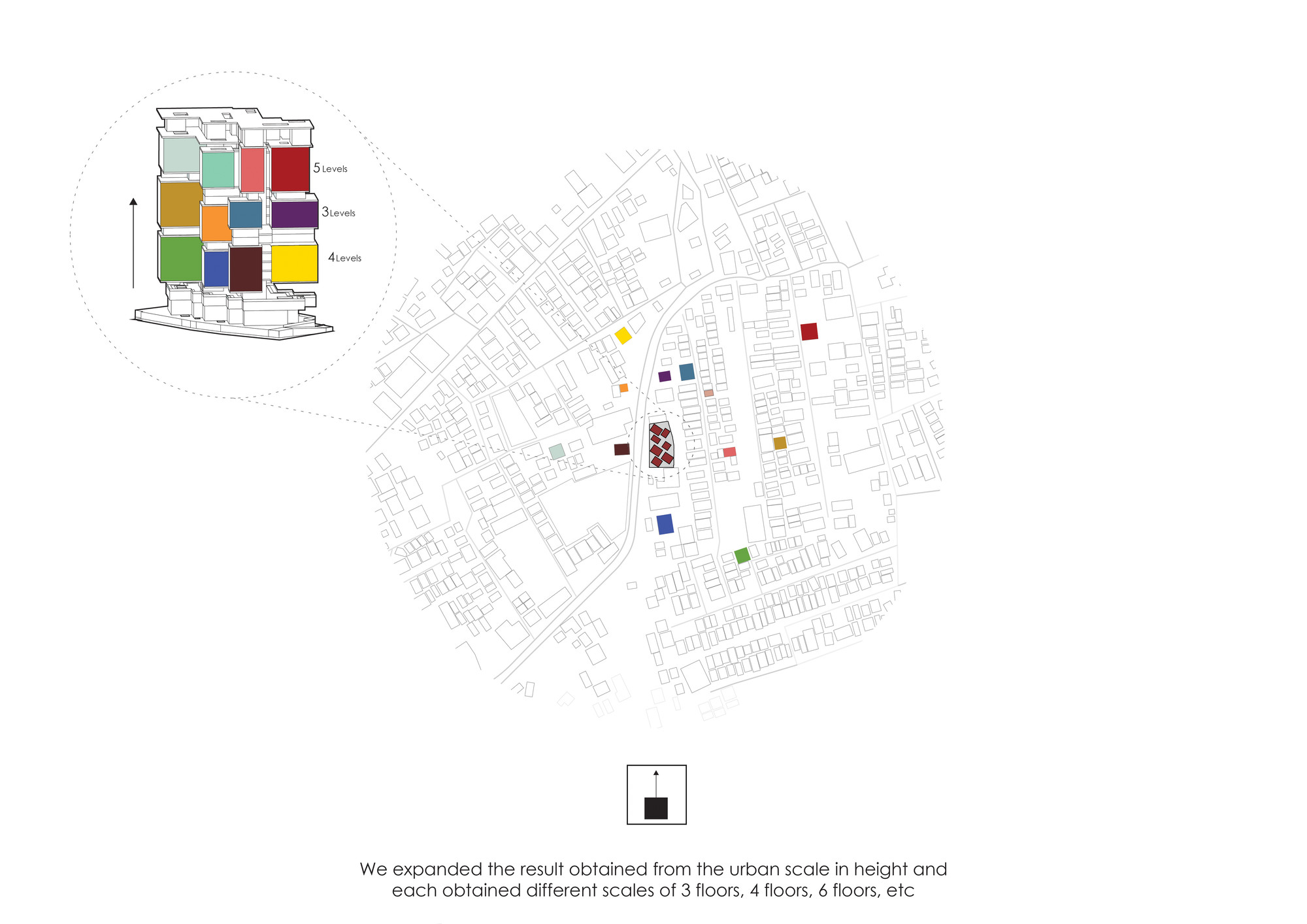
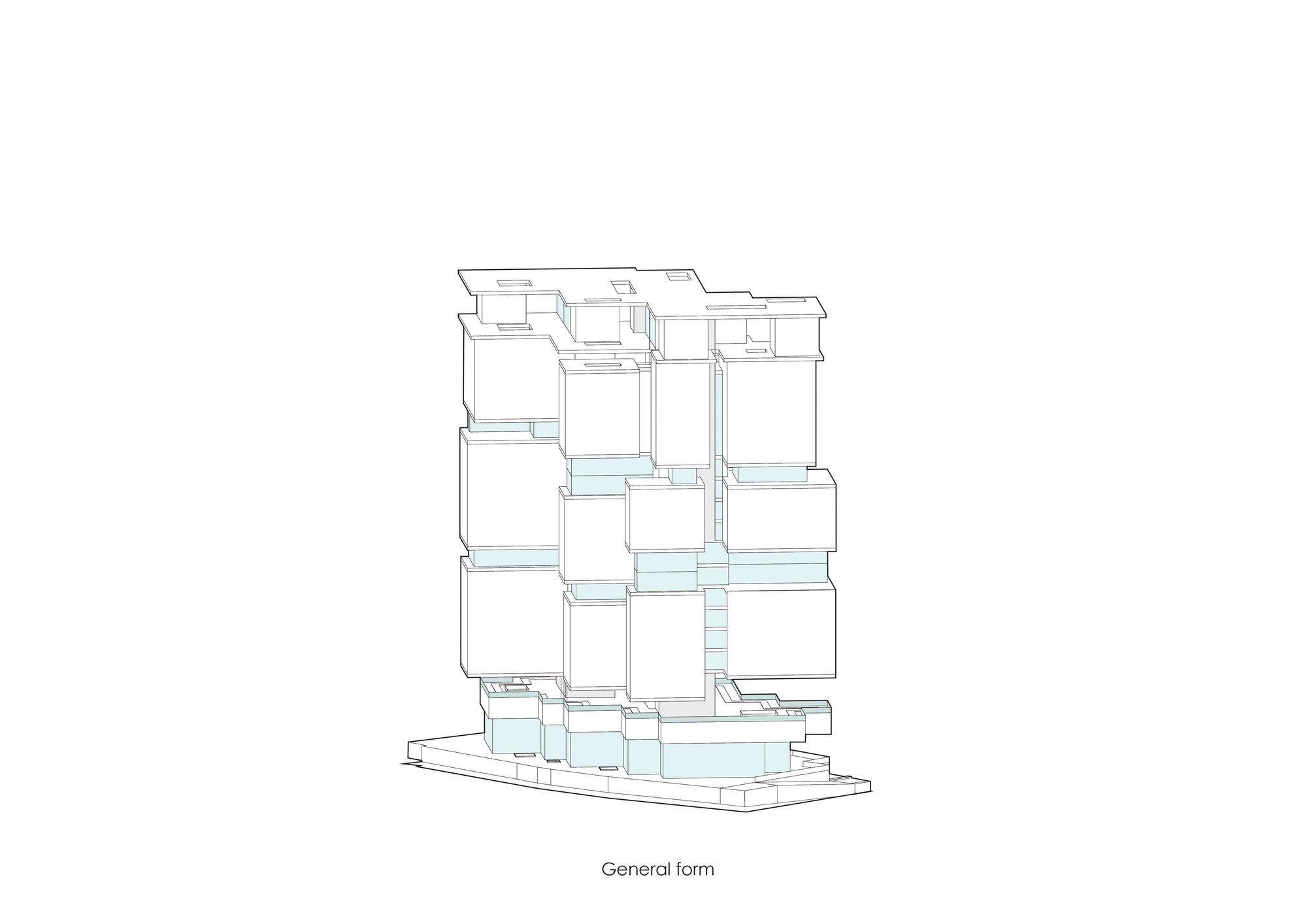
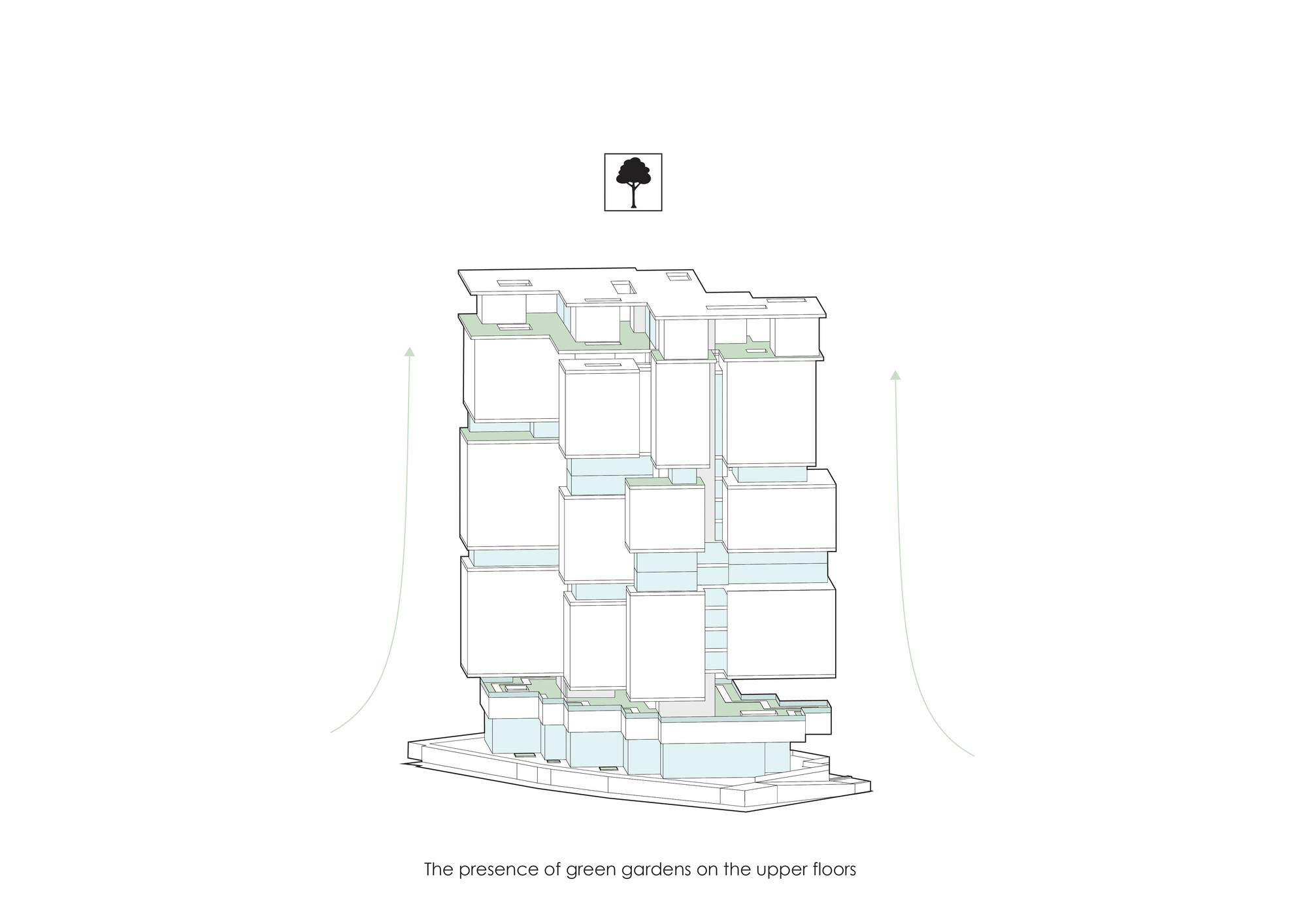
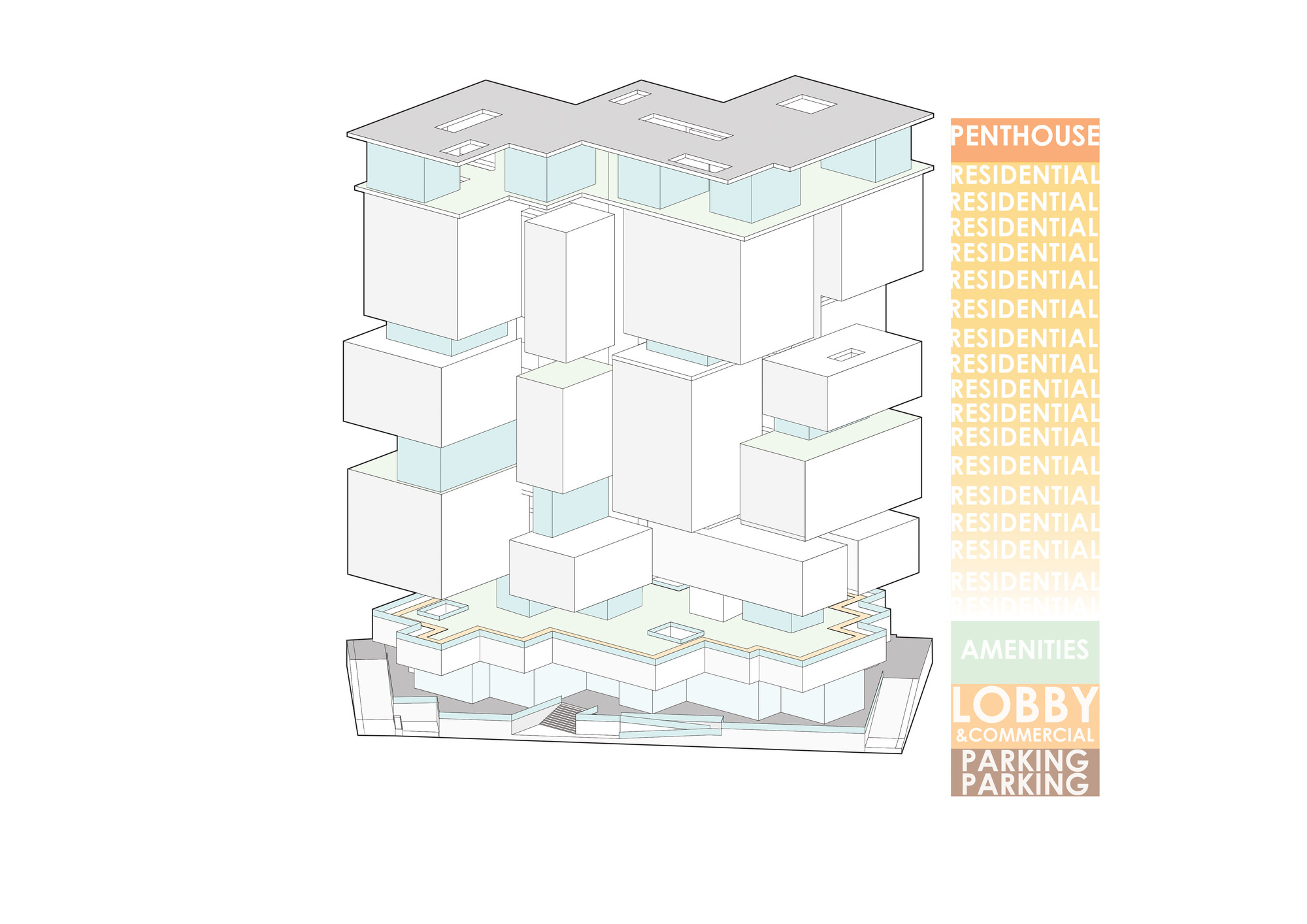
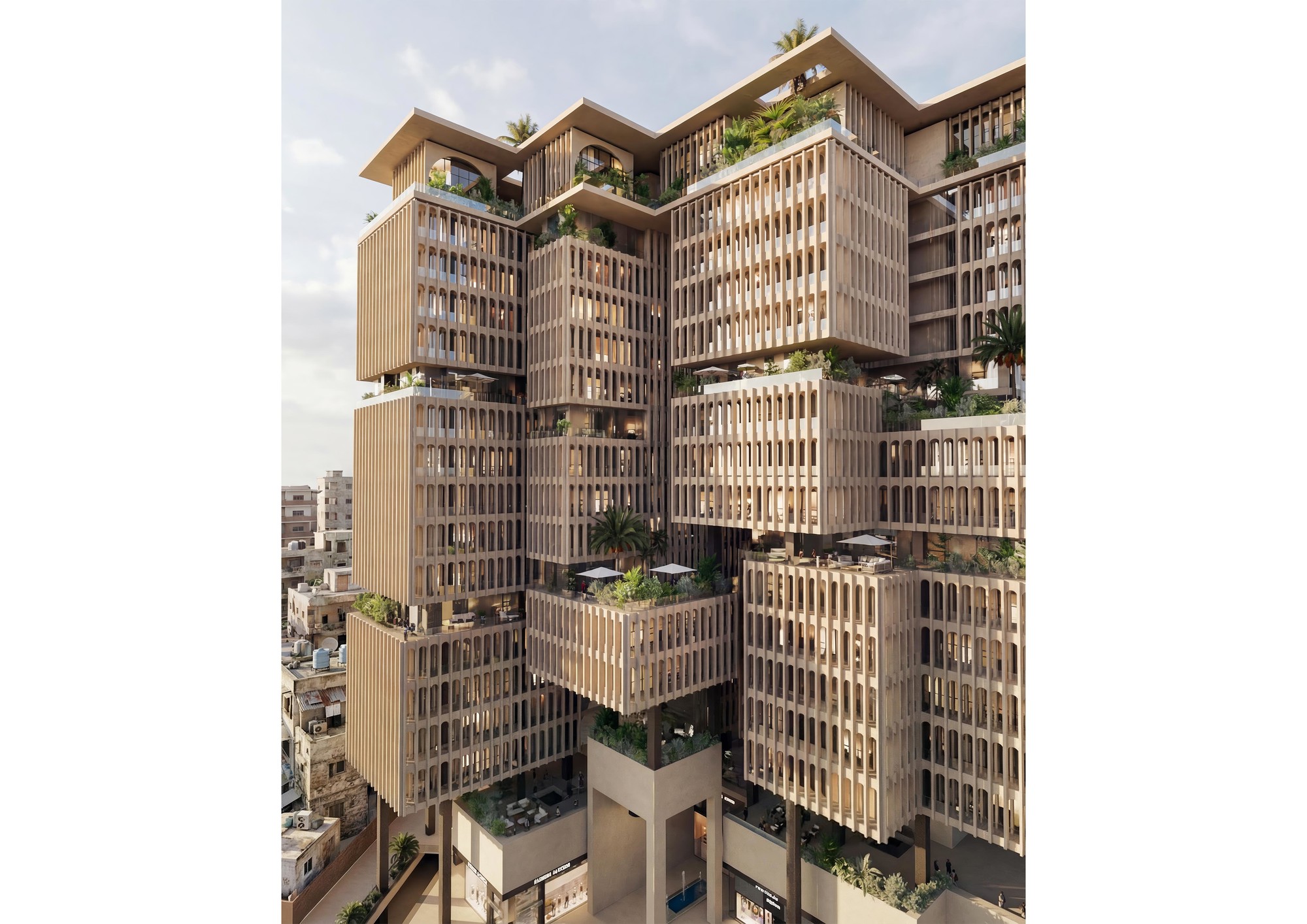
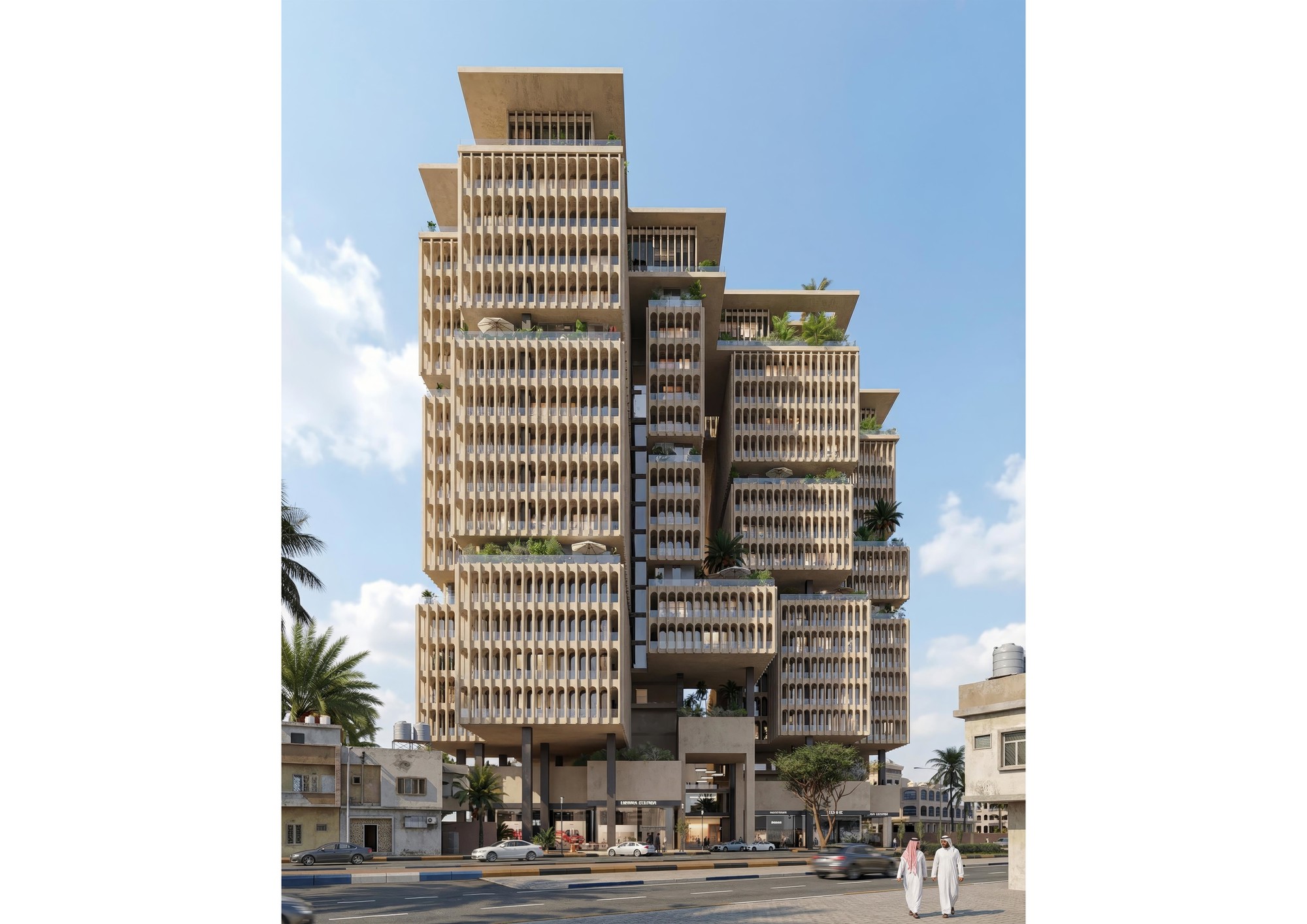
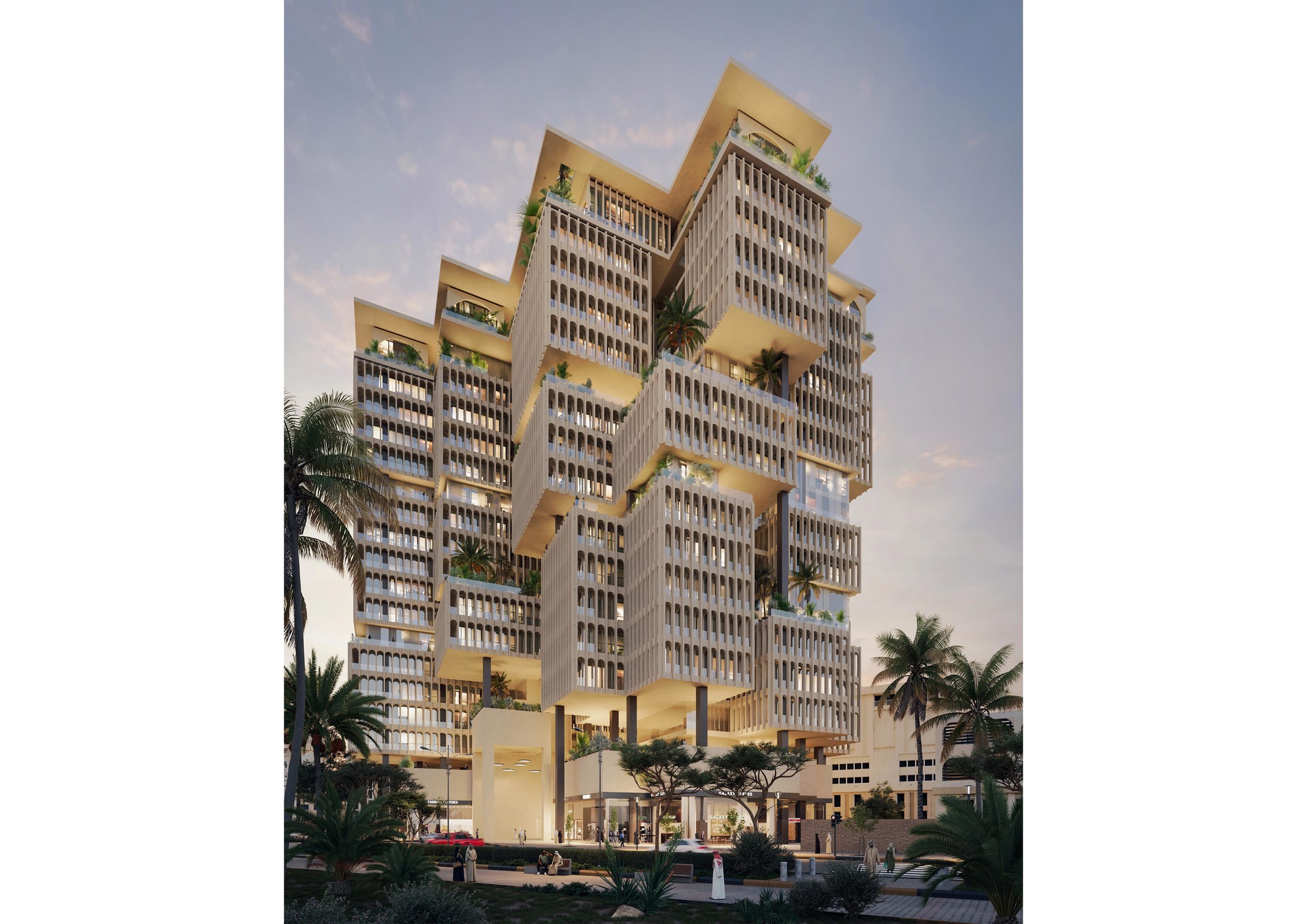
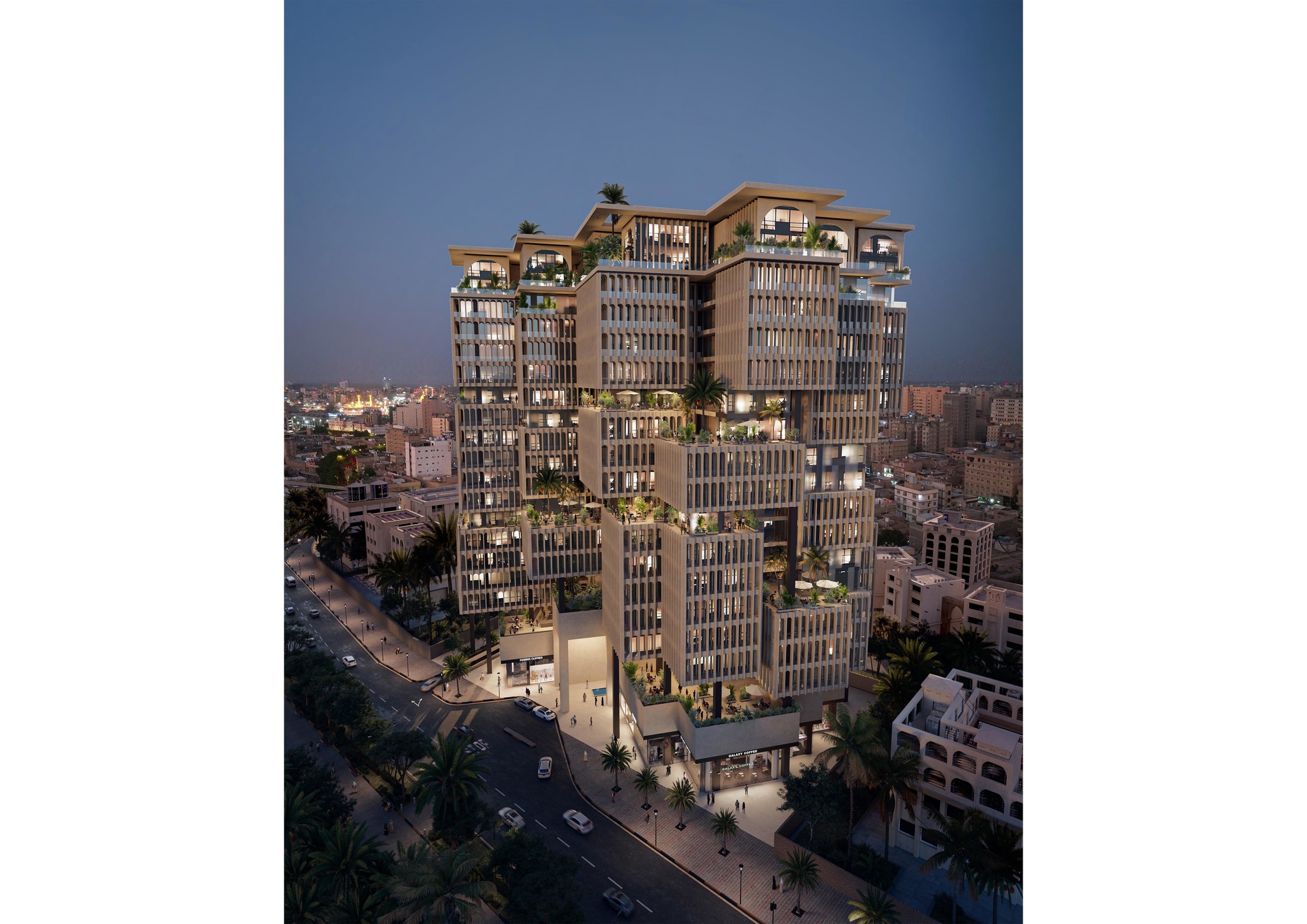
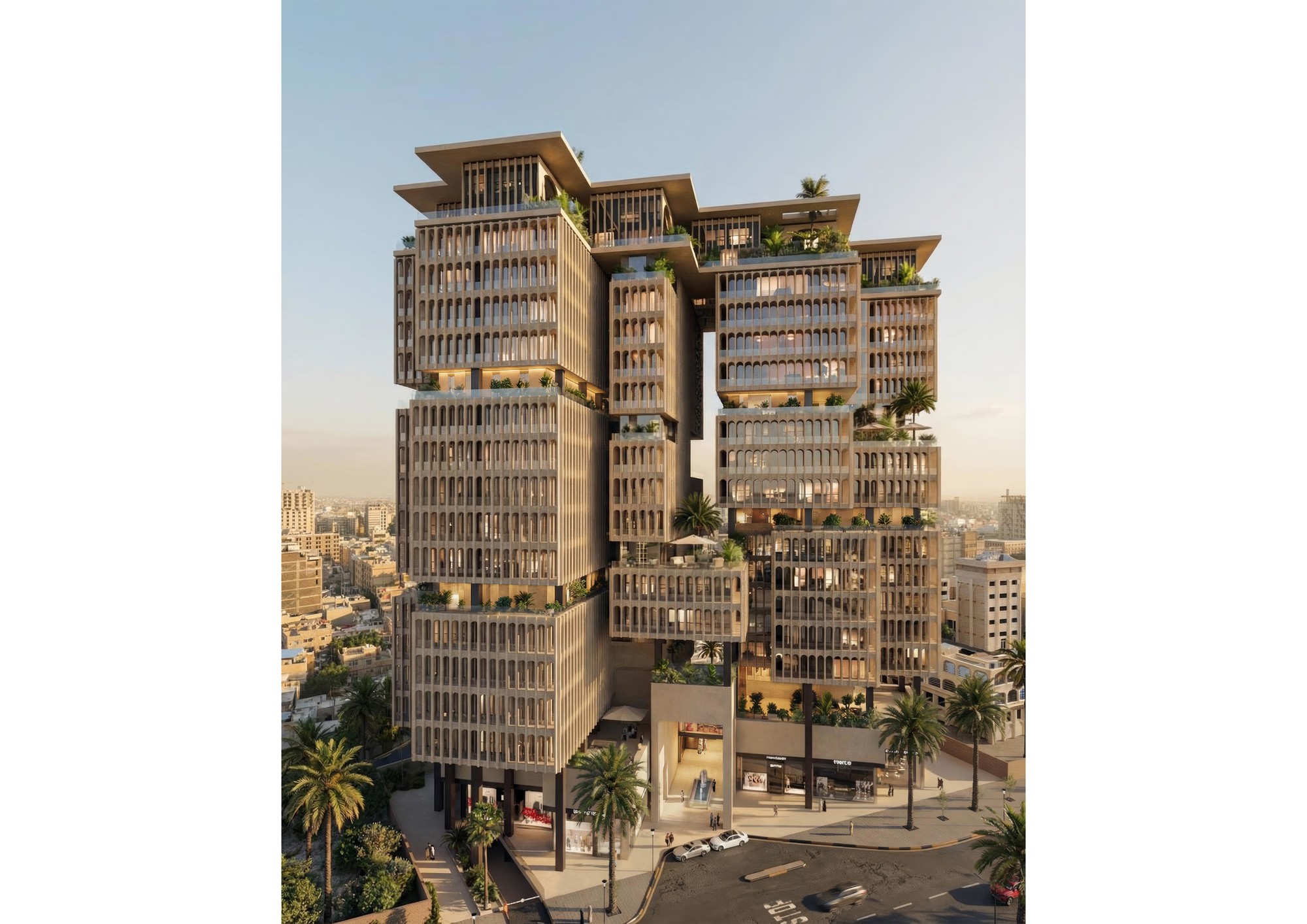
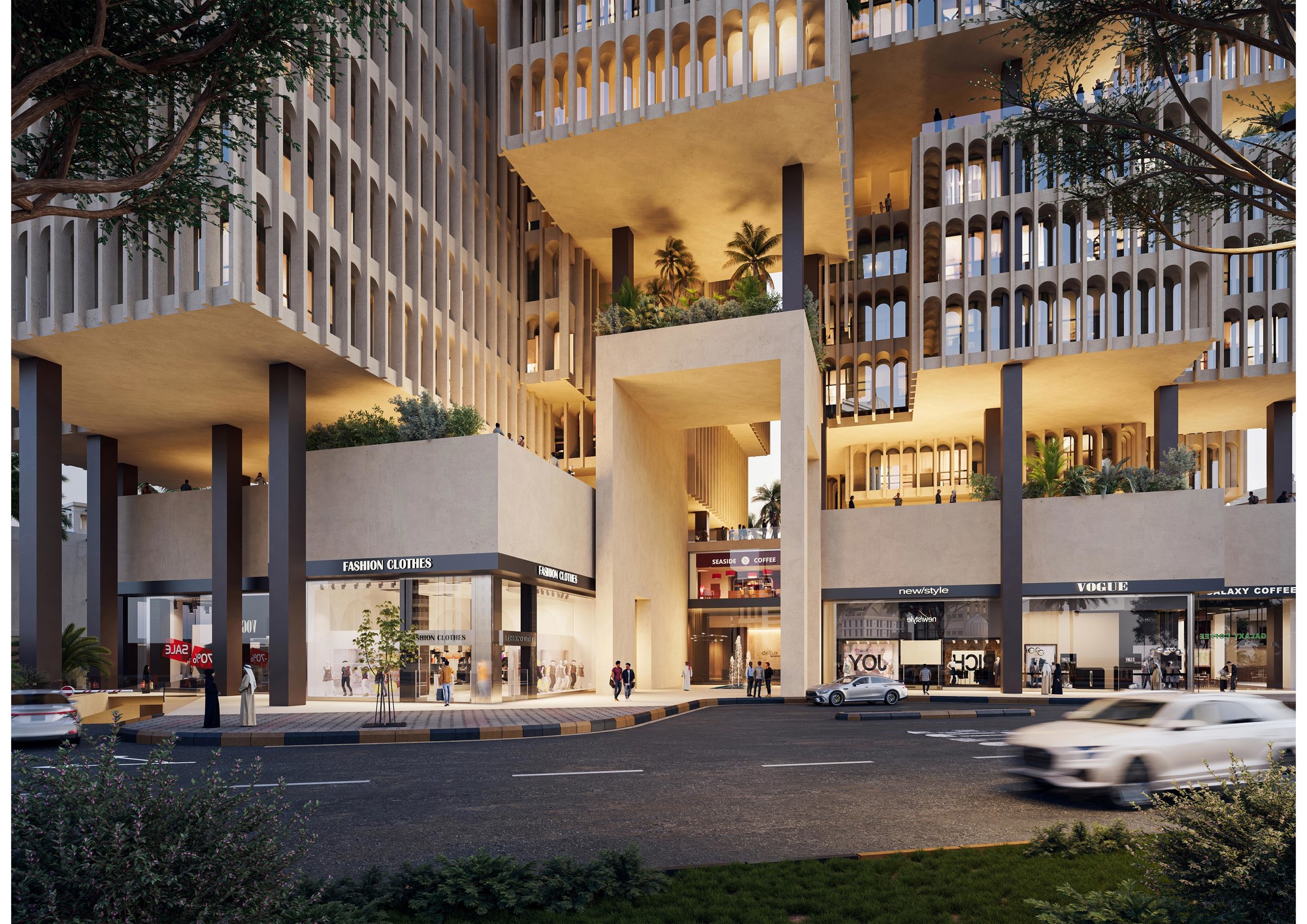
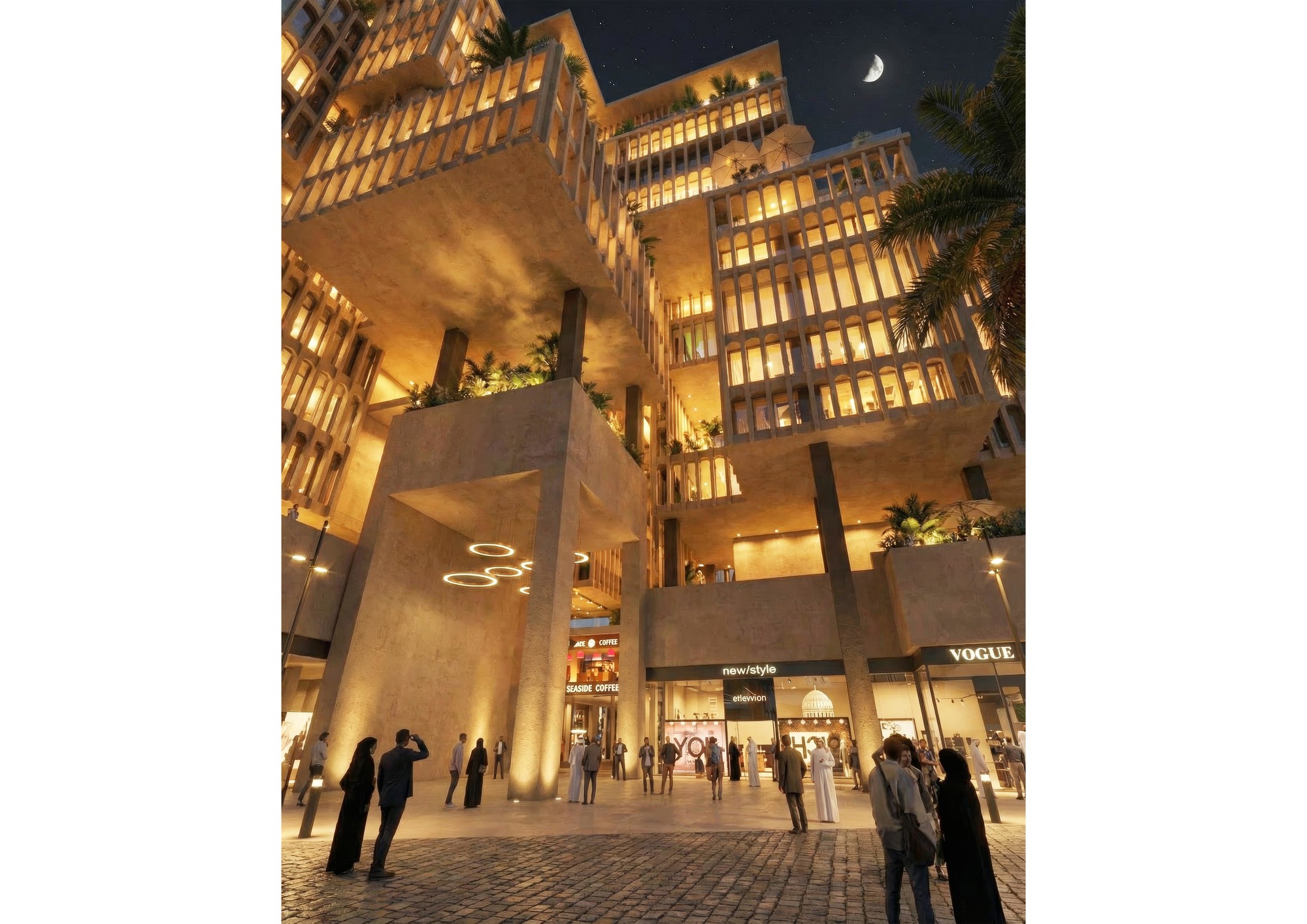
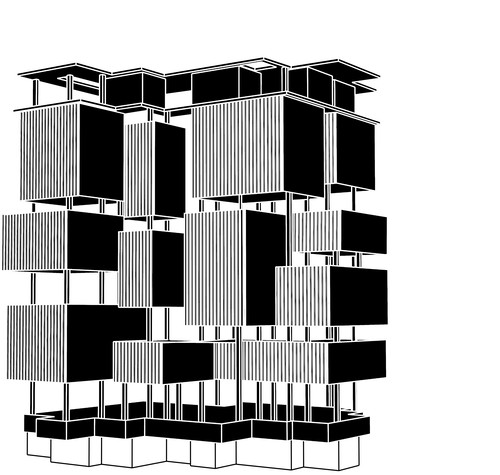
This project is situated in the city of Karbala. Drawing upon the city’s established architectural typologies—particularly the recurrent use of arcades, vaults, and courtyards in traditional structures—the design seeks to reinterpret these elements within a contemporary residential framework. The proposal integrates a series of arcades with sequential courtyards, organized through a modular system composed of three-story units that gradually ascend to five stories. The development of this typology enables the formation of spatial transparency within a relatively dense urban fabric. Despite the project’s volumetric intensity, the organization of the modules maintains open visual connections with the surrounding cityscape. The resulting composition is perceived from multiple vantage points, achieving a sense of integration rather than dominance, and engaging with the urban scale in a contextual and balanced manner. A defining conceptual gesture lies in the rotation of the modular configuration: one axis is oriented toward the holy shrine, while the opposite direction aligns with the palm grove situated in front of the site. This dual orientation establishes a spatial dialogue between the sacred and the natural landscape. The building mass is elevated approximately two levels above the ground plane, creating a semi-public courtyard that serves both as an urban threshold and as a communal space for residents. Complementary collective spaces are positioned on the upper levels, reinforcing the relationship between the two principal blocks that define the overall composition. At the uppermost levels, a series of villa-type units are introduced, while additional villa-like dwellings are embedded within the intermediate floors between the main volumes. Each of these units incorporates generous courtyards and semi-open spaces, distributed throughout the complex to foster permeability, light, and a continuous sense of spatial interconnection within the architectural form.