Projects

Amanieh Residential Building

Type : Residential
Client : Pouria Zallaghi_Ali Zallaghi
Location : Tehran . Iran
Area : 1670 m2


principal Architect : Hooman Balazadeh
Project Architect : Maryam Eghlimi
Design Team : Maryam Eghlimi_Alireza Bagheri_Sahar Sanaei _ Nilufar Sabet
Detail Design : Maryam Ershad Karimi_Aida Ebrahimi_Samira Borumand_Amir Javanbakht
Visualization: Alireza Bagheri _Sahar Sanaei_Nilufar Sabet
Site Supervision : Mohammad Javadian
Executive director : Mohammad Yar Mohammadi
Mechanical Consultant Engineer : Mr Nikkhou
Electrical Consultant Engineer : Mr Nikkhou
Structural Consultant Engineer : Alireza Jam
Lighting Design : FAD Lighting Co.
Logo design : Iman Yoosefi

Amanieh Residential Building

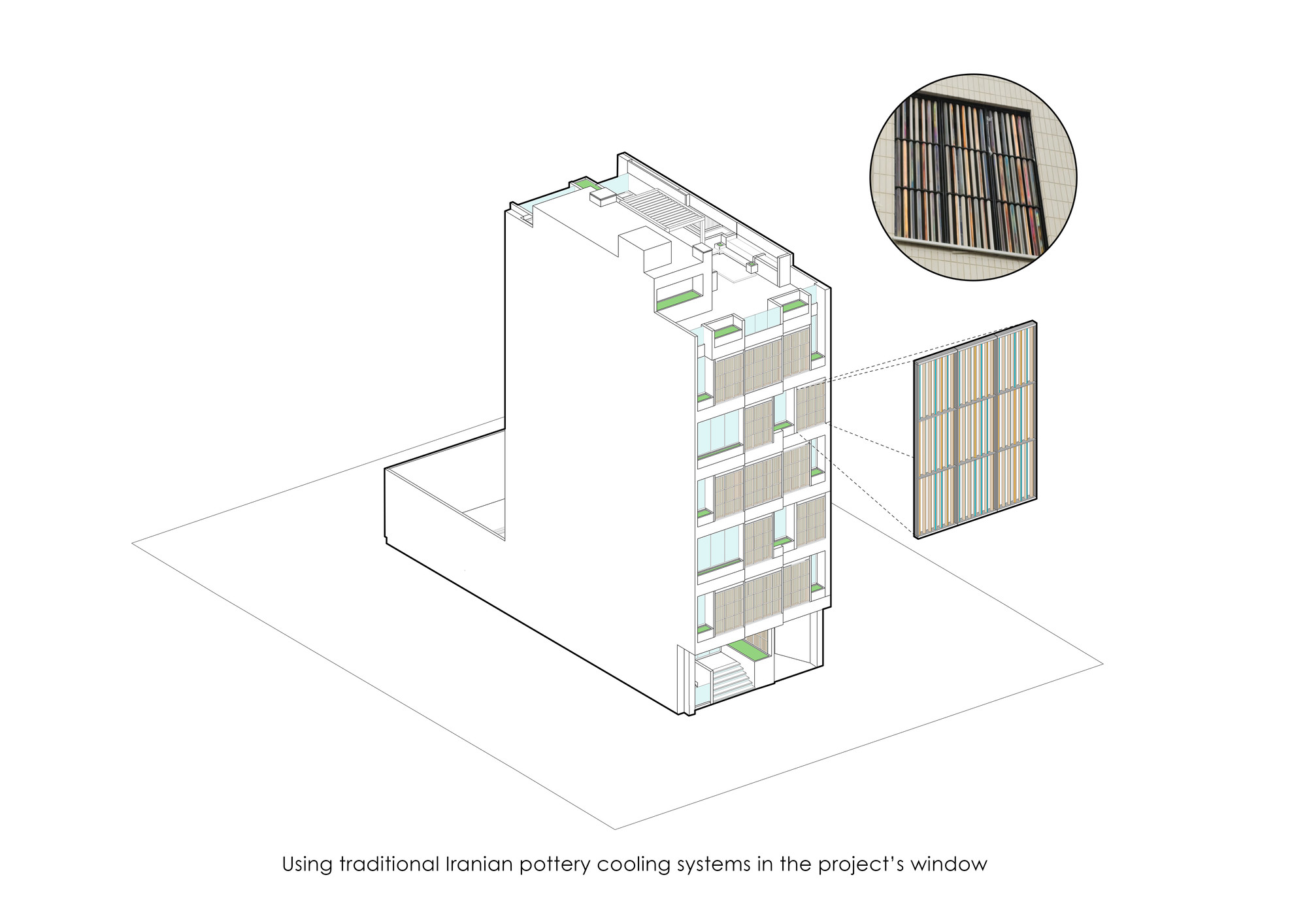
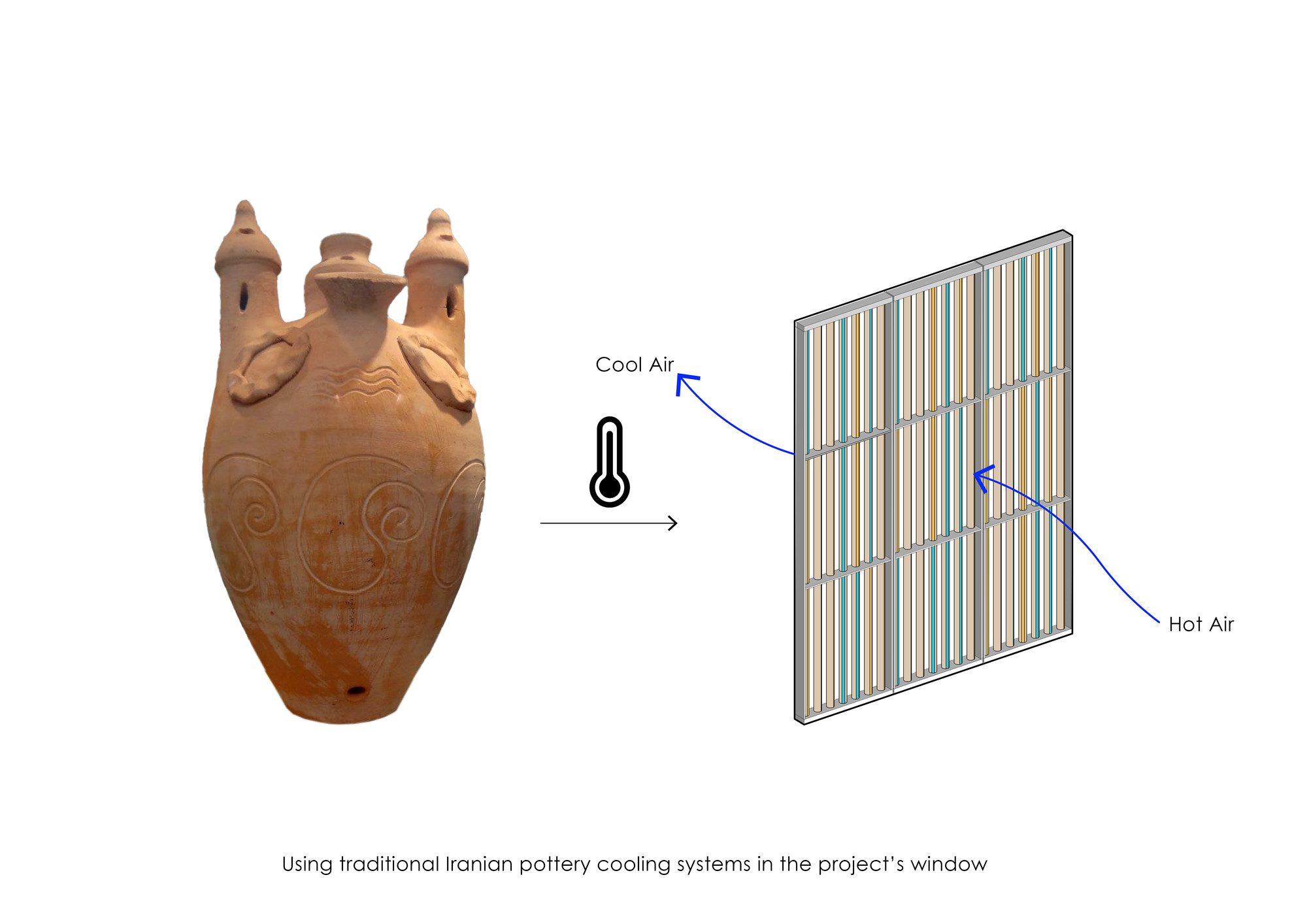
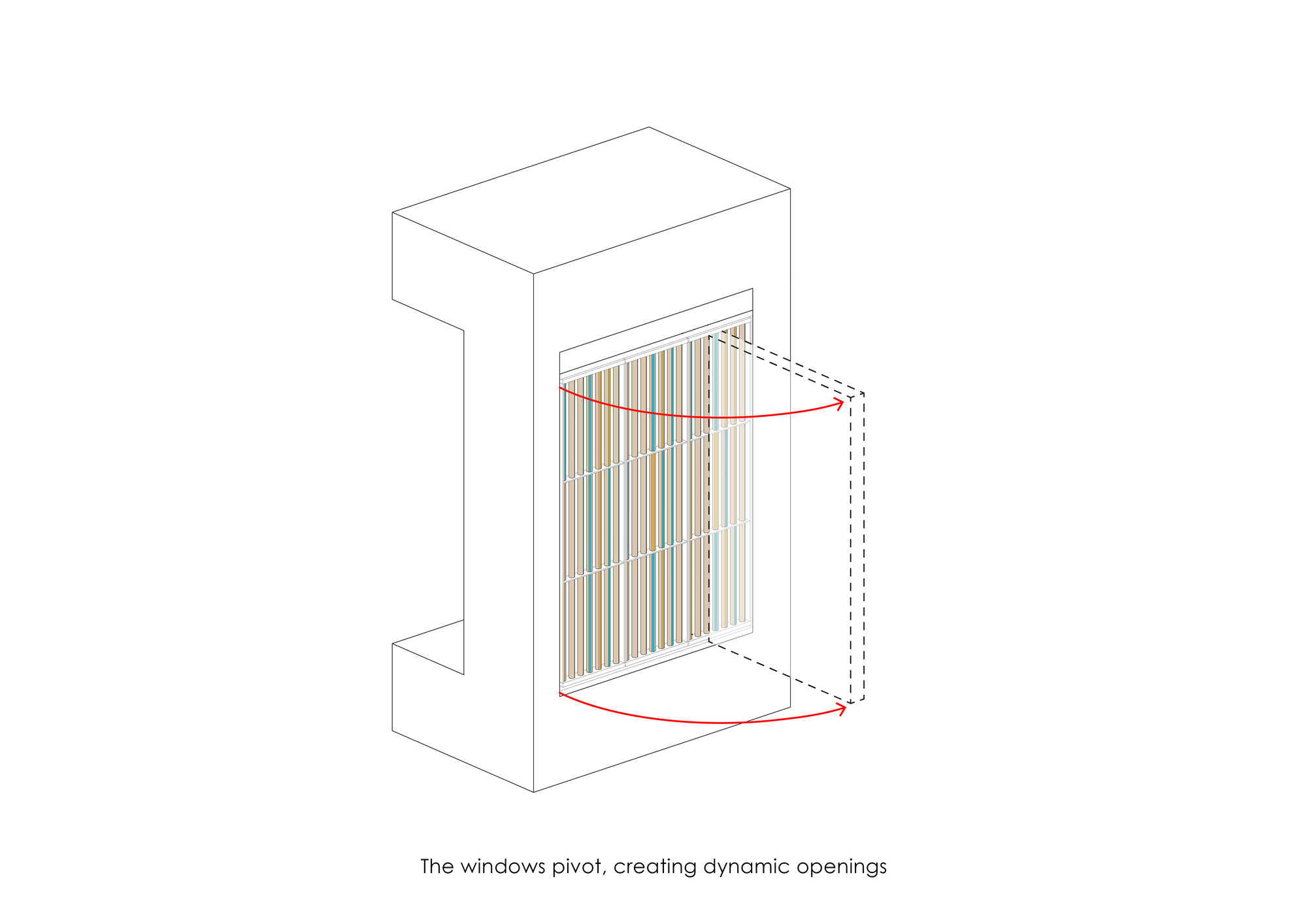
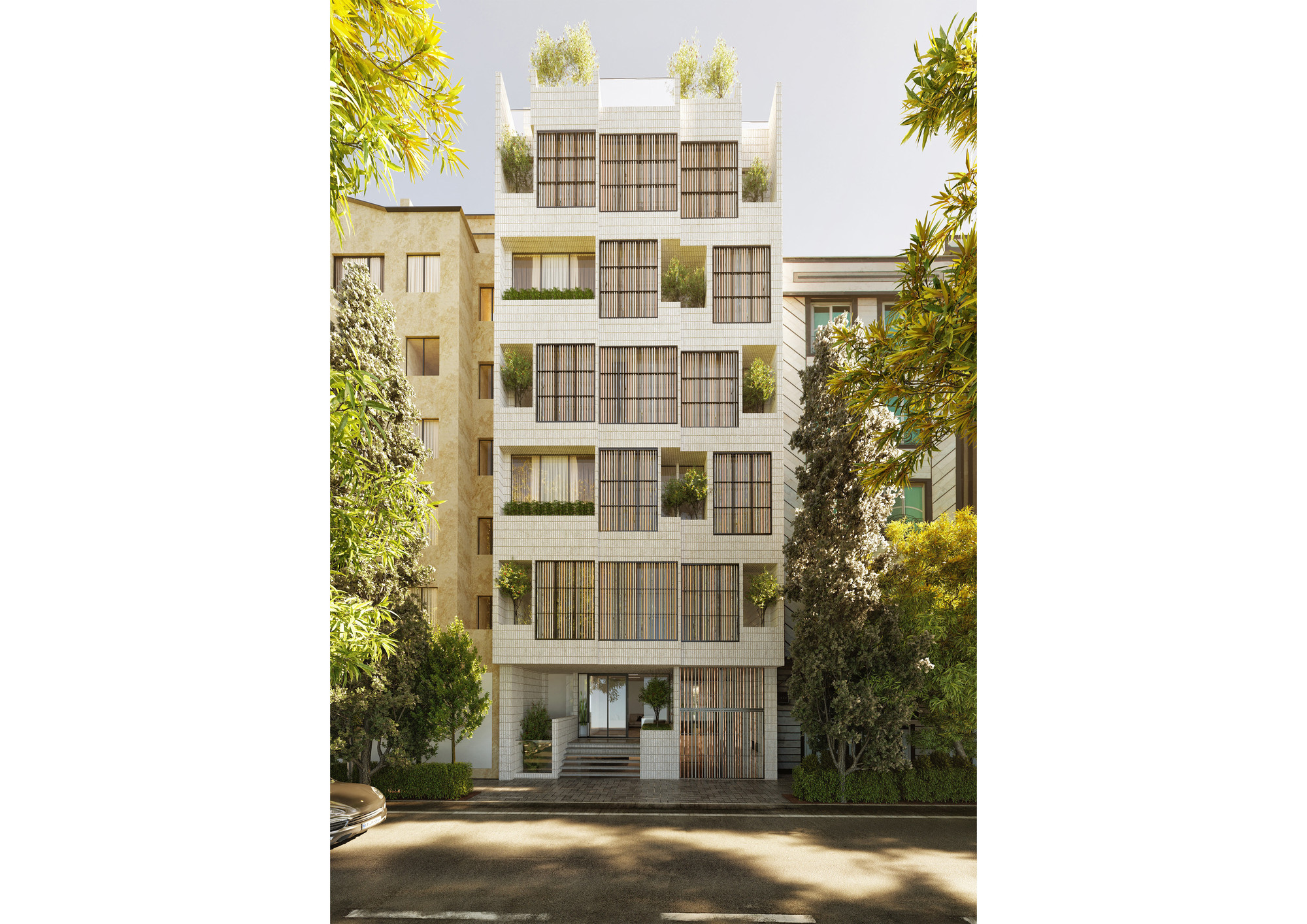
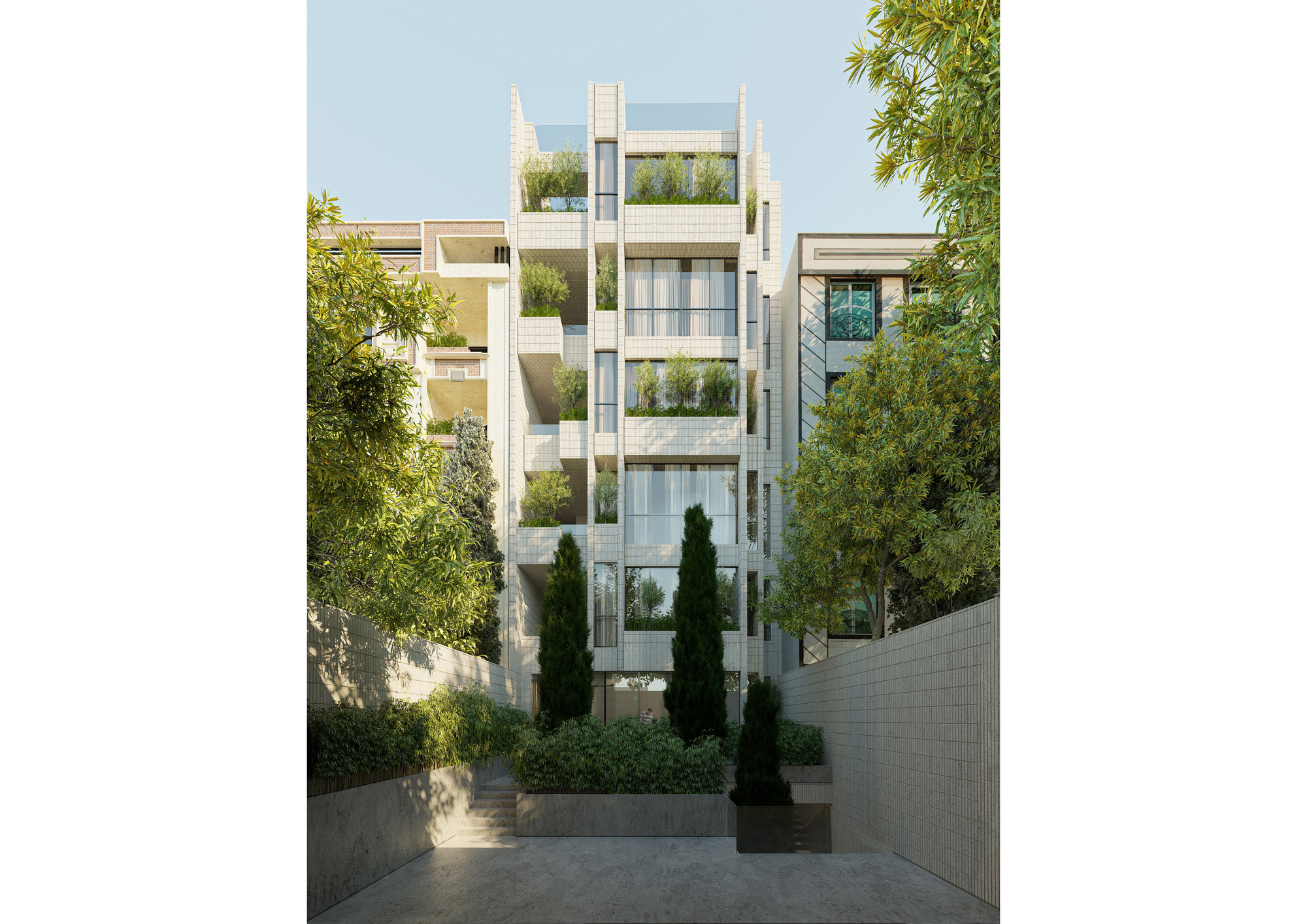
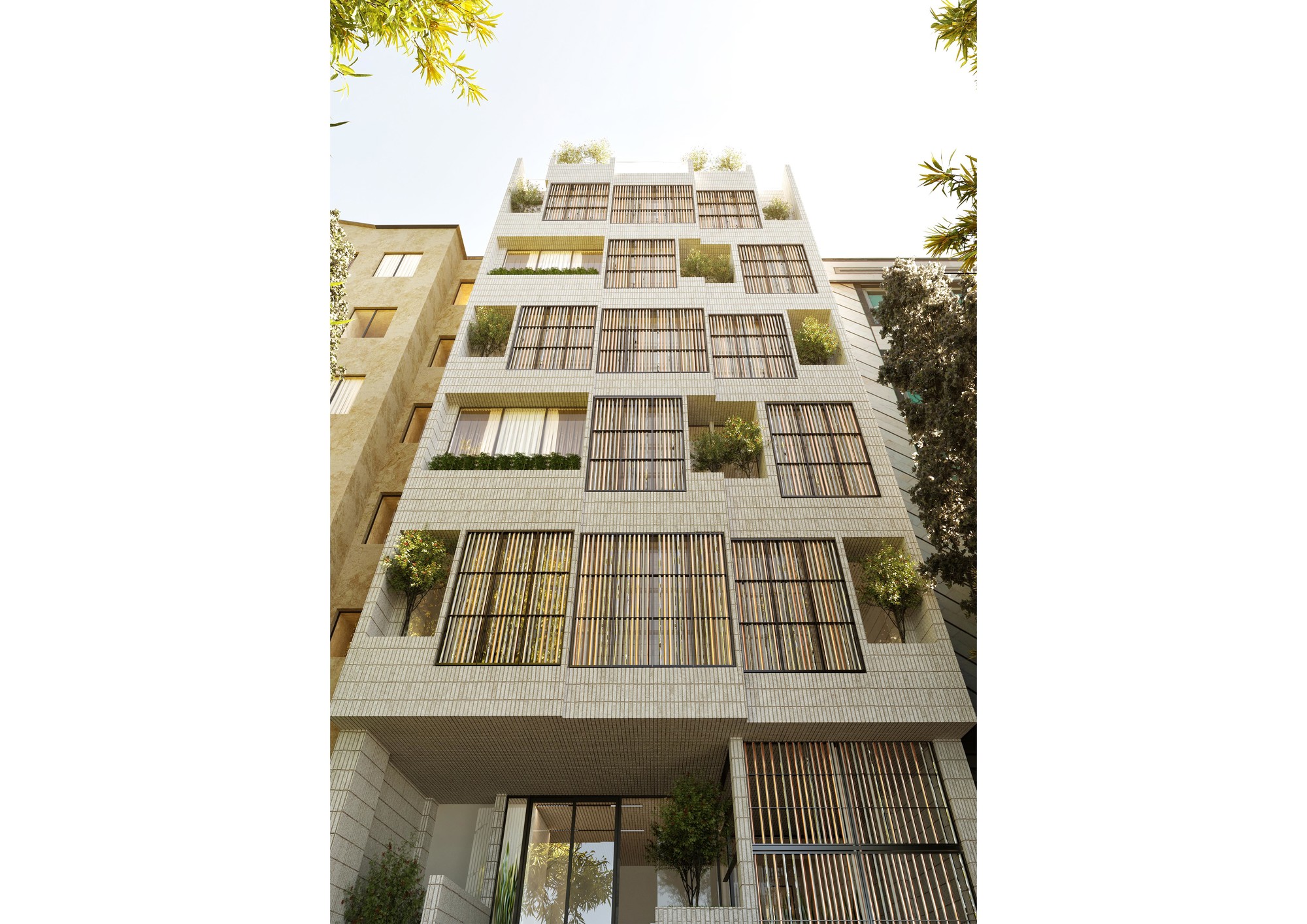
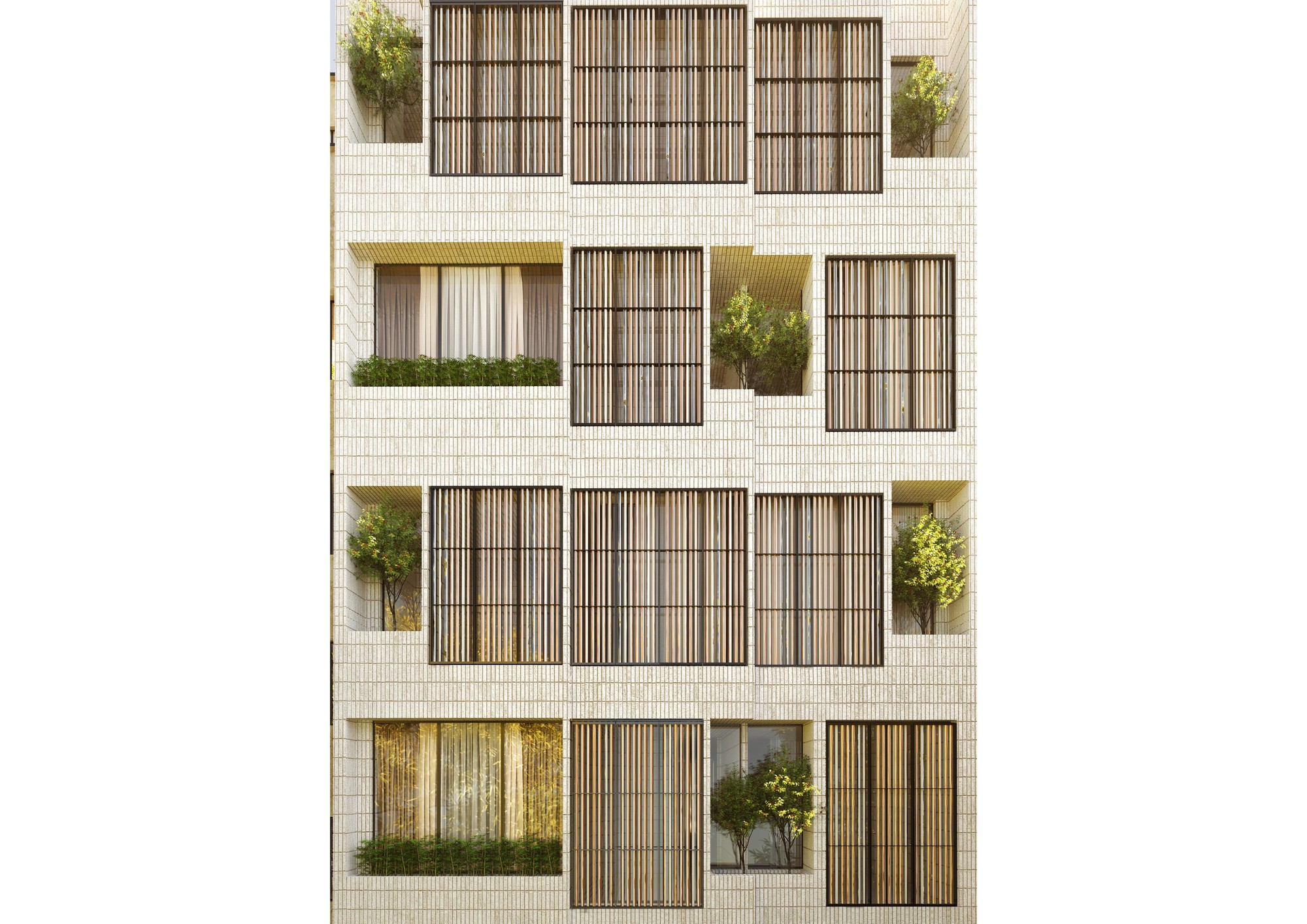
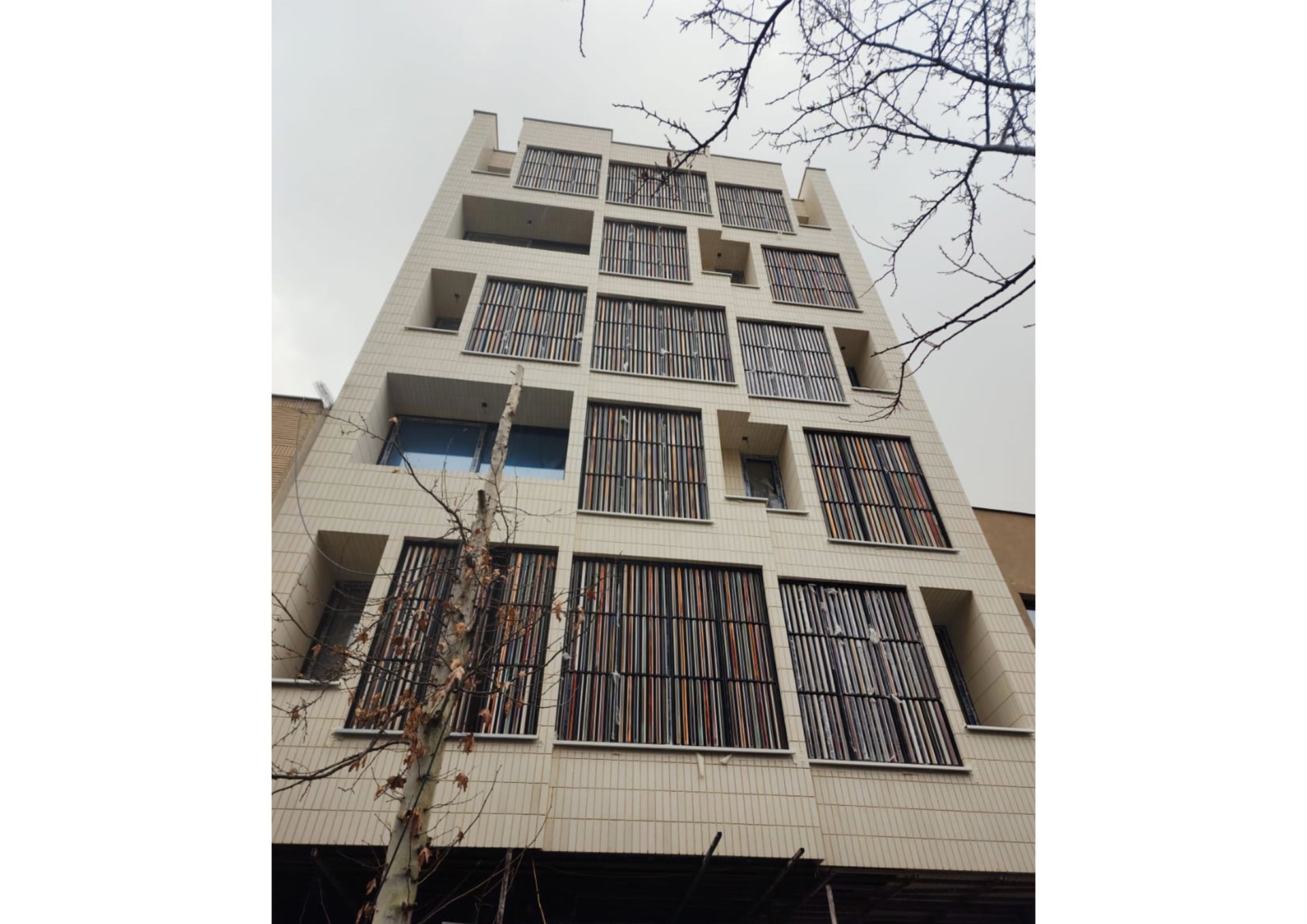
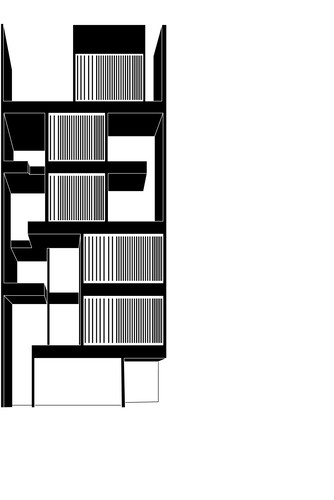
The Amaniyeh Residential Apartment Project is one of Tehran’s urban infill developments, located on the south side of the street. The project site spans approximately … square meters and is designed to feature single-unit apartments. Over the years, urban infill projects have posed significant challenges for HOOBA Design Office, particularly in devising strategies to enhance the quality of life within such residential patterns. Given the prevalence of this type of housing in the city, creating models that can improve or expand quality of life within this framework offers the potential to elevate the standards of urban infill apartments. This is especially relevant as such patterns dominate the construction landscape in most modern Iranian cities where comprehensive urban plans have been implemented. The development of innovative models like this can lead to broader urban growth through the replication of creative ideas. The concept of this project emerged from the need to design a façade inspired by Iran’s pottery tradition, aiming to create a sustainable method for cooling and filtering outdoor air. The use of clay pipes, which are moistened internally by misting systems, forms the basis of this cooling façade. This idea draws inspiration from traditional Iranian water jars used to cool water in the region. The clay pipes in the façade are supported by a metal framework equipped with misting systems at the top. This structure allows the pipes to open and close, providing a view during seasons when this cooling method is unnecessary. In warmer seasons, the misting systems, supplied with treated wastewater, contribute to the cooling process using vaporization process. The clay pipes have a glazing coat on some parts of their surface. This project tries to provide cool air during the hot season using clay and vaporization characteristics, commonly used in the dry climate of central Iran. The aim is to create a role model for typical apartment construction in the region. This model could be useful for all areas of Iran with hot climate, not only to provide appropriate climatic model but also to create a model to filter the air entering residential buildings in a passive way.