Projects

ASP Towers No. 103

Type : Residential
Client : Mr. Keivanloo
Location : Tehran, Tehran Province, Iran
Area : 378 m2


principal Architect : Hooman Balazadeh
Project Architect : Saeed Farshbaf
Design Team : Saeed Farshbaf - Marjan Naraghi
Detail Design : Dariush Ghorbani
Presentation : Matin Rostami – Sara Maleki – Marjan Naraghi
Site Supervision : Arshia Taghizadeh
Executive director : Behdad Kamalian
Construction Director : Saeed Farshbaf
Mechanical Consultant Engineer : Mr.Nikkhou-Mr.Golkar
Electrical Consultant Engineer : Mr.Soori-Mr.Mohammadi – Mr. Faraji
Lighting Design : Noorsaform Co.
Furniture design : Neshiman Co. , Eskan Wood
Glazed brick designer : Mansoureh Amini
Photography : Parham Taghioff
Logo design : Iman Yoosefi

ASP Towers No. 103

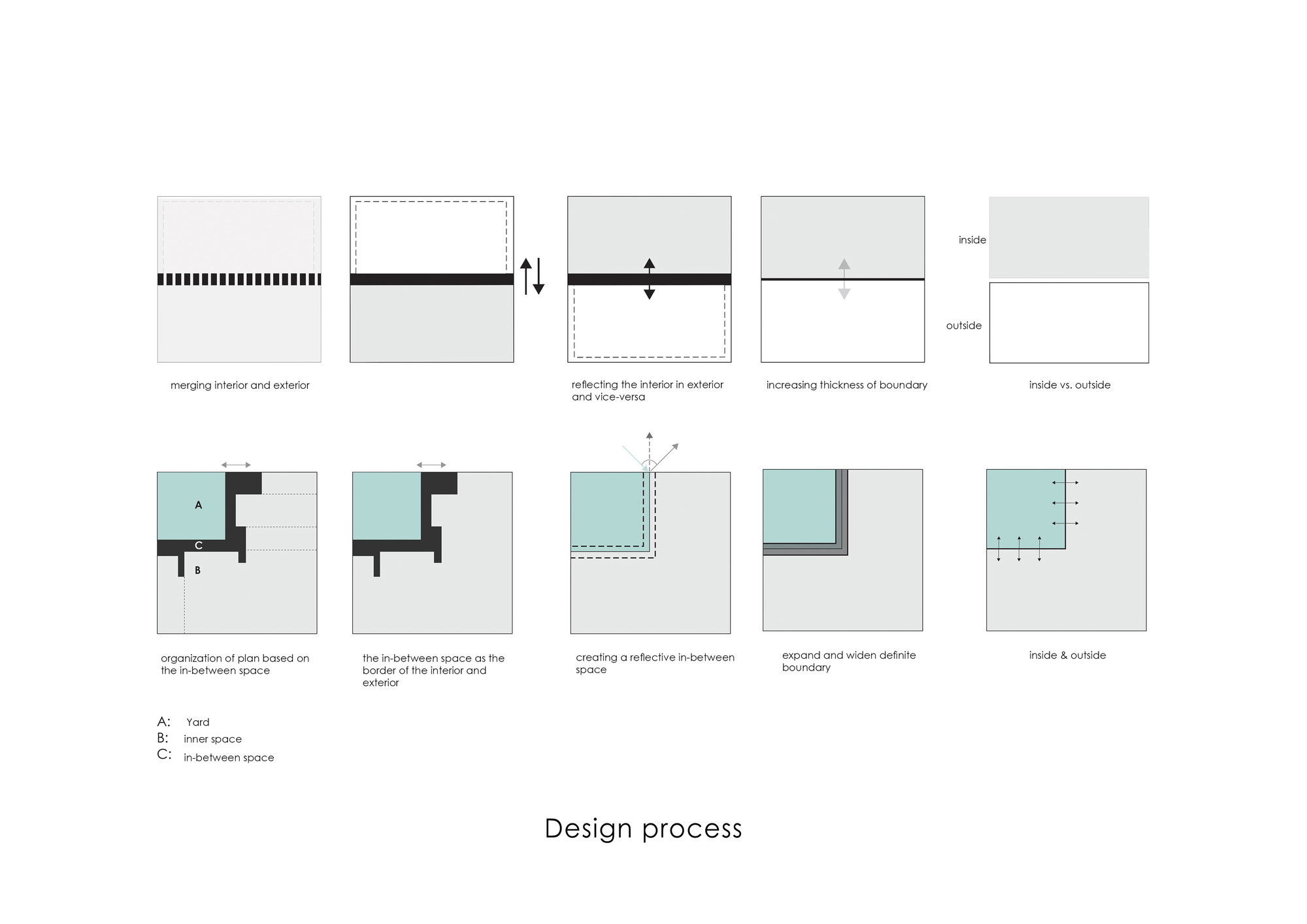
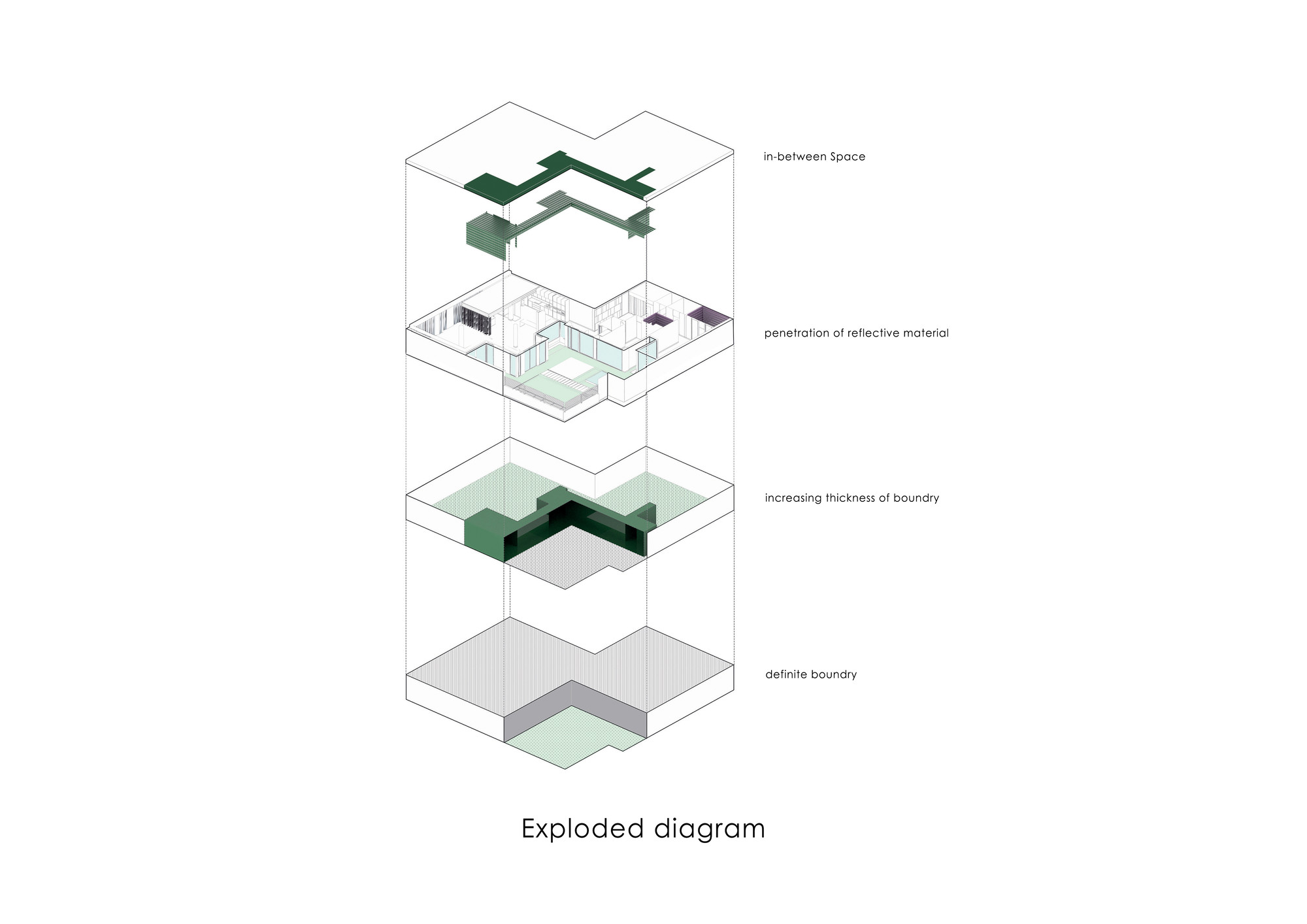
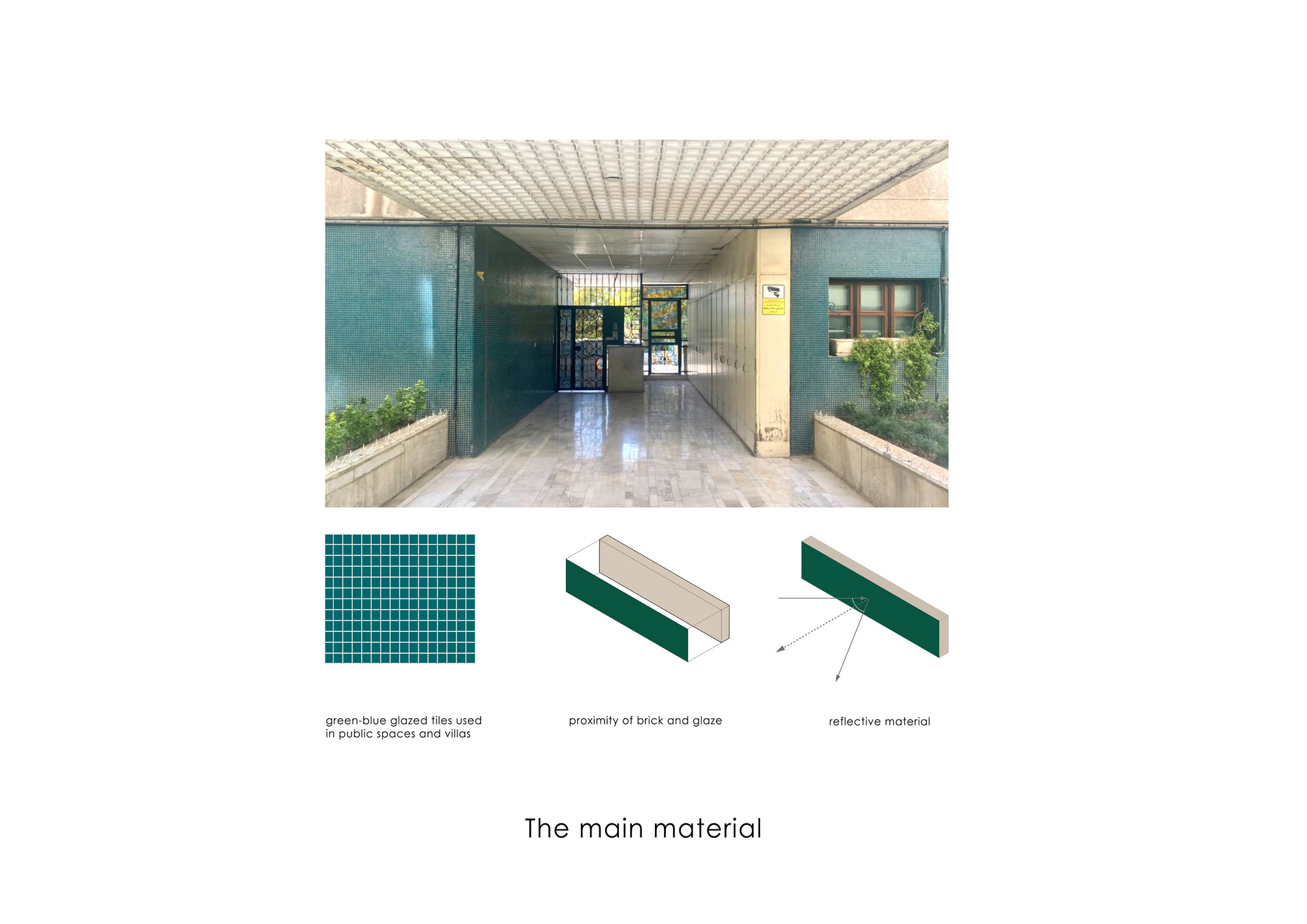
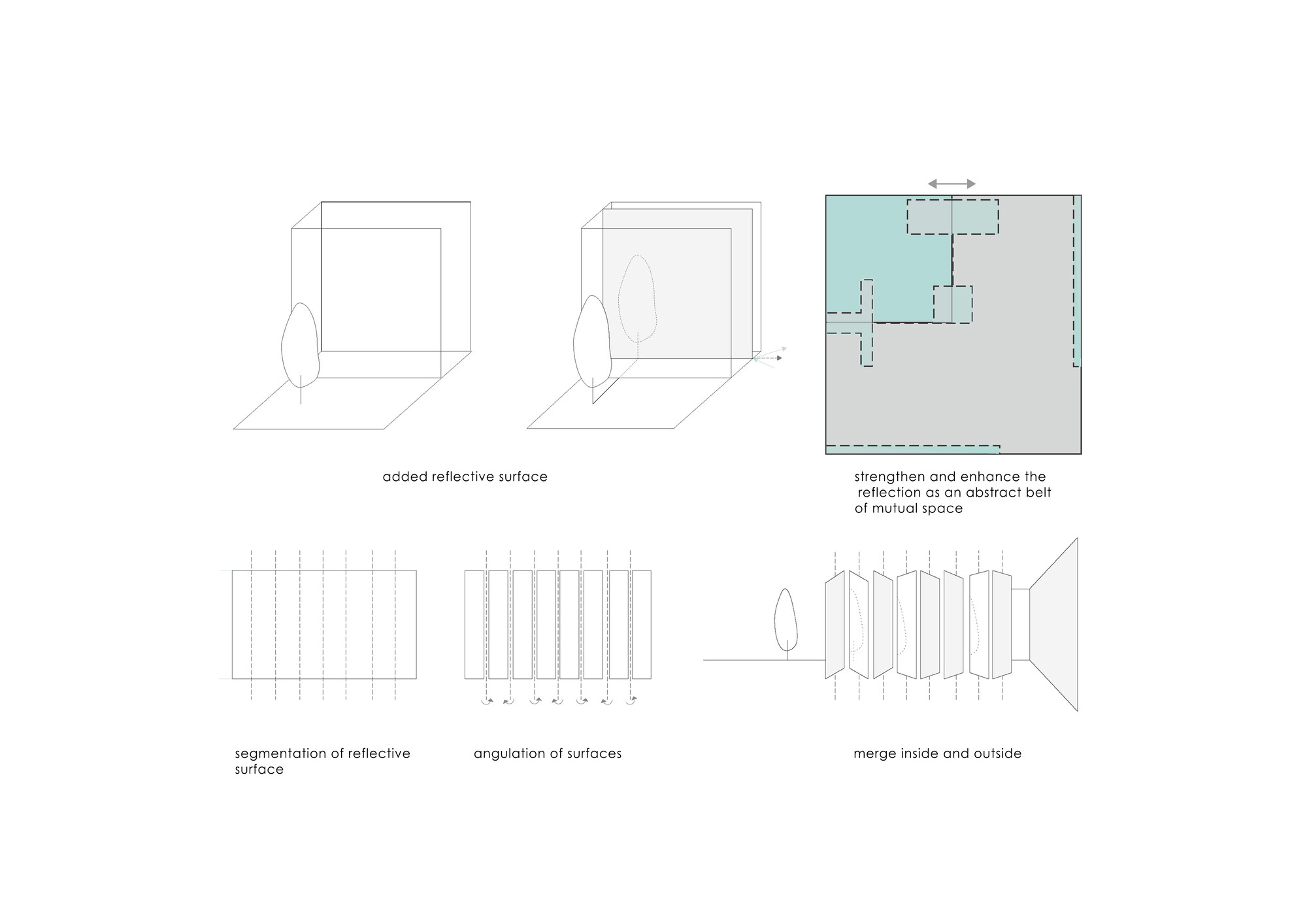
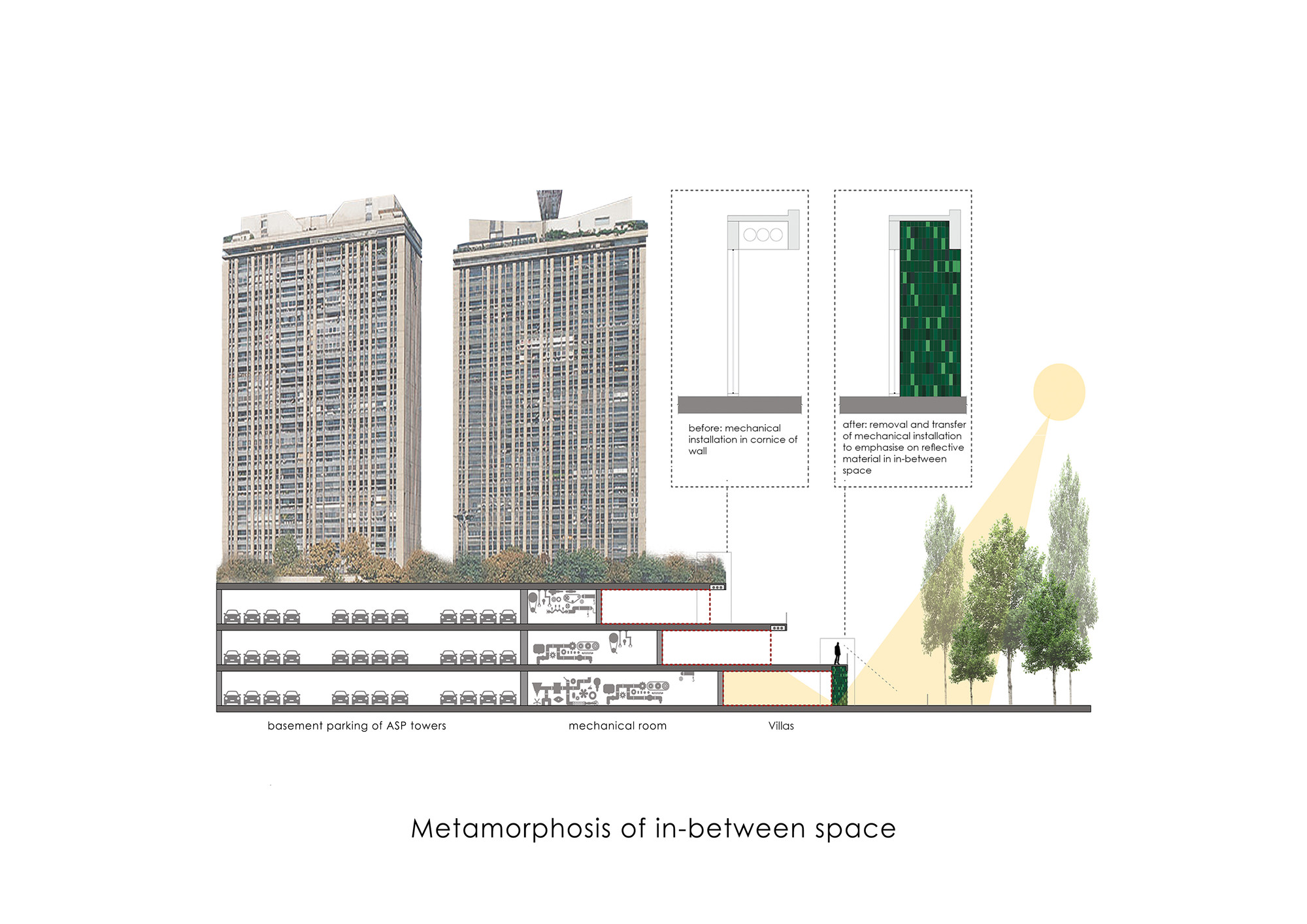
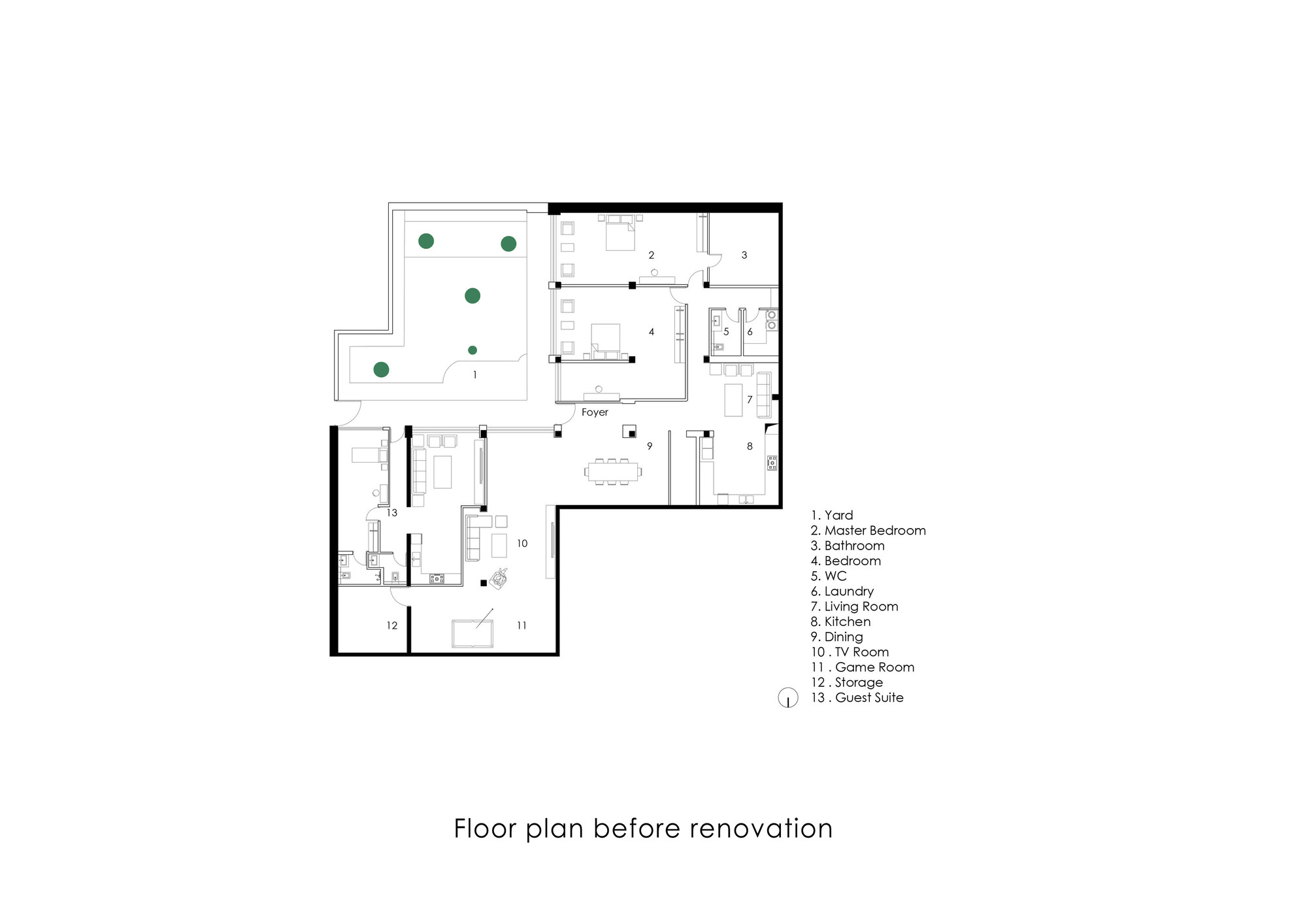
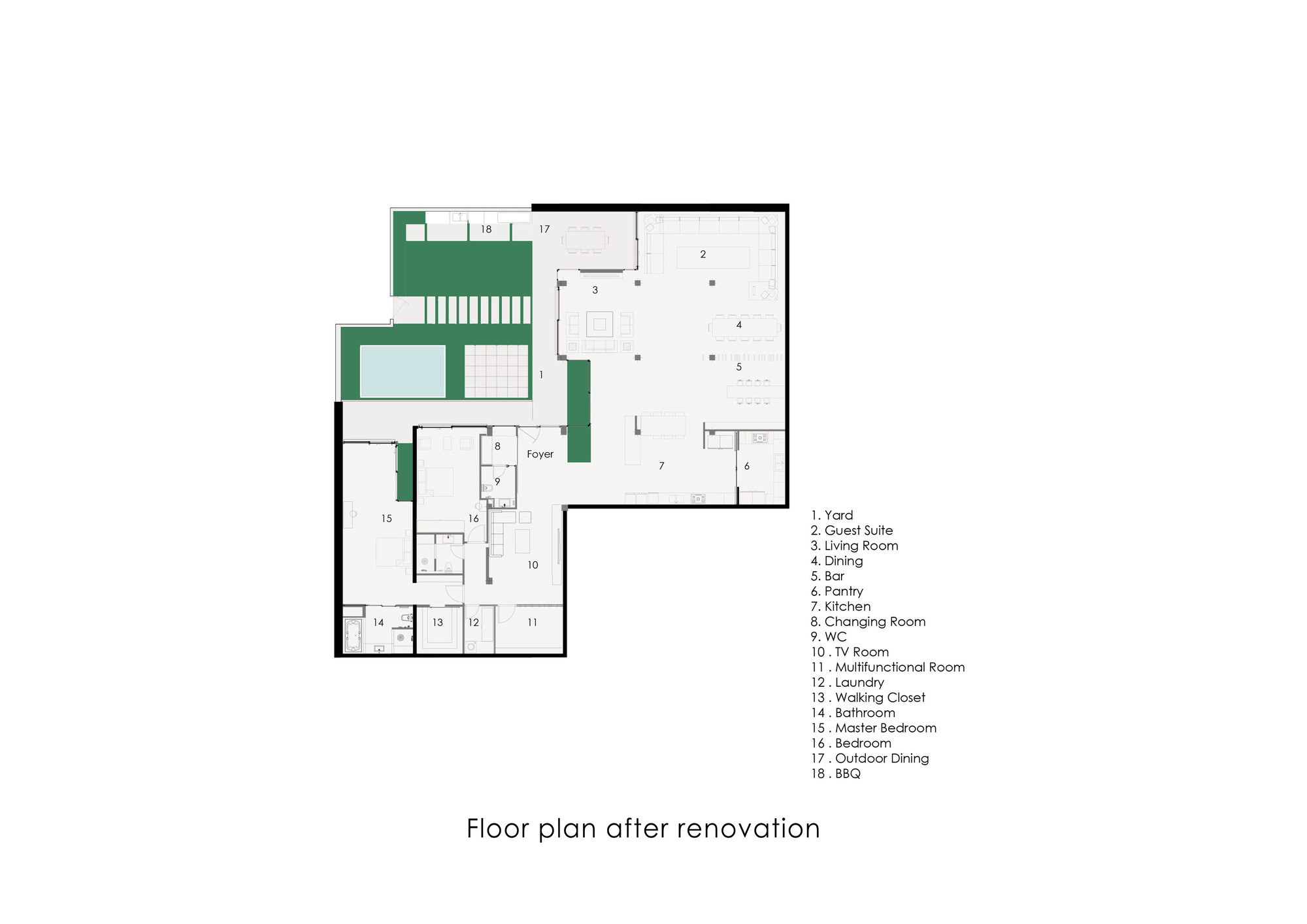
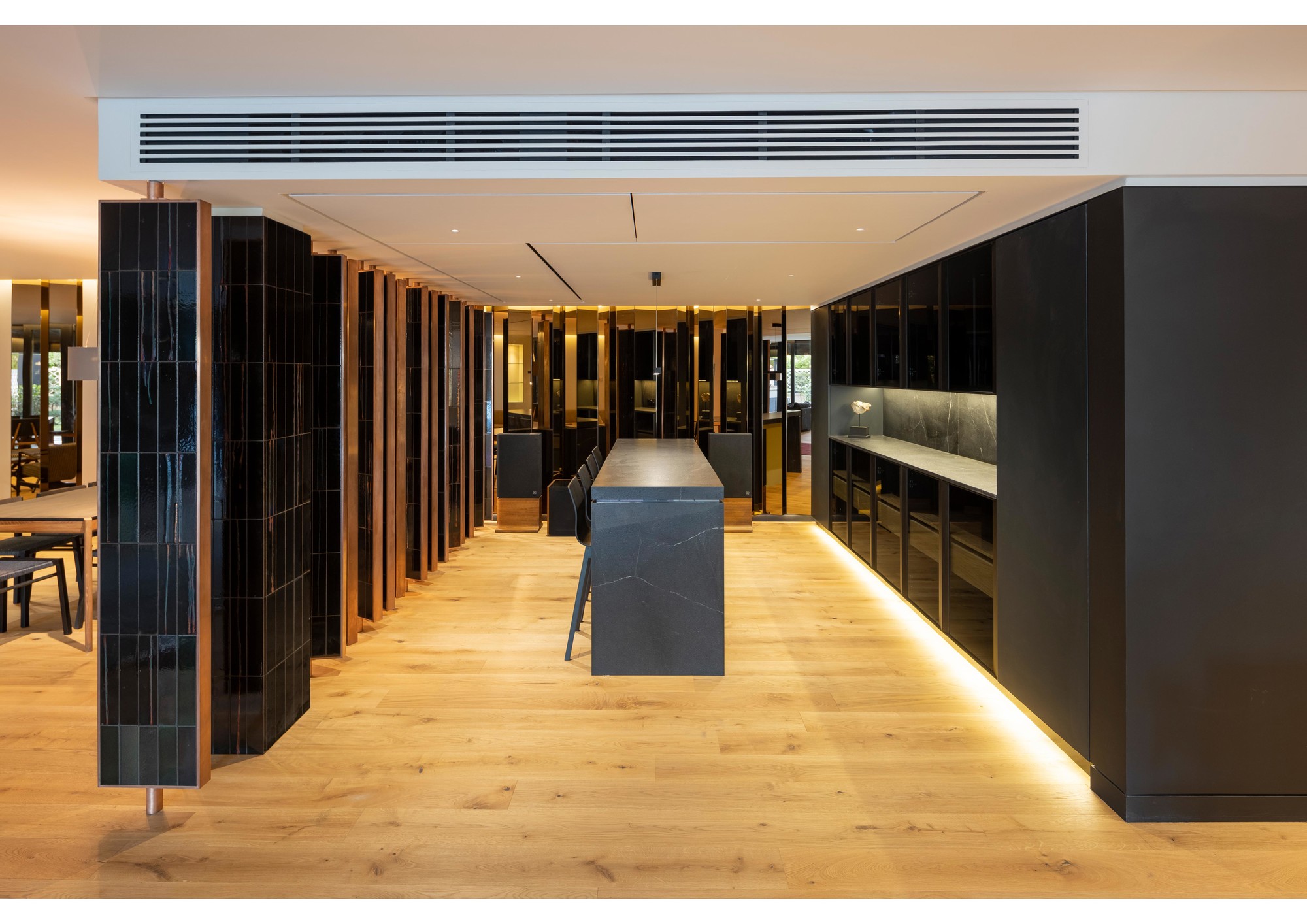
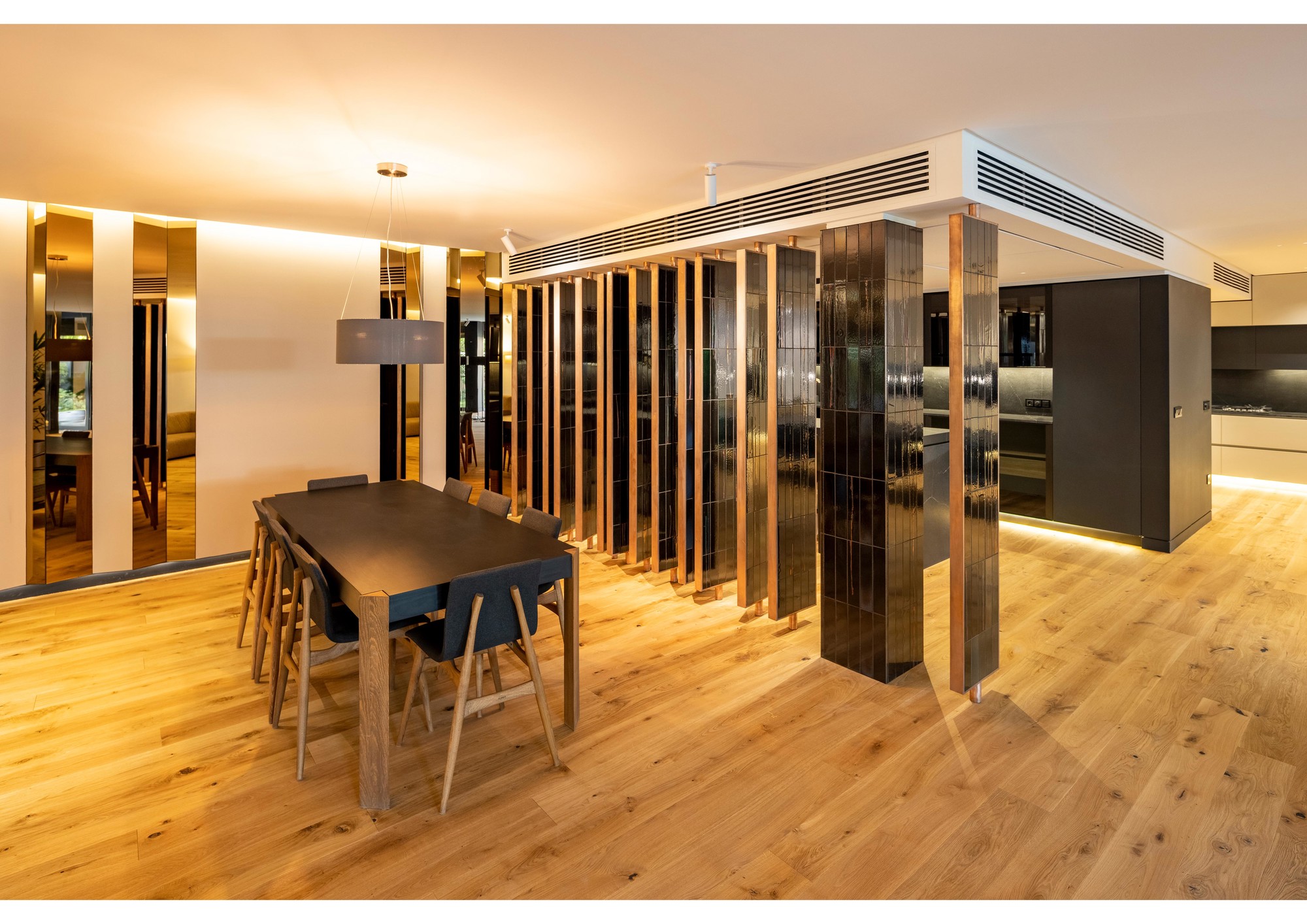
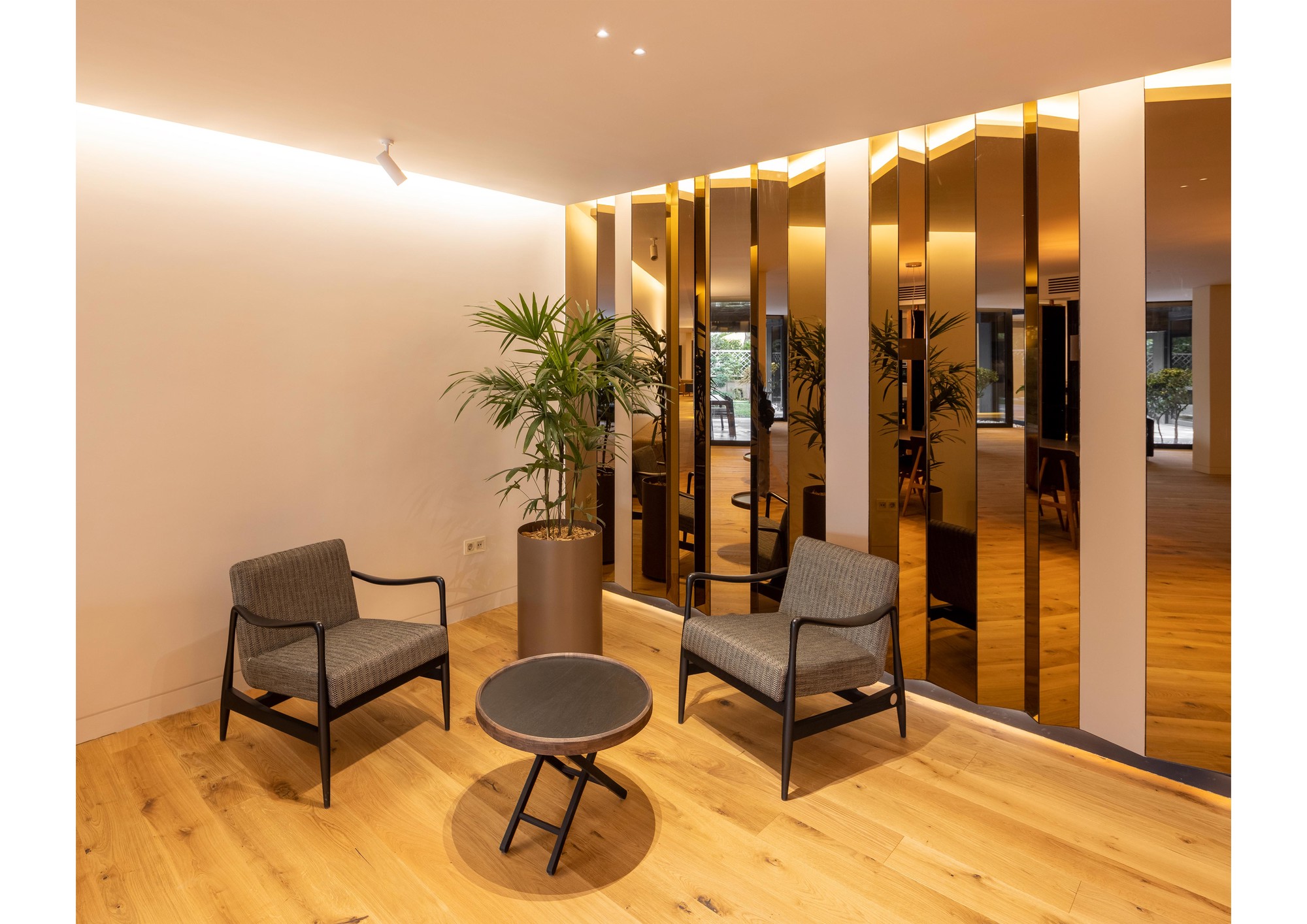
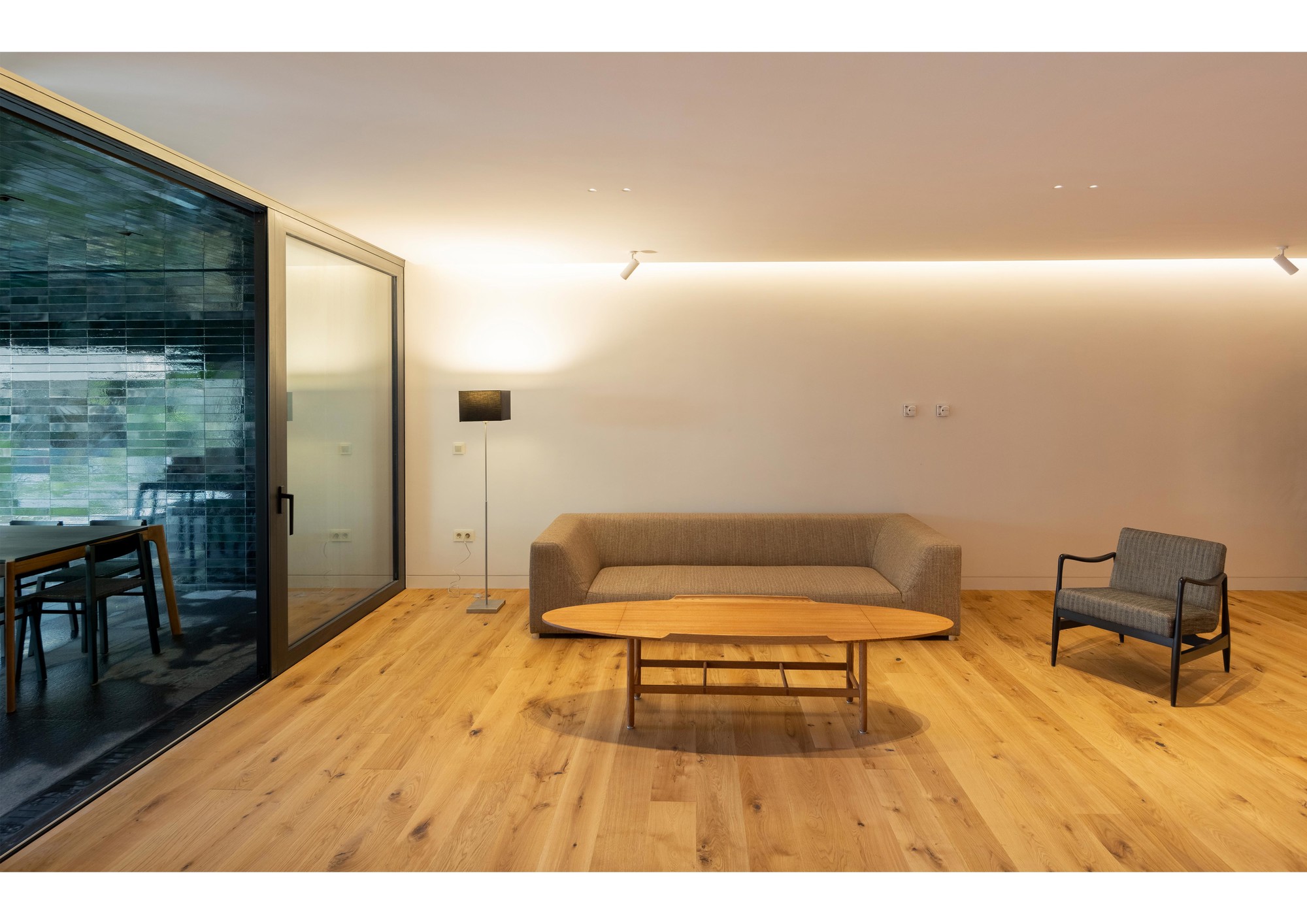
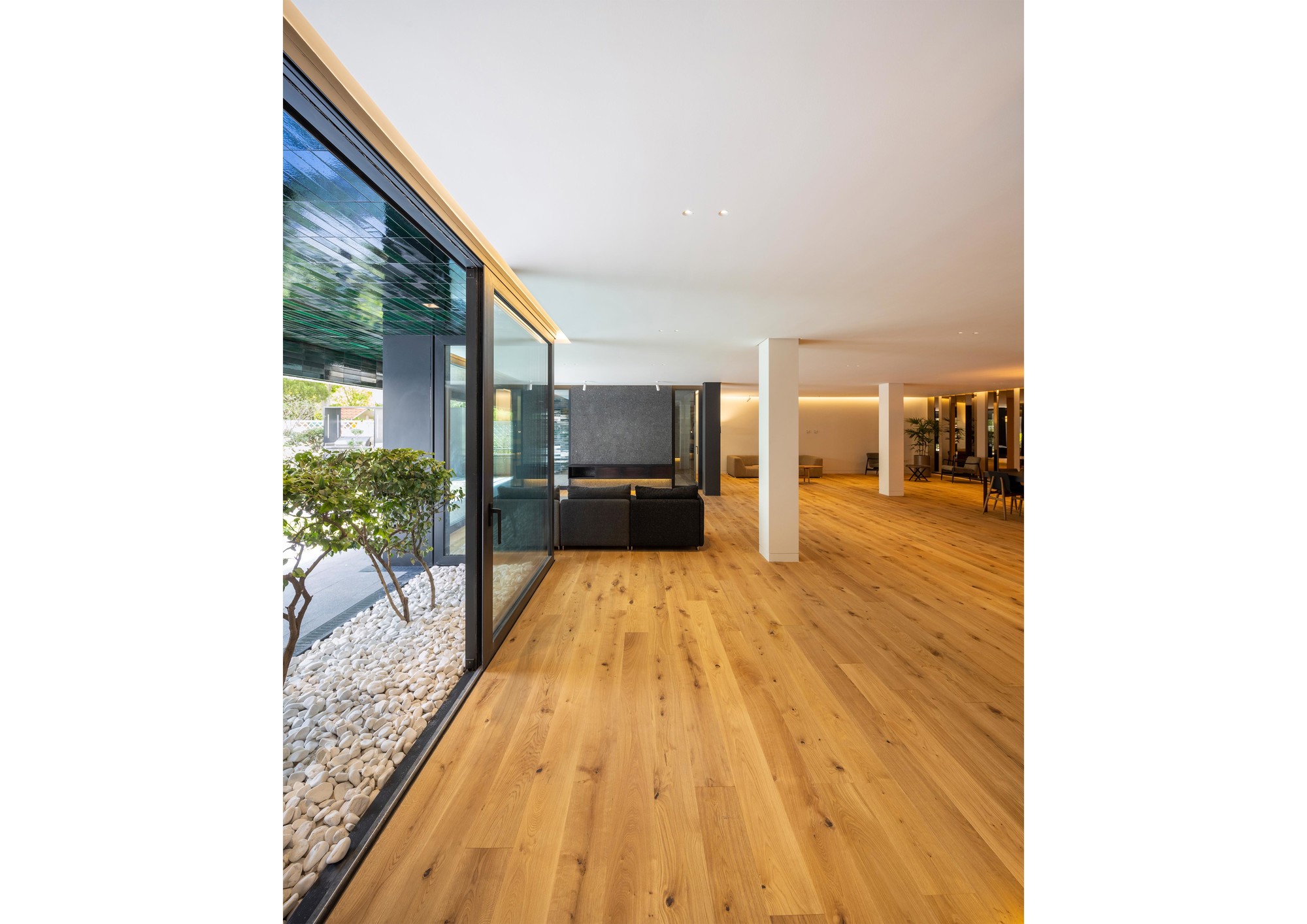
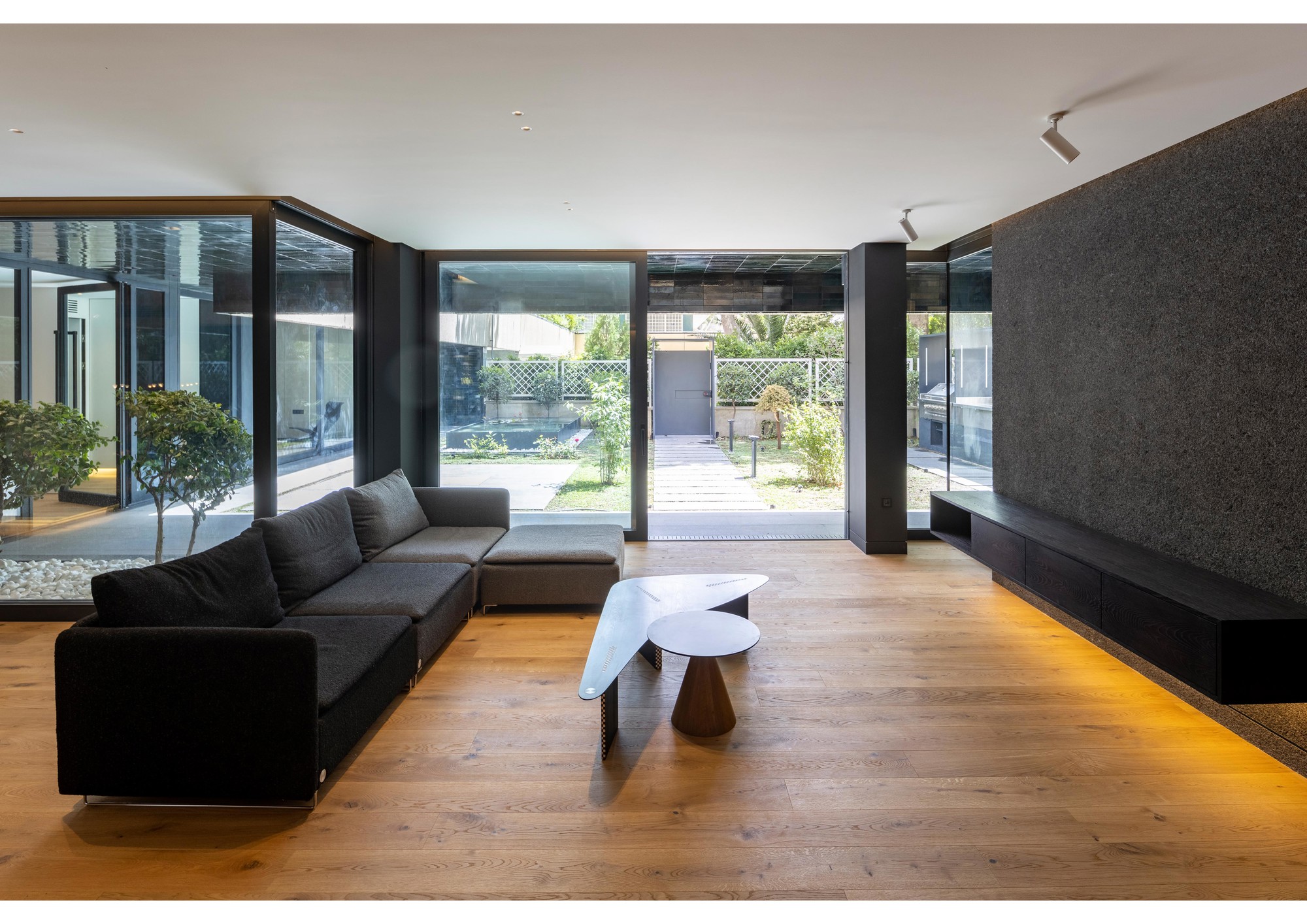
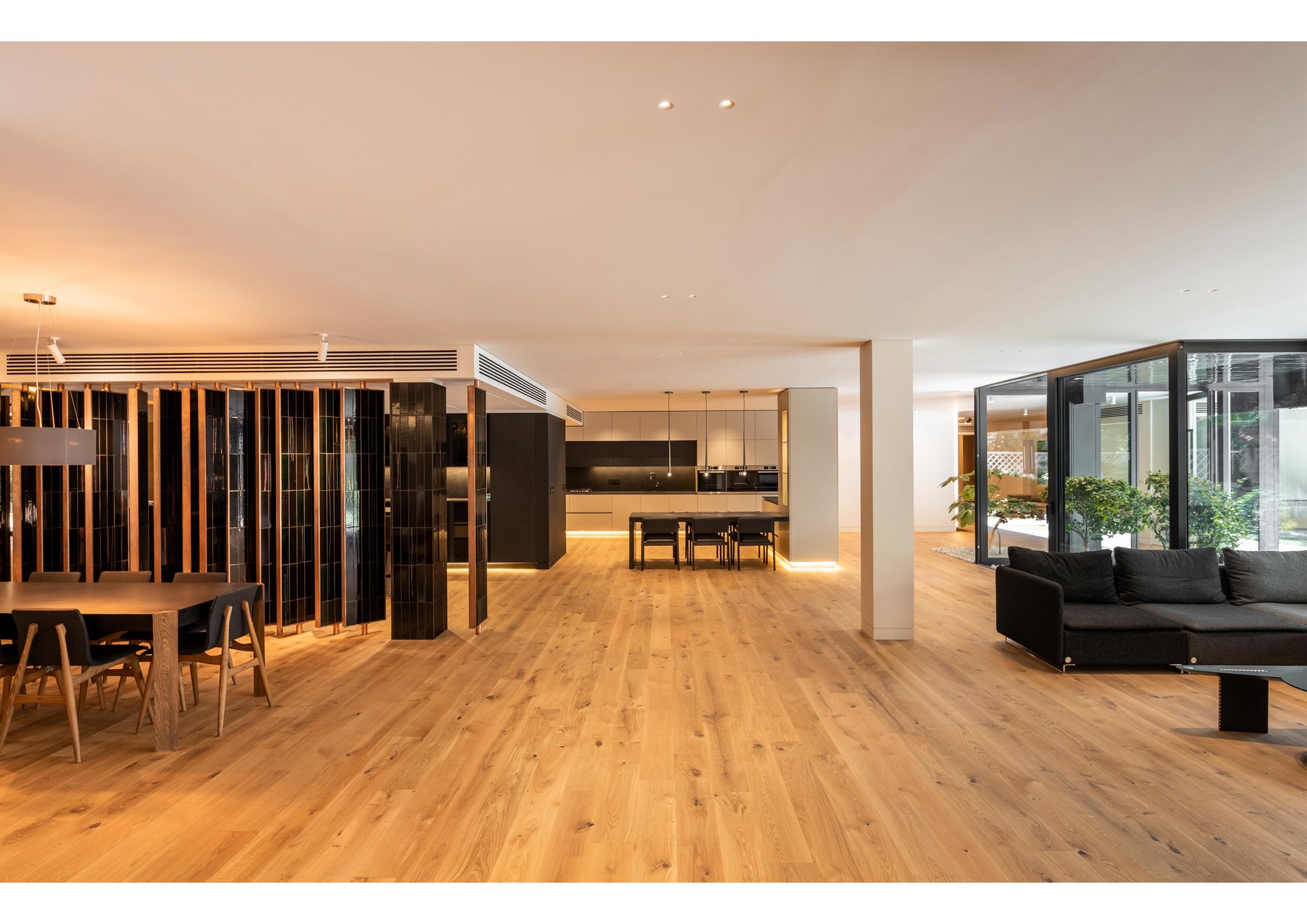
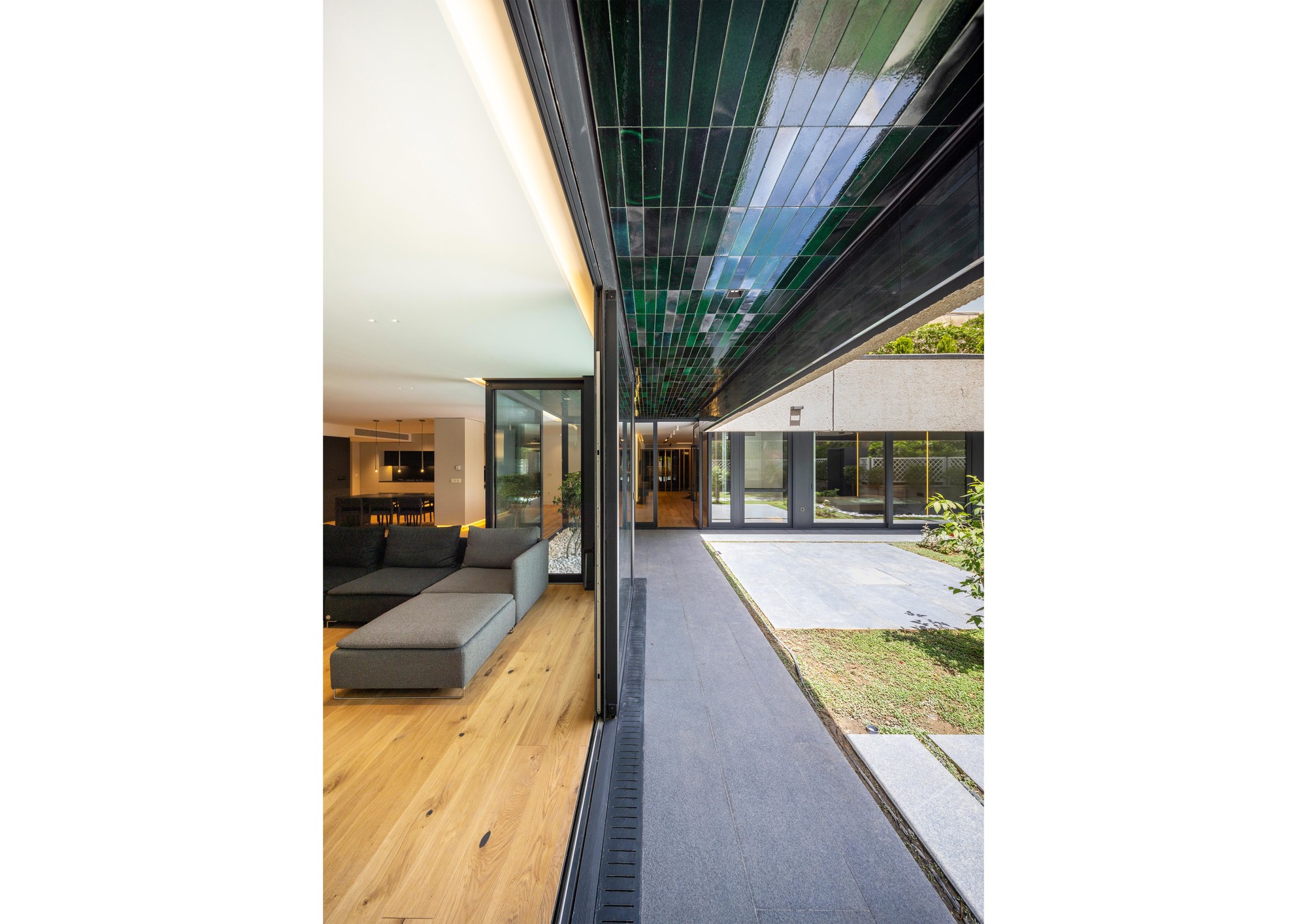
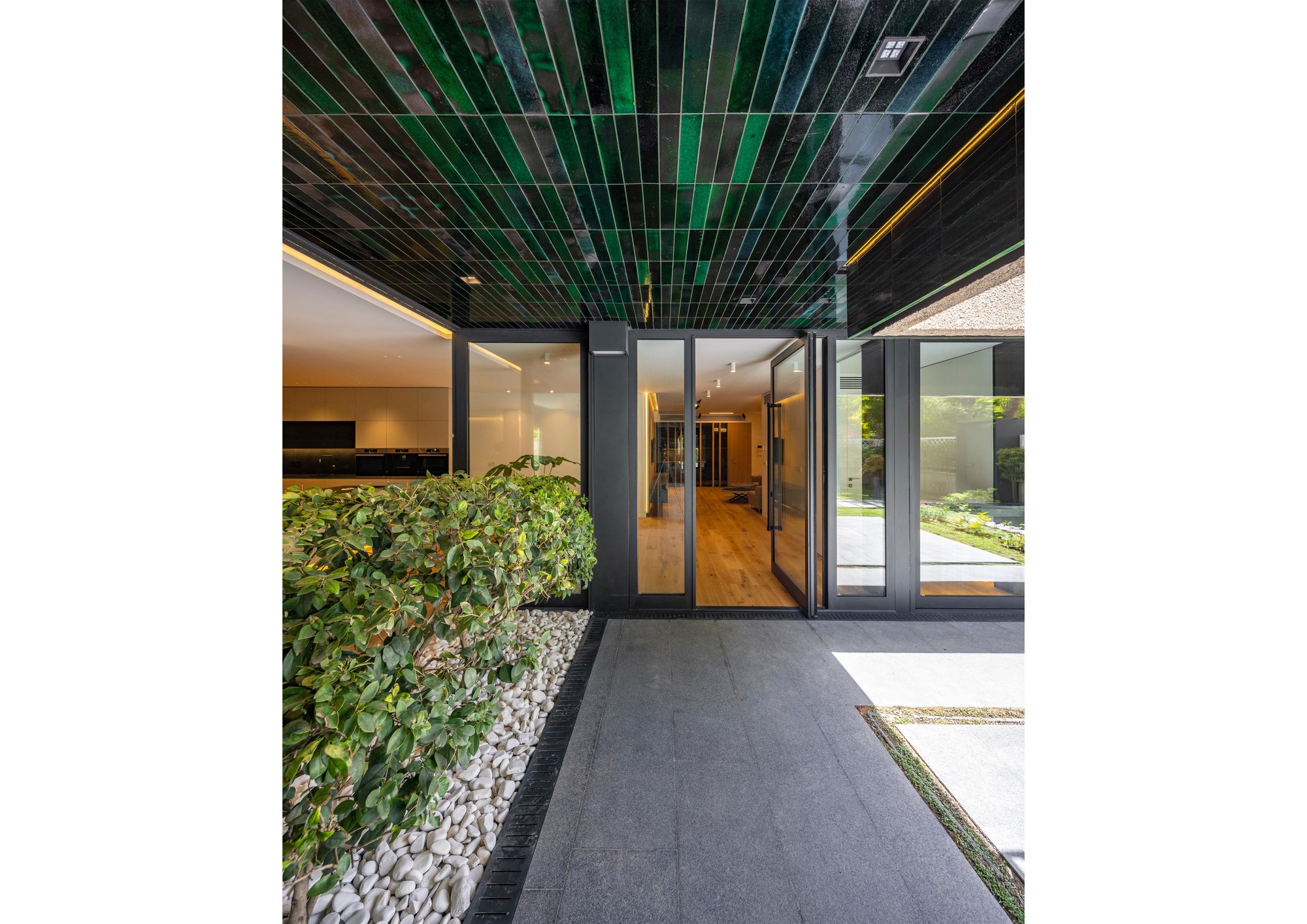
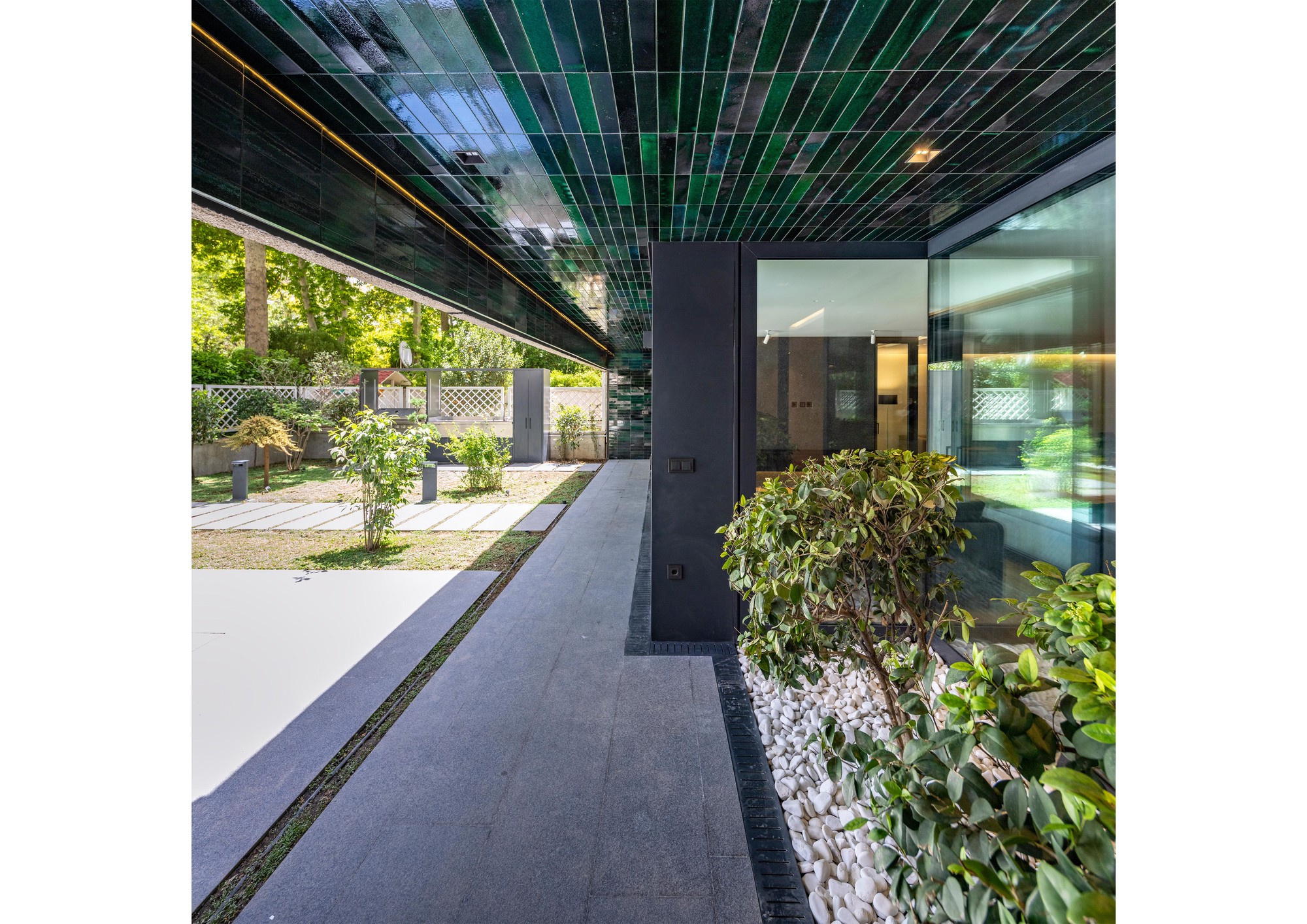
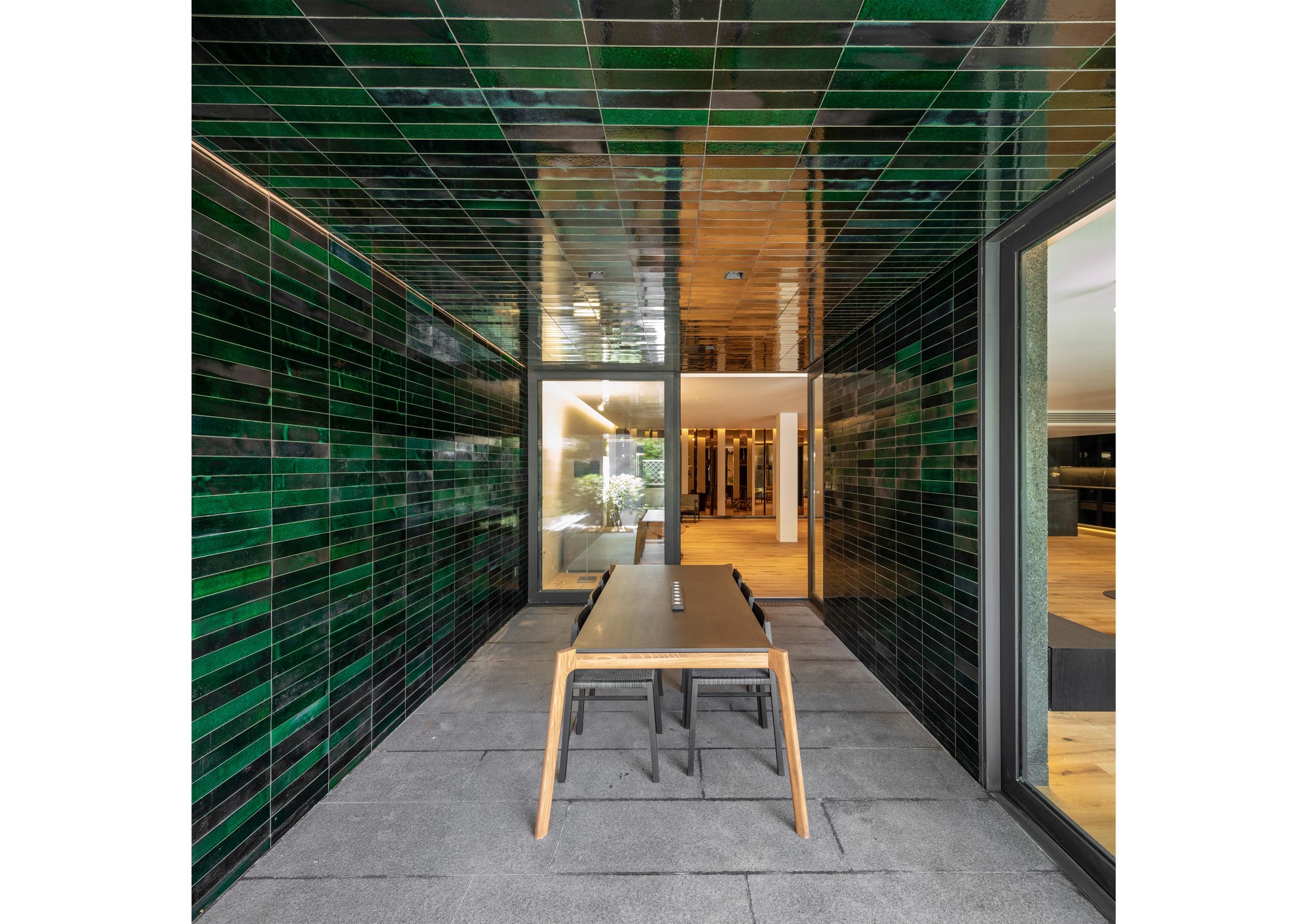
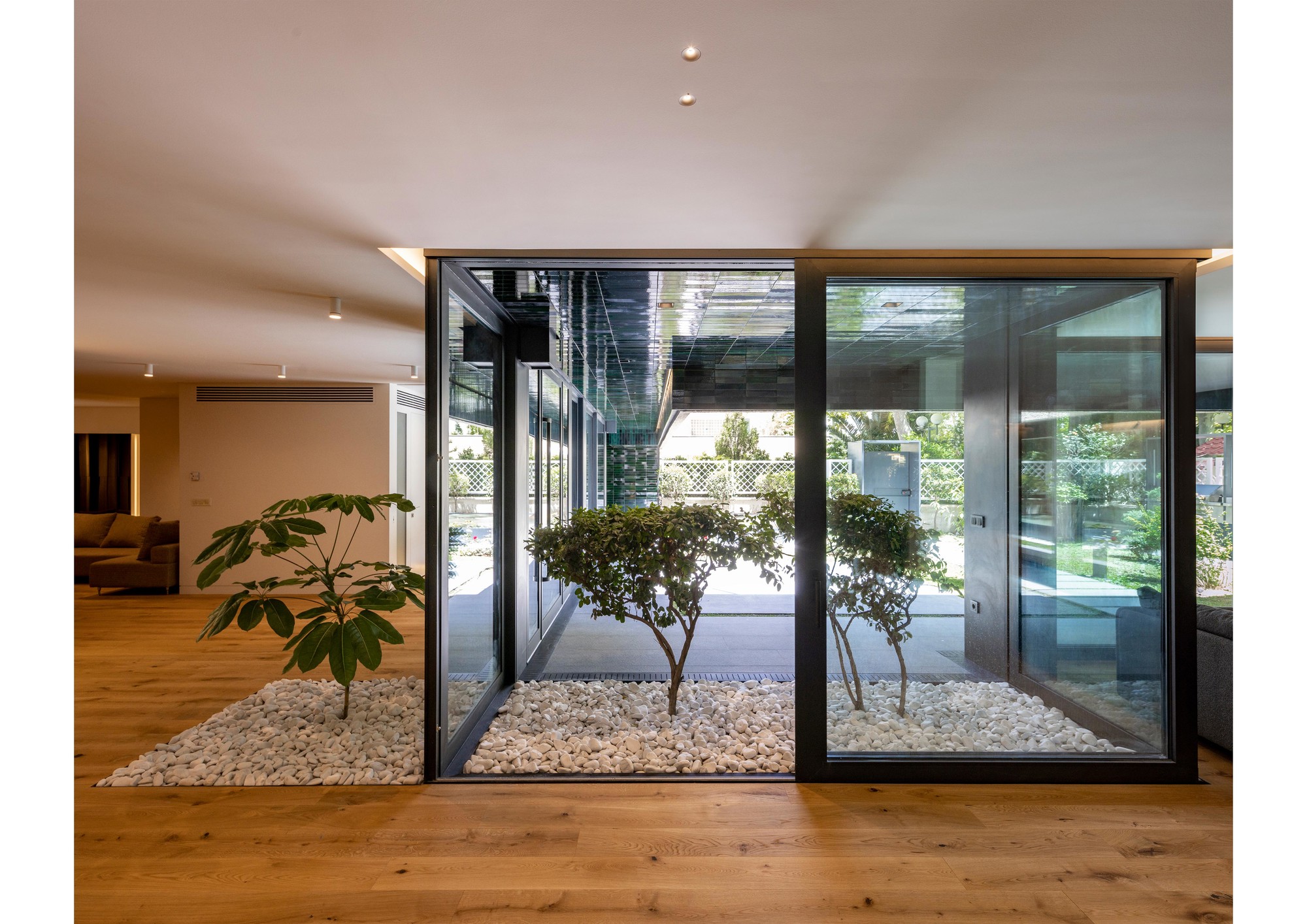
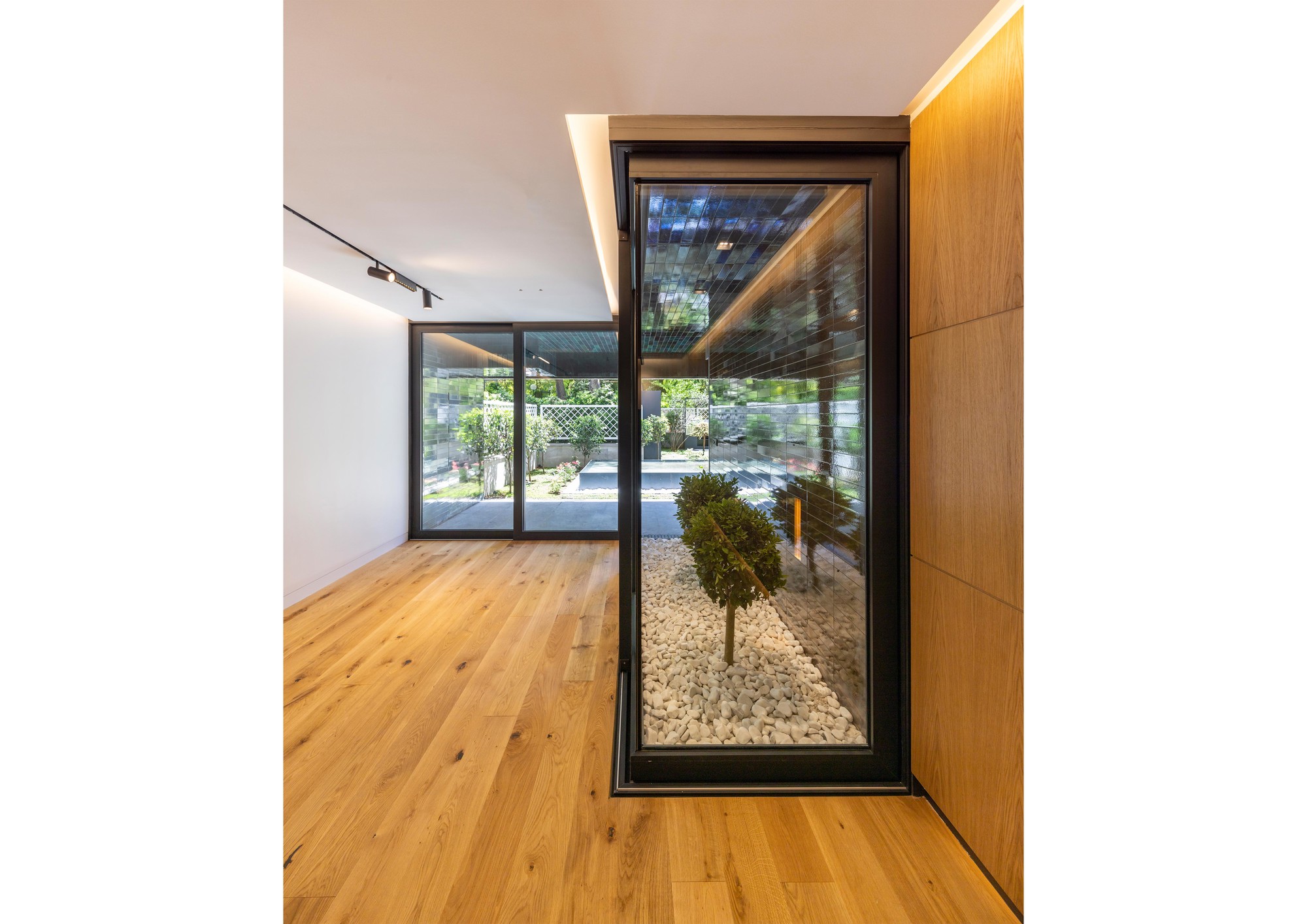
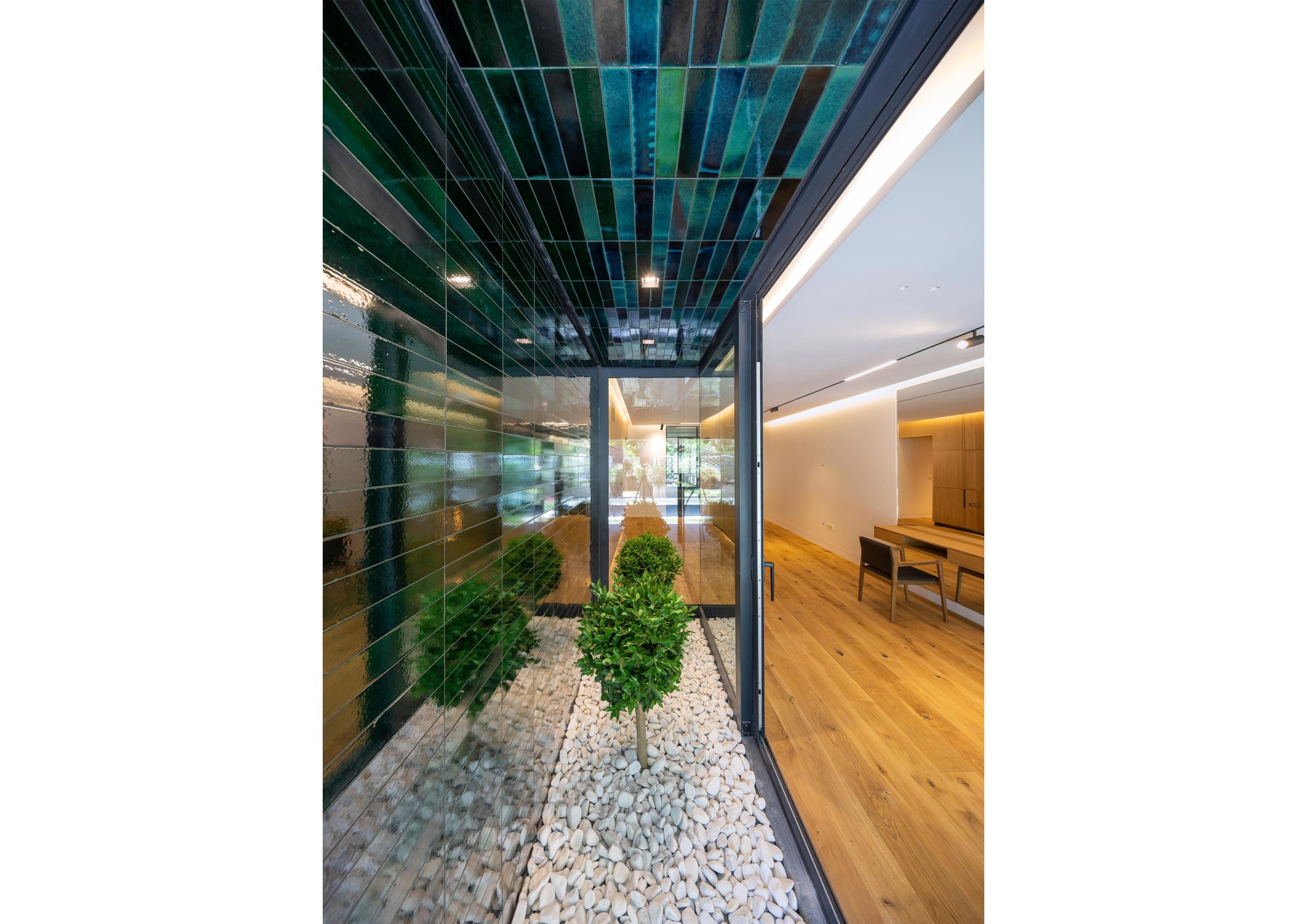
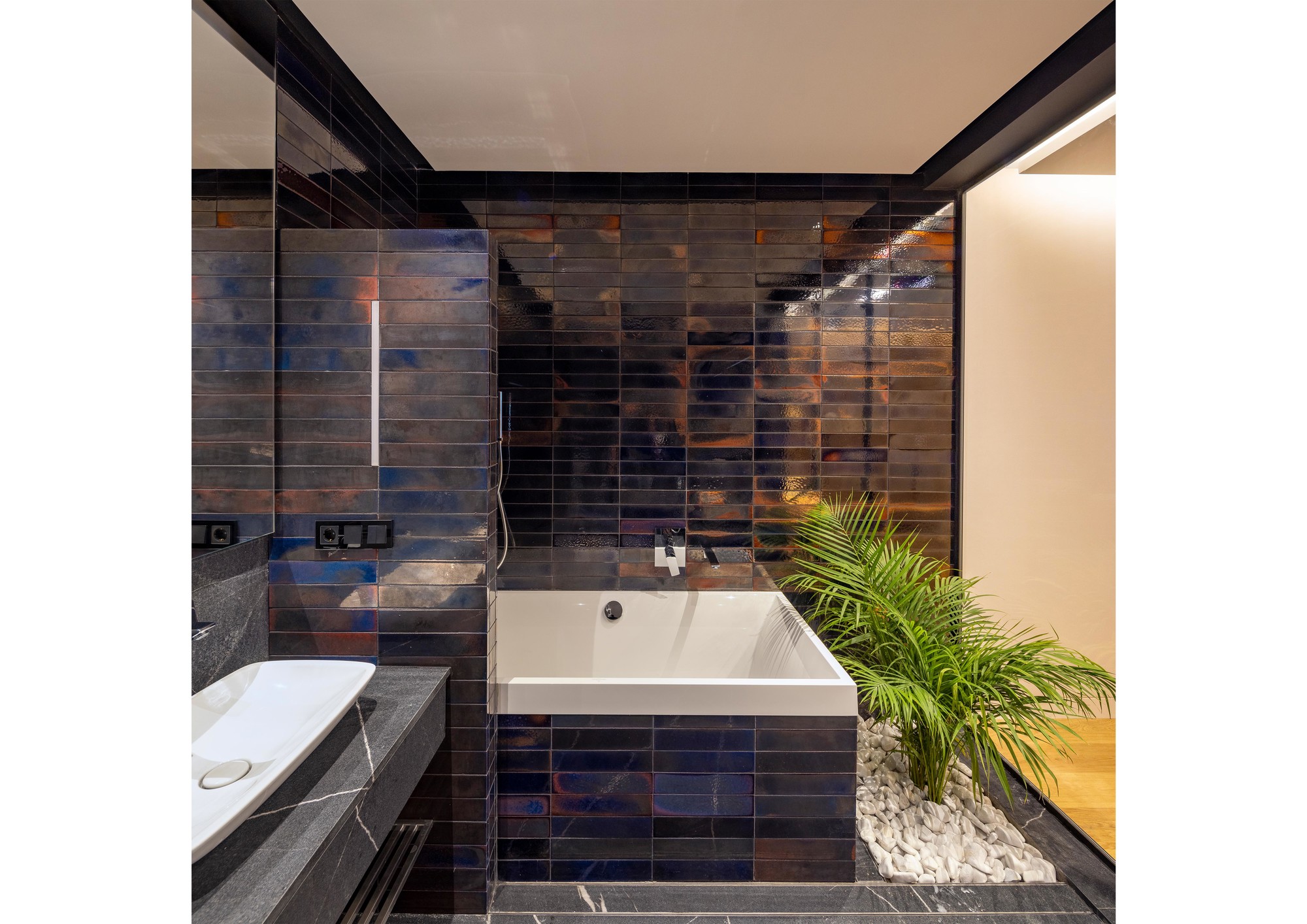
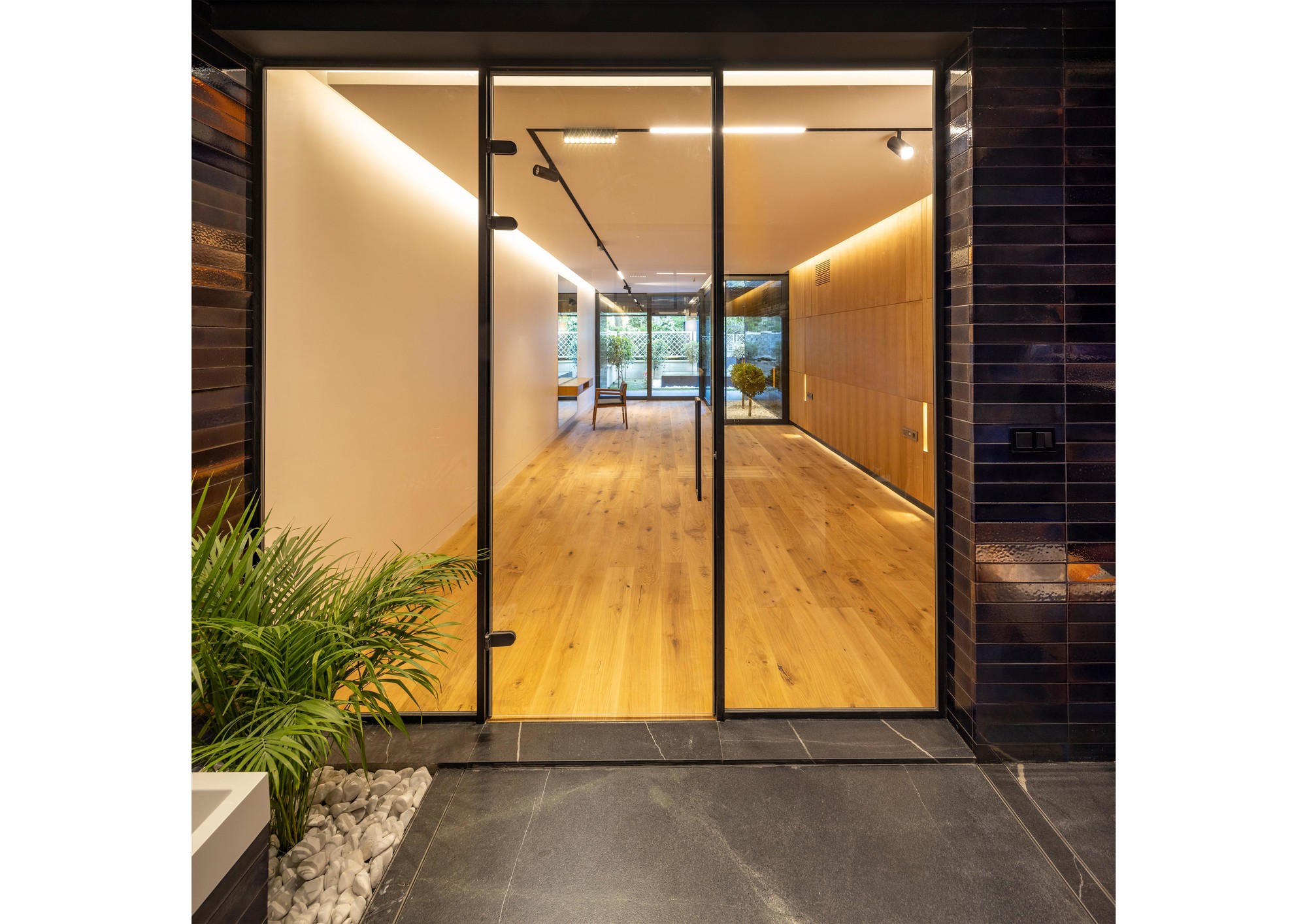
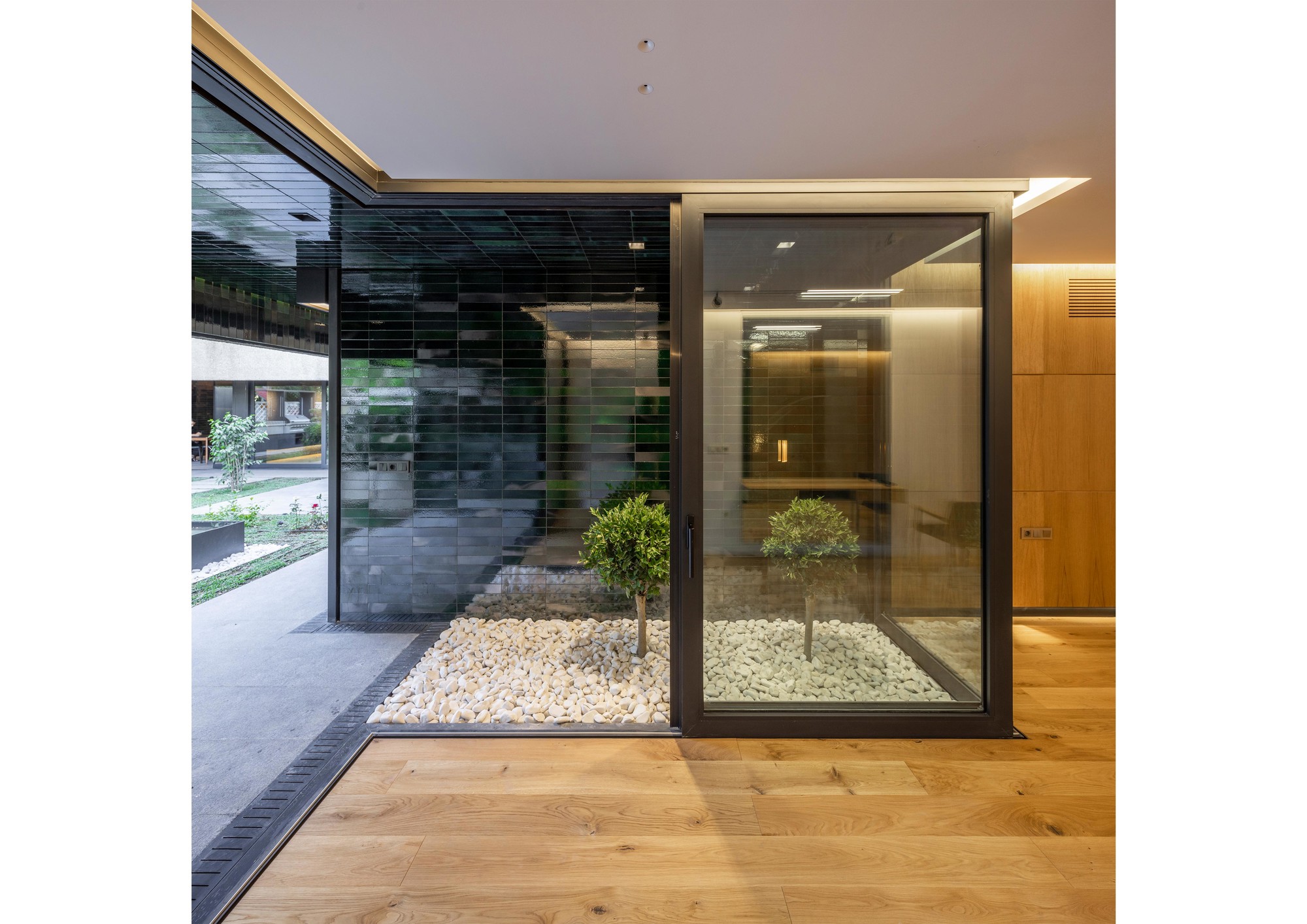
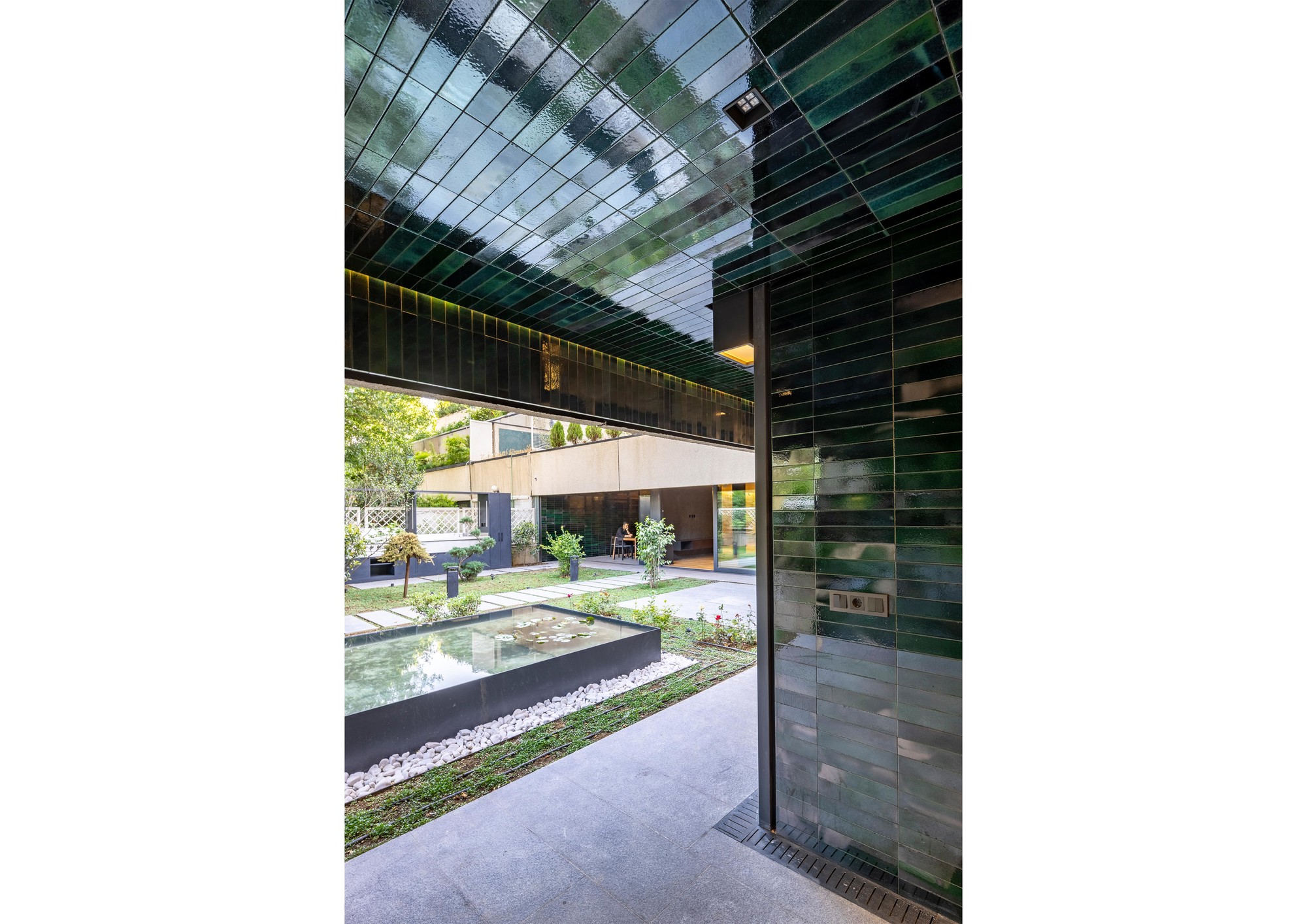
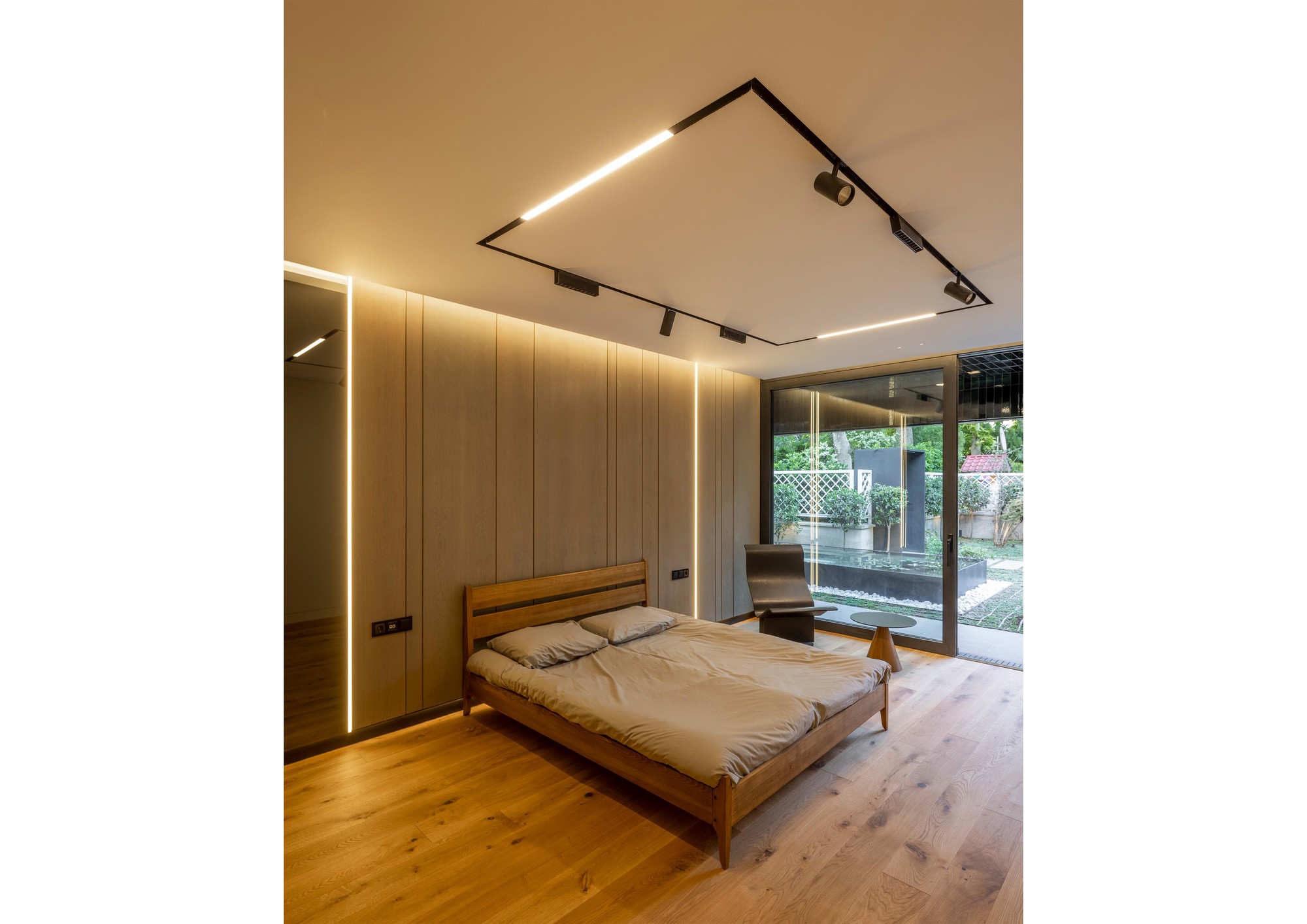
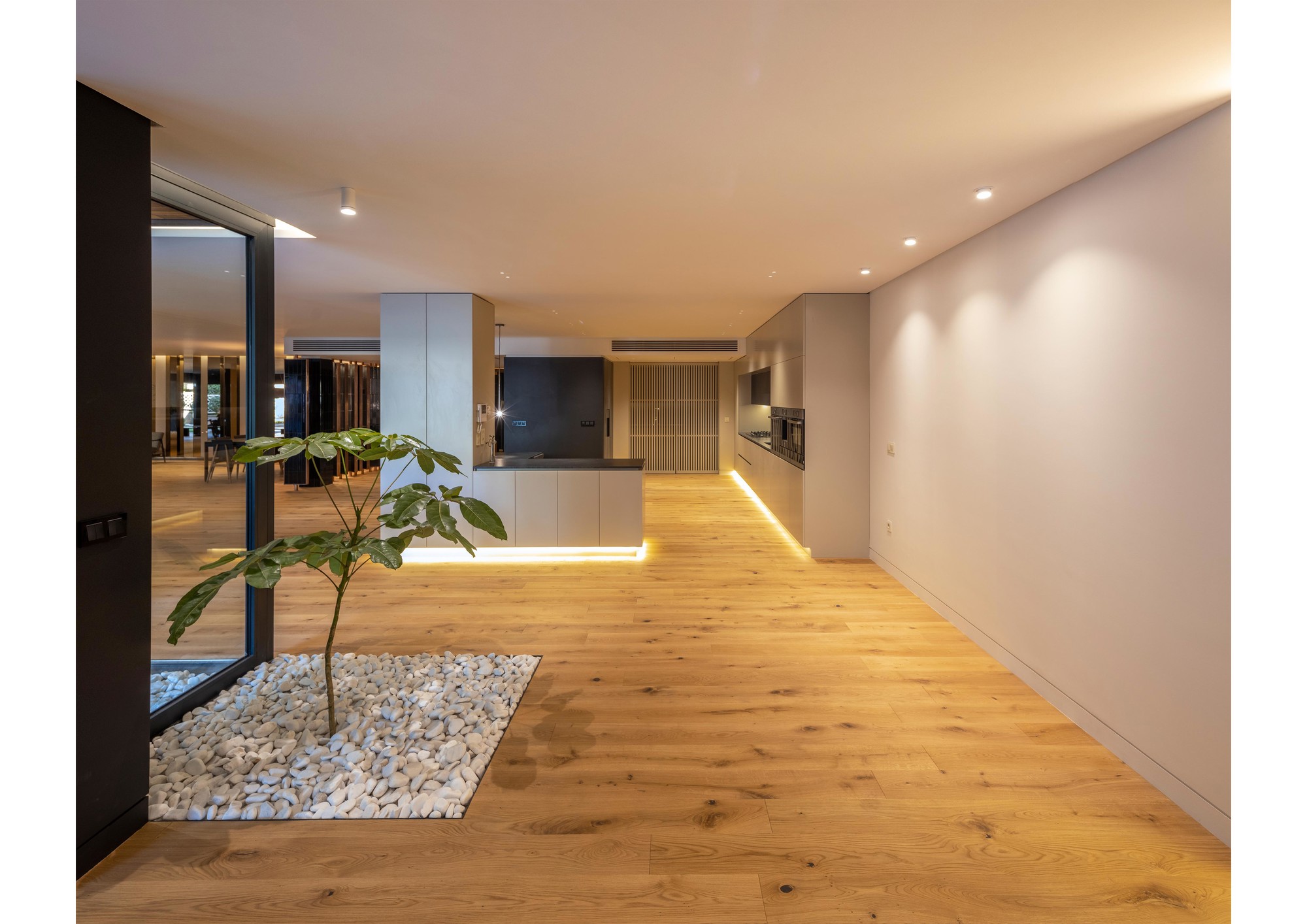
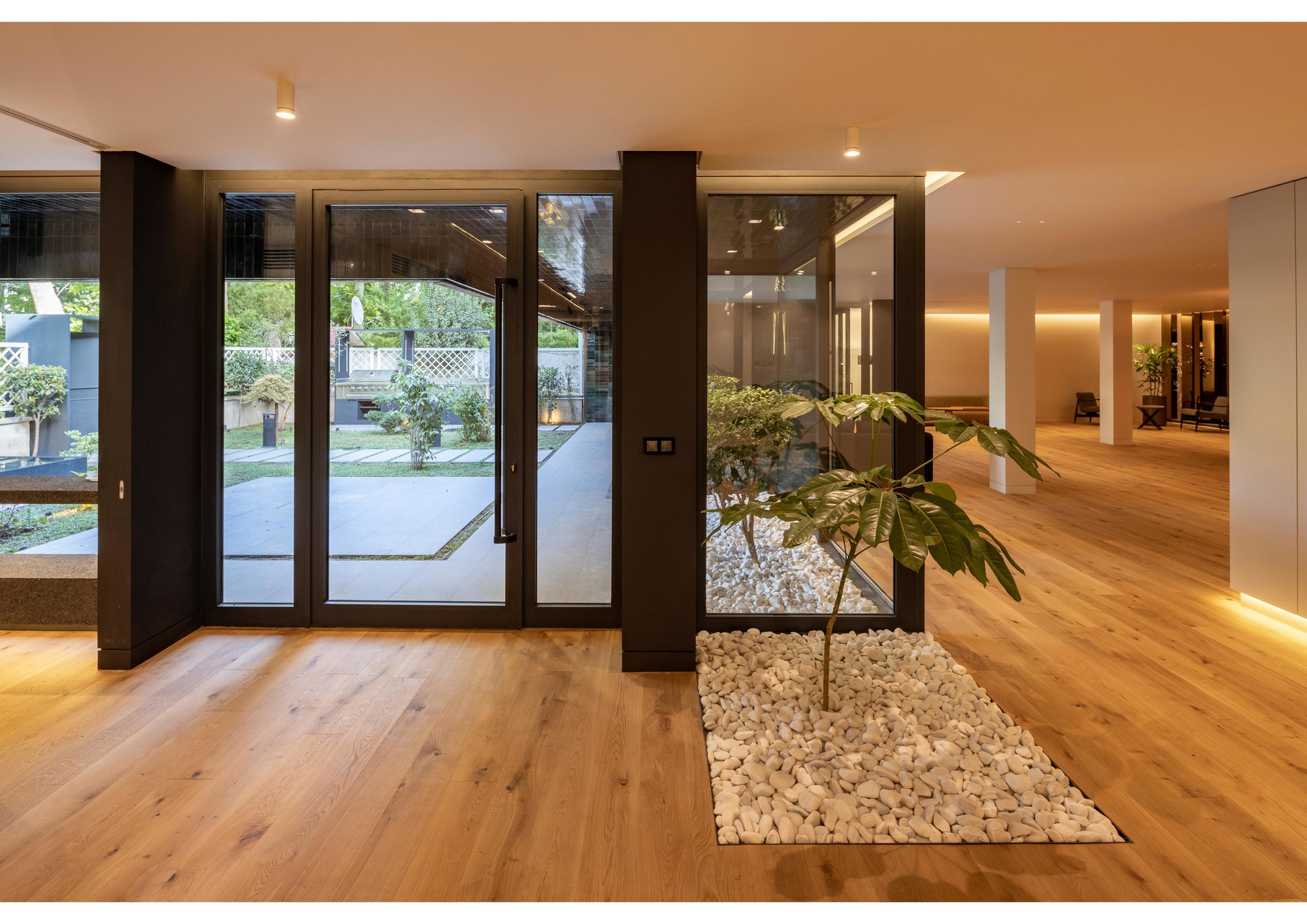
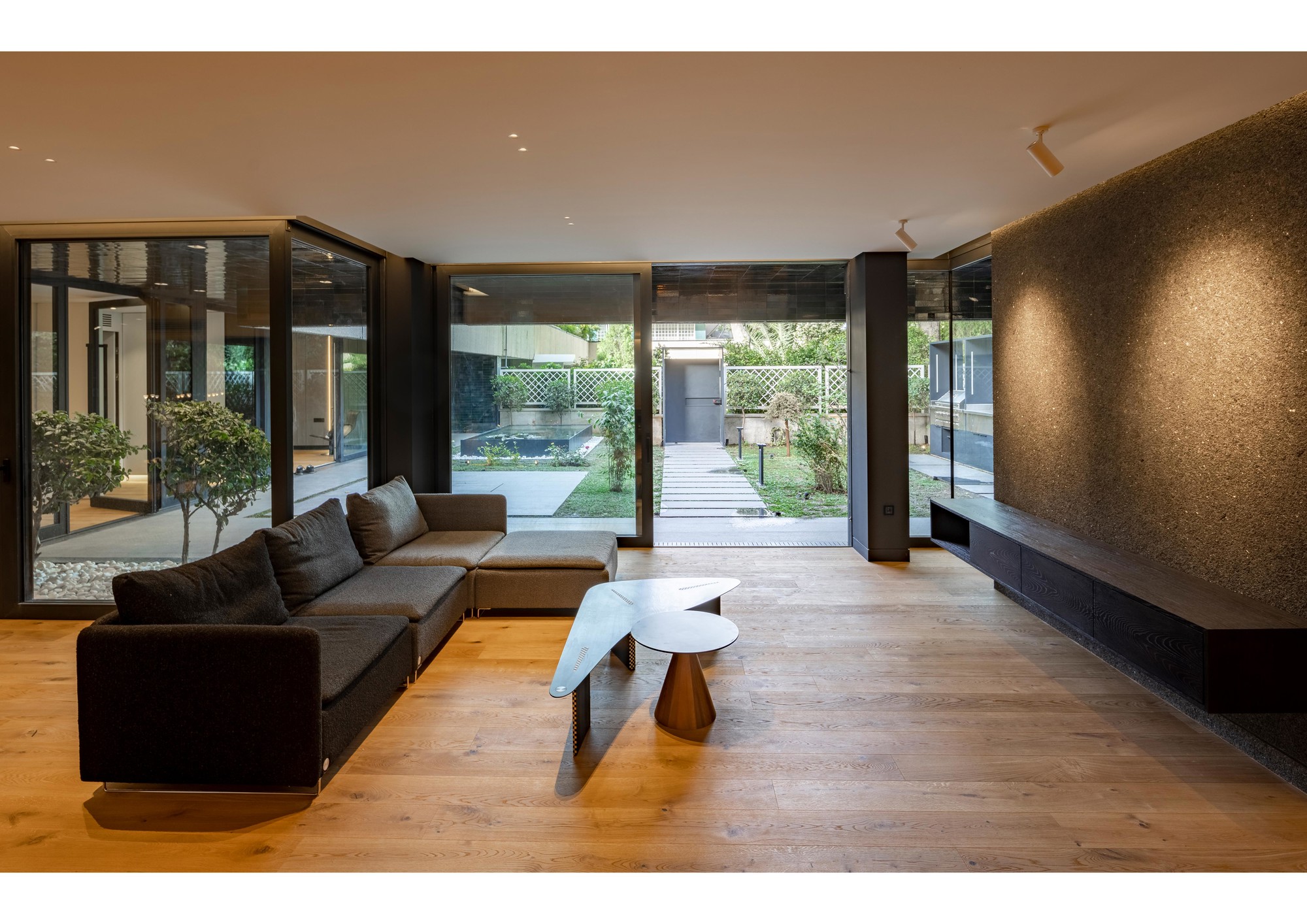
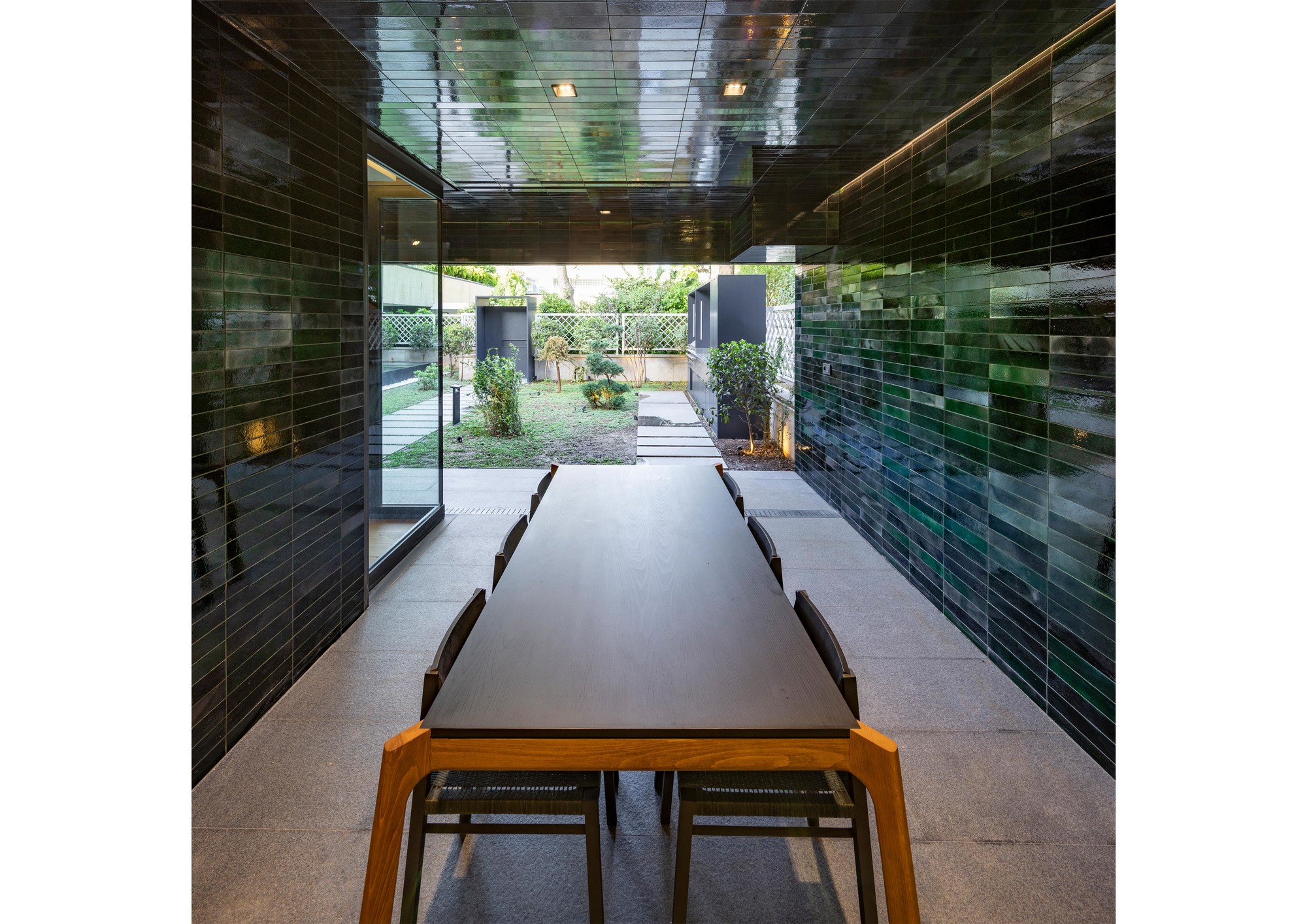
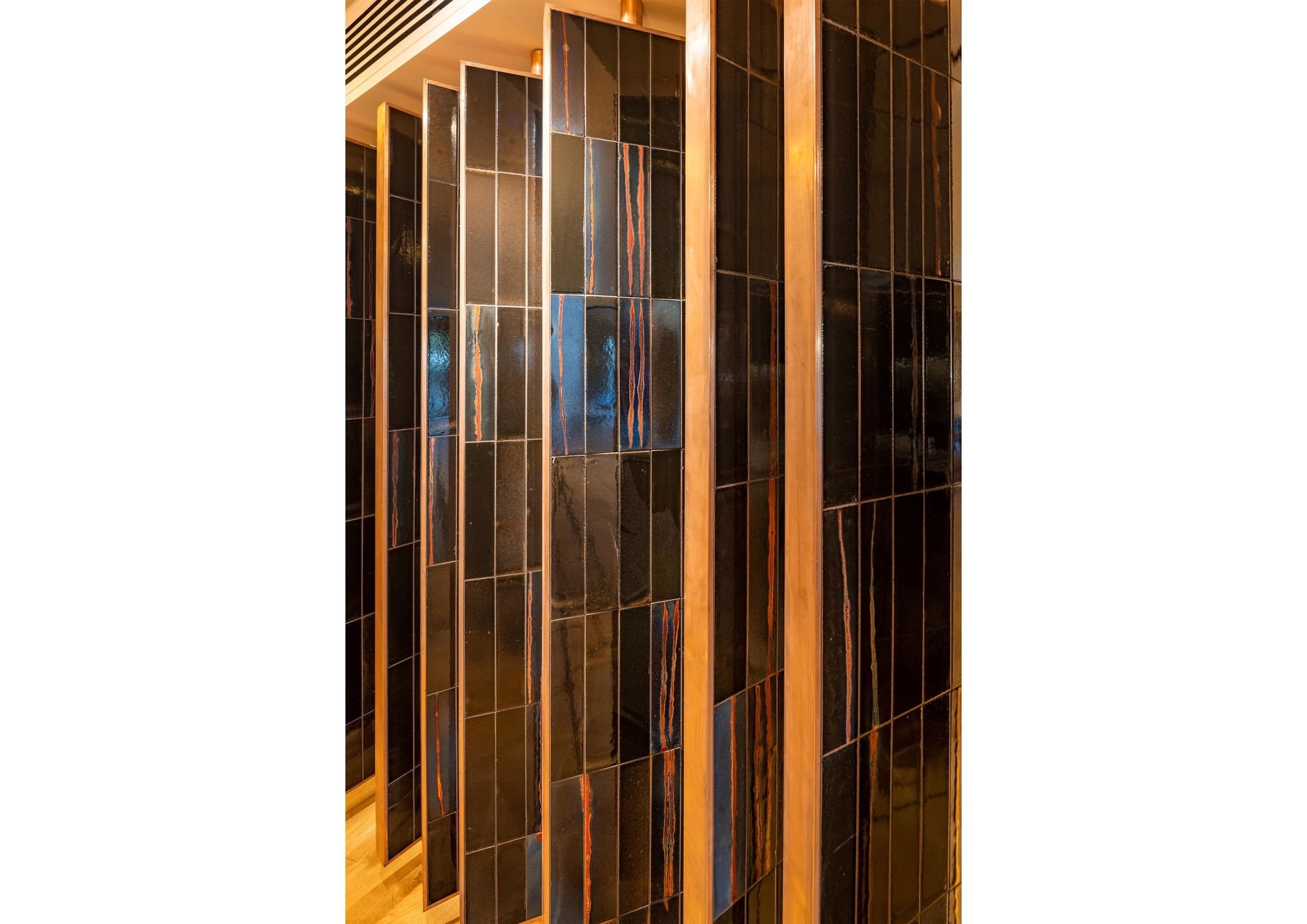
Renovation of Villa Unit 103 in ASP Towers The villa units within ASP Towers are considered one of the few successful architectural models built in Iran, where residents rarely intend to leave and strive to maintain these villas whenever possible. Given the current limitations of Tehran, villa-like qualities are rarely found in urban complexes or within the city’s fabric. ASP Towers, as one of the city’s historic urban spaces, hold a significant place in Tehran’s collective memory. Over time, many villa units within this complex have undergone renovation due to aging. The unique lifestyle offered by these villa units, combined with their diverse amenities, has created an exceptional living experience. Project Statement The project idea originated from the connection between the courtyard (outside) and the house (inside), with a strategy focused on expanding the interaction between the limited courtyard and the lightwell boundary. Consequently, the main question posed was: How can a rigid boundary be transformed into a dynamic and multidimensional space? Additionally, how can the courtyard space be separated from the house while turning the boundary into an intermediate (mediating) space? Mediating Space The intermediate space can play a developmental and mediating role in enhancing the relationship between the interior and exterior, addressing the diminished quality of such spaces. This space acts as a reflective yet abstract representation of the qualities of its adjacent areas. Functionally, the intermediate space serves as a green area, a semi-open zone, and a defining feature for the entryways. It establishes the connection between the outside and inside of the project. By analyzing the existing plan and addressing identified needs, the renovation sought to resolve several weaknesses, including: • Limited interaction between indoor and outdoor spaces. • Insufficient light penetration into deeper areas of the villa. • Lack of privacy for the courtyard space from upper apartments. • Poor cohesion between public, private, and courtyard spaces. The interior spaces were reorganized into three zones: courtyard, intermediate space, and interior. This organization was achieved through the mediating space. The interior design emphasized reflecting the exterior in areas where indoor spaces terminate, using reflective surfaces such as angled mirrors in some sections. In other areas, glass partitions were used to separate and define spaces while maintaining visual continuity. Material Concept The material selection reflects the unique identity of the glazed green-blue tiles characteristic of ASP Towers. These tiles, a distinctive and shared feature of the common areas and villa units, were used as a primary design element. Additionally, efforts were made to enhance the reflective quality of the space by incorporating the green-blue color palette in glazed materials, reinforcing the abstract interaction and merging of interior and exterior spaces.