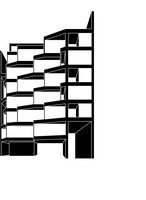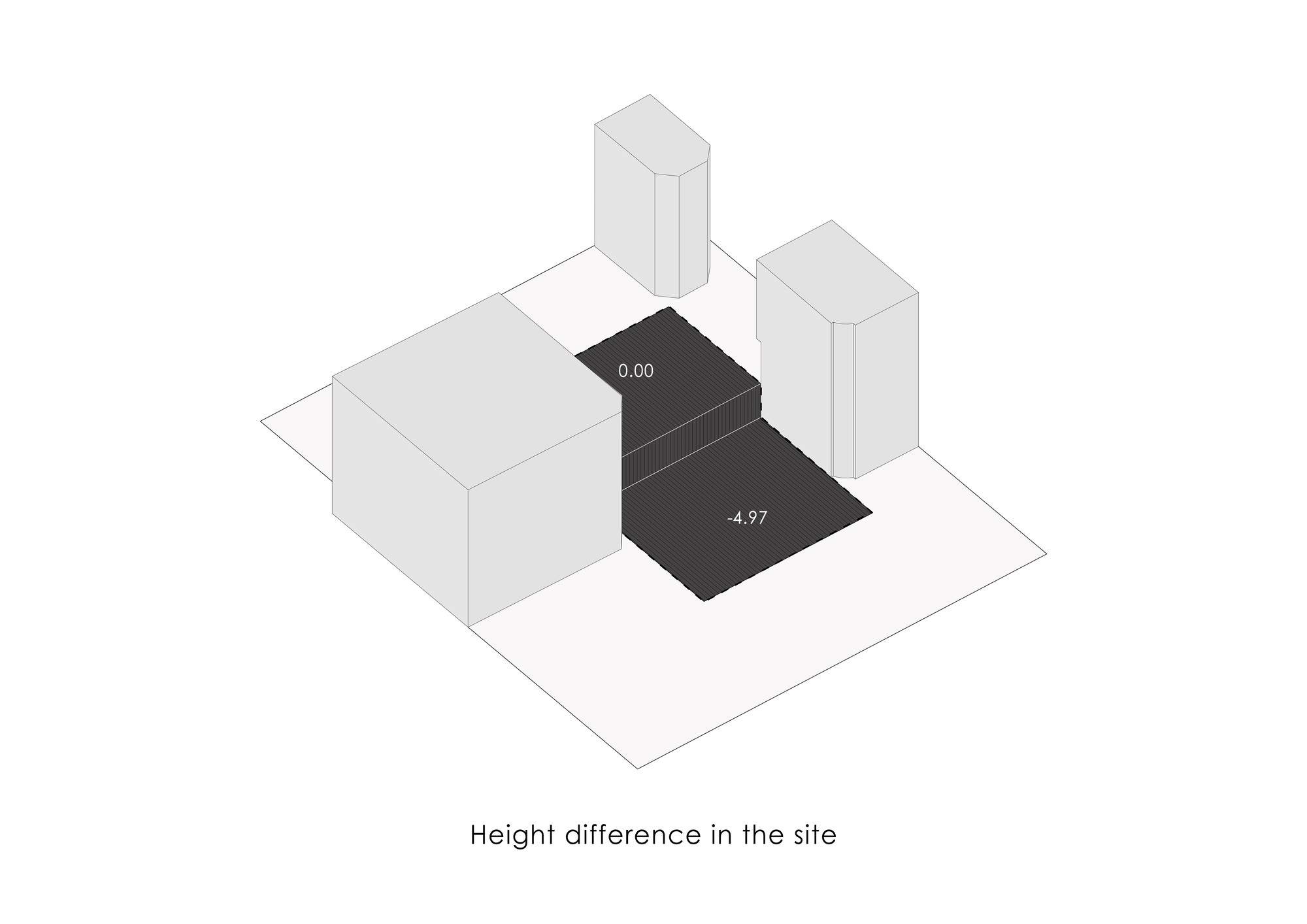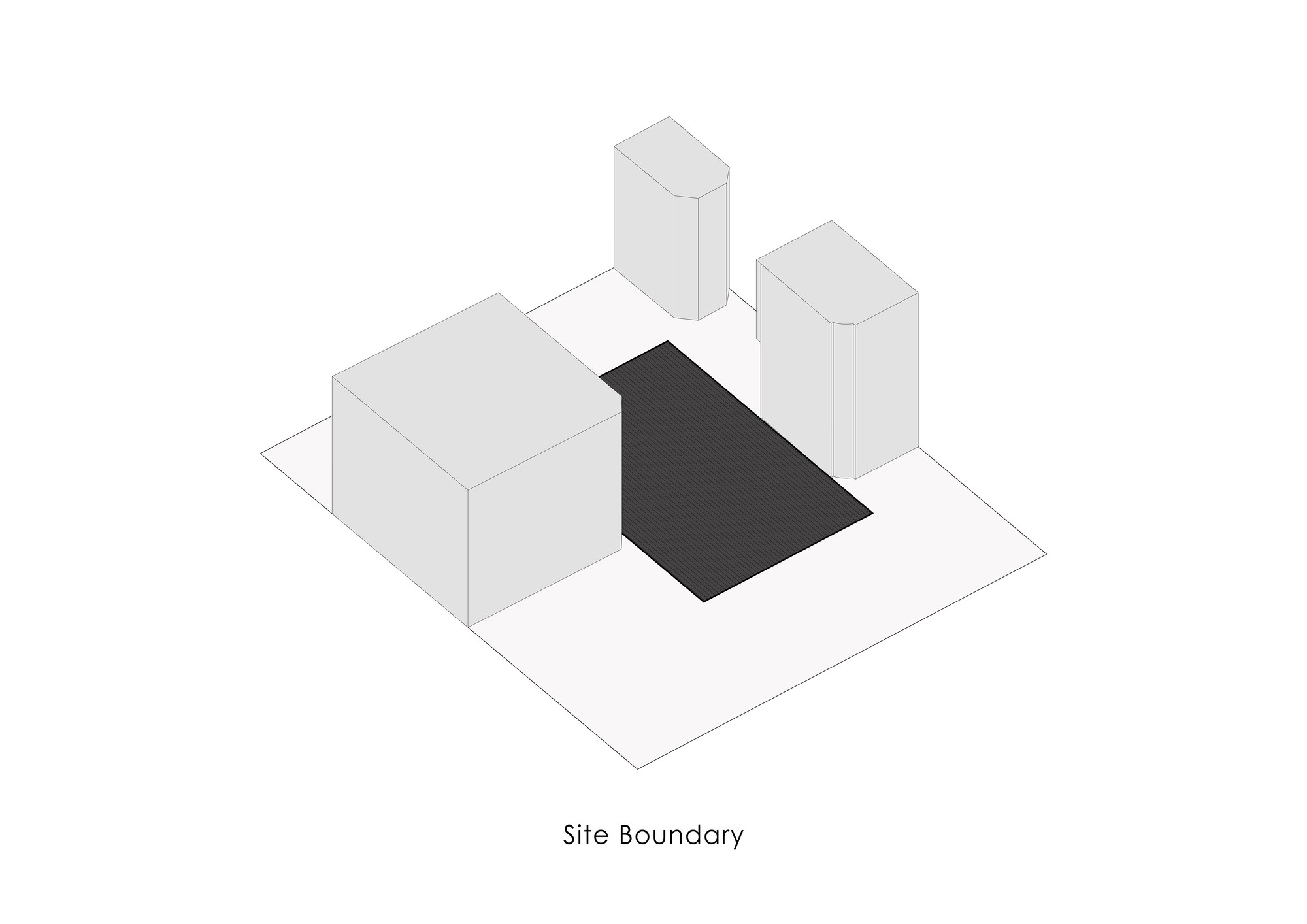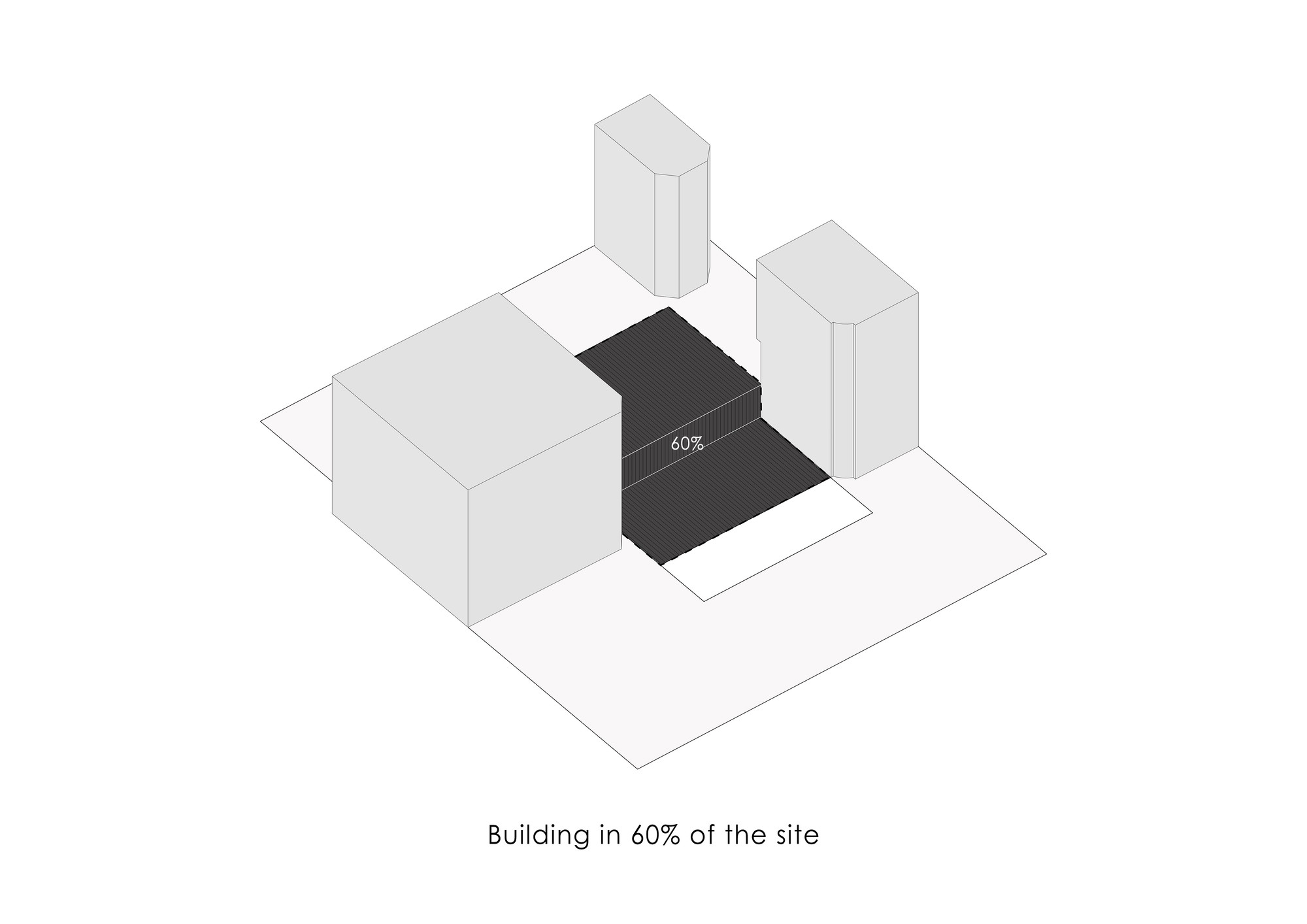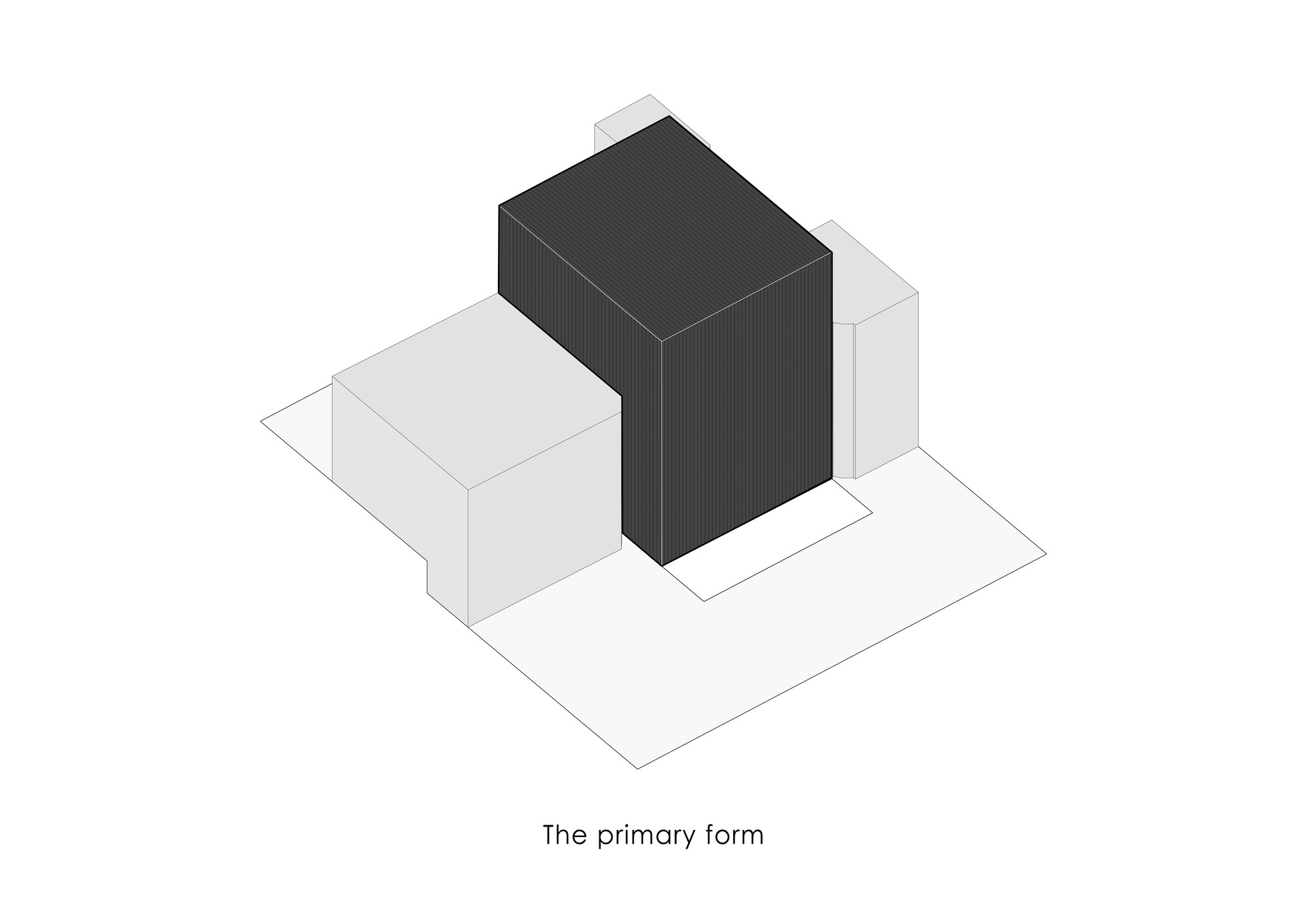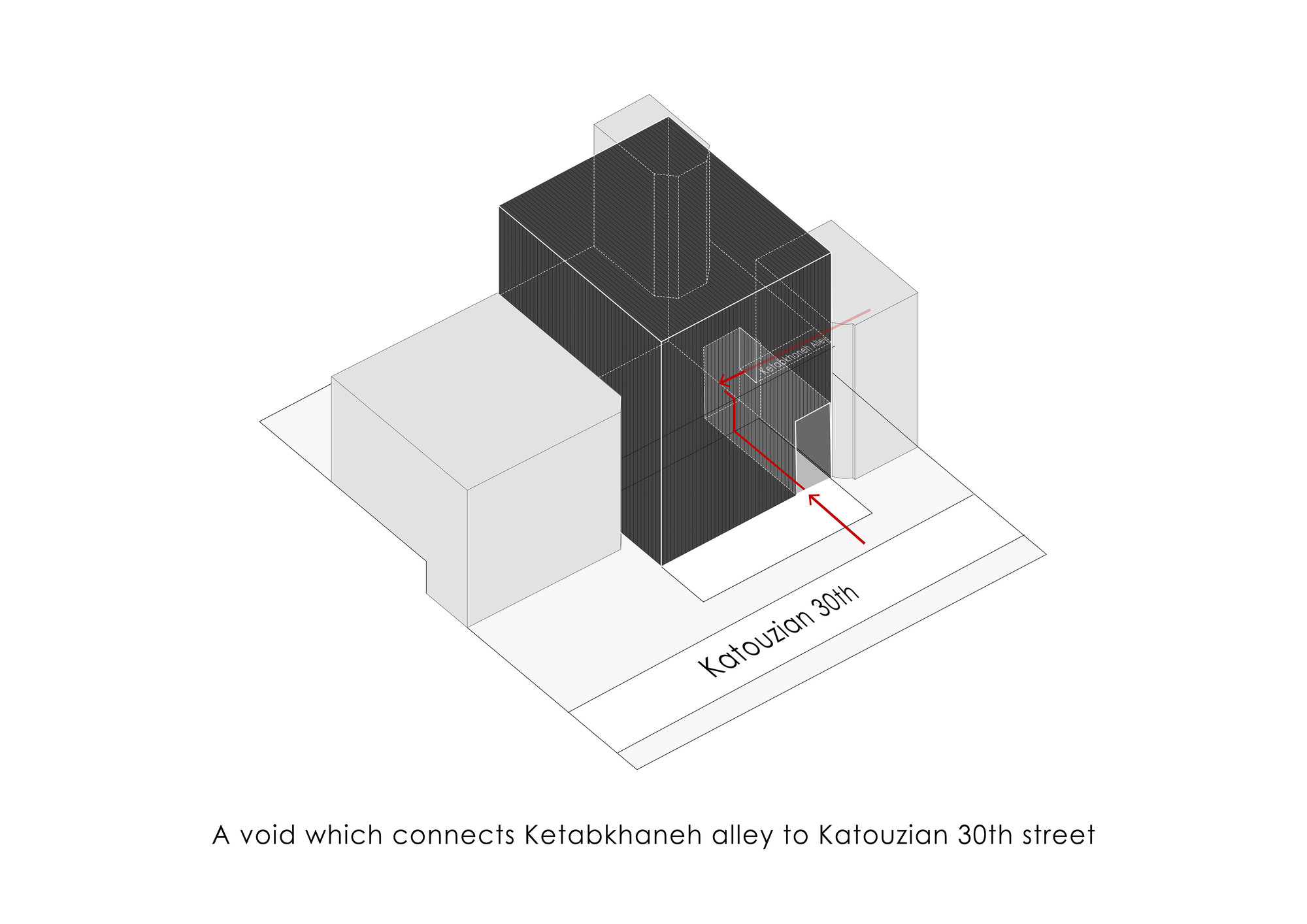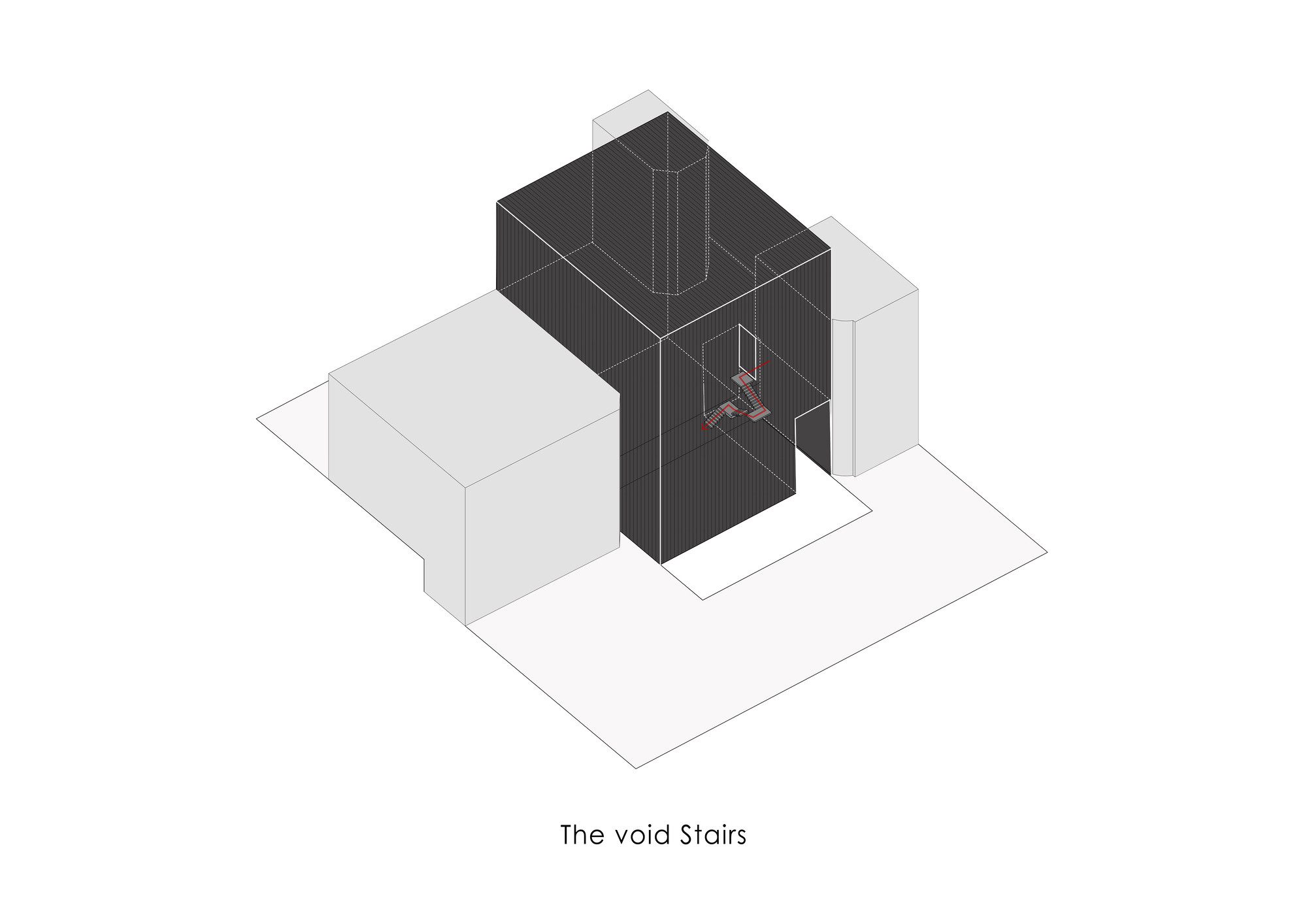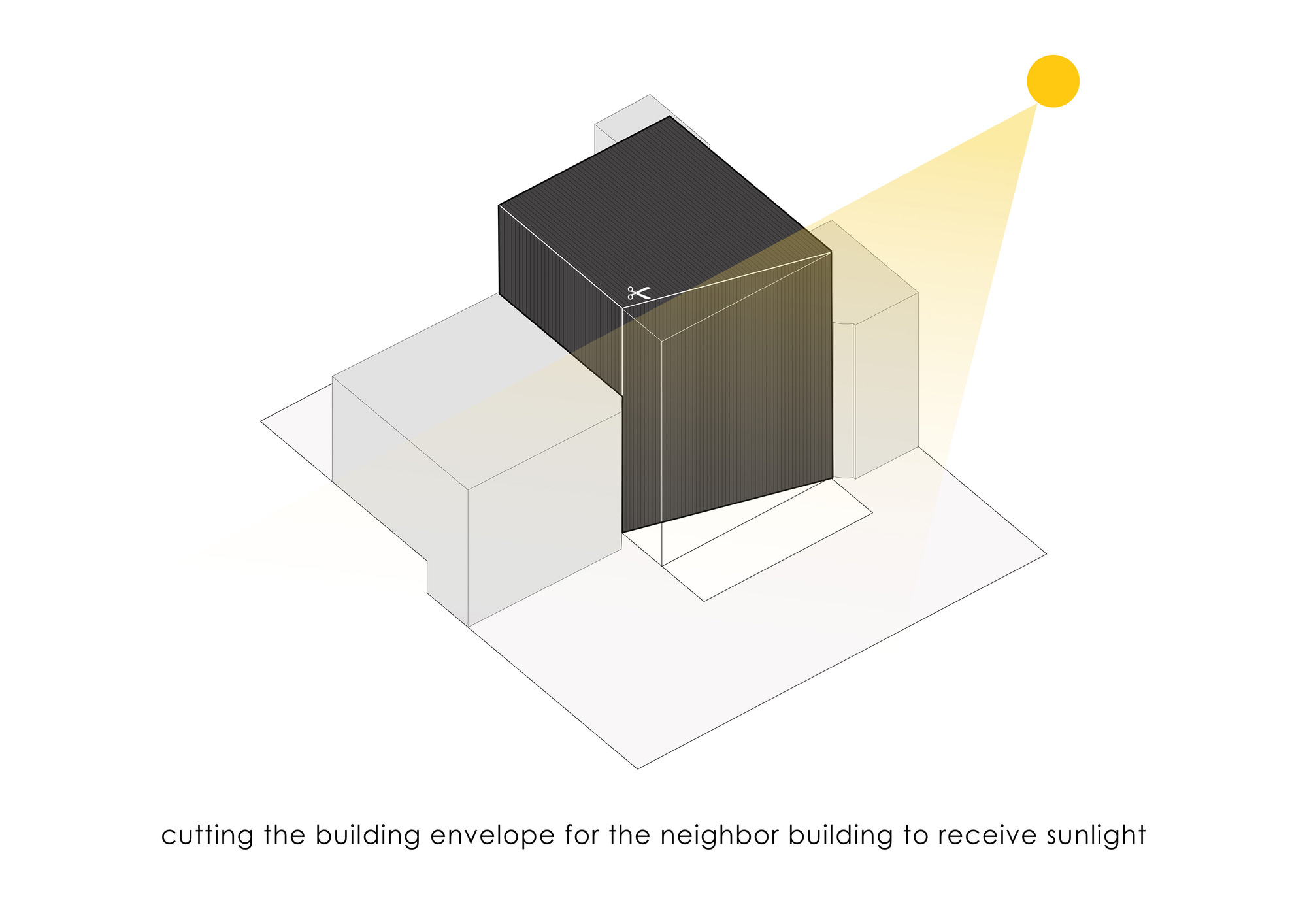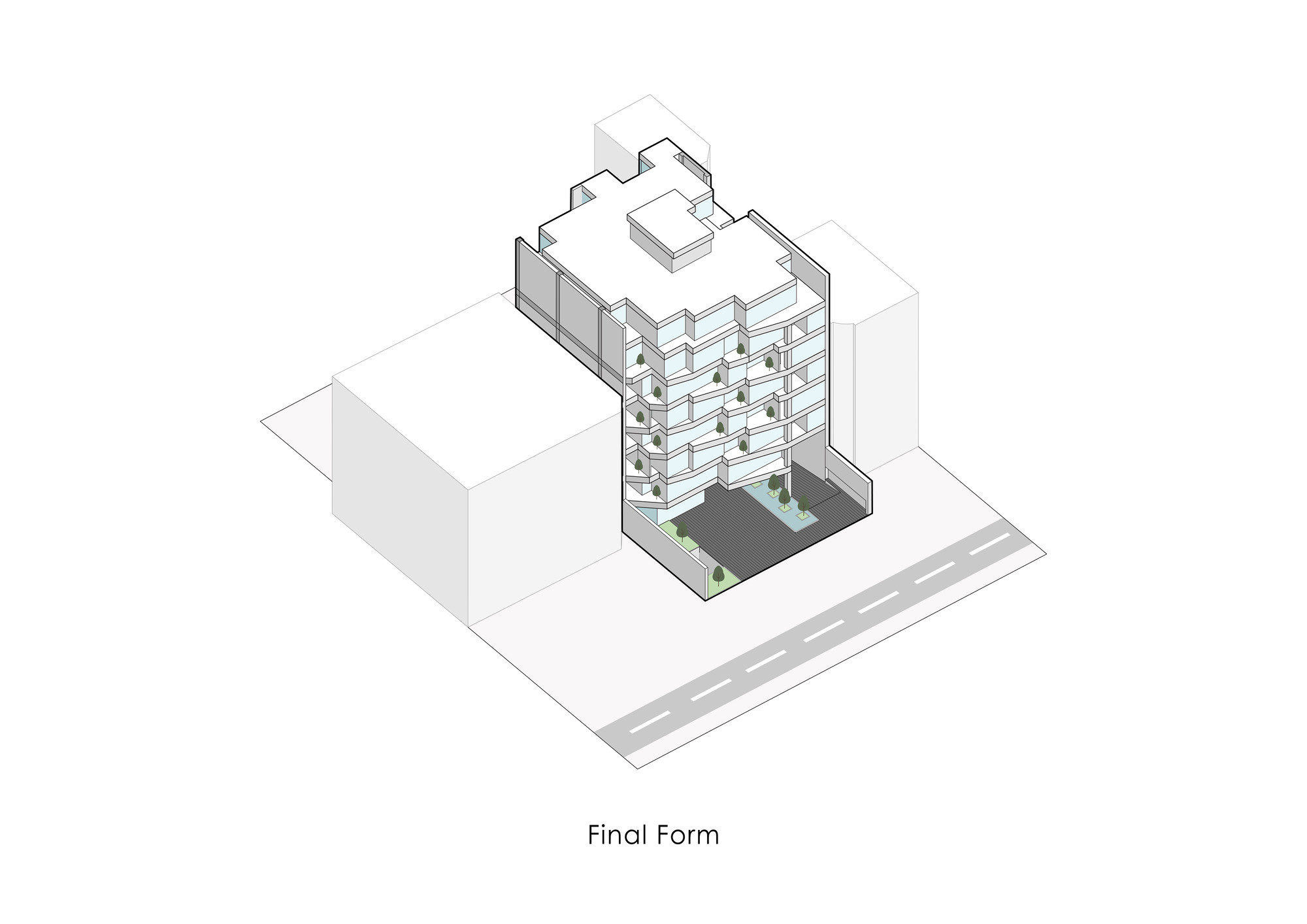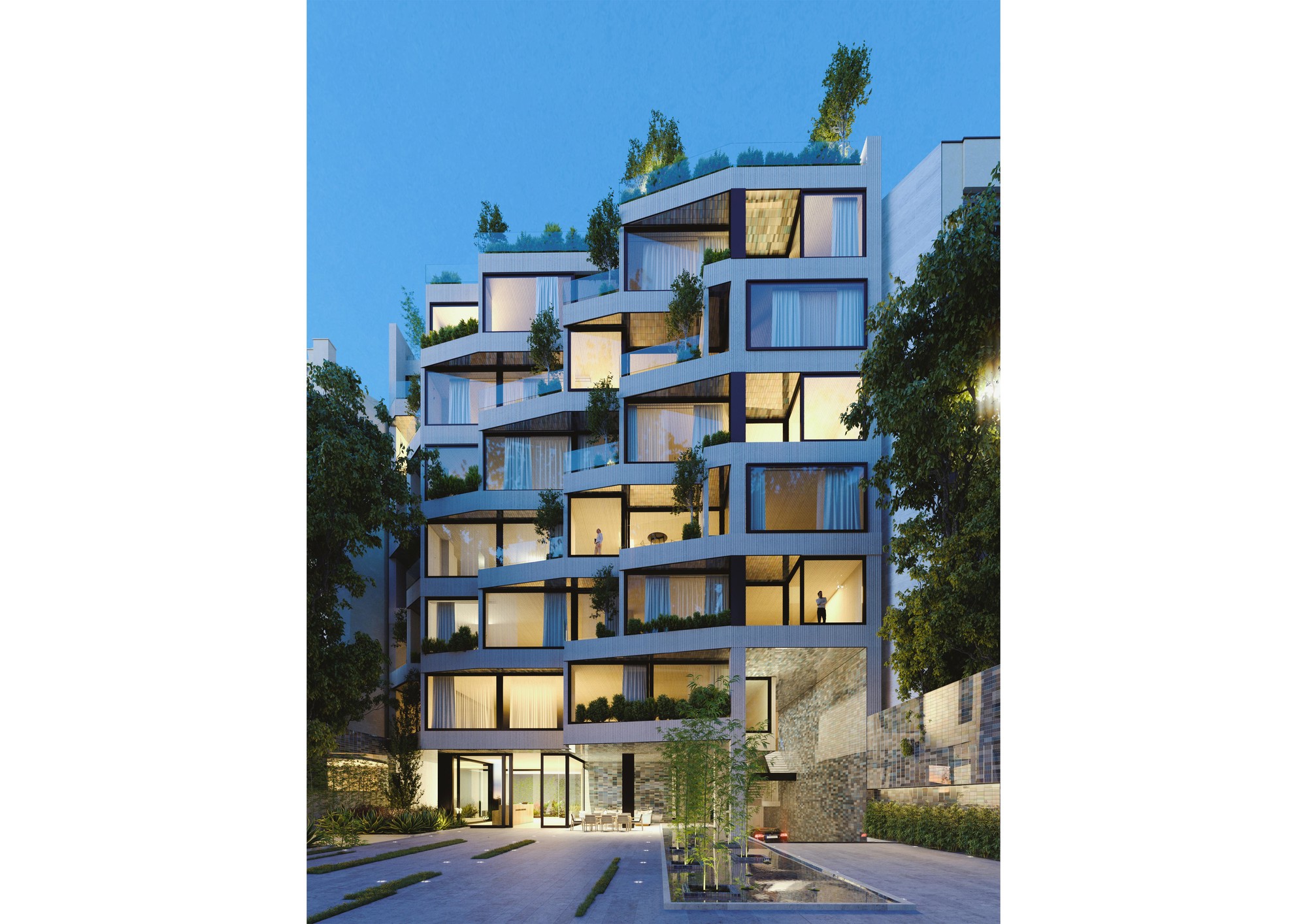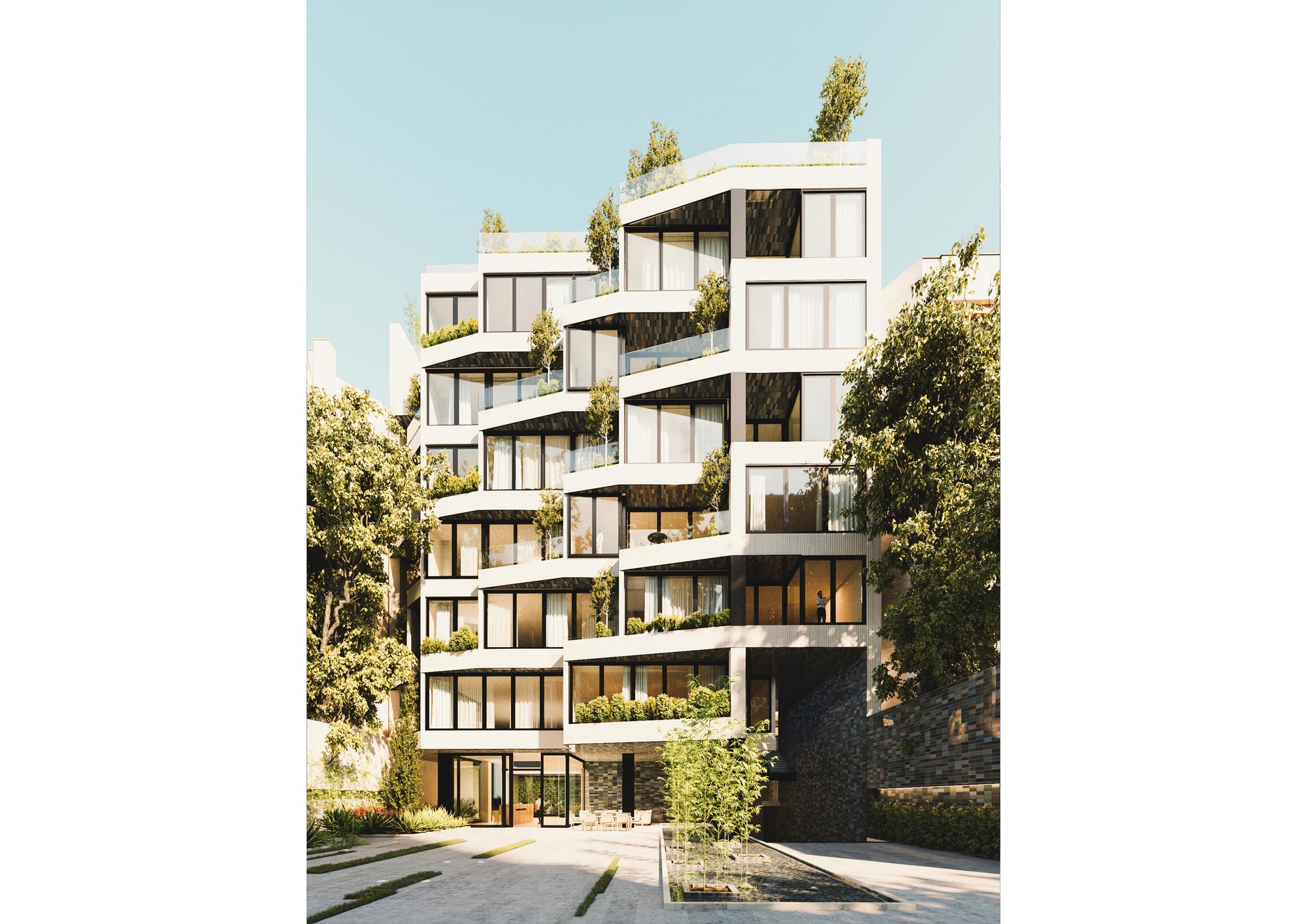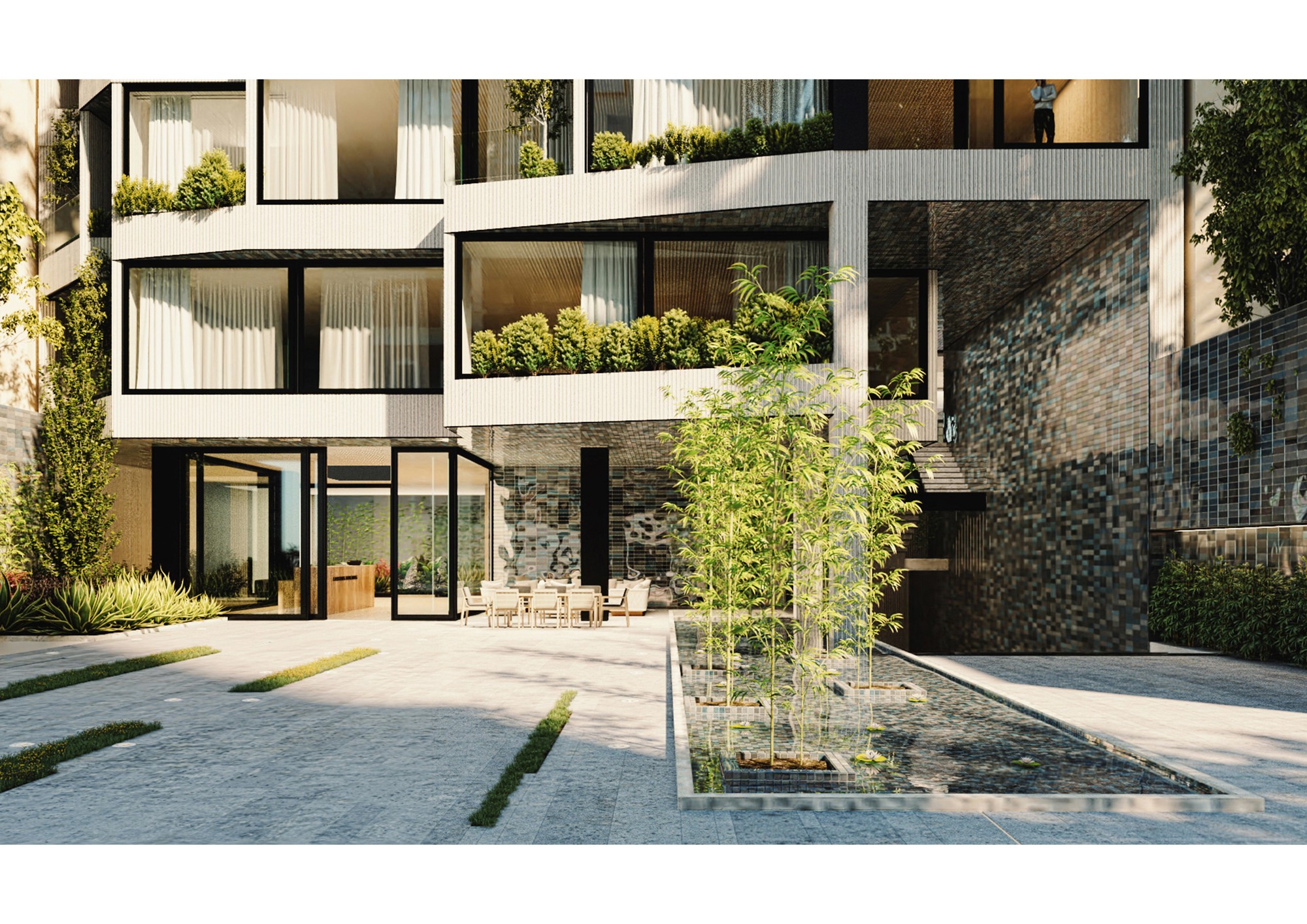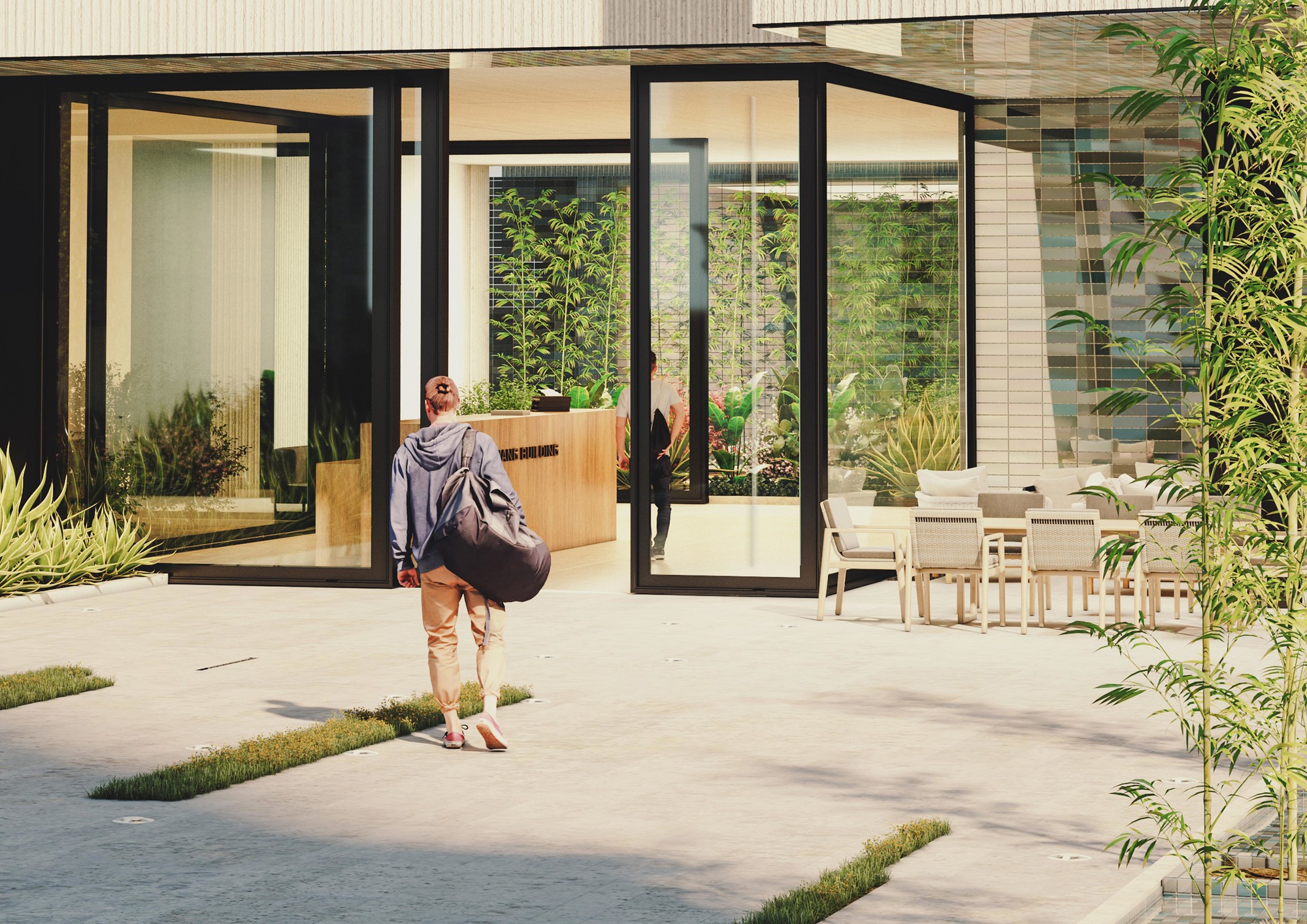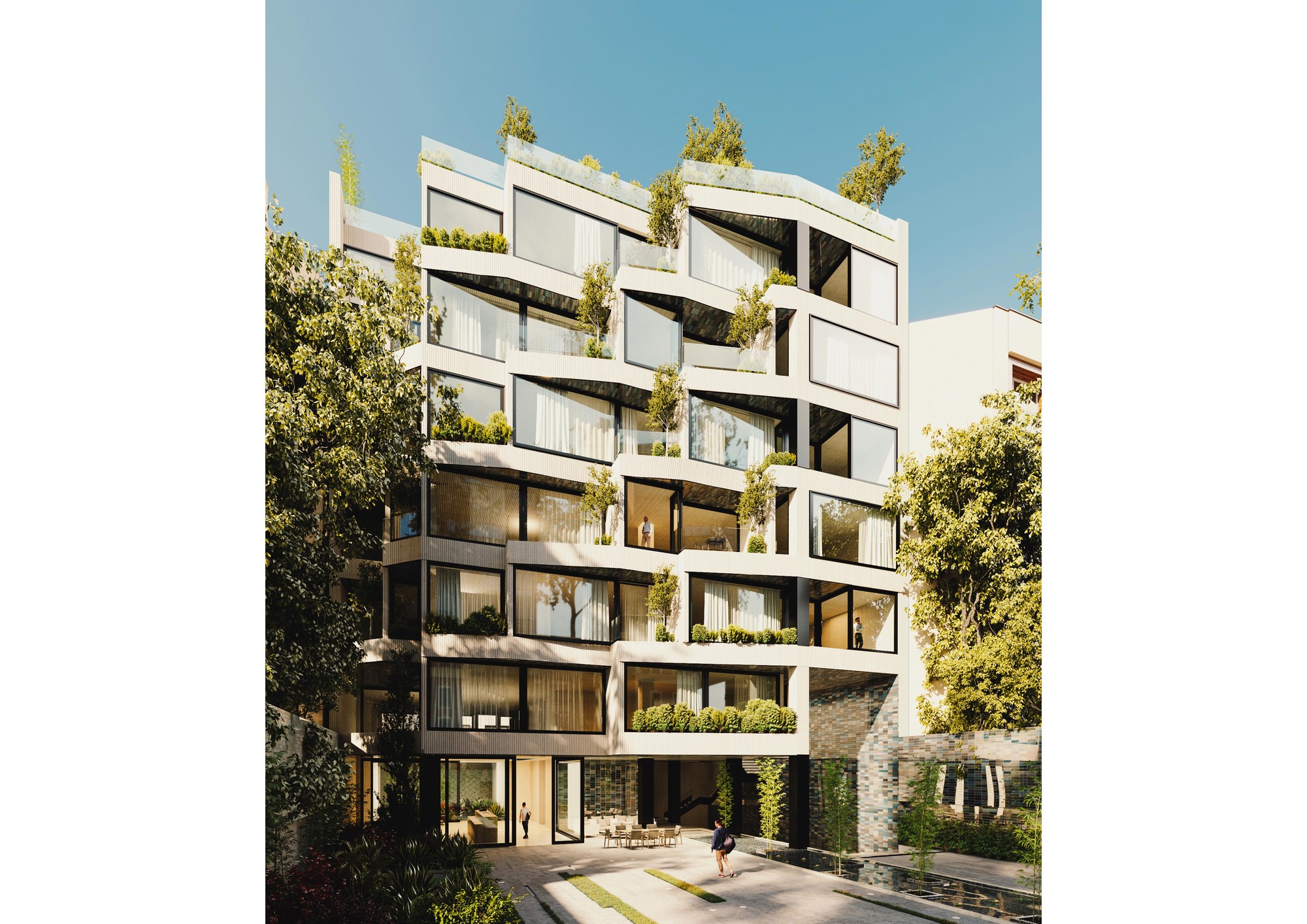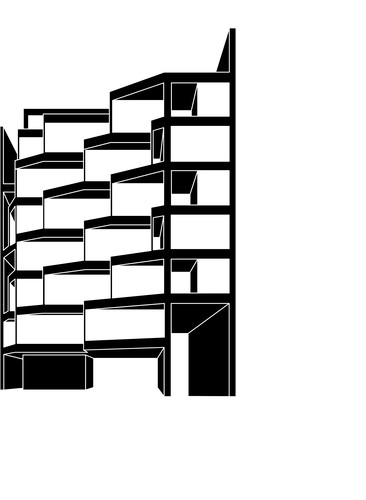

Farhang Residential Building is an infill project located in Tehran. Over the years, HOOBA Design Office has focused on developing adaptable apartment patterns that address various urban regulations, materials, modern living patterns, sustainability, and other relevant issues. Projects are shaped by their site-specific conditions, transforming these factors into parameters for rethinking and innovating conventional apartment design patterns. These parameters act both as opportunities and constraints within the project. The primary challenge in such projects lies in revisiting standard methods in urban apartment design. We believe that redefining infill housing patterns, which constitute a significant portion of the country’s construction volume, is a critical architectural endeavor. In the context of modern urban development, the top-down approach of Iran’s urban master plans has led to suboptimal architectural patterns for residential apartments. Many municipal regulations require architects to critically review and adapt them to foster growth in residential housing design. Farhang project’s location and accessibility offered unique opportunities for rethinking design patterns in this apartment typology. The site is bordered by a dead-end alley on its northern side and a 12-meter-wide street on the other. Along the main façade (facing the 12-meter street), the neighboring buildings were not aligned due to the street’s geometry. Considering municipal regulations (60% building footprint plus a 2-meter) the first challenge was to develop a building mass geometry that simultaneously addressed density requirements and contributed to the architectural layout. This geometry also influenced the distribution of units and the articulation of solid and void elements in the façade. The resulting geometry not only organized the open, semi-open, and closed spaces of the project but also enhanced the quality of residential spaces. For example, terraces in the building are designed with tall green spaces, ensuring most units benefit from these features. One of the project’s key potentials was the connection between the courtyard and landscape with the dead-end on the eastern side. This connection created a dynamic interaction between the urban fabric and the project’s landscape. From a volumetric perspective, the project emphasized the observer’s perspective and prioritized this aspect in its design. This focus influenced the materiality of the project, where reflective silver-glazed bricks were used on fragmented volumetric edges. These materials enhanced the perception of the building from the observer’s viewpoint. In urban projects, flat two-dimensional façades lack depth and meaning. By incorporating reflective materials, the relationship between the observer and the building is amplified. Additionally, this approach enhances the quality of open and semi-open spaces within the apartment design, creating a more engaging and dynamic architectural language.