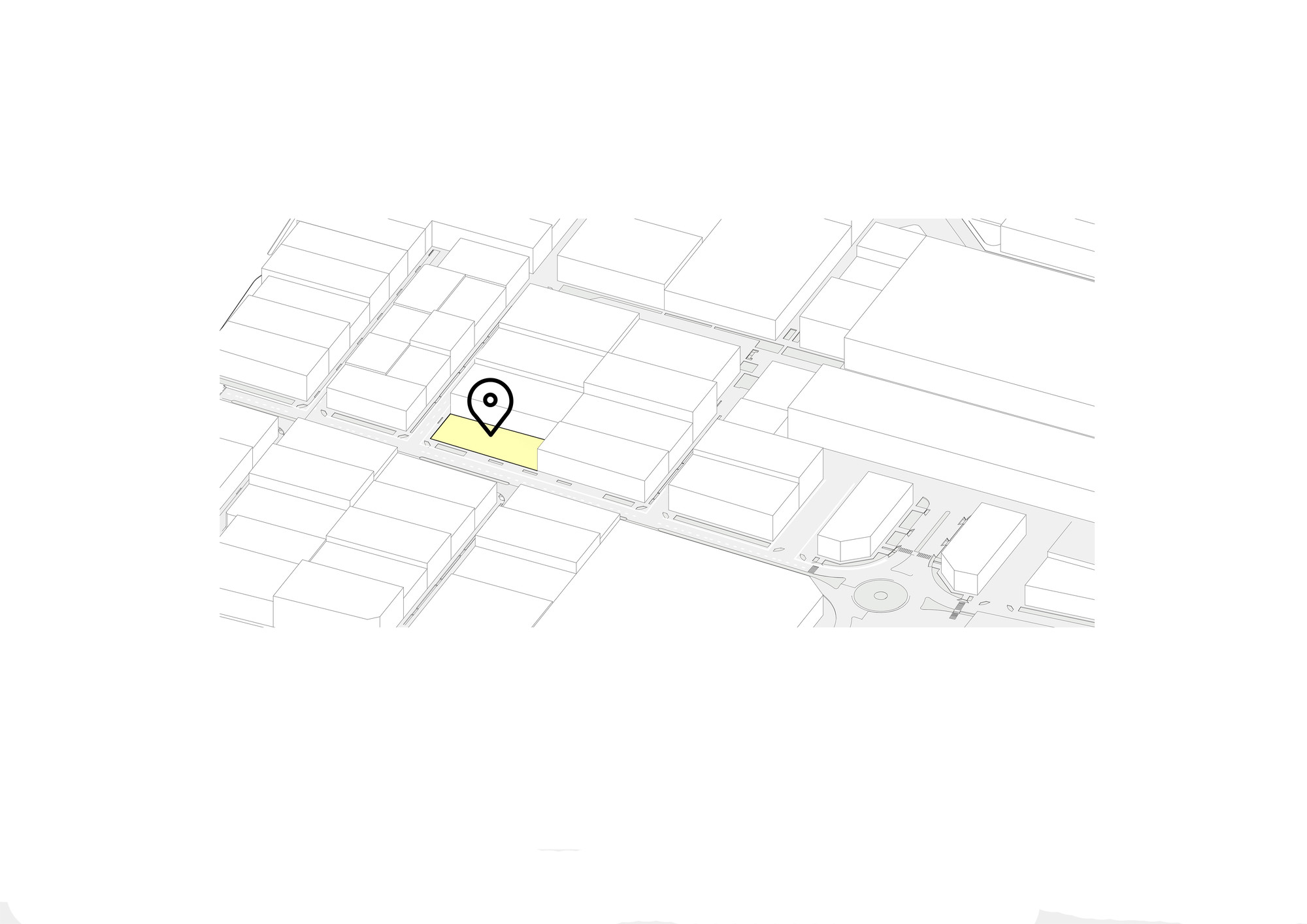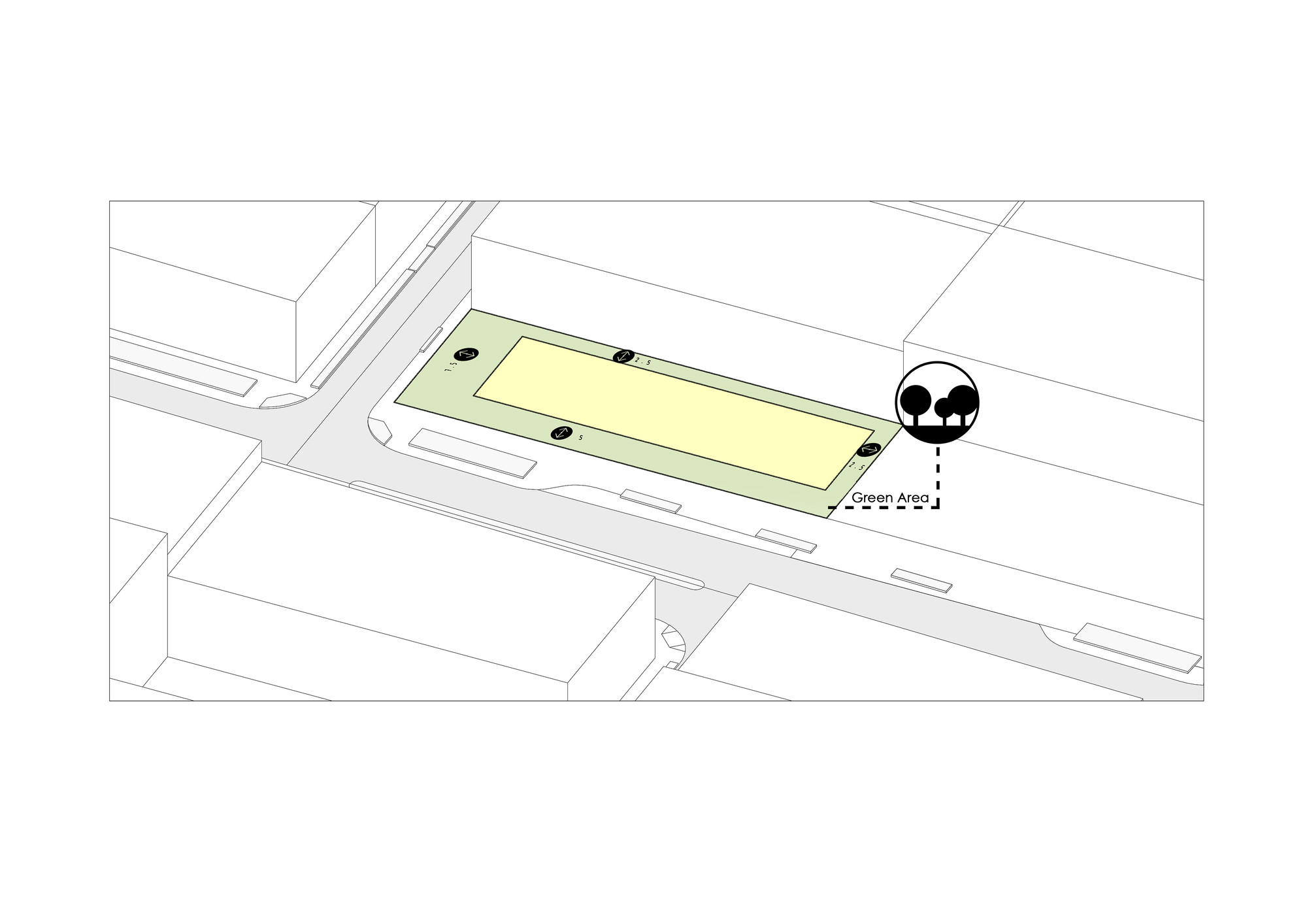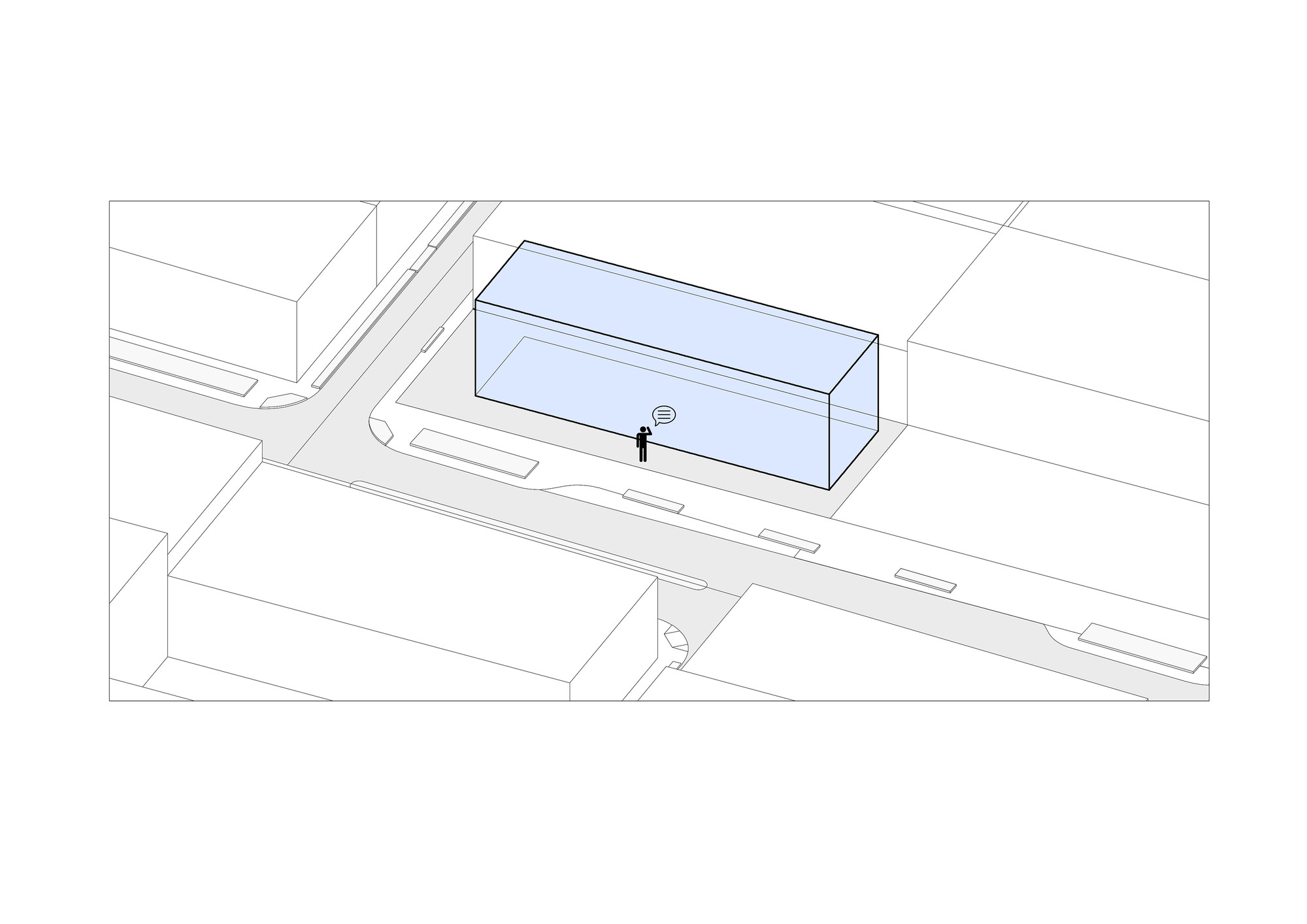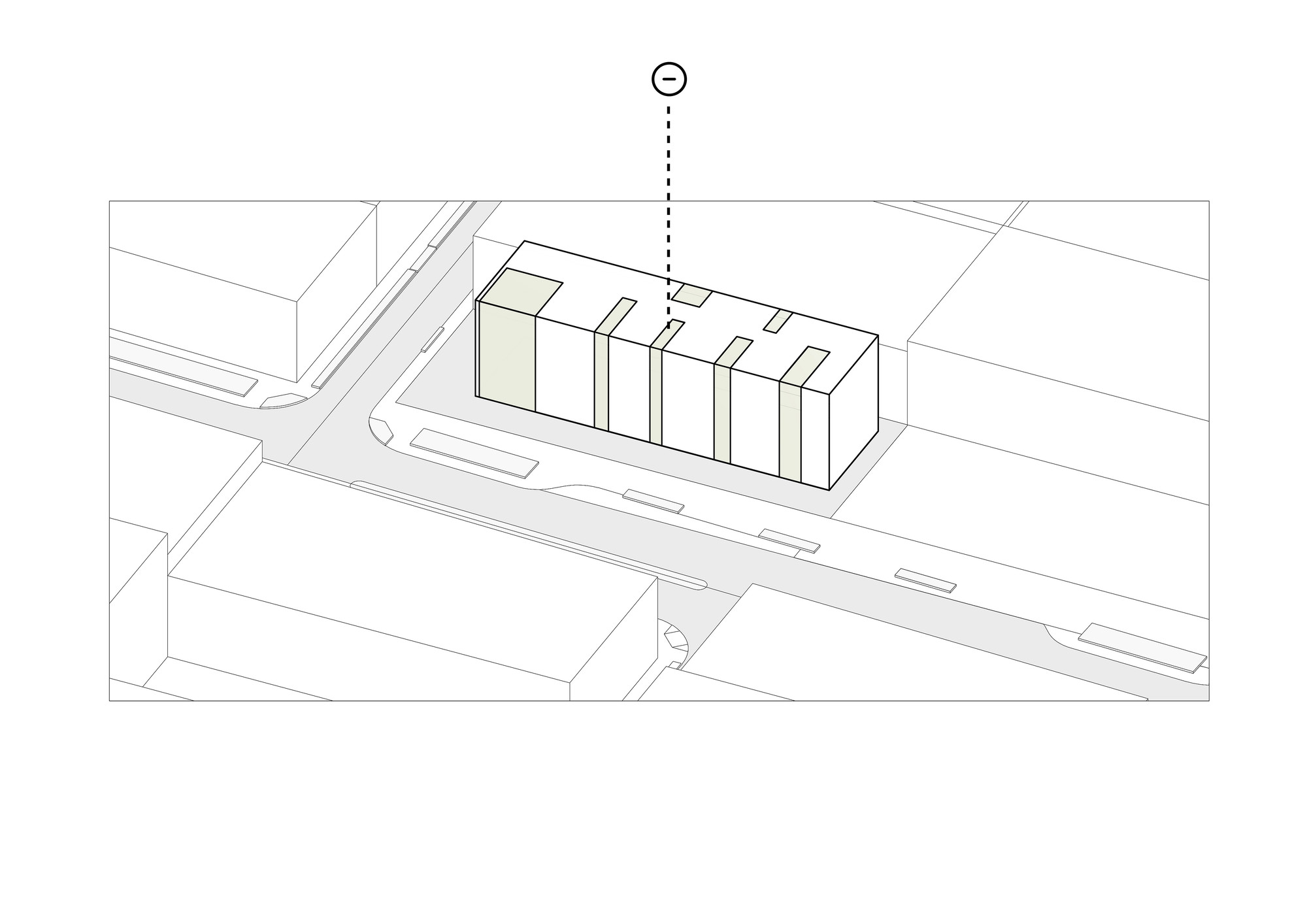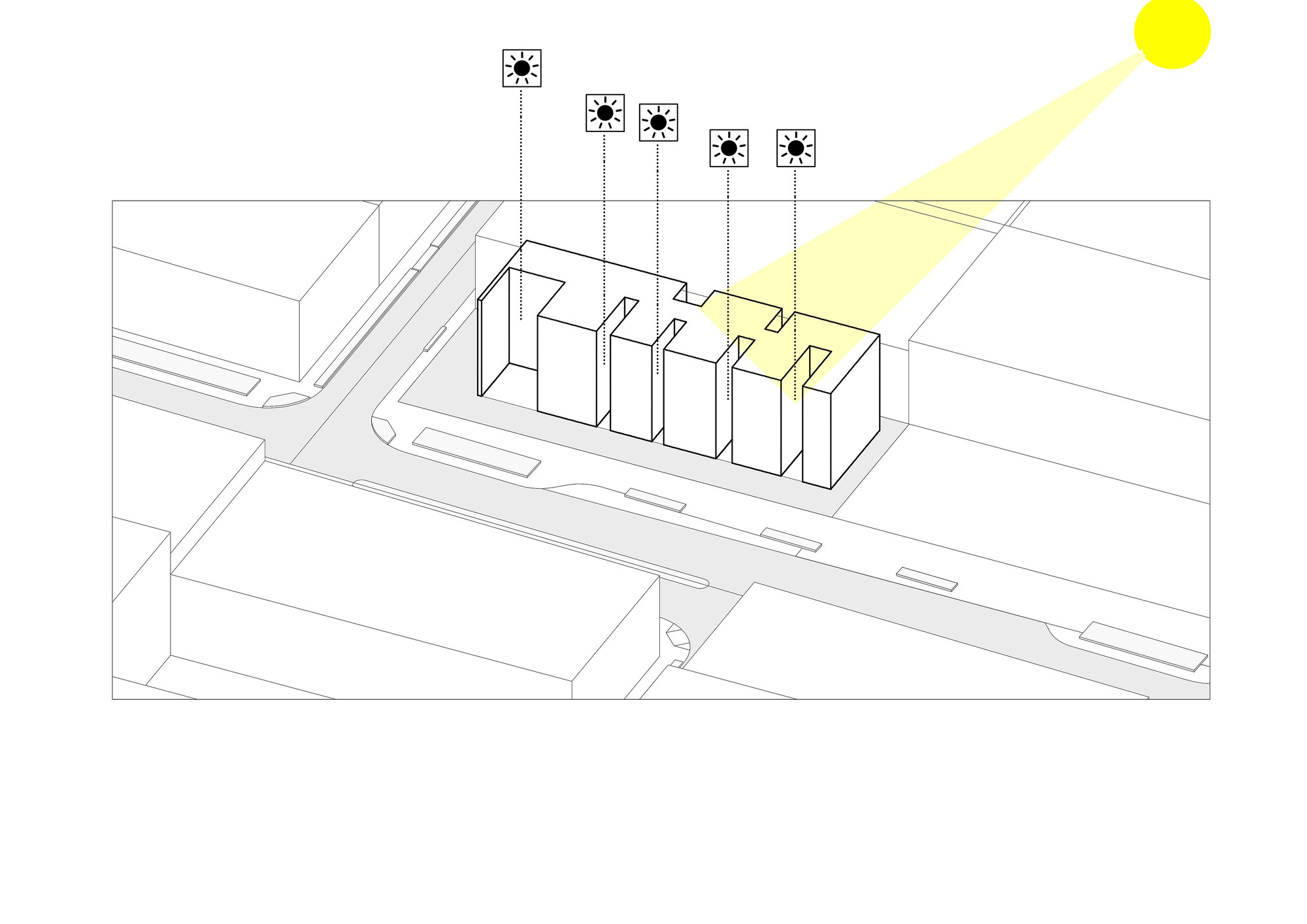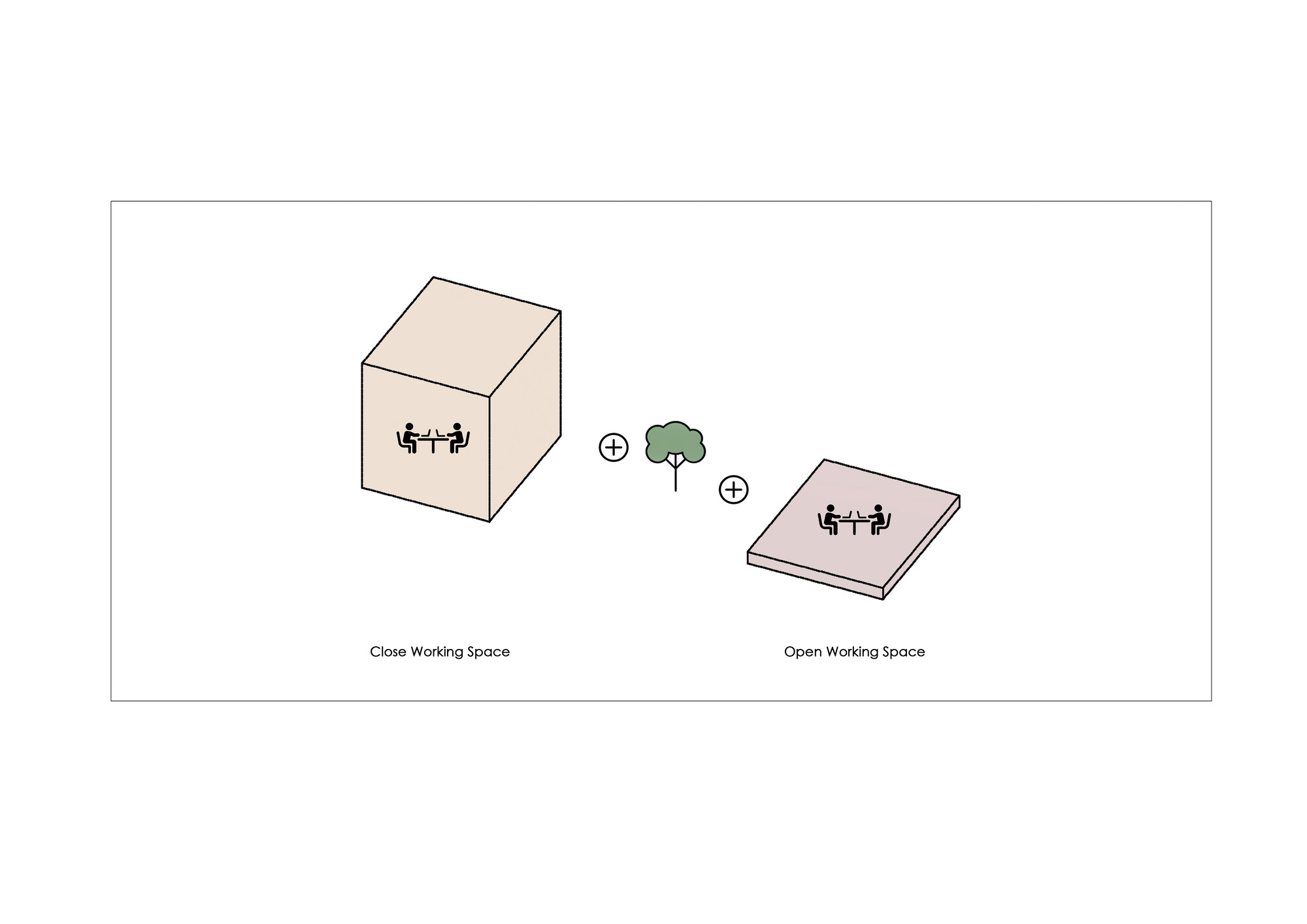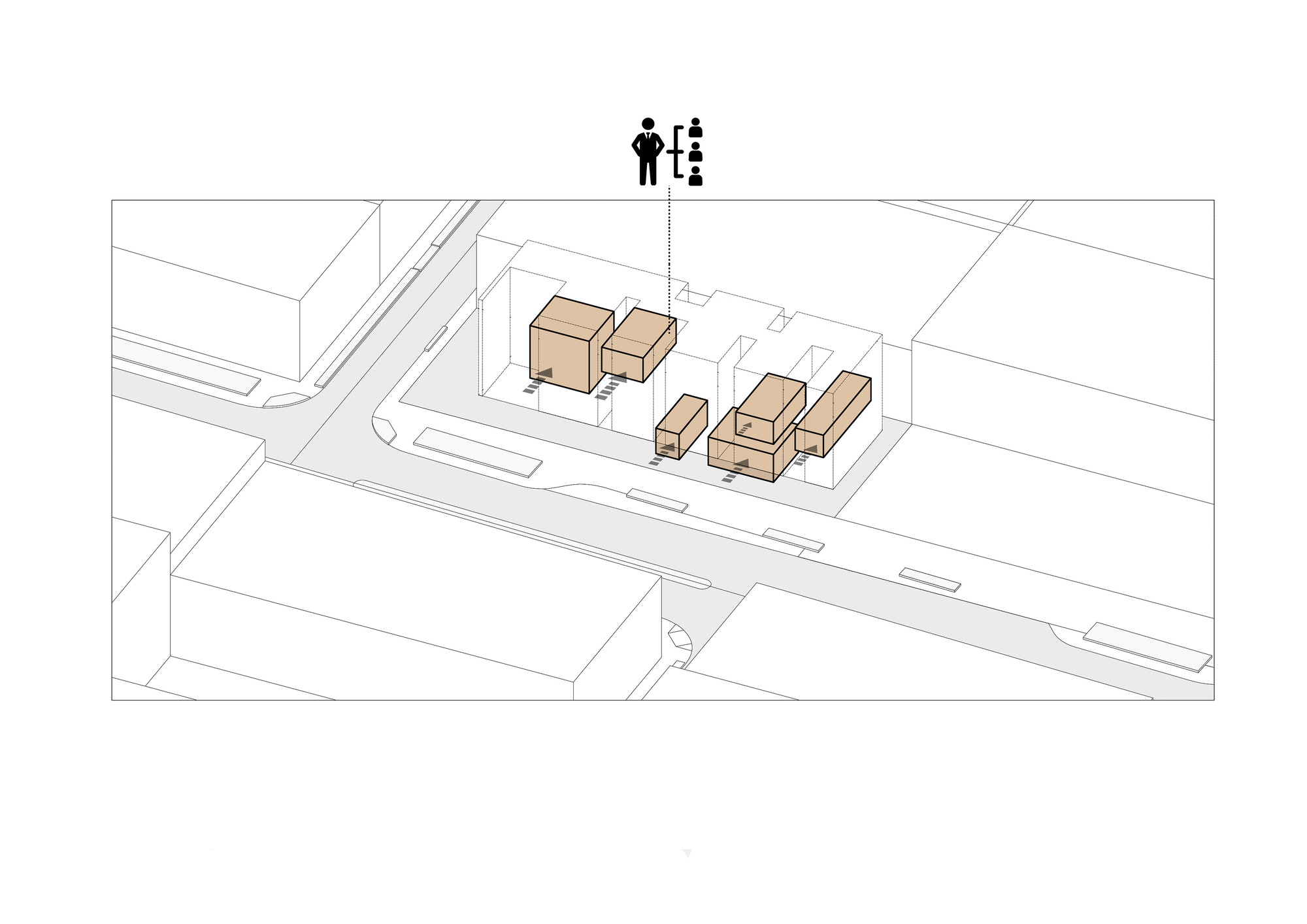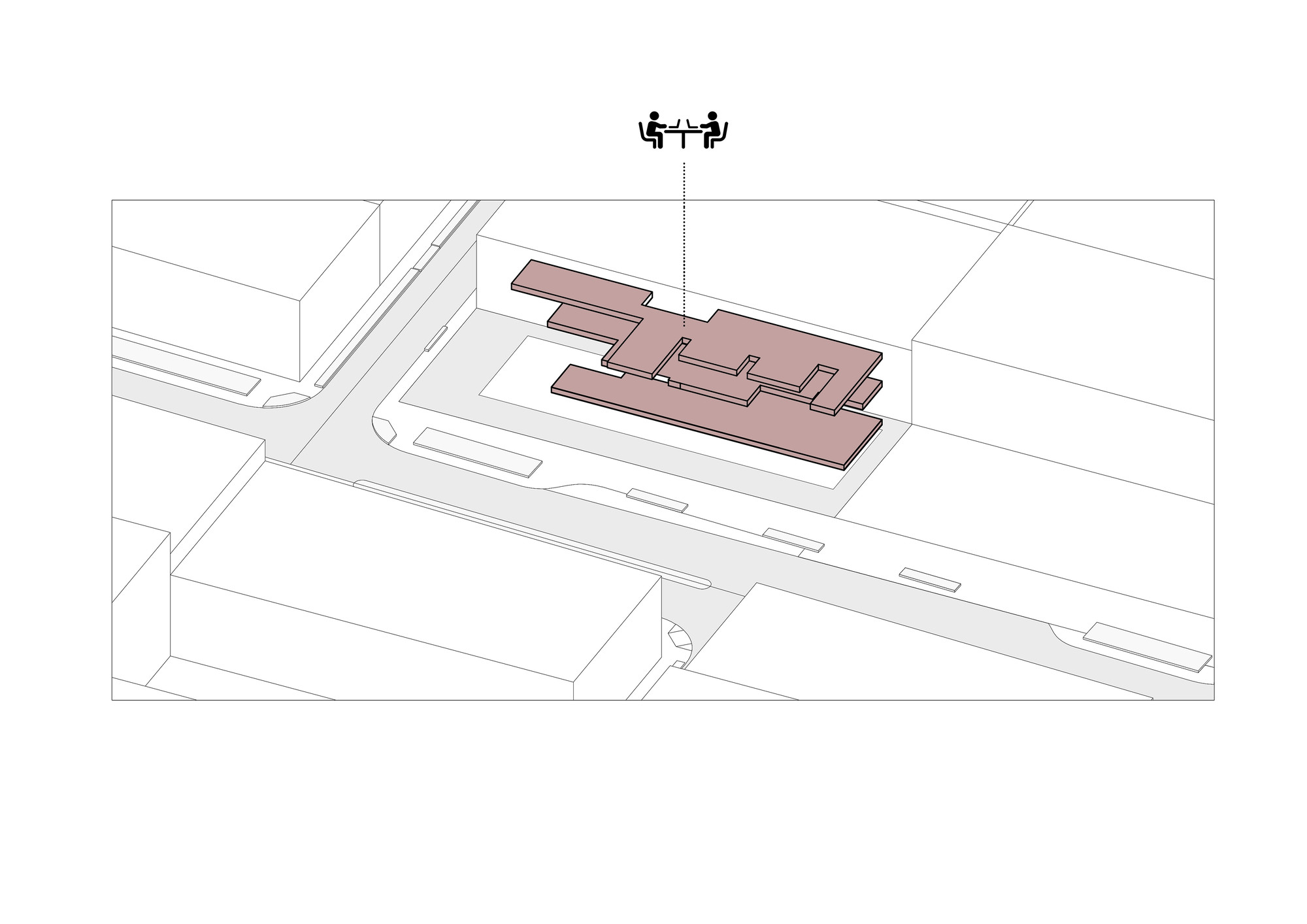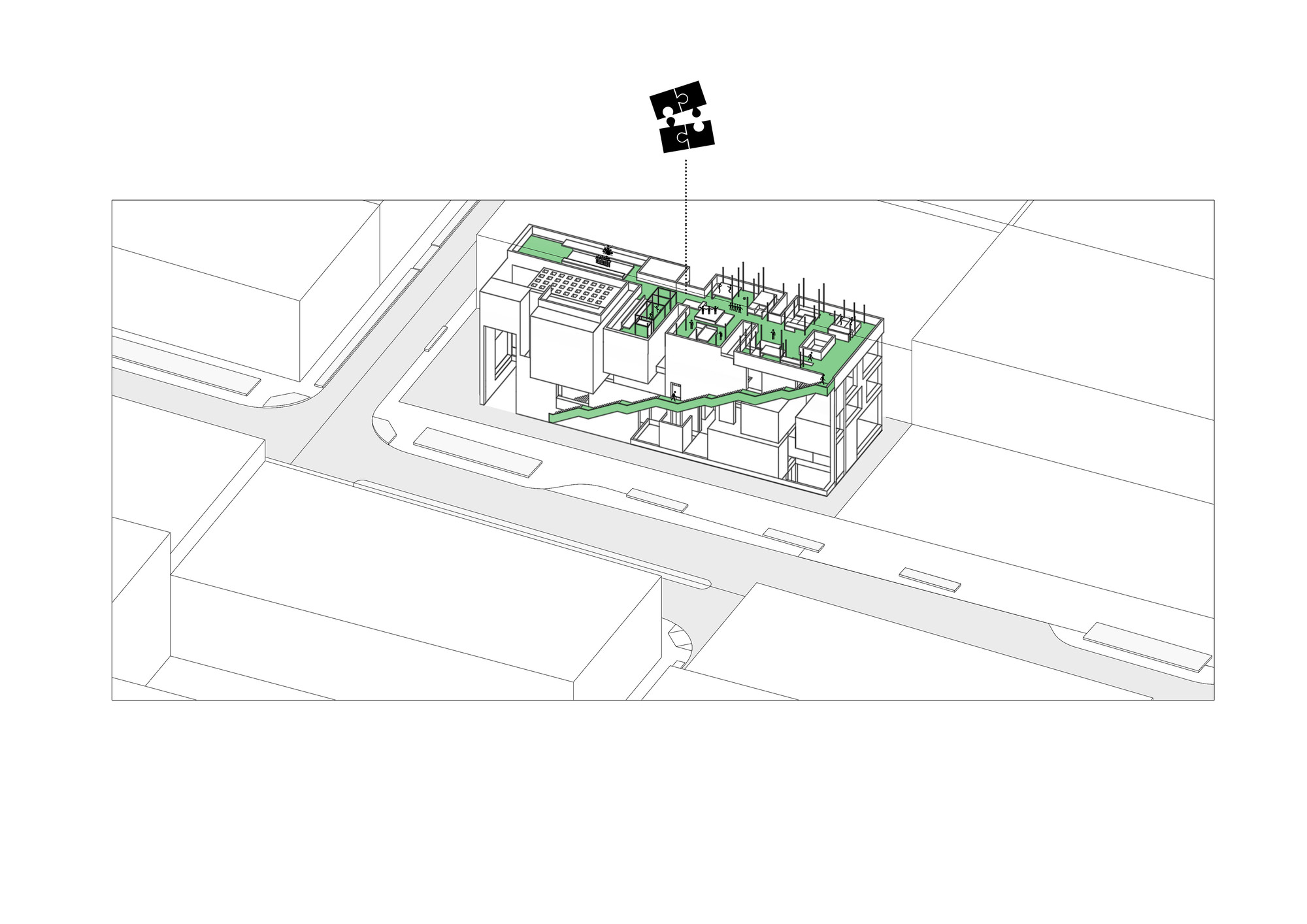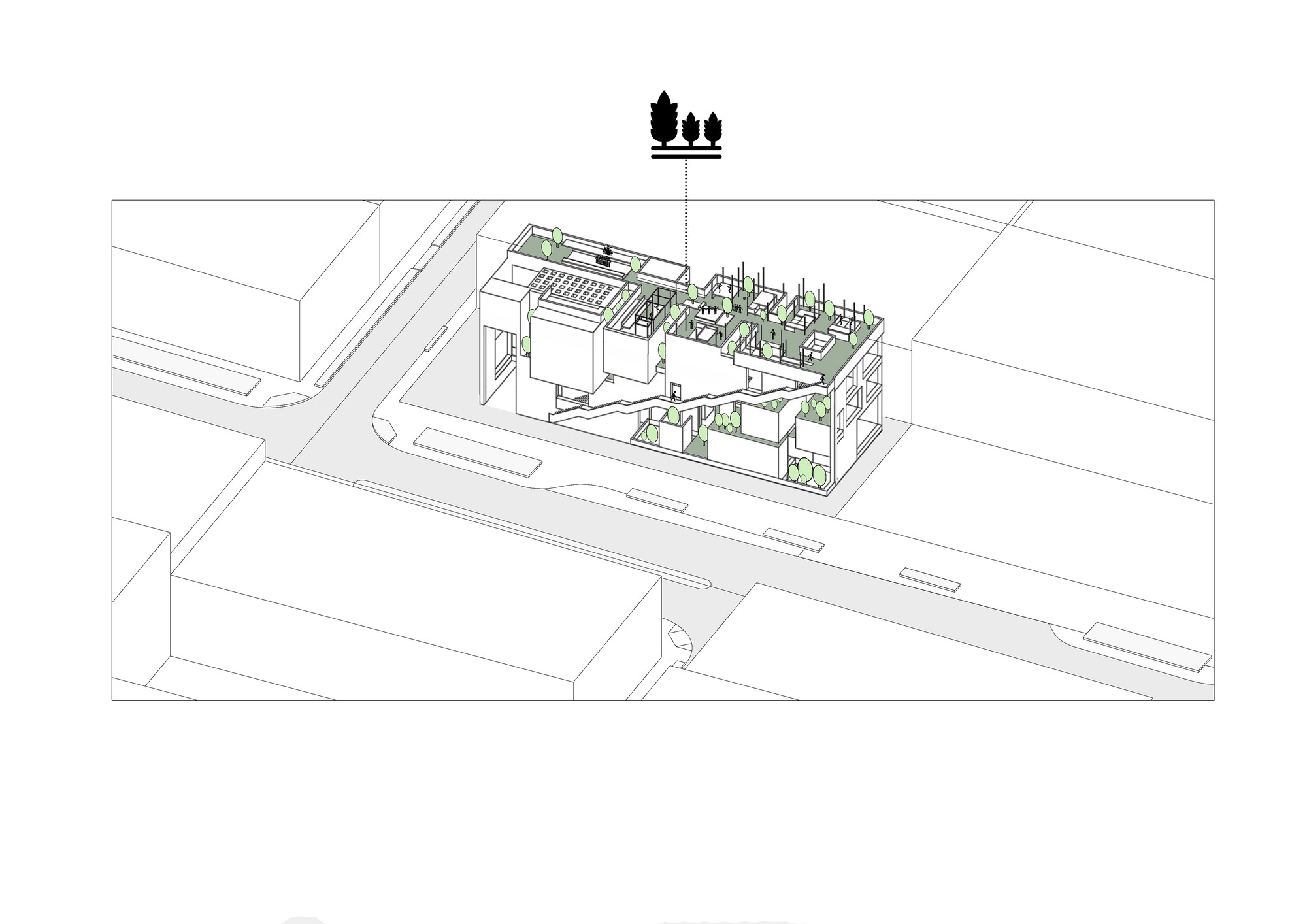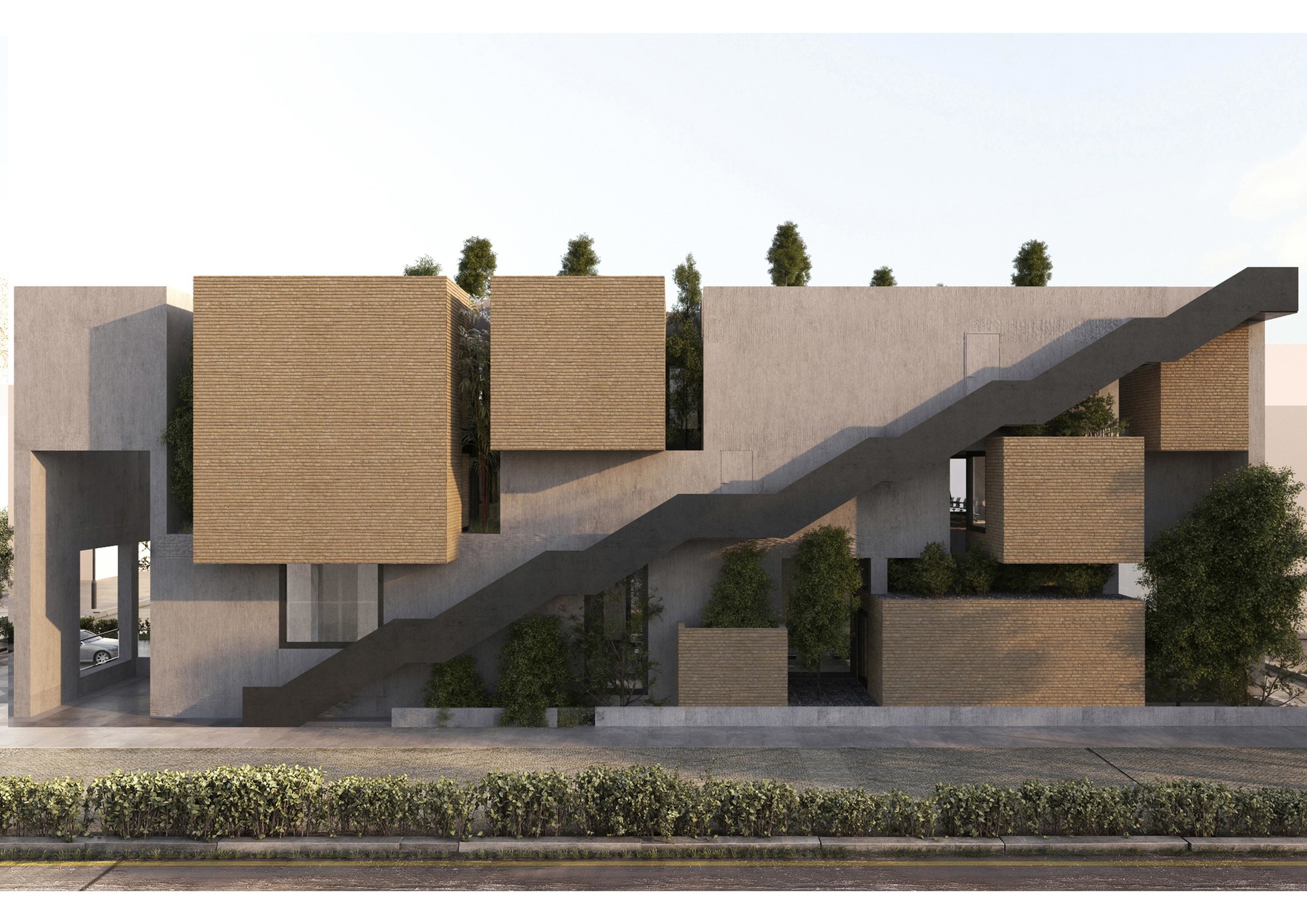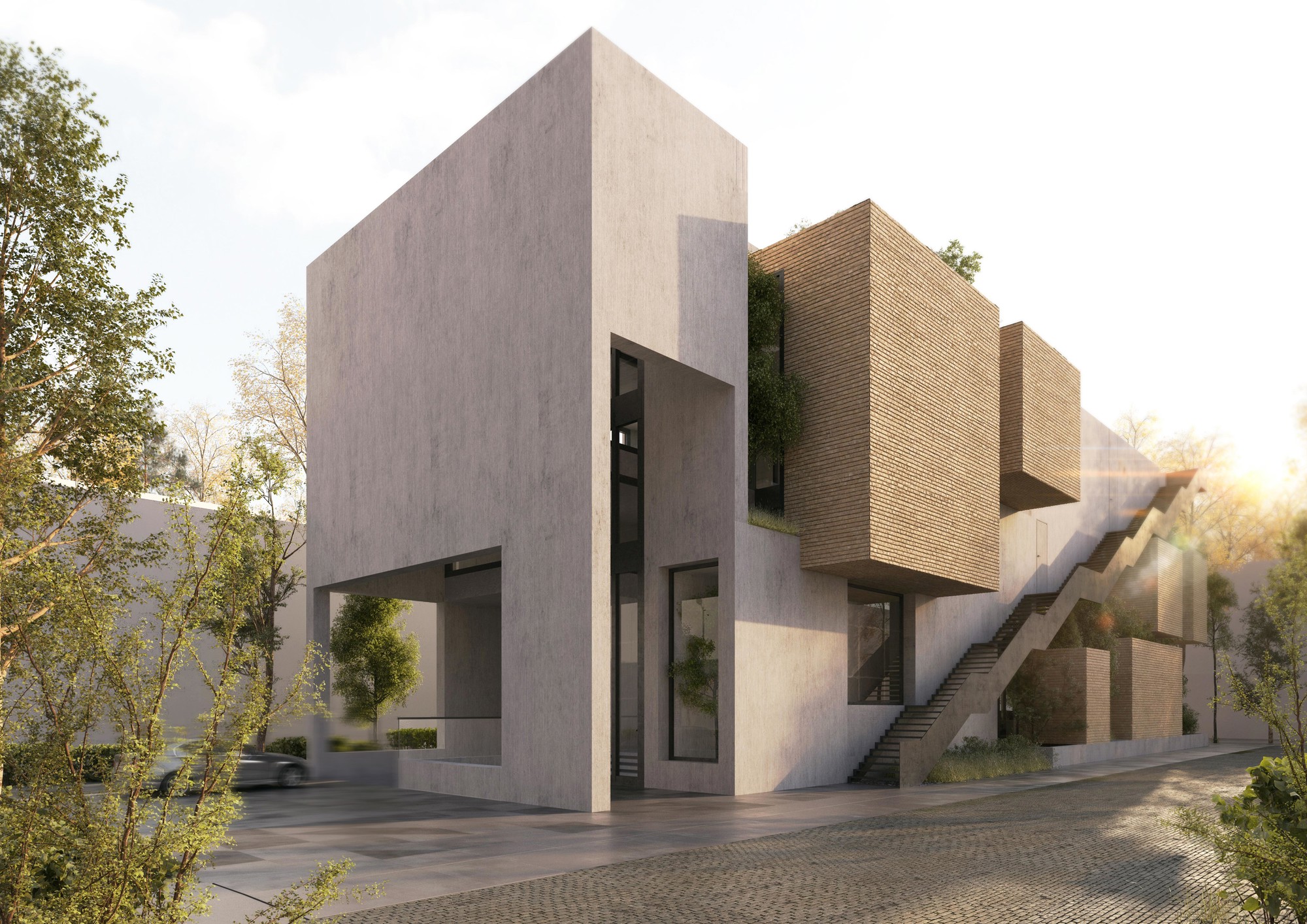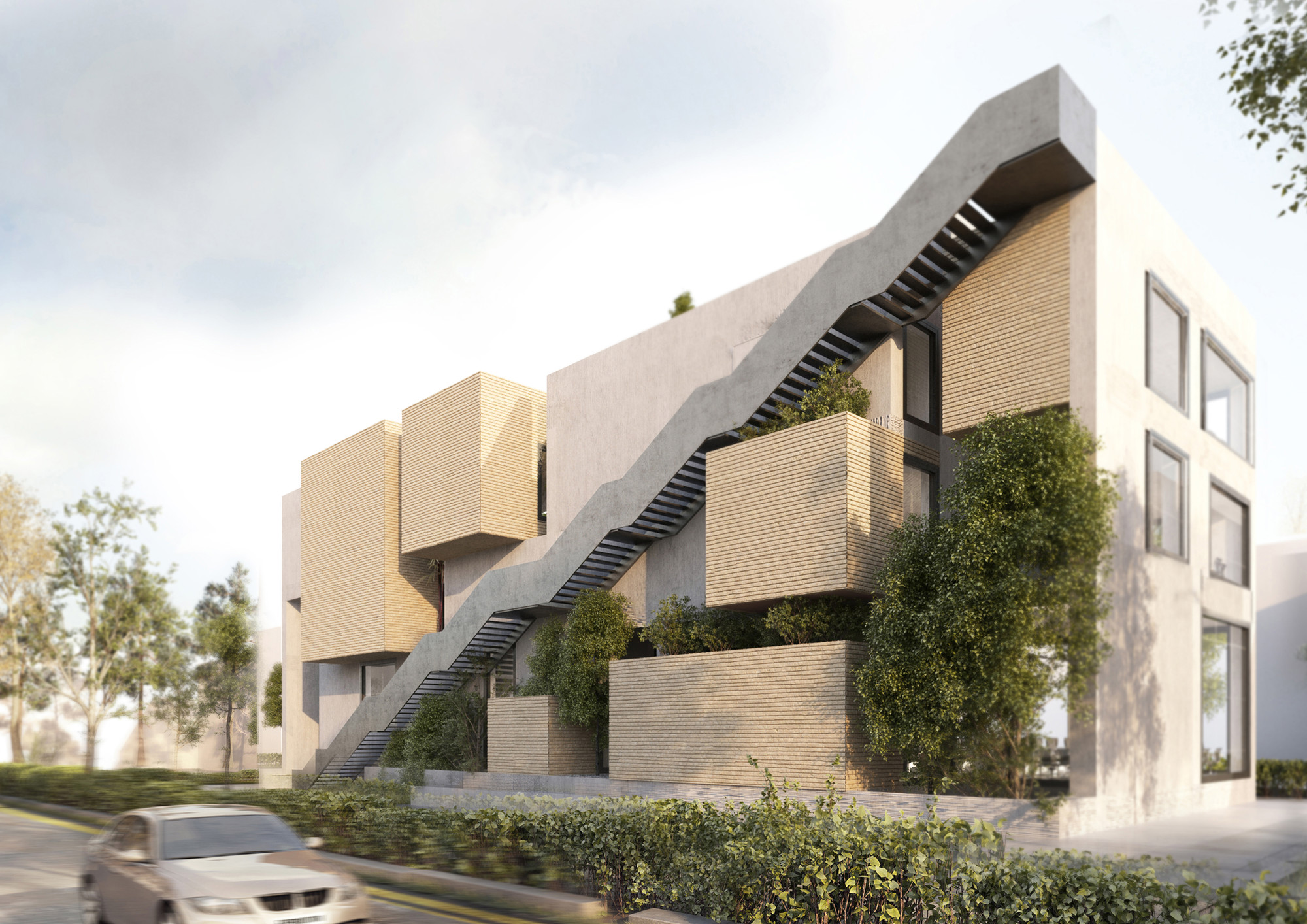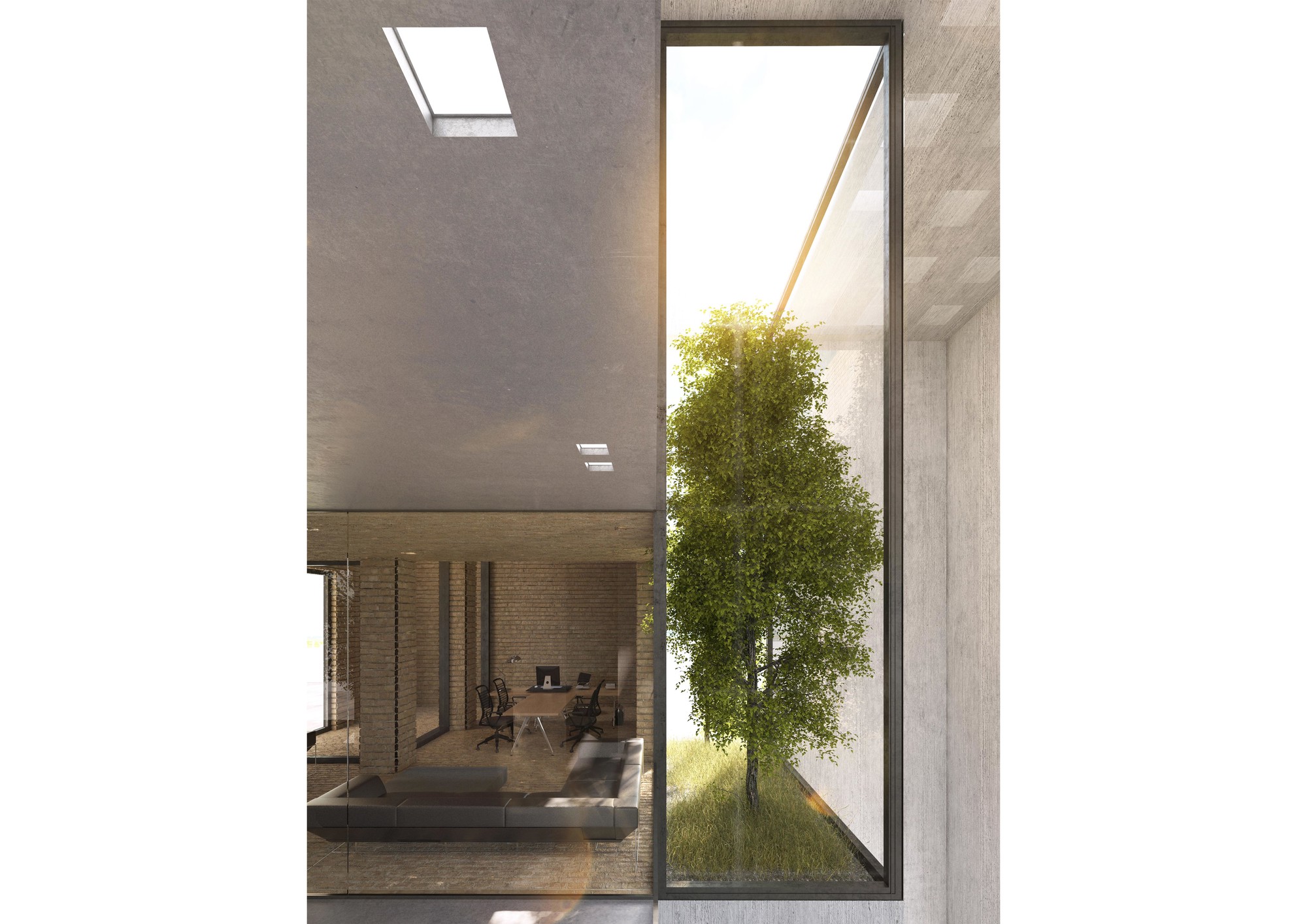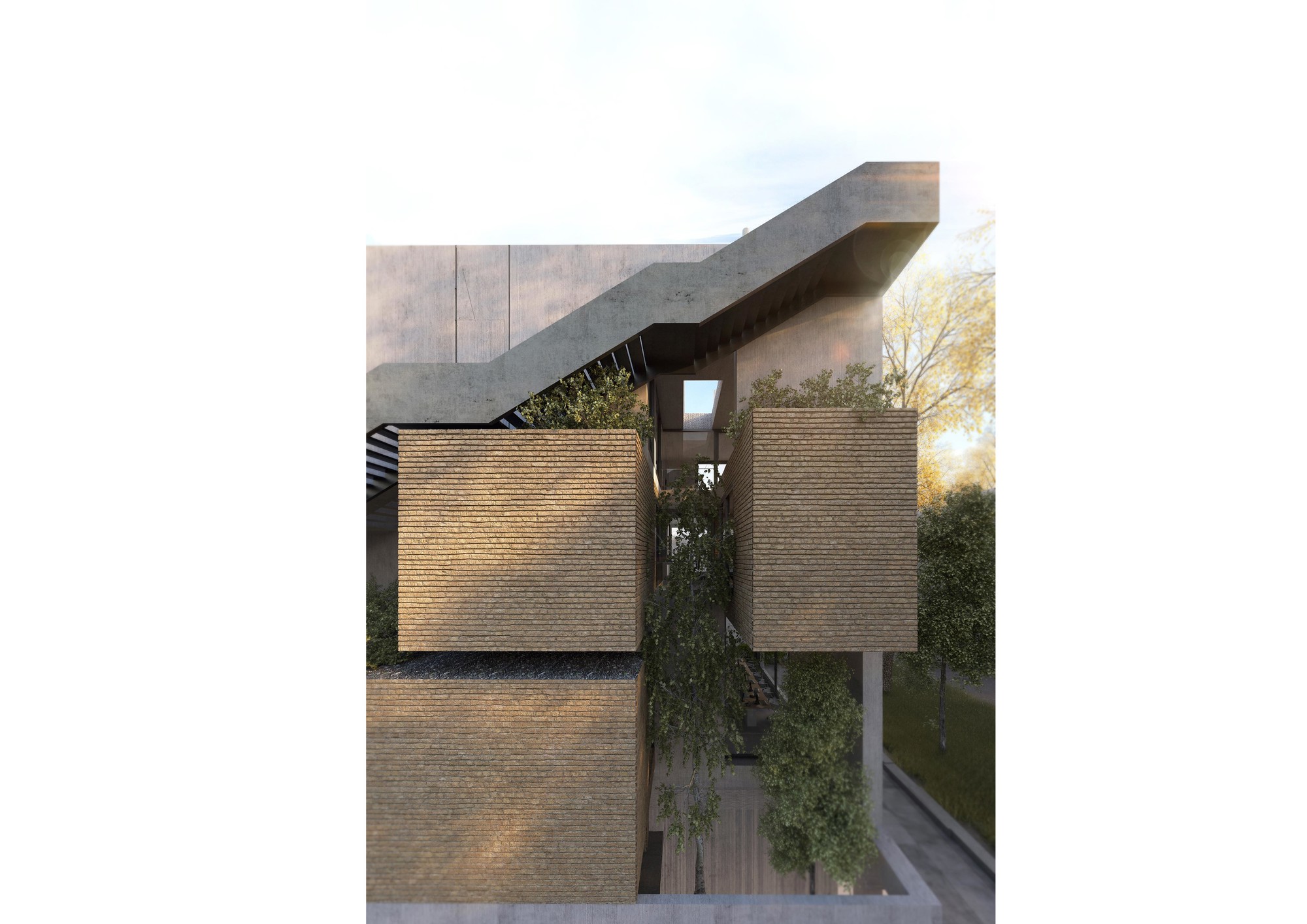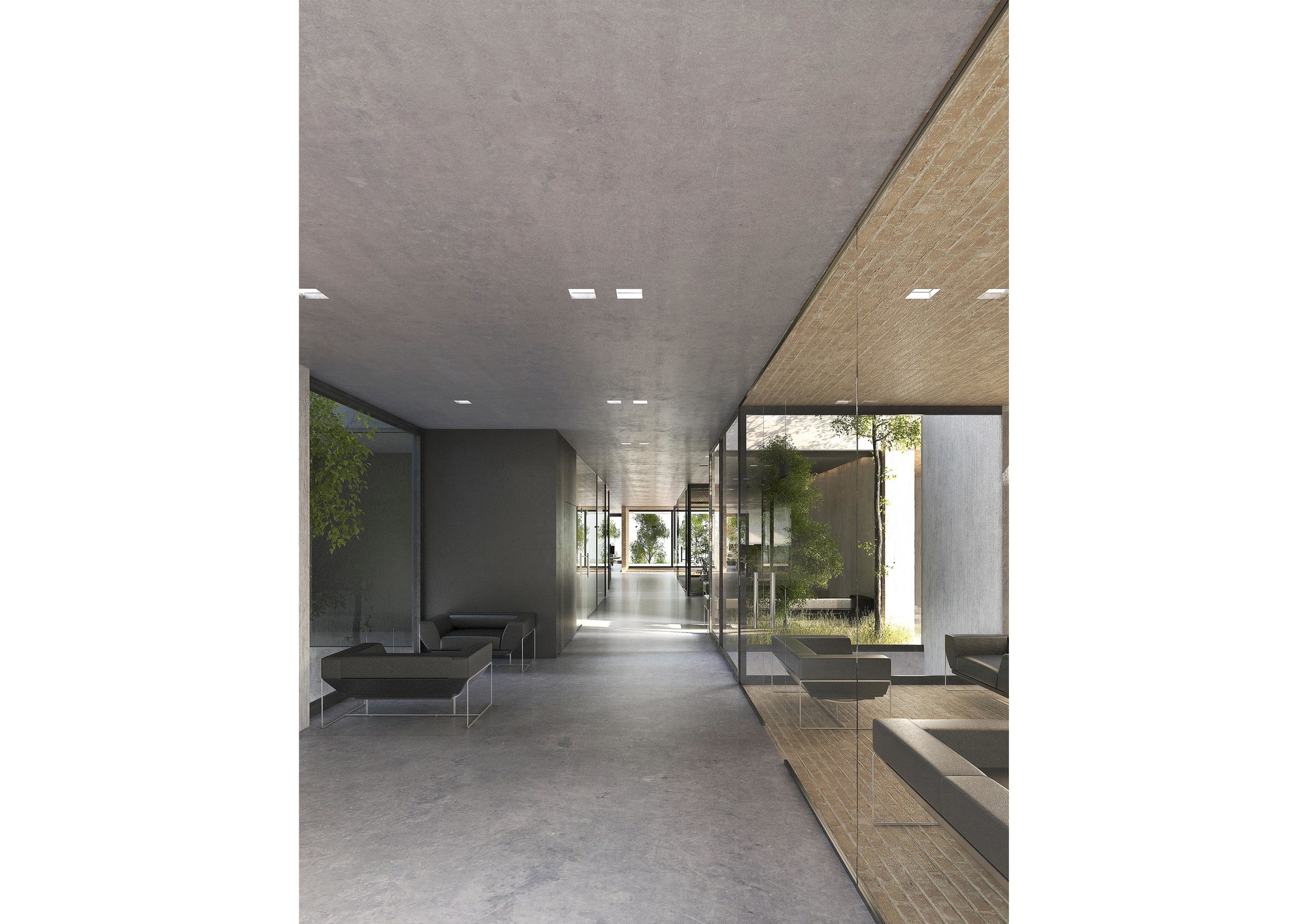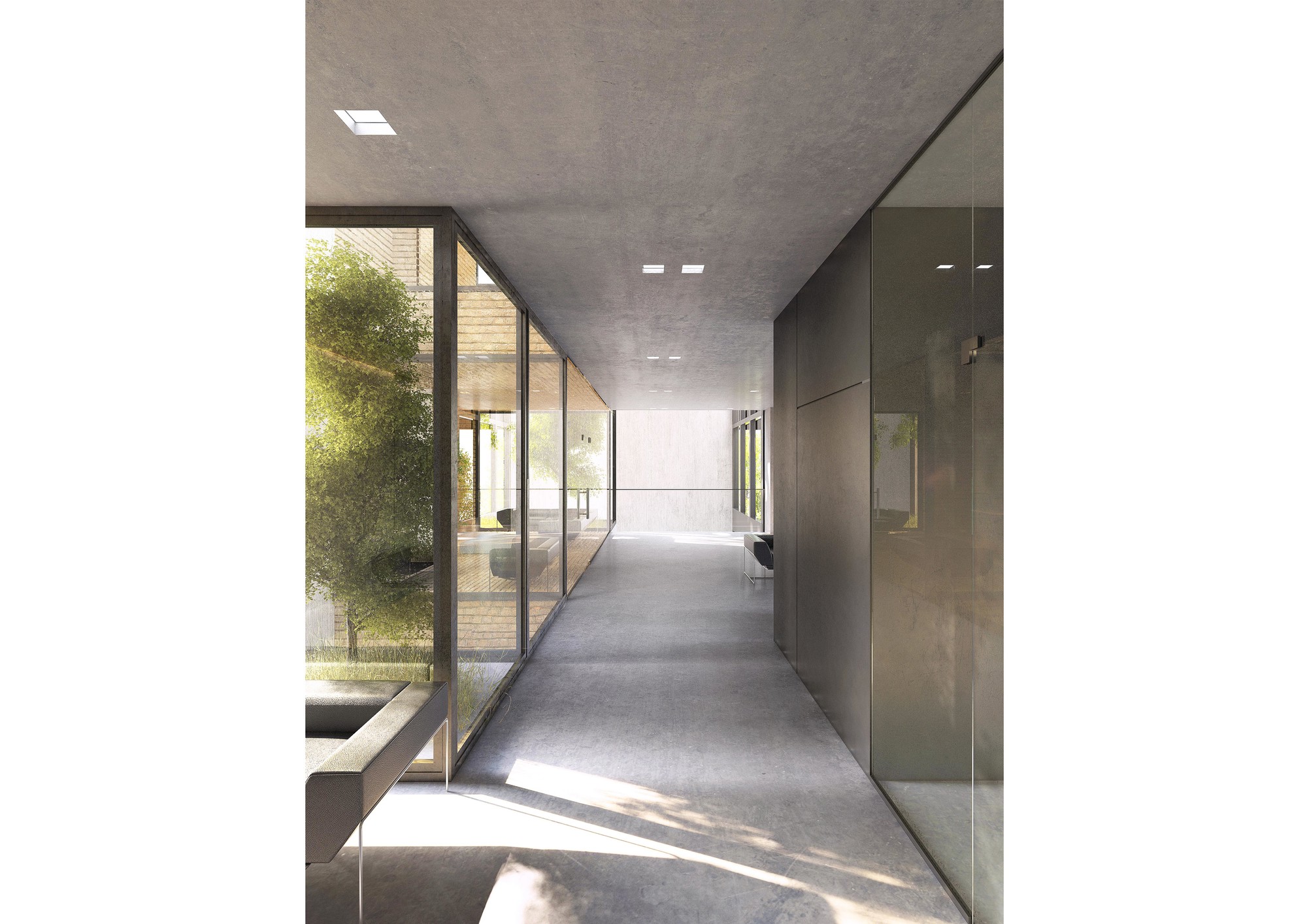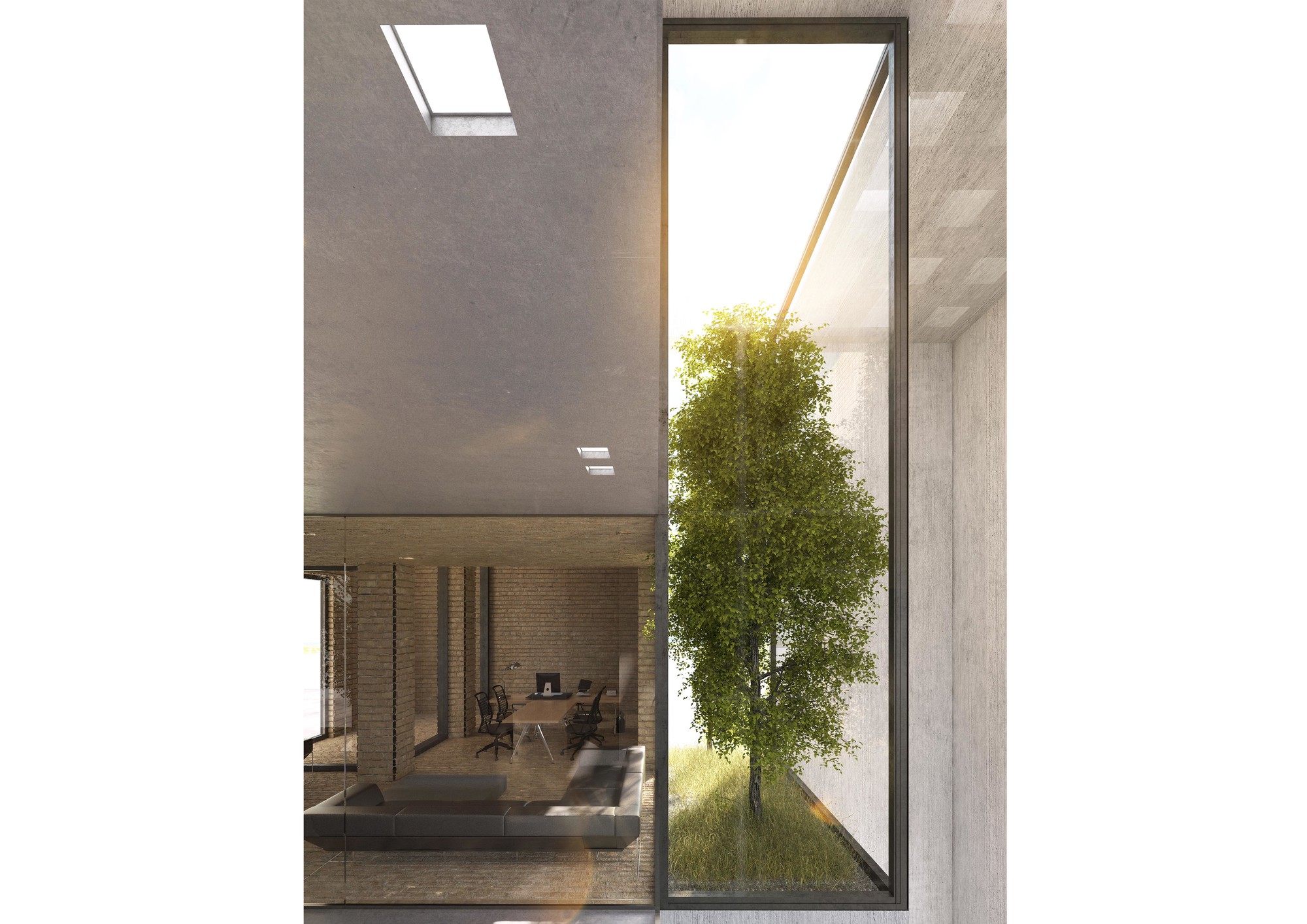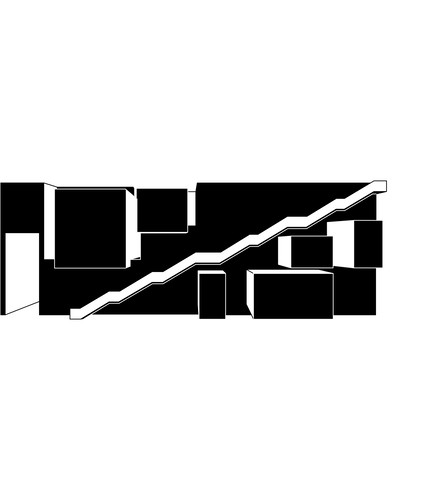

The specific demarcation of urban areas and the construction of buildings separate from the city creates a disconnect between interior and exterior spaces, often leading to a conflict between the functional nature and the physical form of a building. For instance, an office building designed for interaction may contrast with buildings that are not integrated with the surrounding city. The clear delineation of urban areas and the construction of isolated buildings create a disconnect between interior and exterior spaces. This often leads to a conflict between a building's functional purpose and its physical form. For example, an office building designed for interaction may clash with structures that are not integrated into the surrounding city. In shaping the spatial design to meet the project's functional needs, we made efforts to ensure that it would align with the overall project goals without disrupting internal functions. Additionally, we aimed to create visual transparency within the internal environment by organizing a specific space resulting from a structure of series of small boxes within one large box. This arrangement, along with the permeability of green space inside the building, will create different visual experiences. In this case, the roof as a distinct part of the building, is used to house facilities. Instead of creating a pilot plaza, a plaza on the building accessible through an independent vertical access element was chosen. This staircase leads to an internal staircase through an intermediate partition, separating office users from general users. This attempts to create a service provider that fosters urban interactions and revives the area.