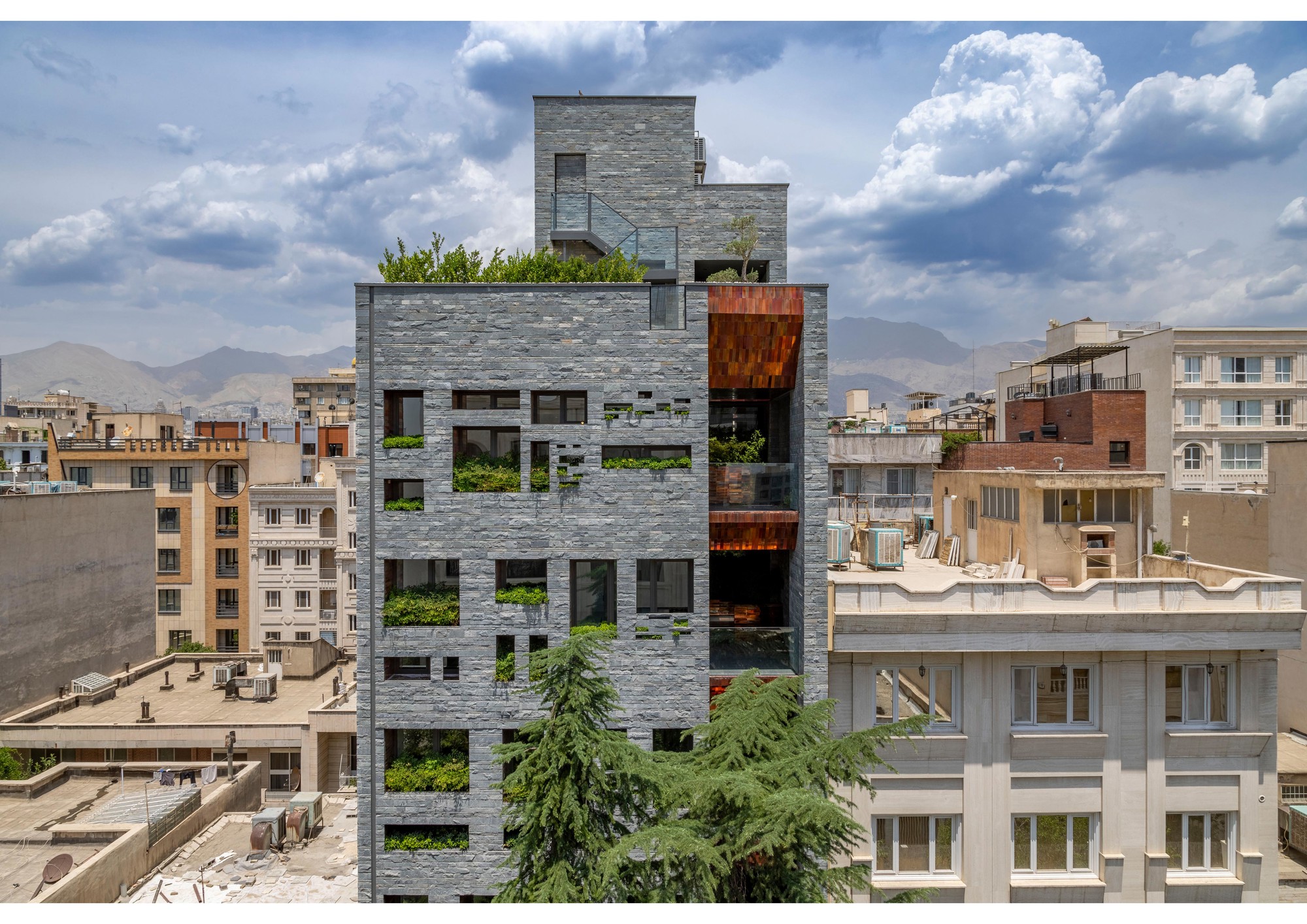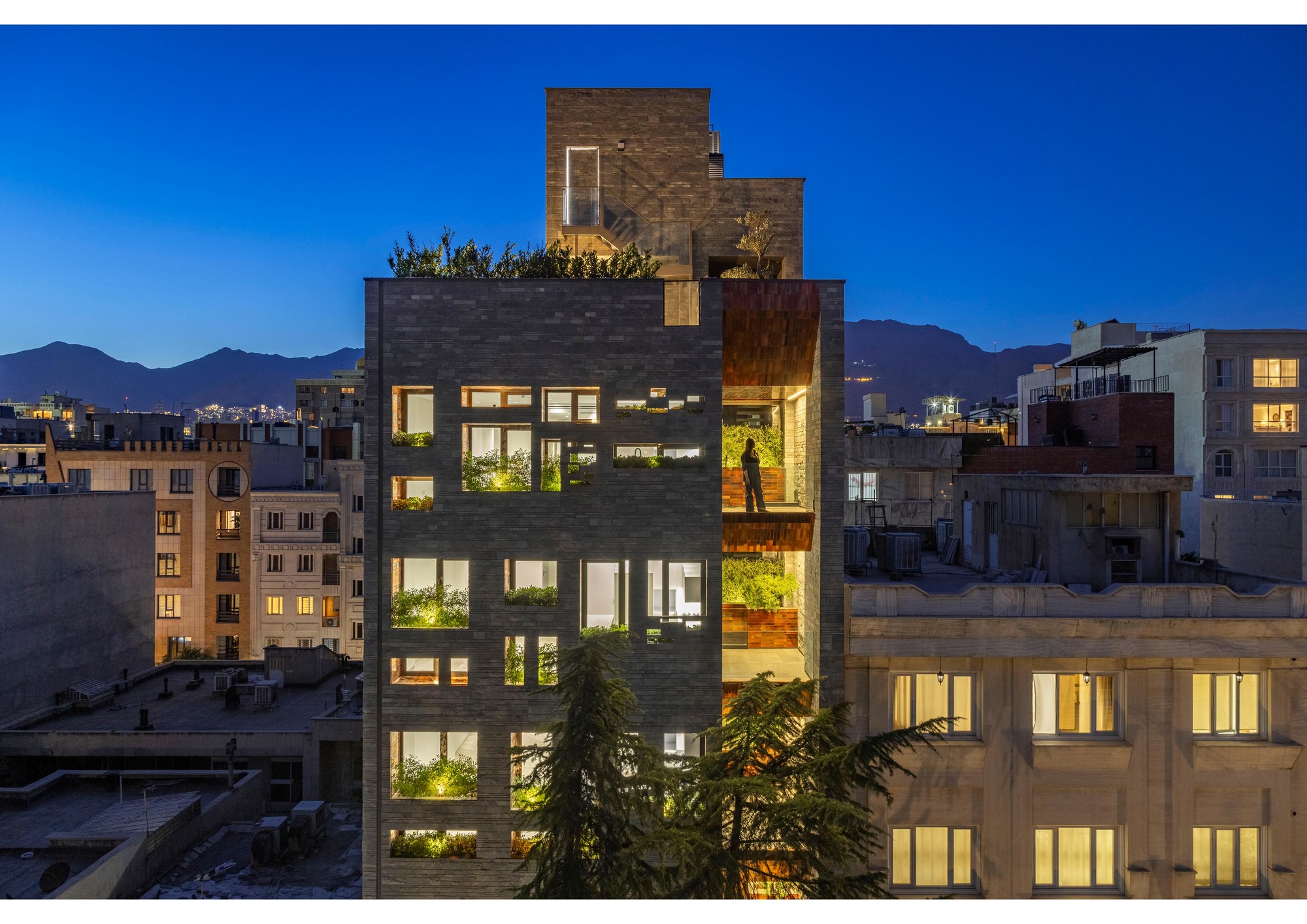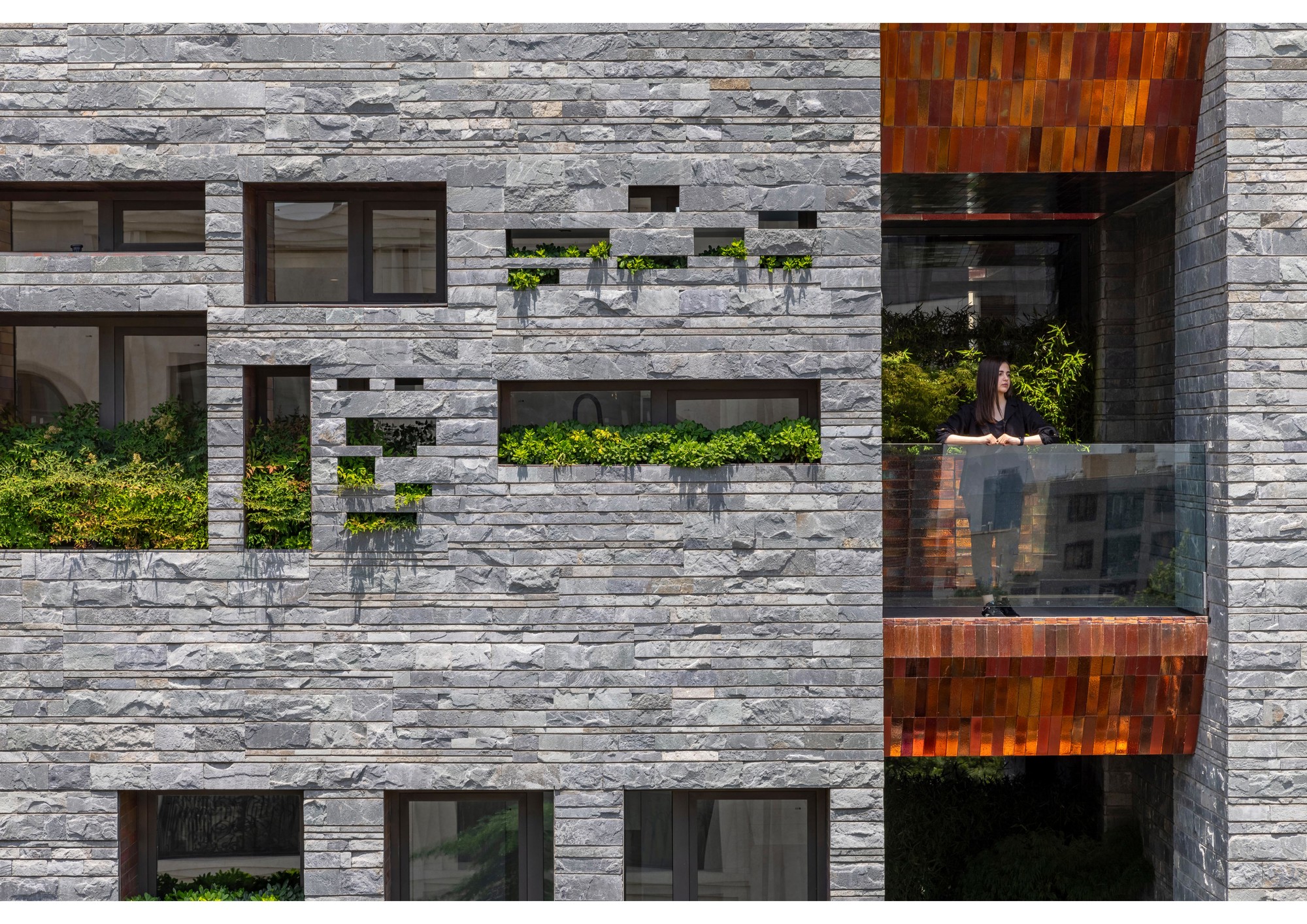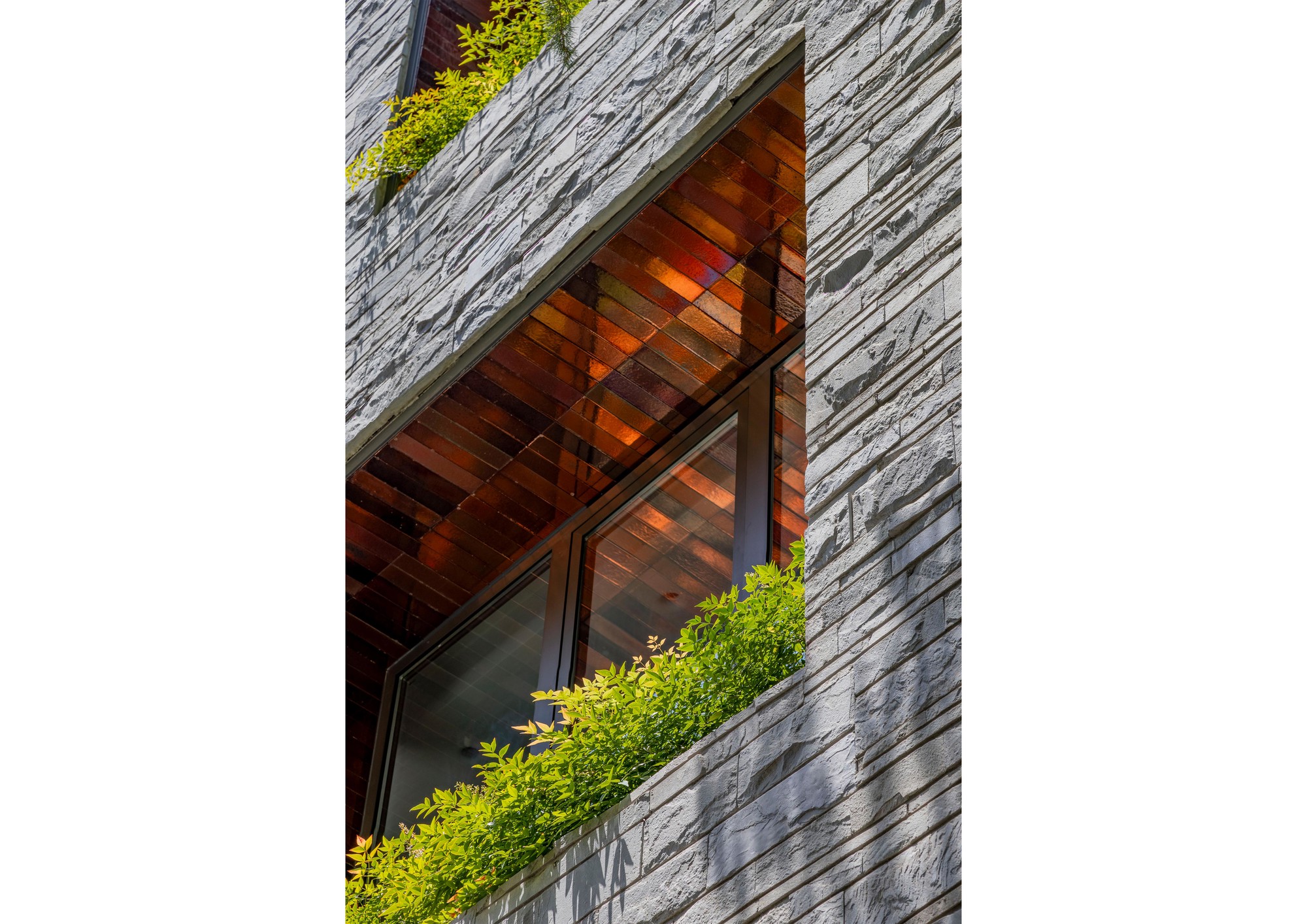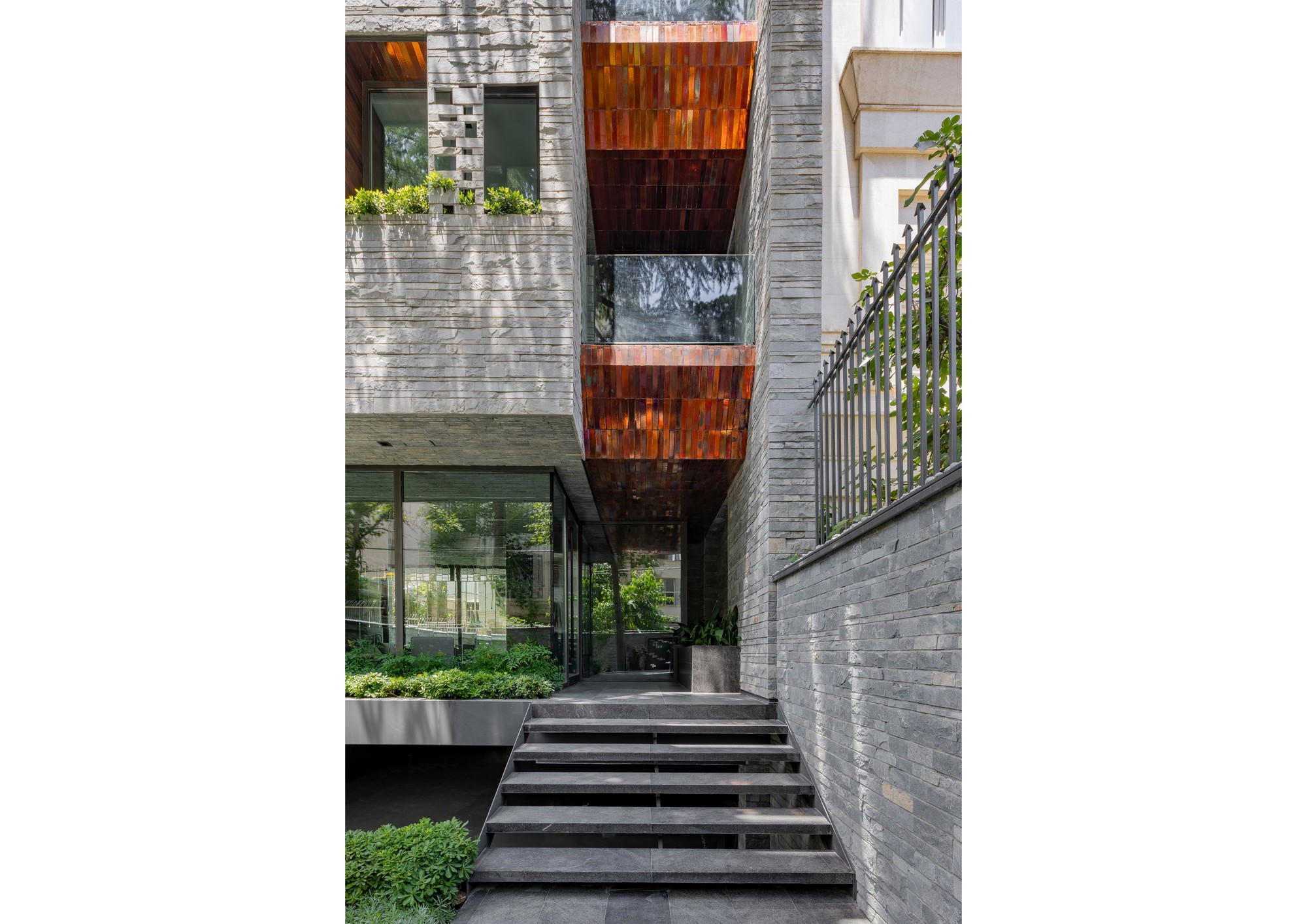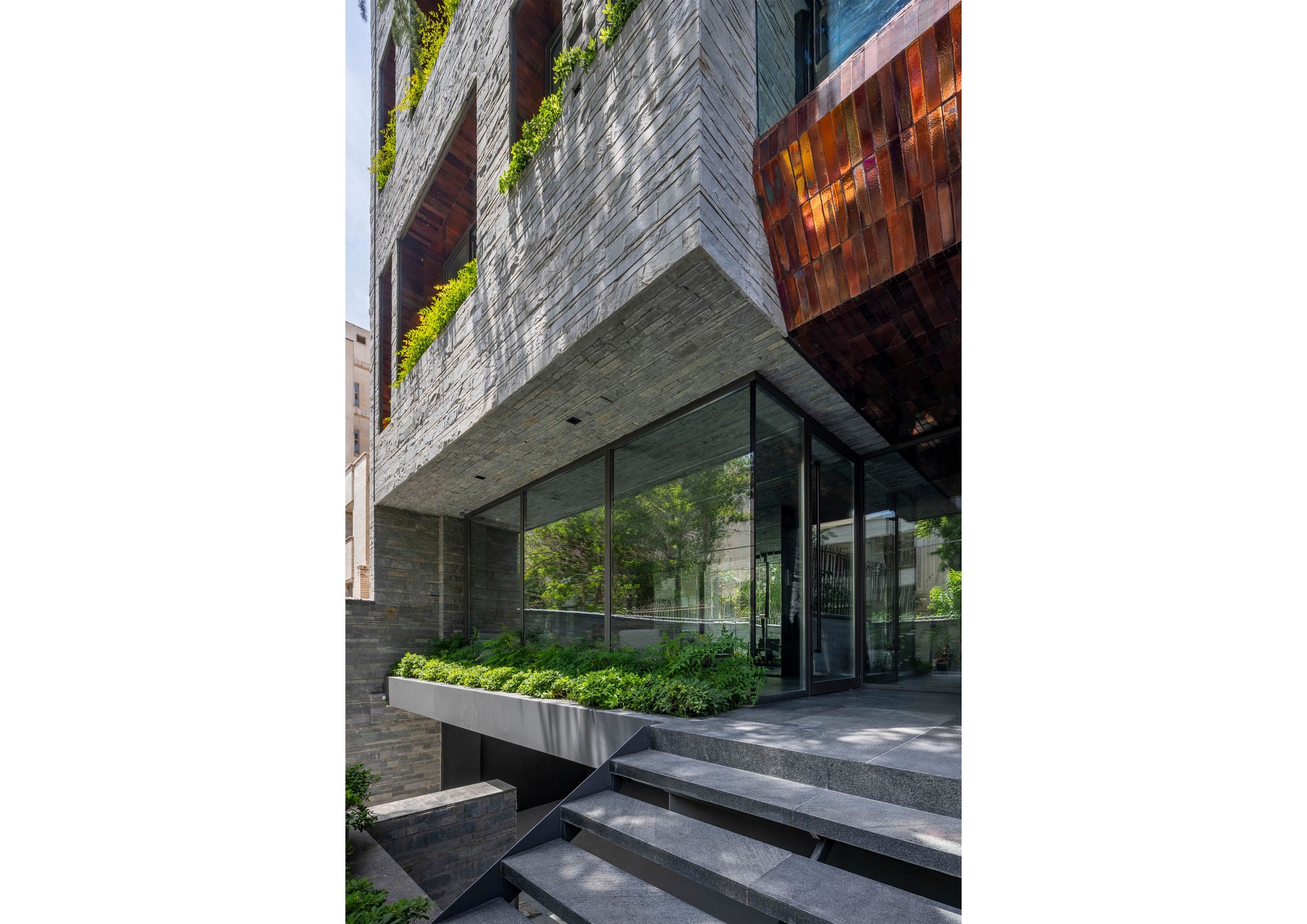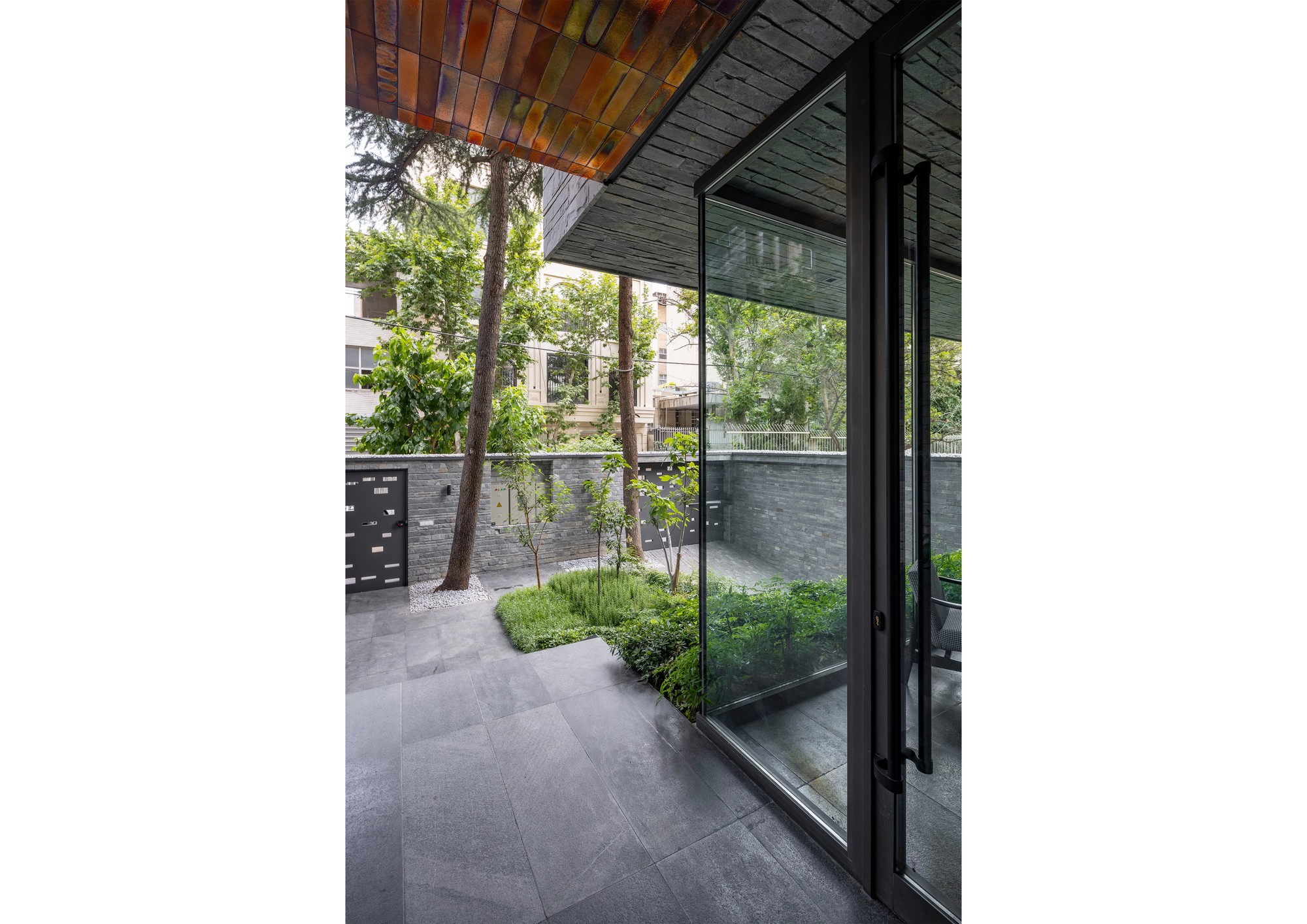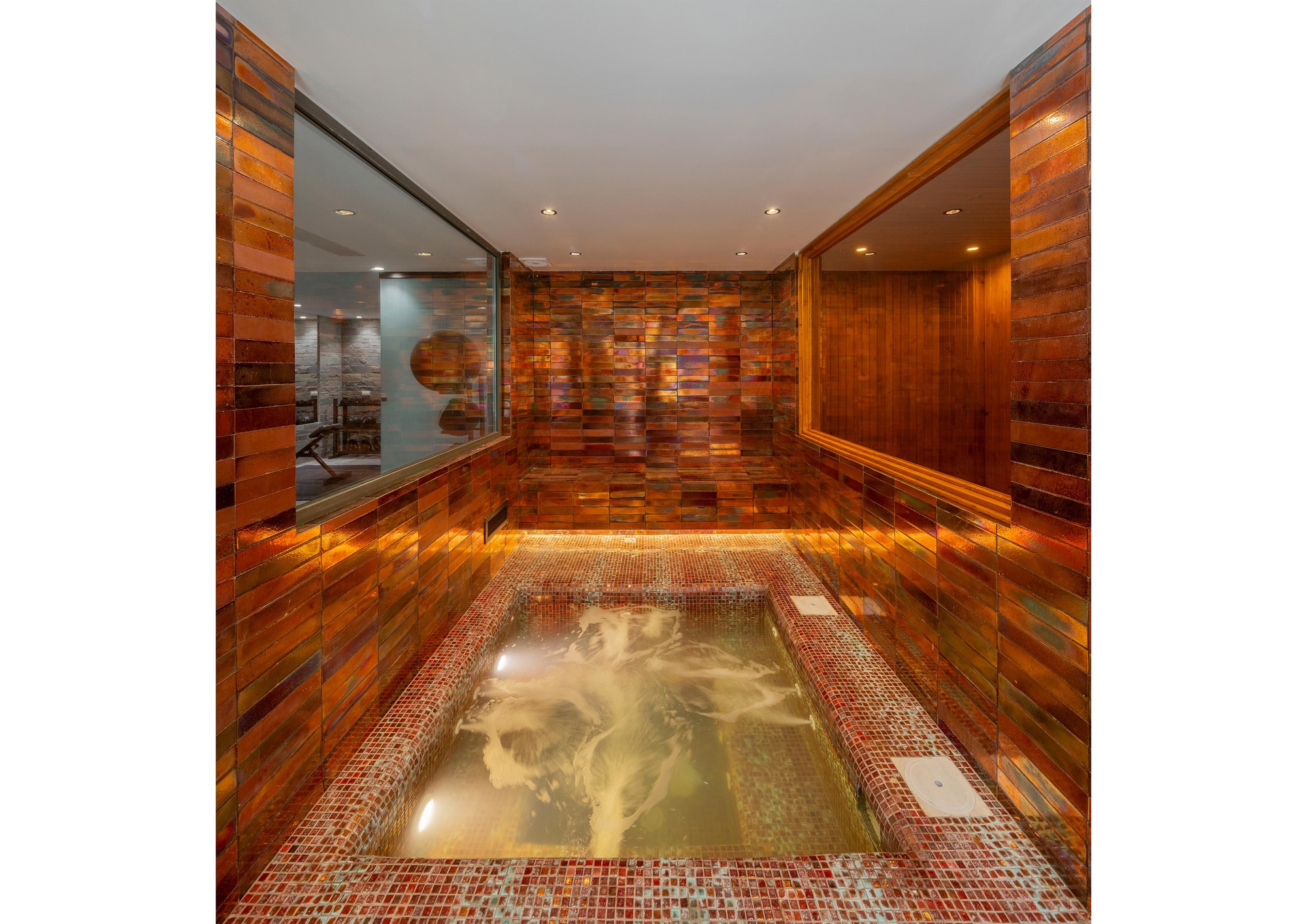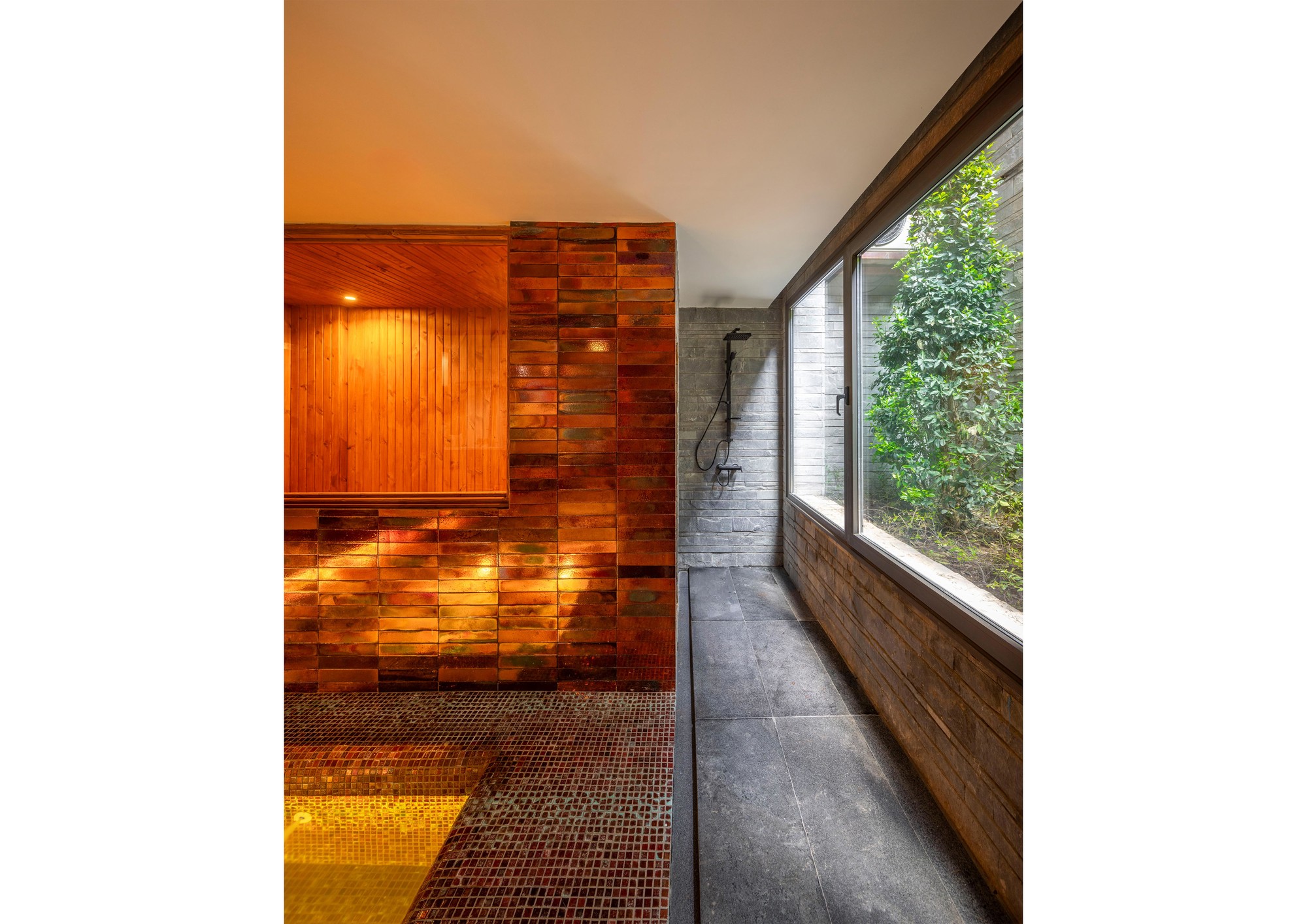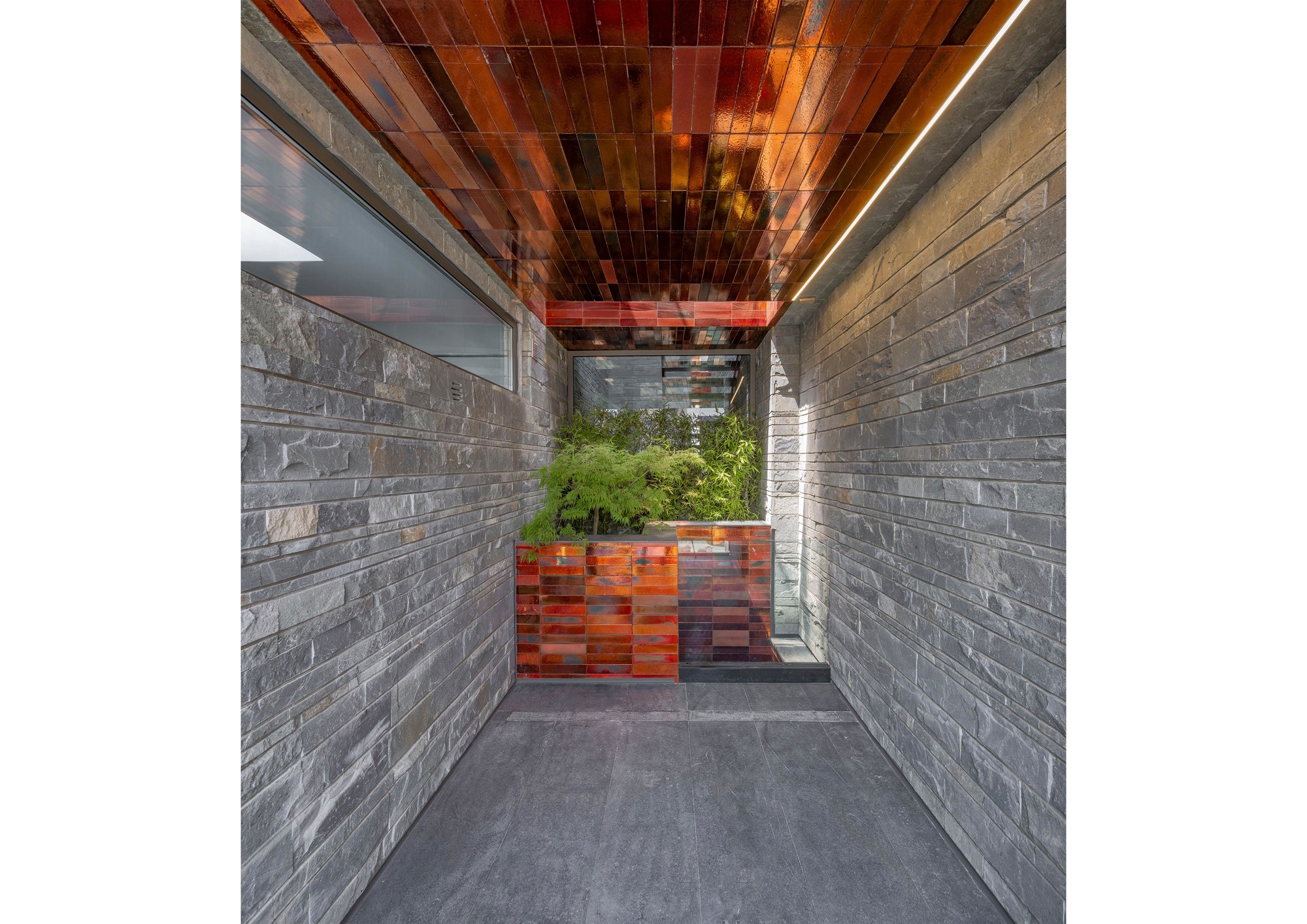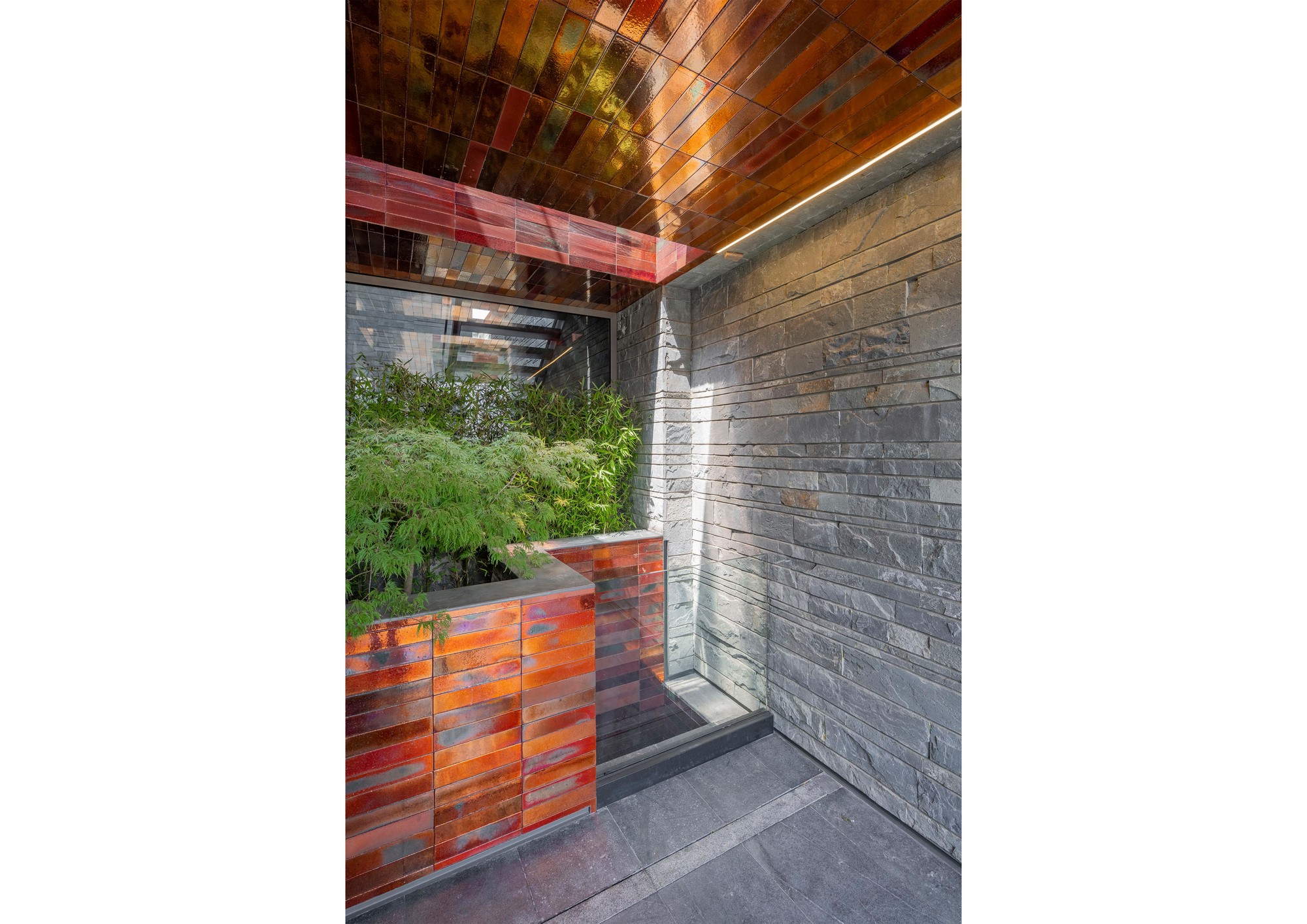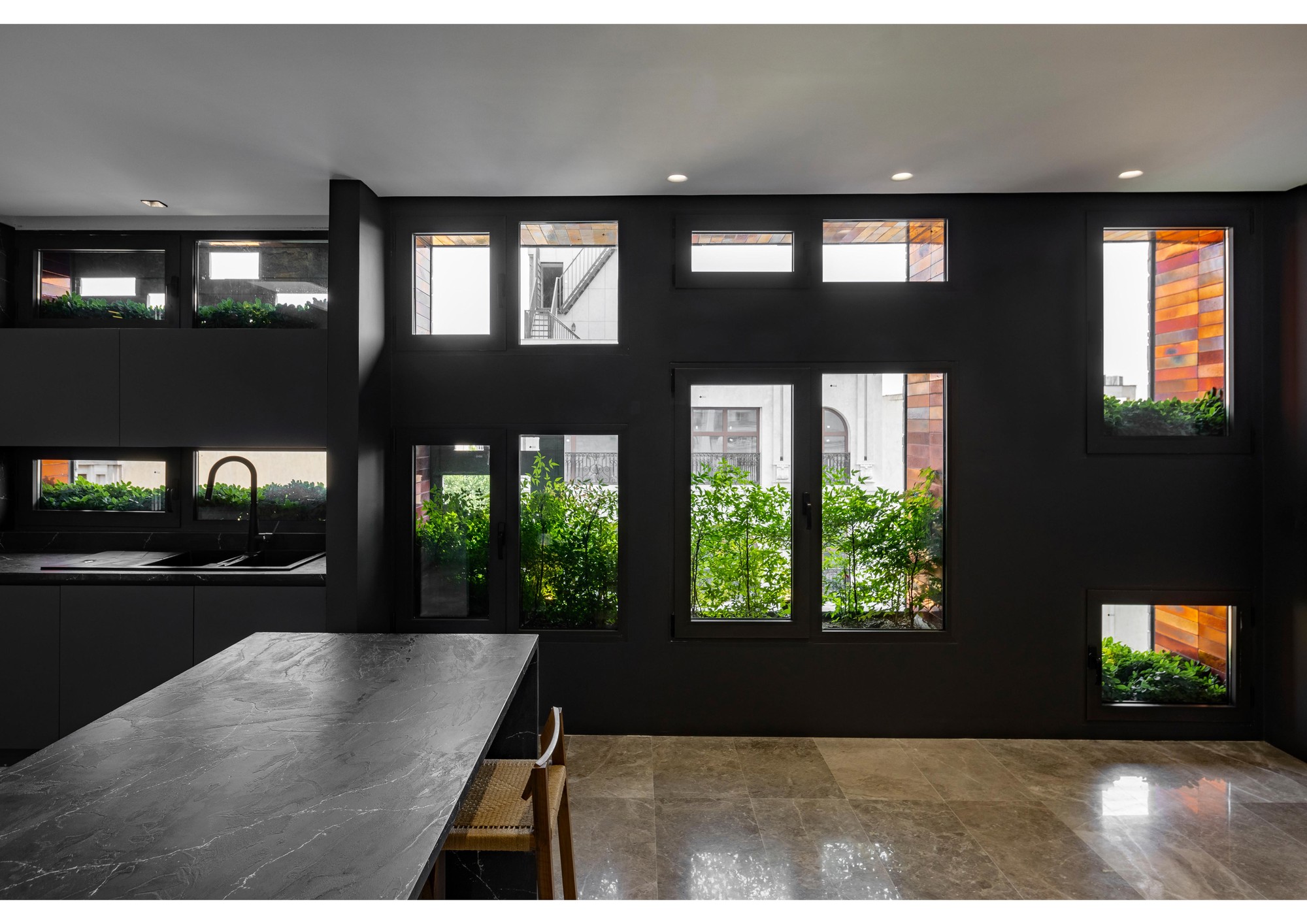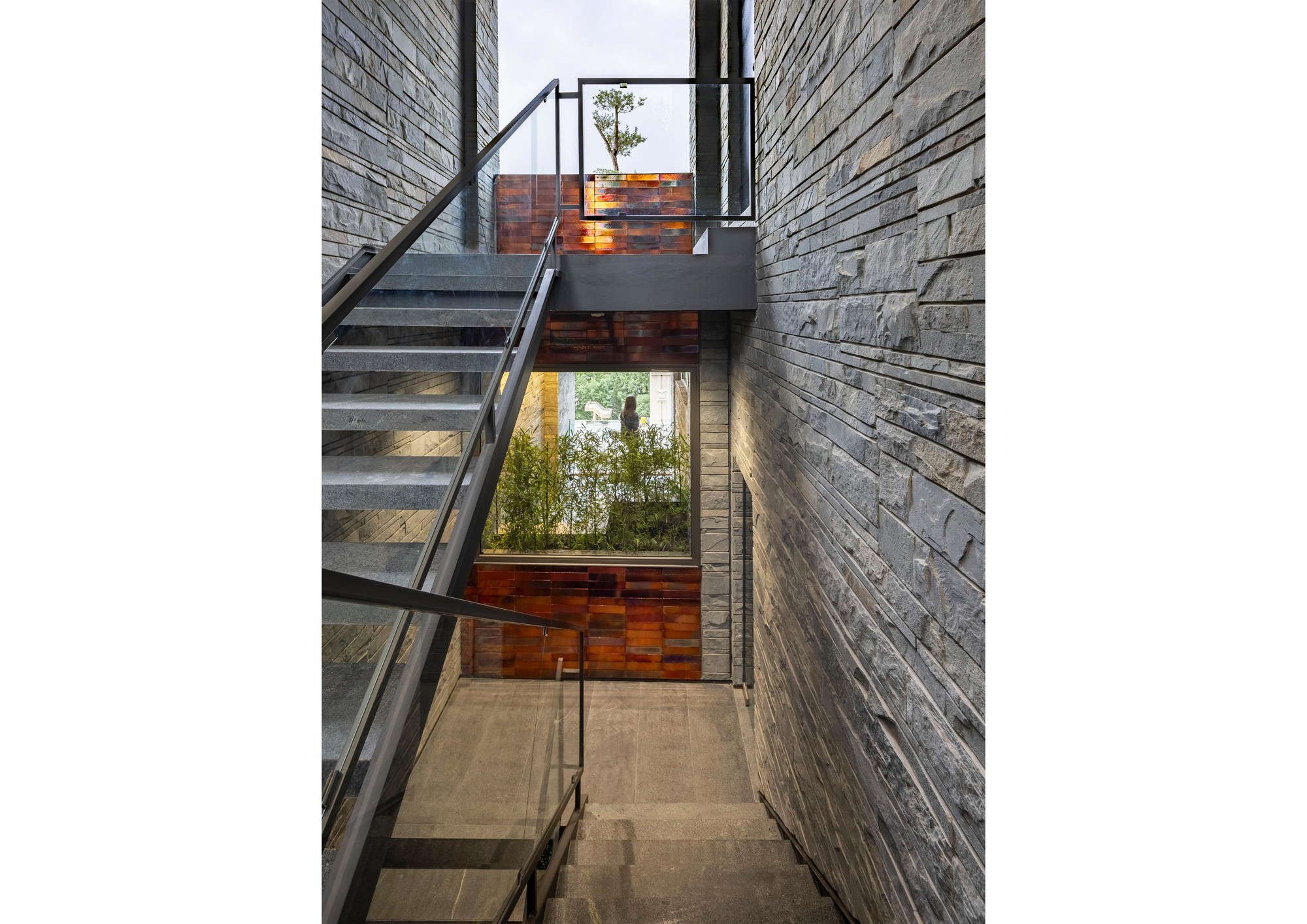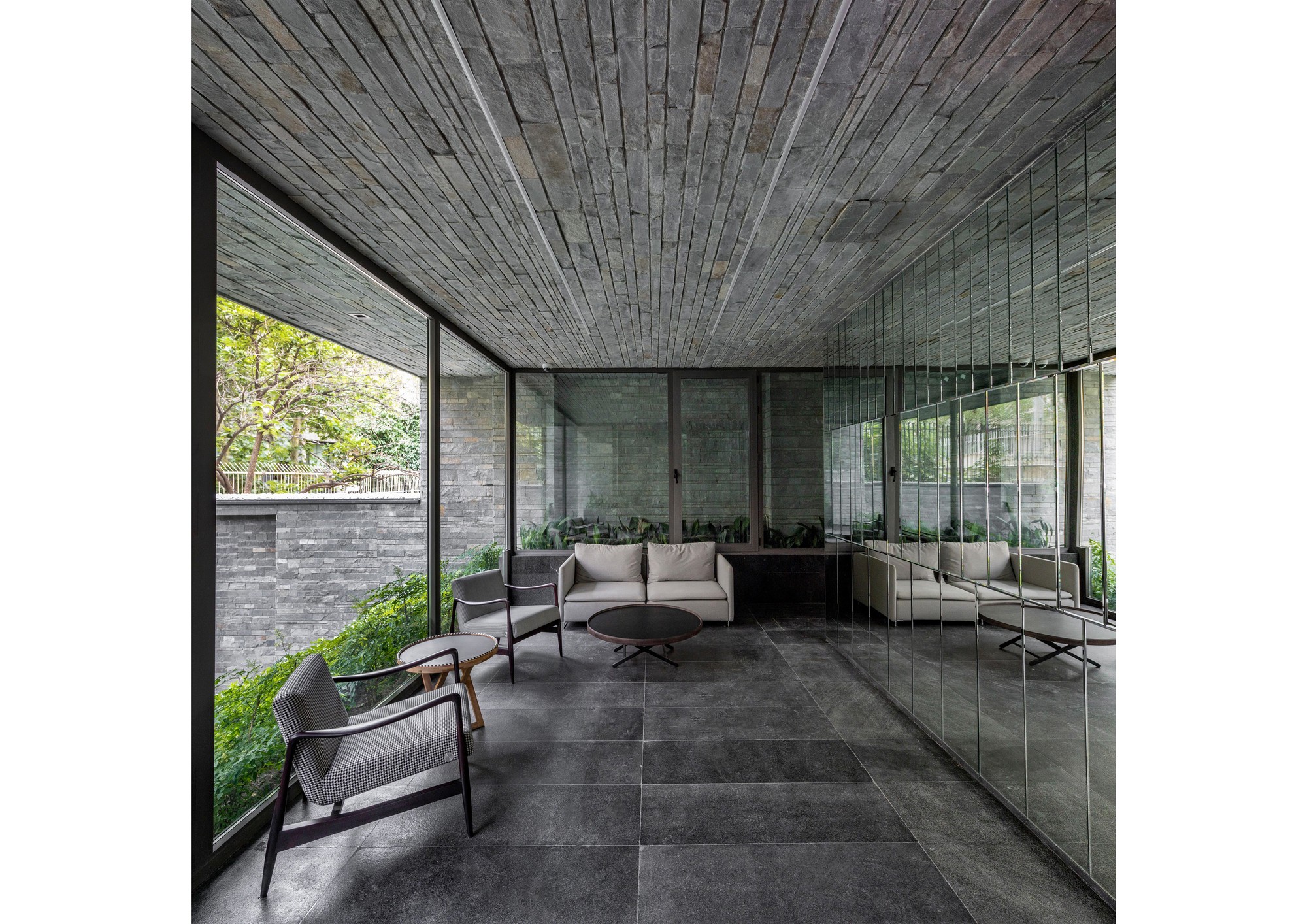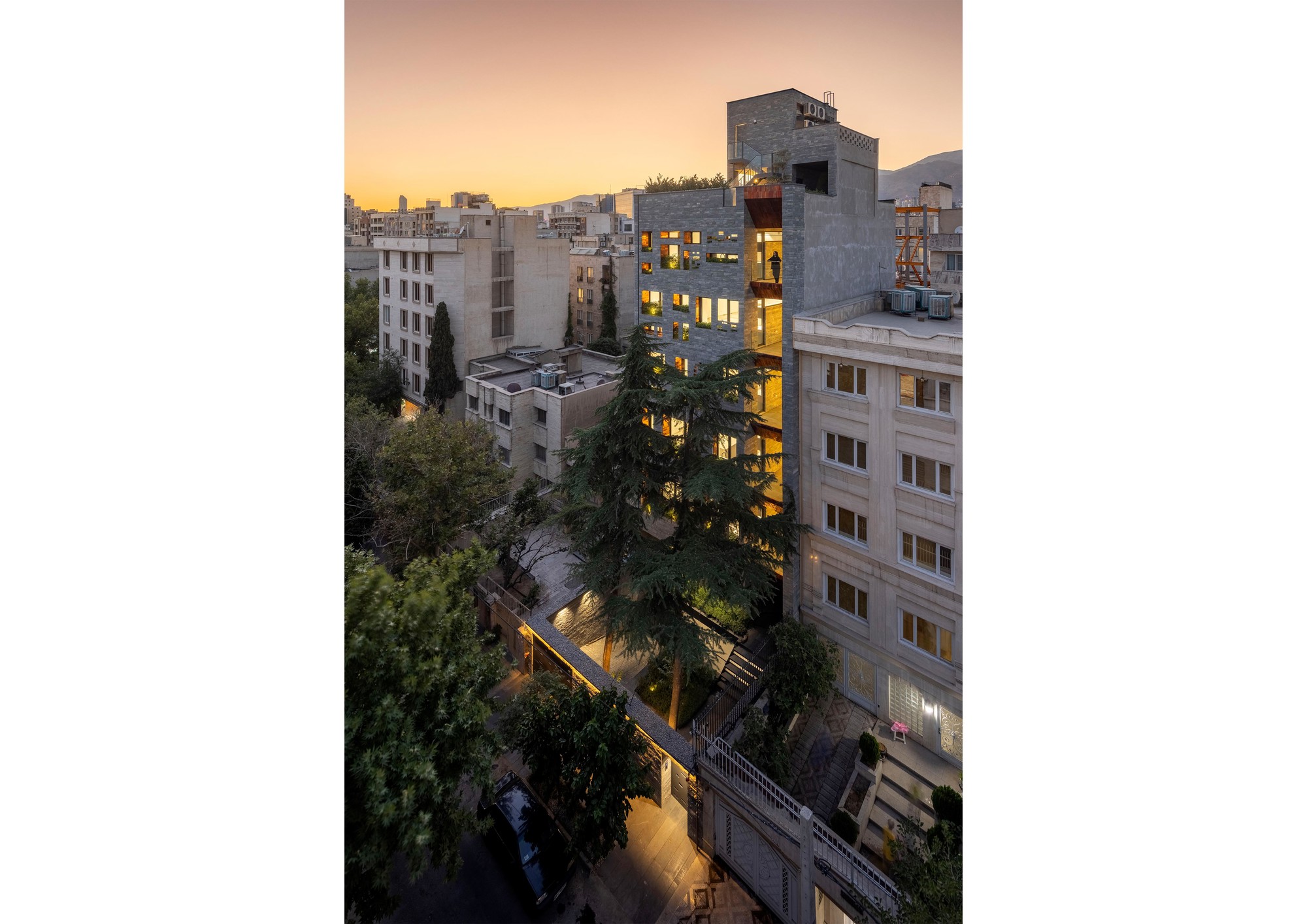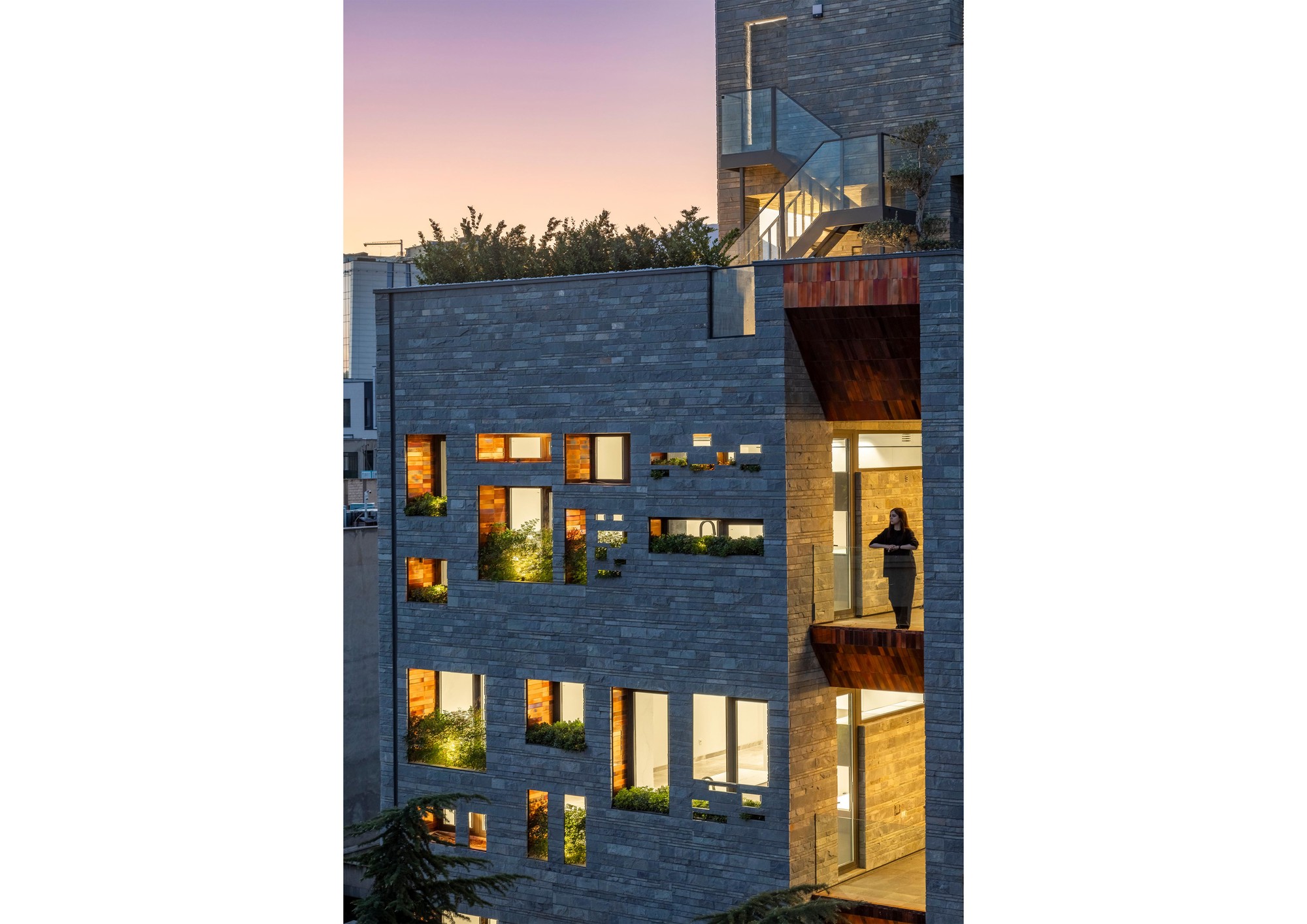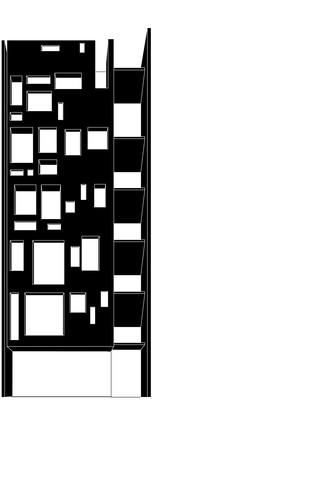
Darya Residential Building
Type : Residential
Client : Zallaghi Brothers
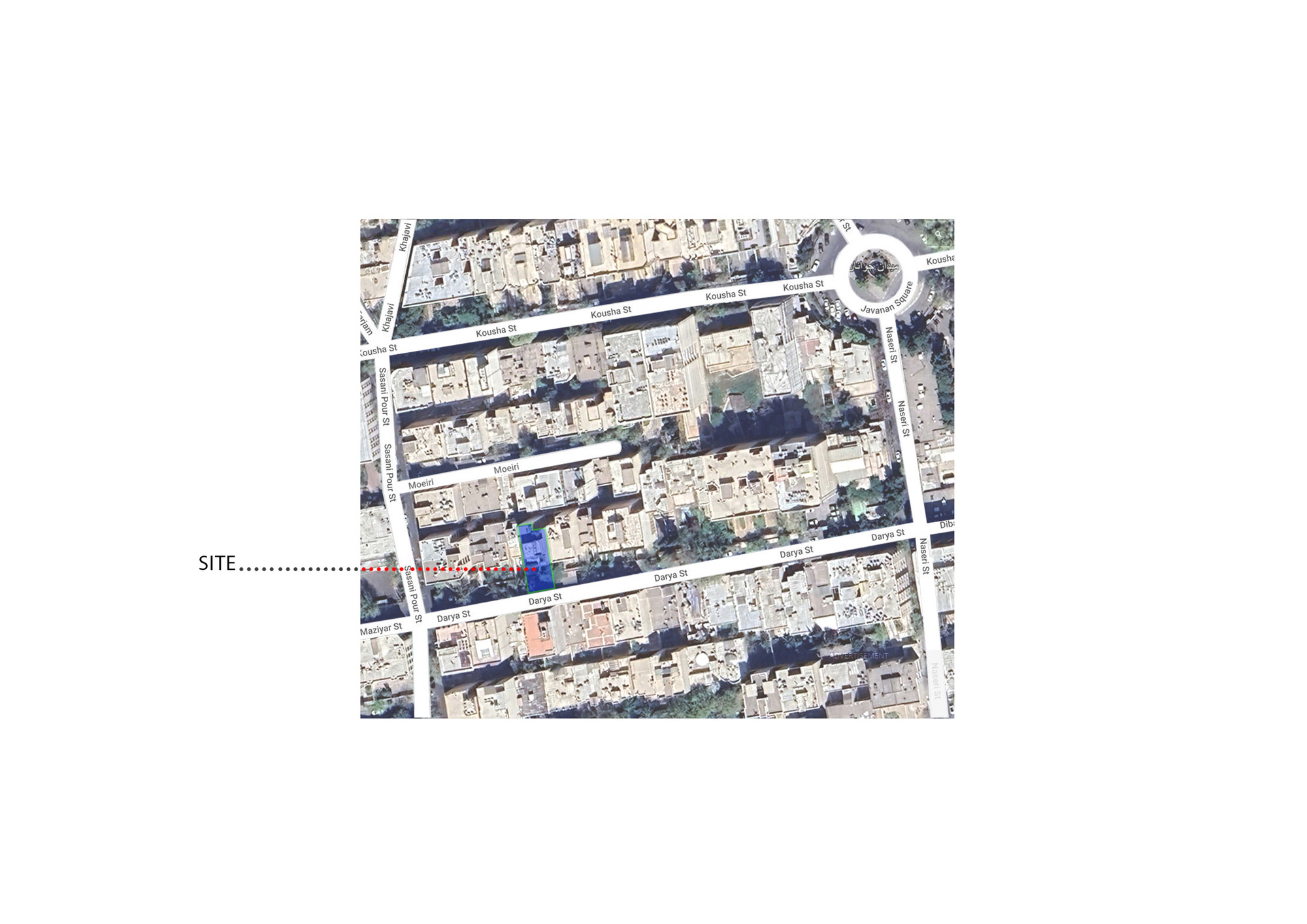
Location : Tehran,Tehran Province,Iran
Area : 1230 sqm
principal Architect : Hooman Balazadeh
Project Architect : Elham Seyfi azad
Design Team : Elham Seyfi azad , Maryam Eghlimi
Detail Design : Samira Broumand, Aida Ebrahimi
Interior design team : Alireza Bagheri , , Sahar Sanaie
Landscape designer : Saco Sabz Sazeh Group Co
Visualization: Alireza Bagheri ,Sahar Sanaie
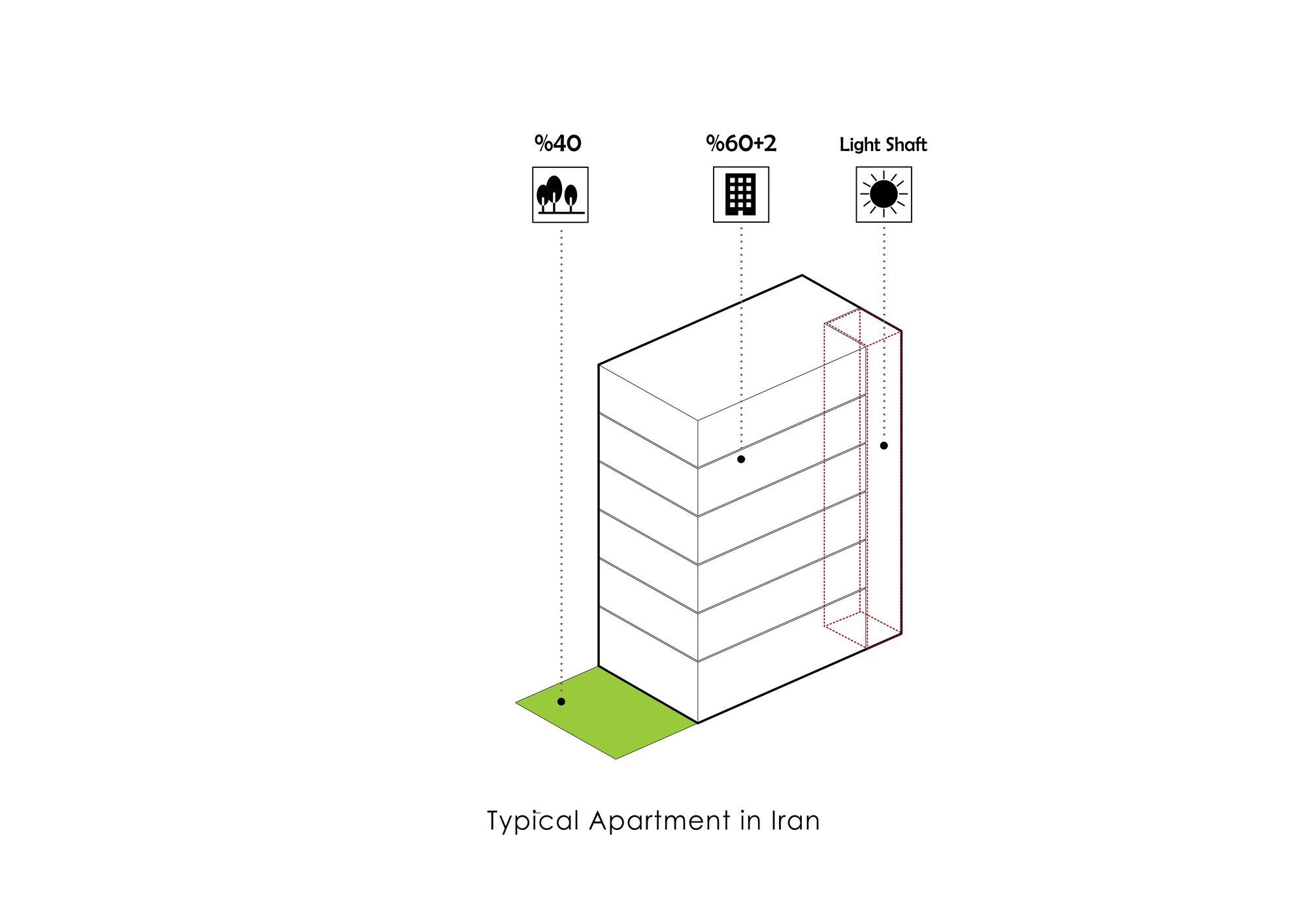
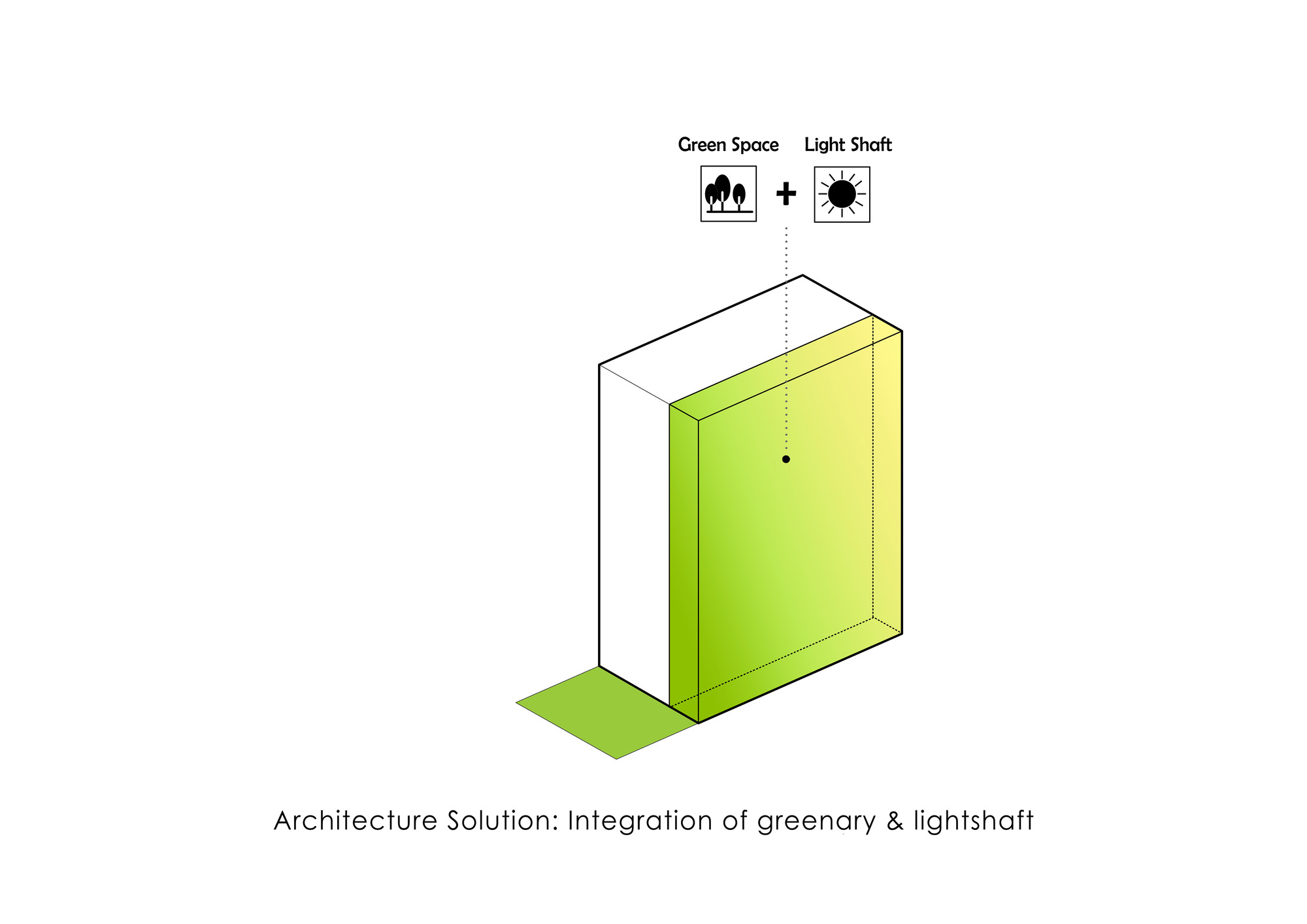
Diagram illustration : Iman Yoosefi
Project Manager : Parham Taghioff
Site Supervision : Mohammad Javadian, Samira Broumand
Executive director : Mohammad Javadian
Construction Director : Mohammad Javadian
Mechanical Consultant Engineer : Mr Nikkhou
Electrical Consultant Engineer : Mr Nikkhou
Structural Consultant Engineer : Alireza Jam
Lighting Design : Faad Co.
Furniture design : Neshiman Co.
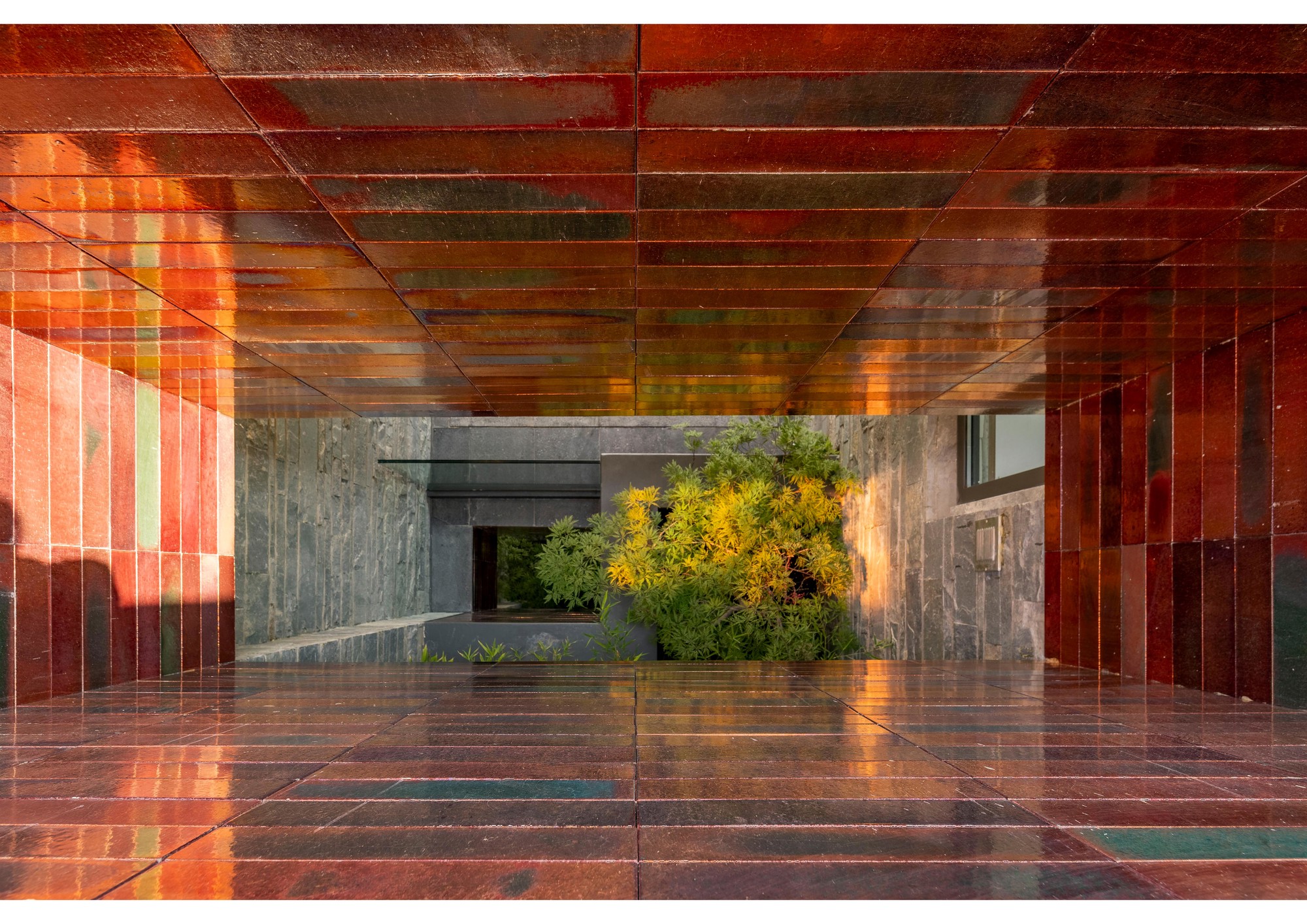
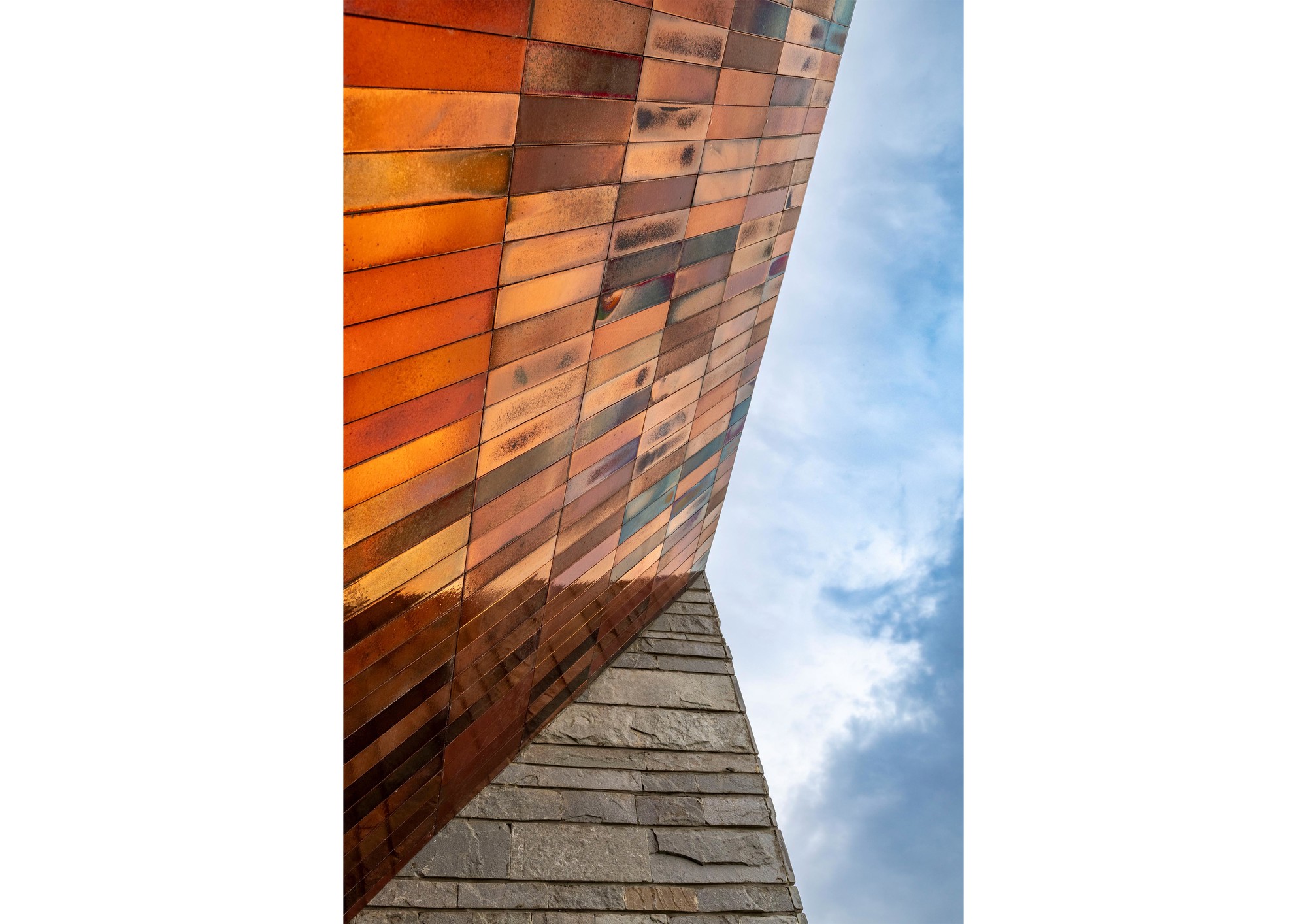
Glazed brick designer : Damoon Co.
Photography : Parham Taghioff
Logo design : Iman Yoosefi