Projects

Saba Naft Office and Commercial

Type : Mixed-Use
Location : Tehran - Iran
Area : 16,000 m2


principal Architect : Hooman Balazadeh
Project Architect : Mohsen Kazemian Fard
Design Team : Iman Yoosefi, Hooman Faali, Airin Abdeh
Visualization: Mona Rzavi
Animation : Iman Yoosefi
Physical Modeling : Mehran Alinezhad, Davood Raeesi
Presentation : Iman Yoosefi
Logo design : Iman Yoosefi

Saba Naft Office and Commercial

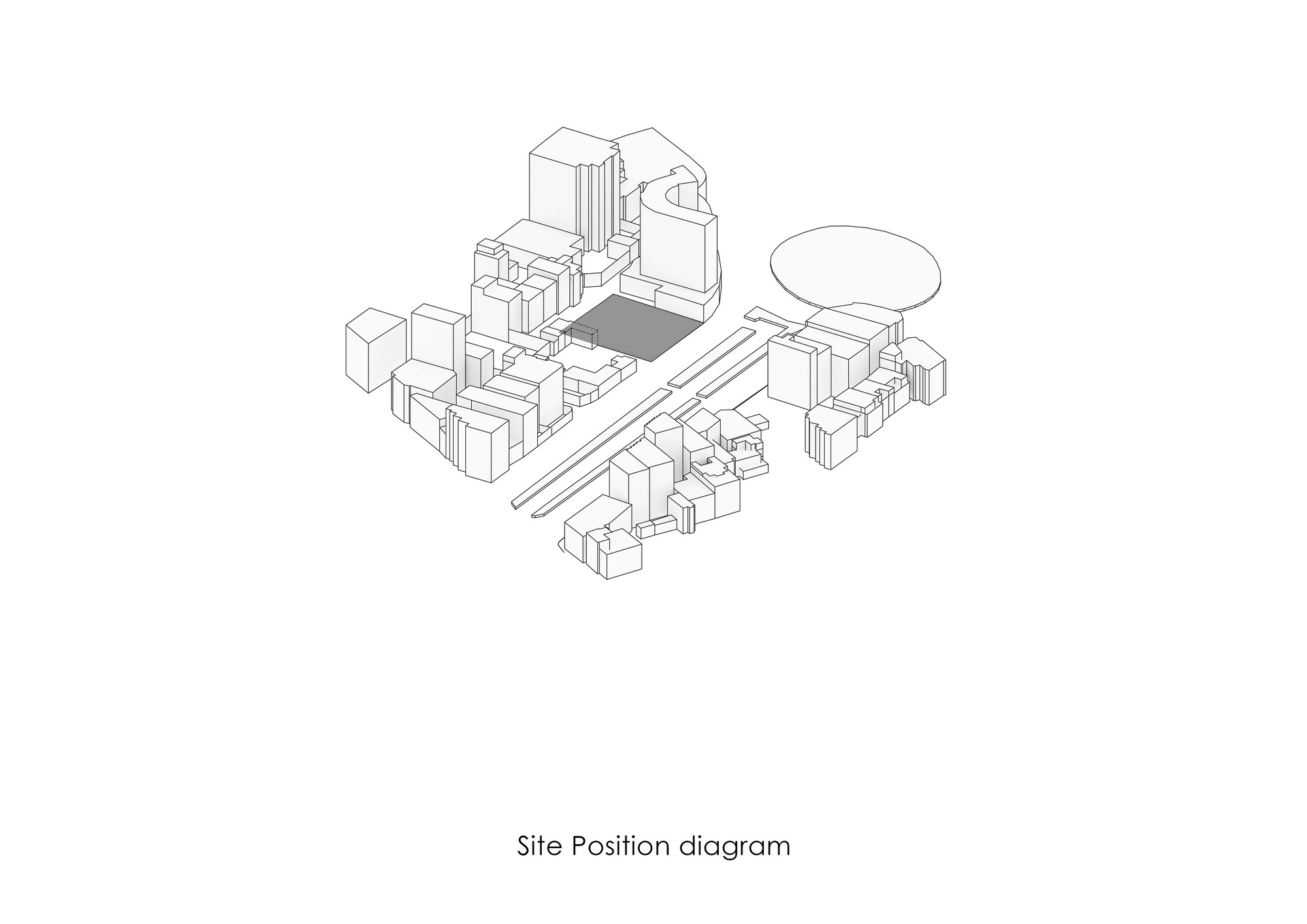
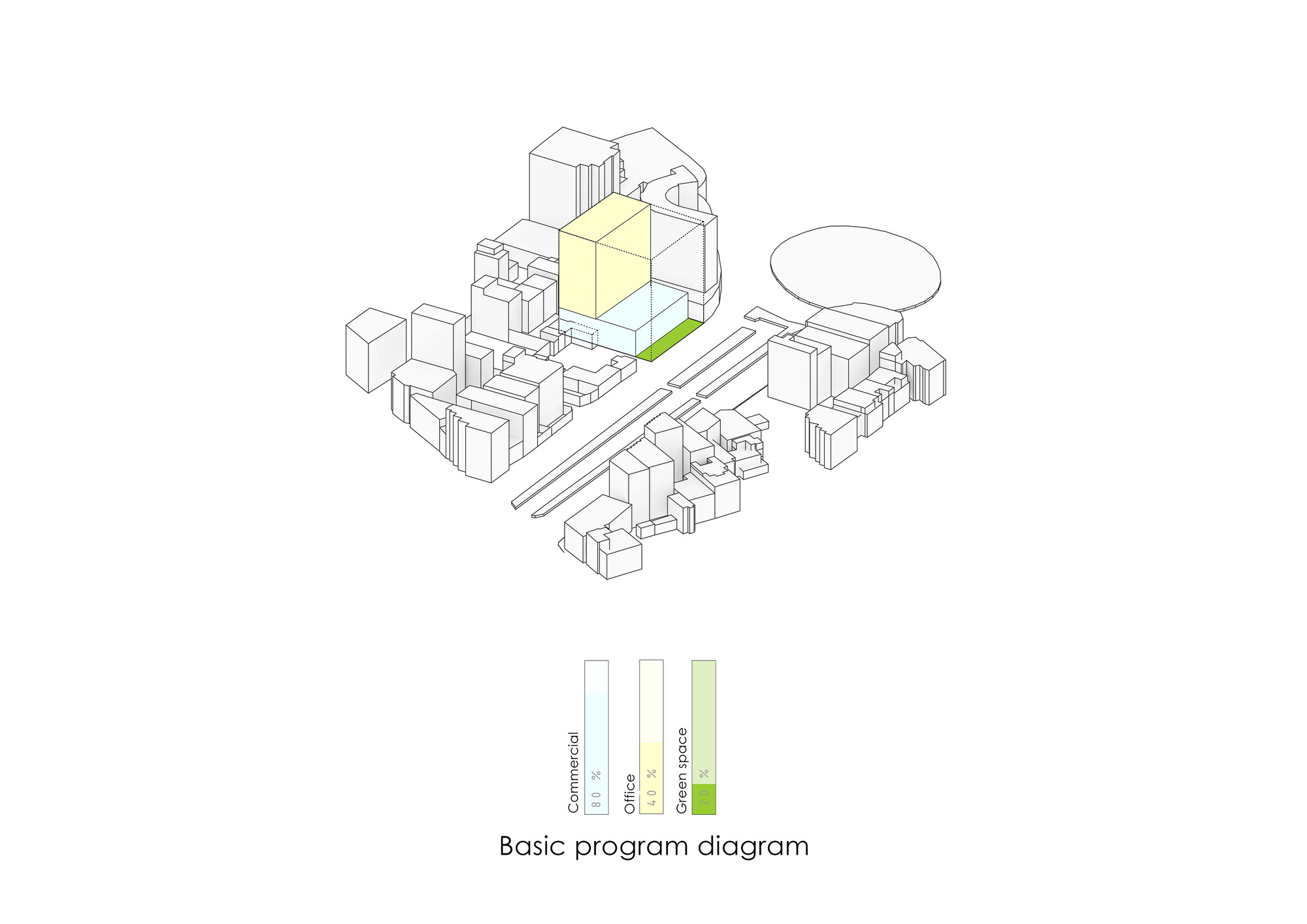
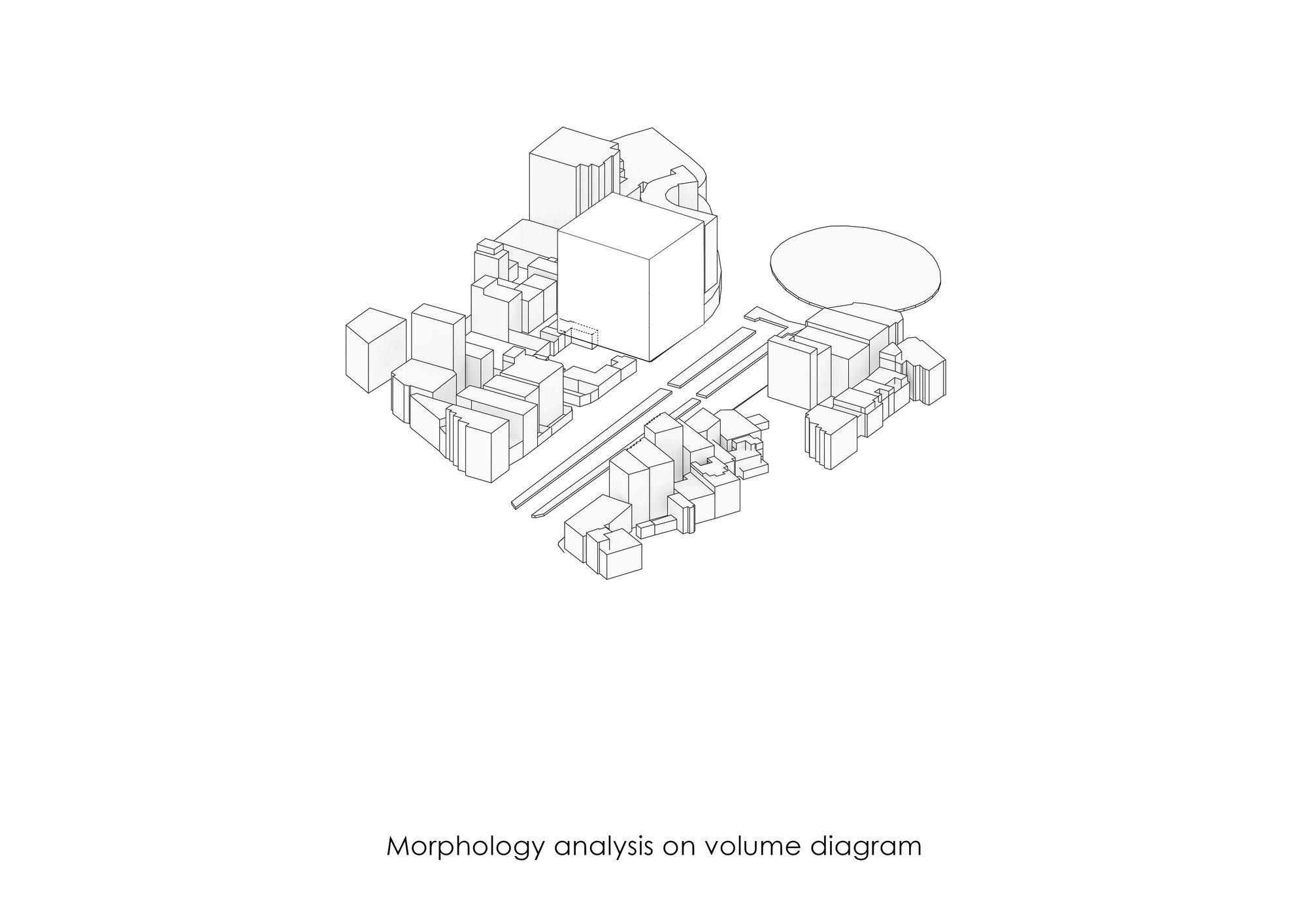
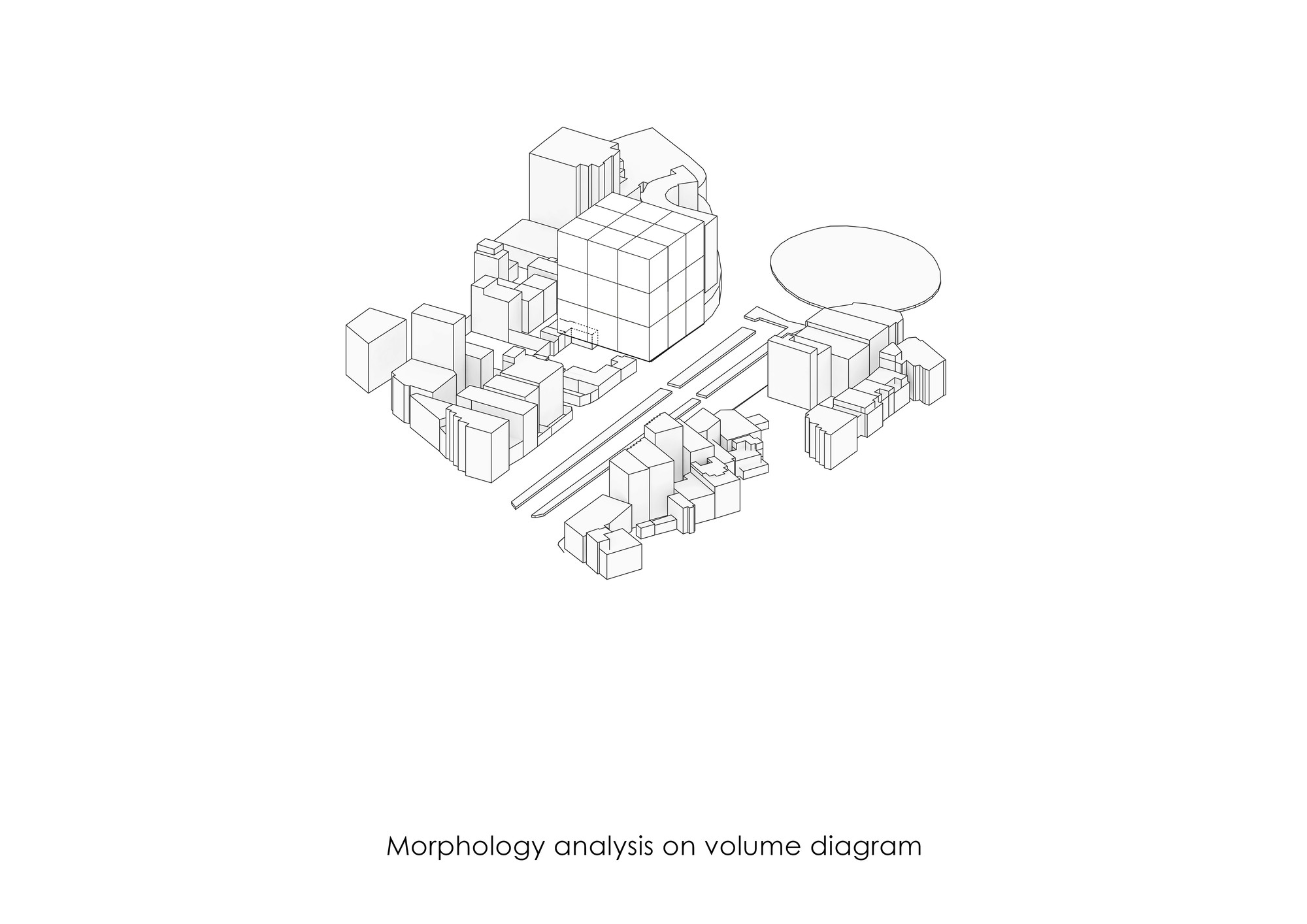
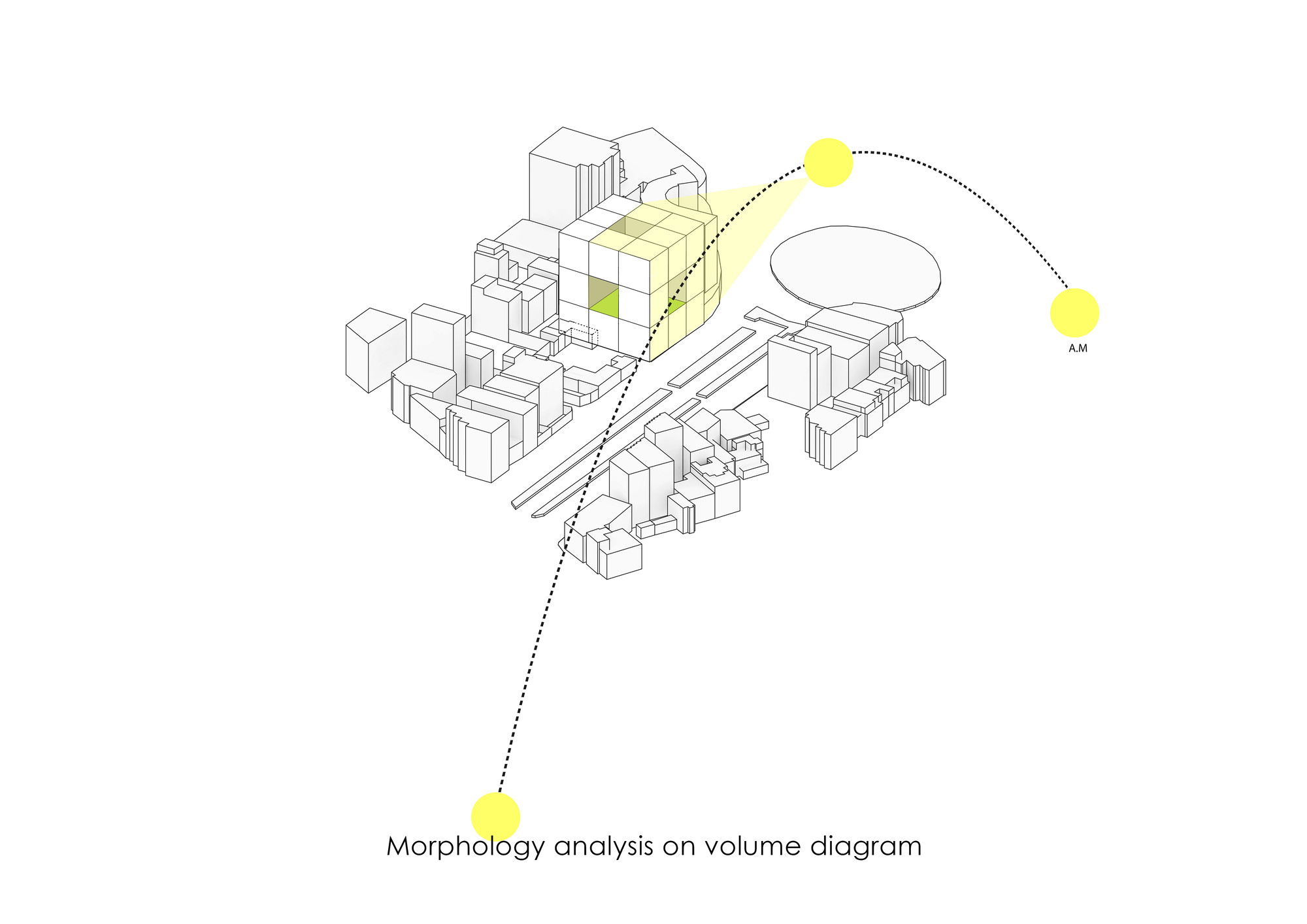
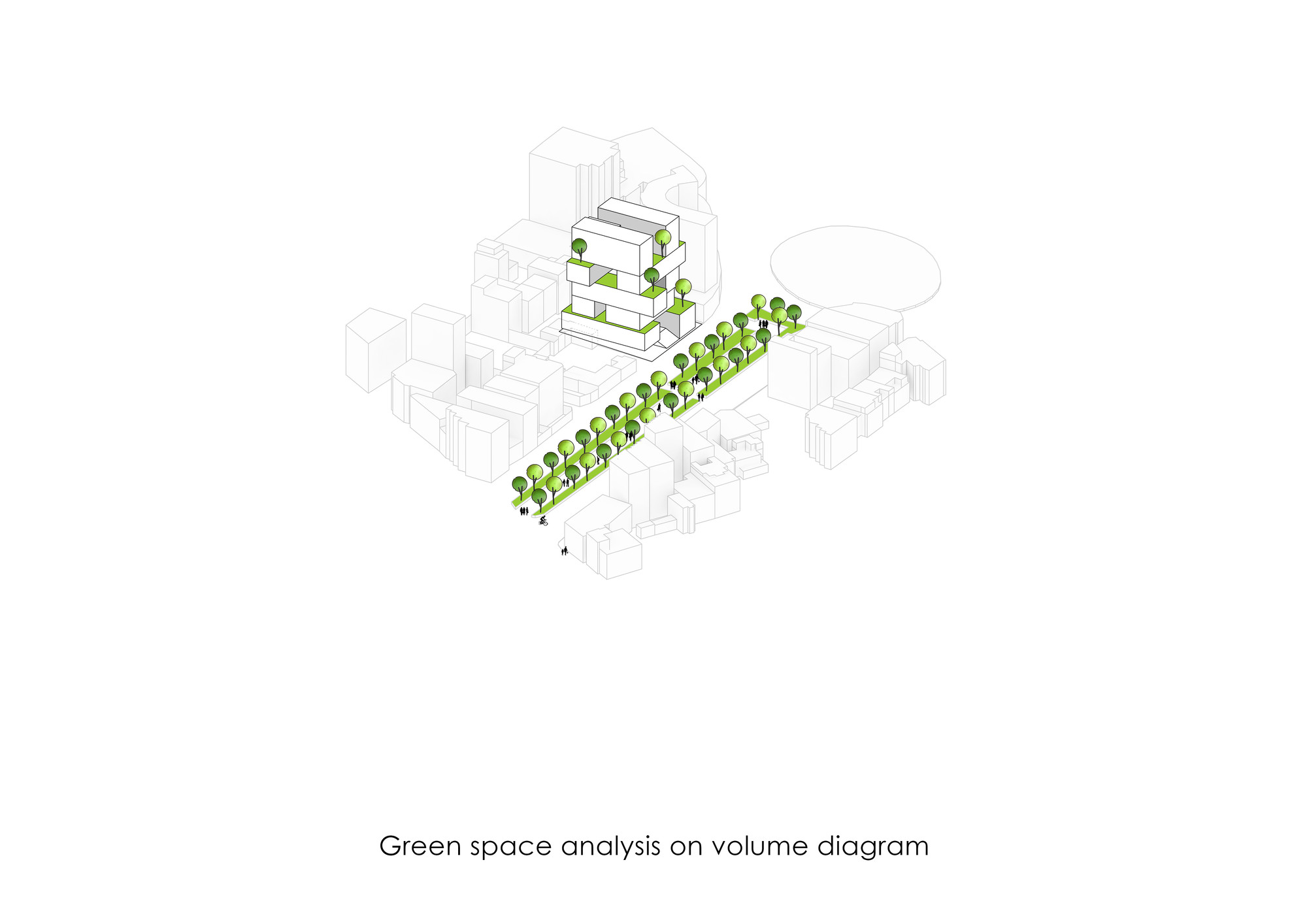
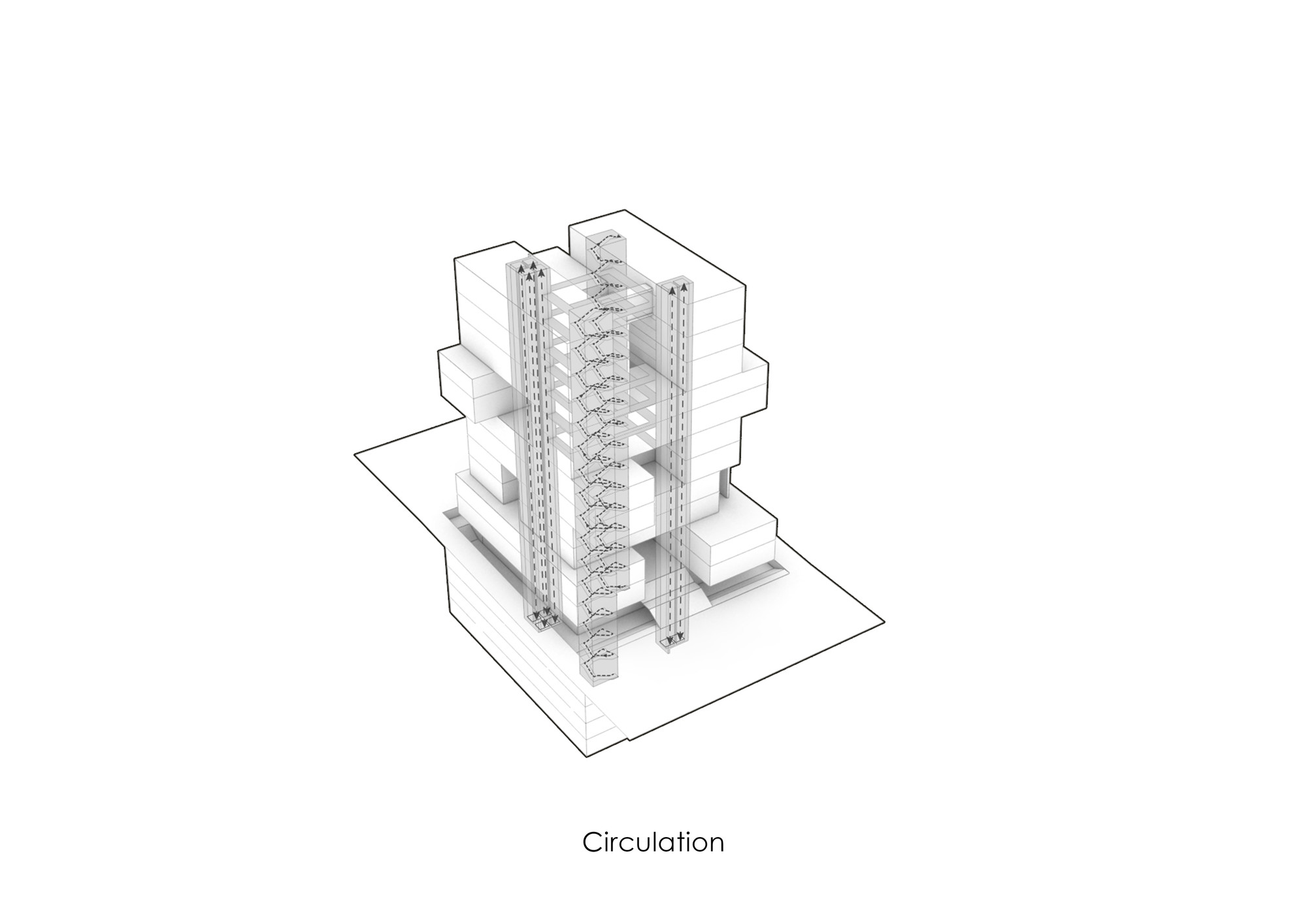
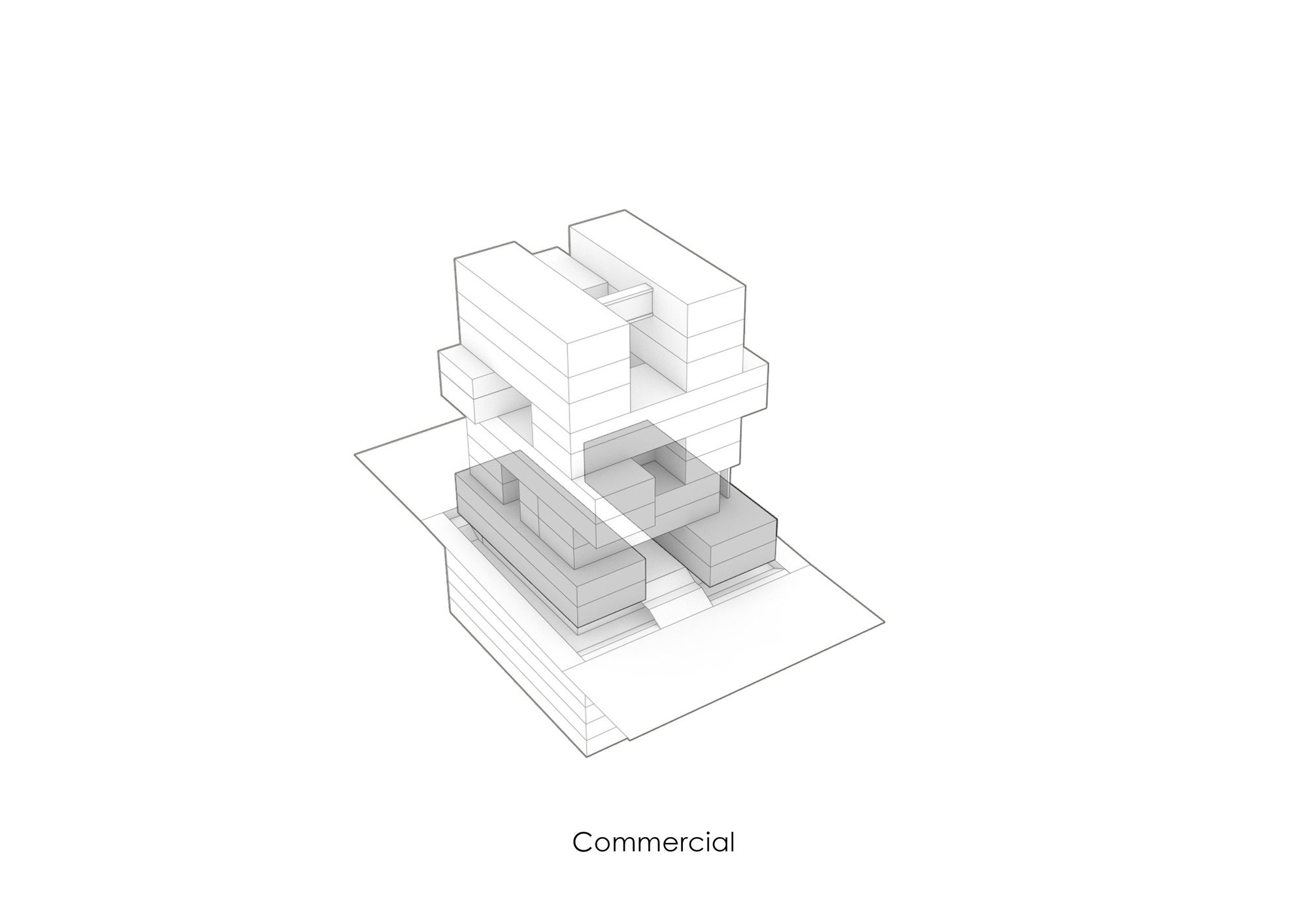
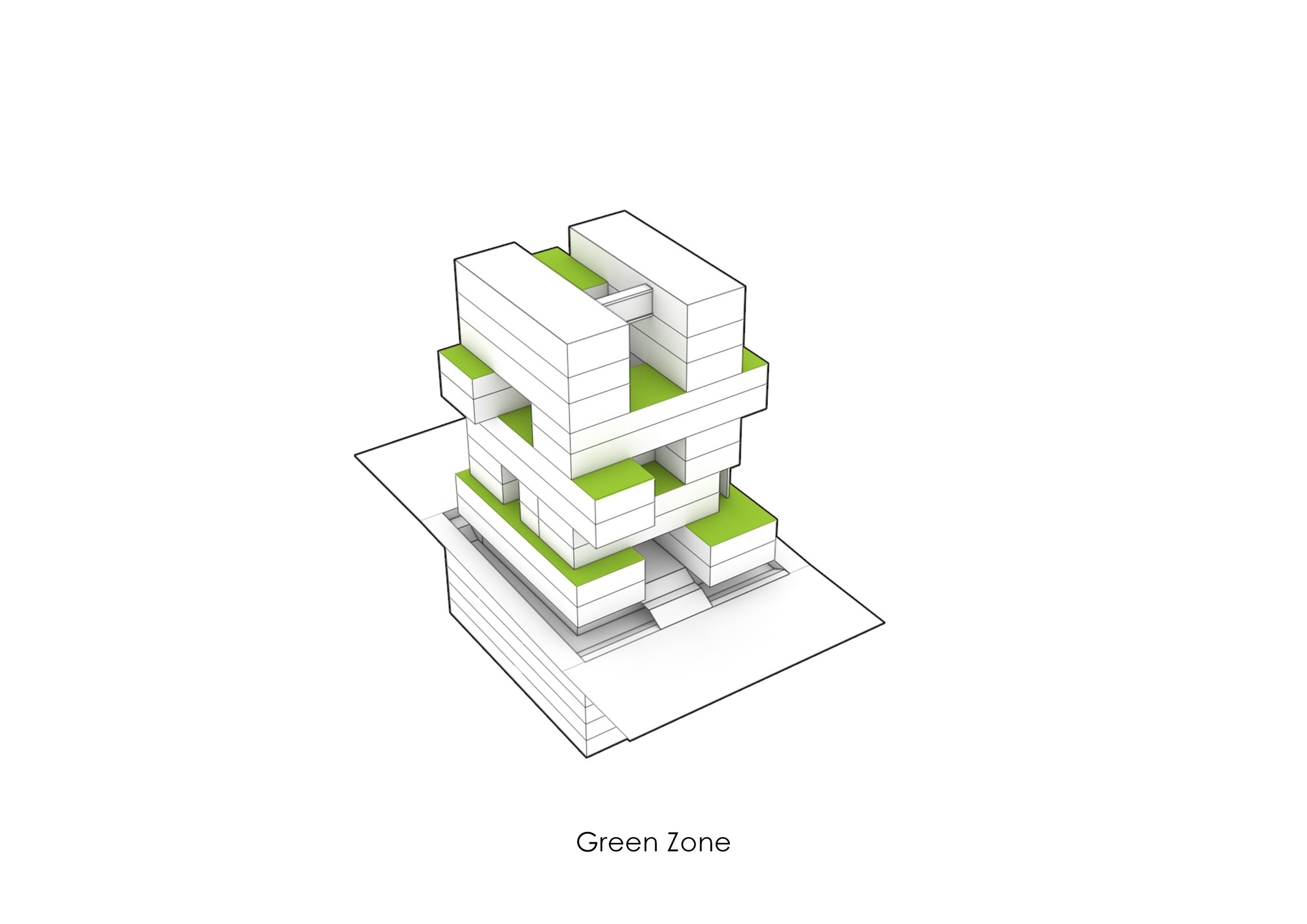
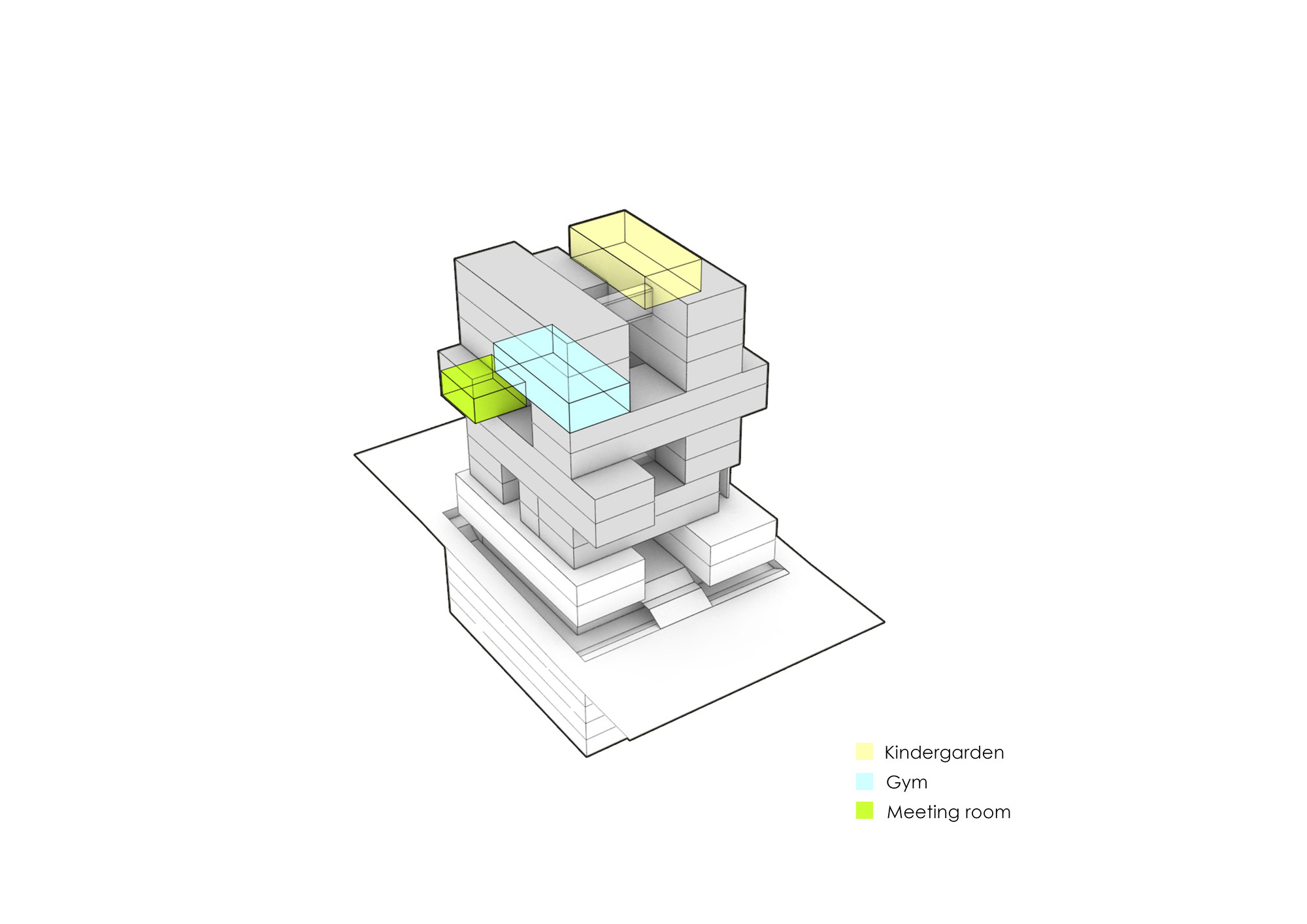
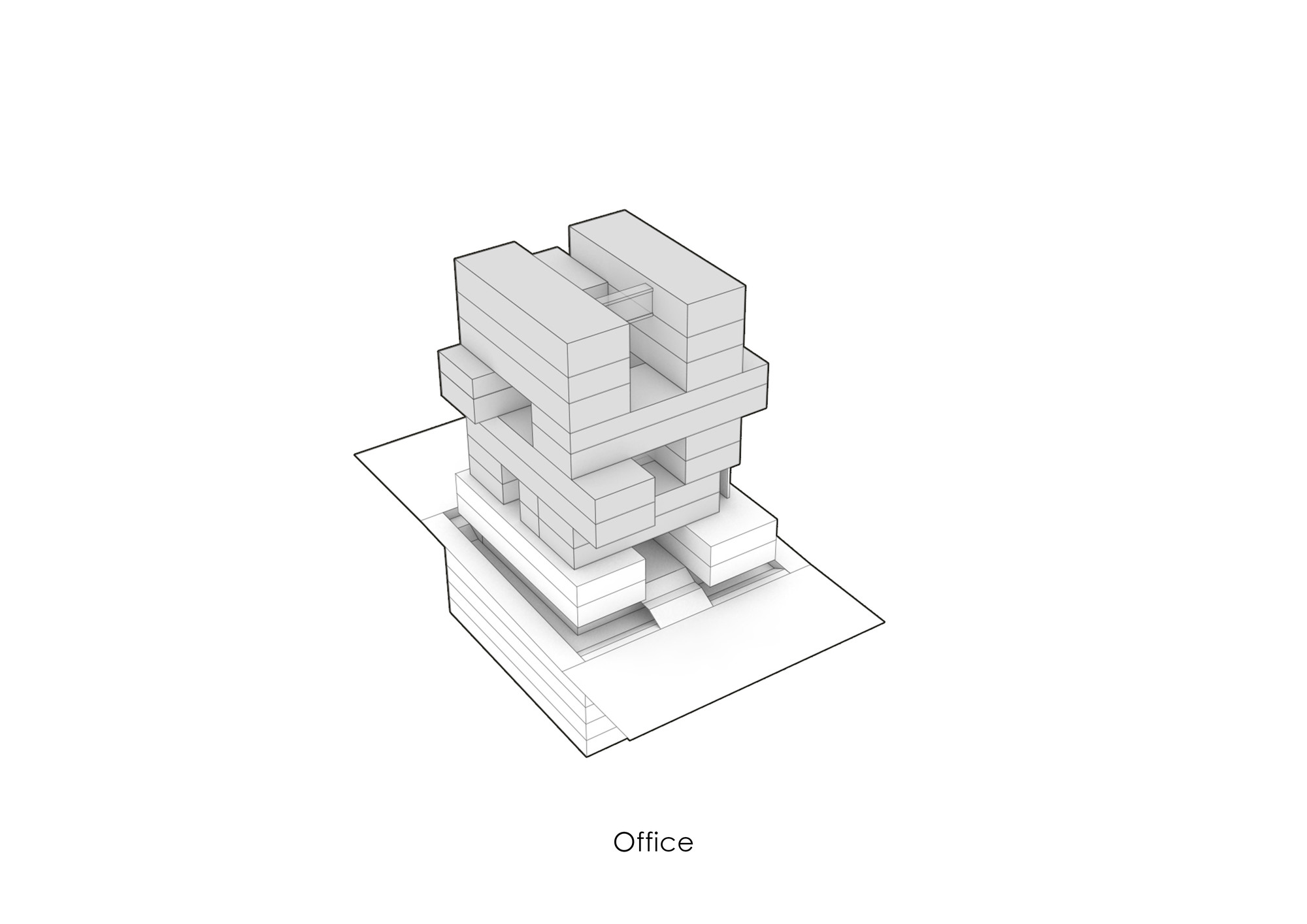
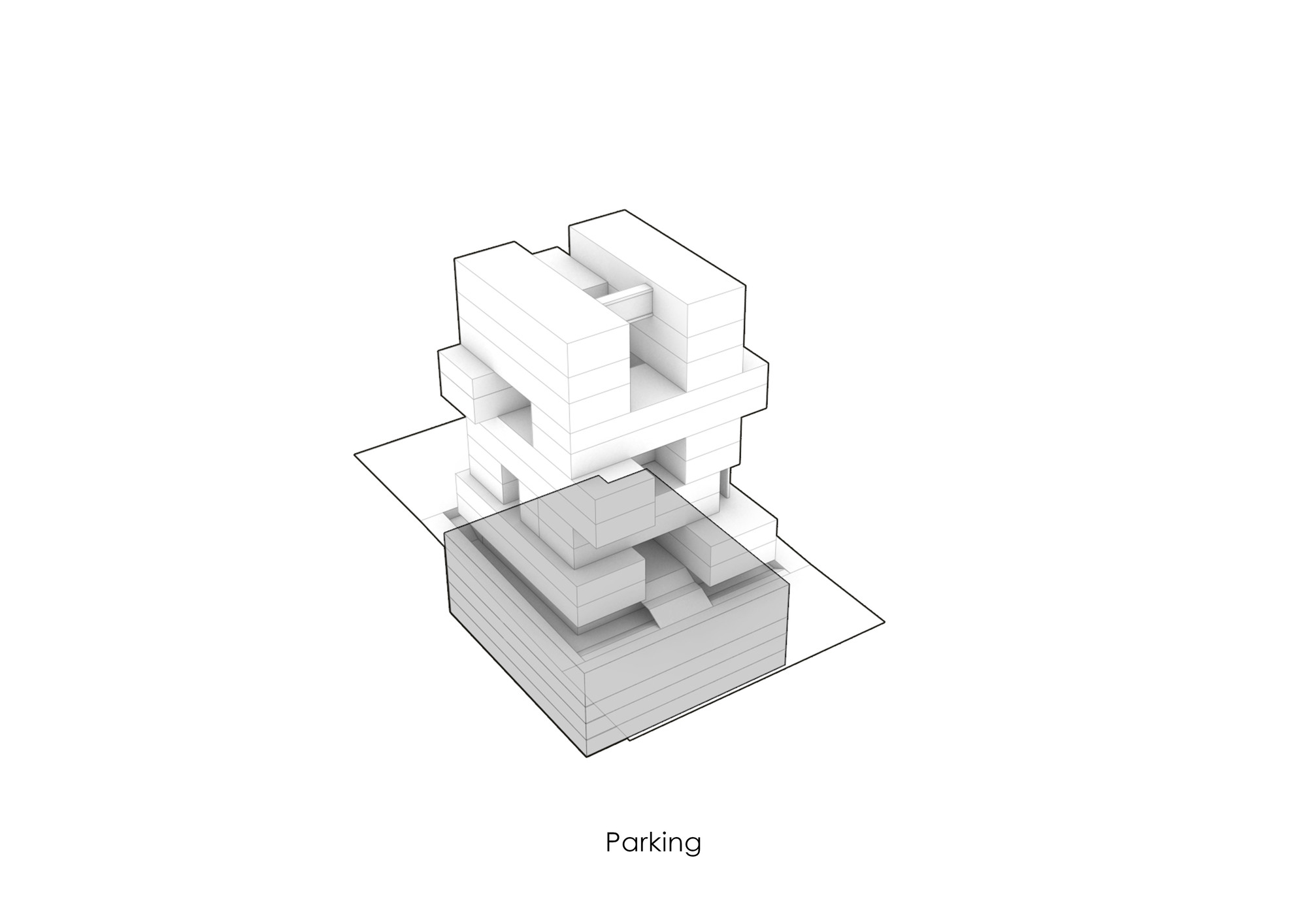
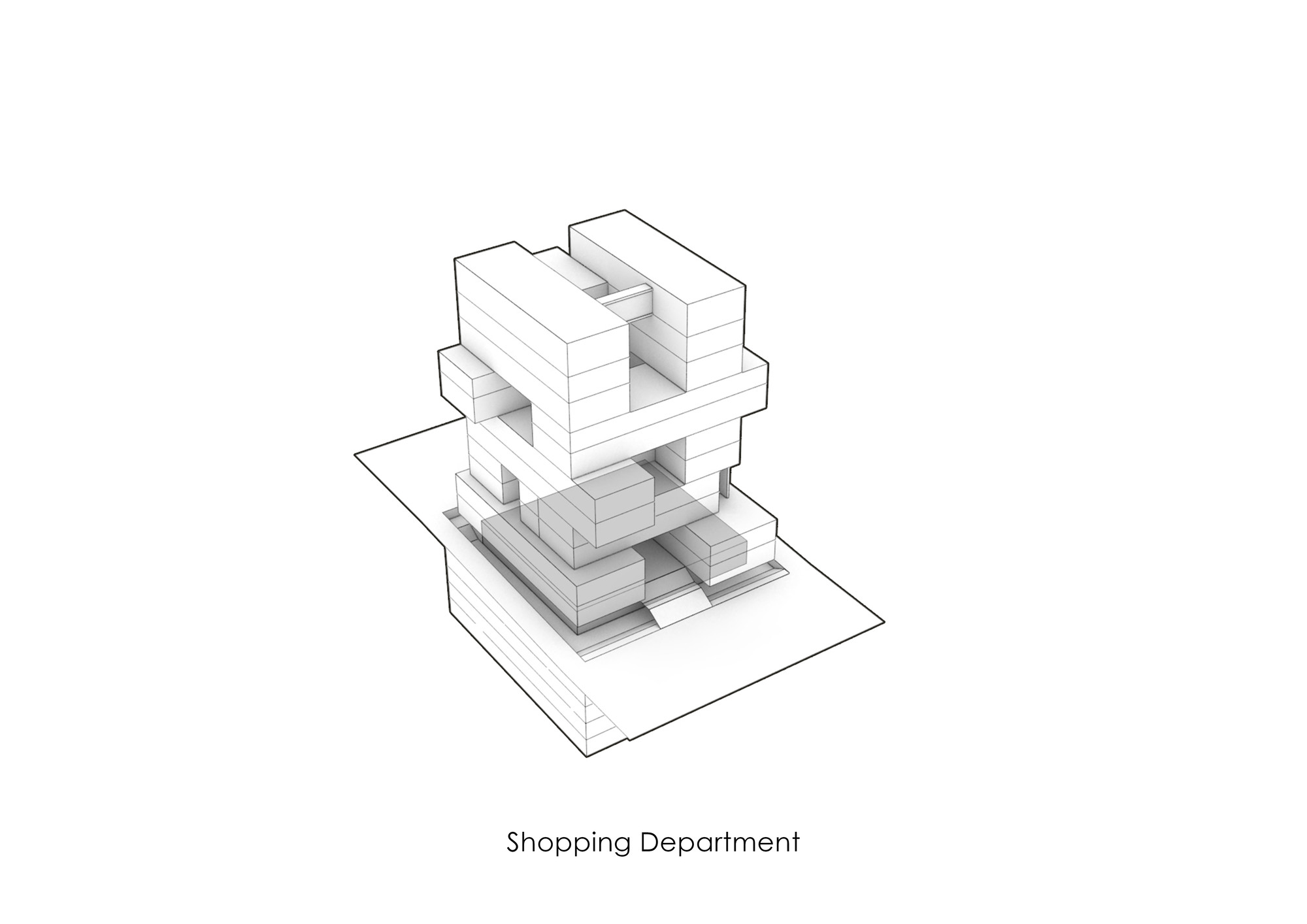
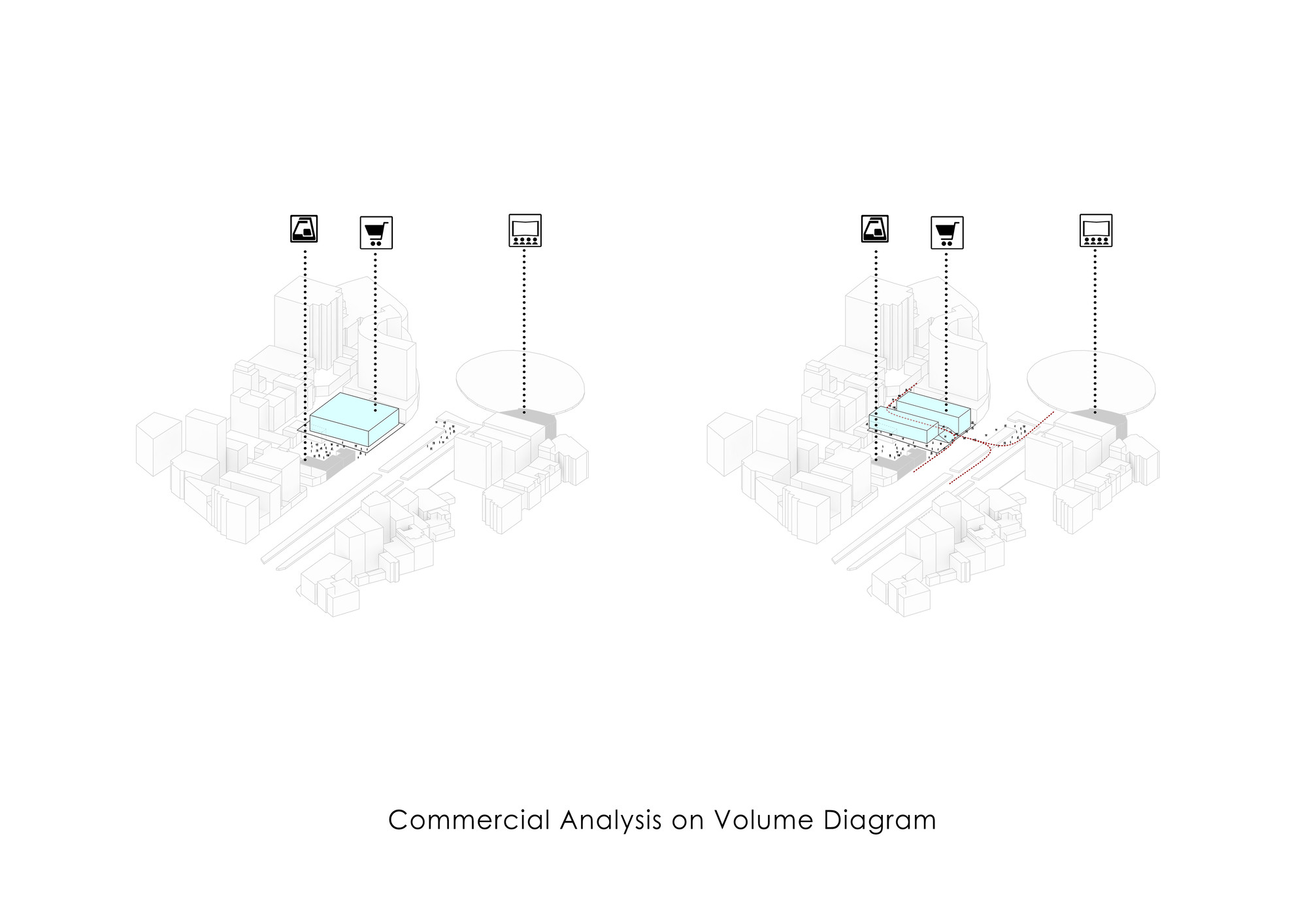
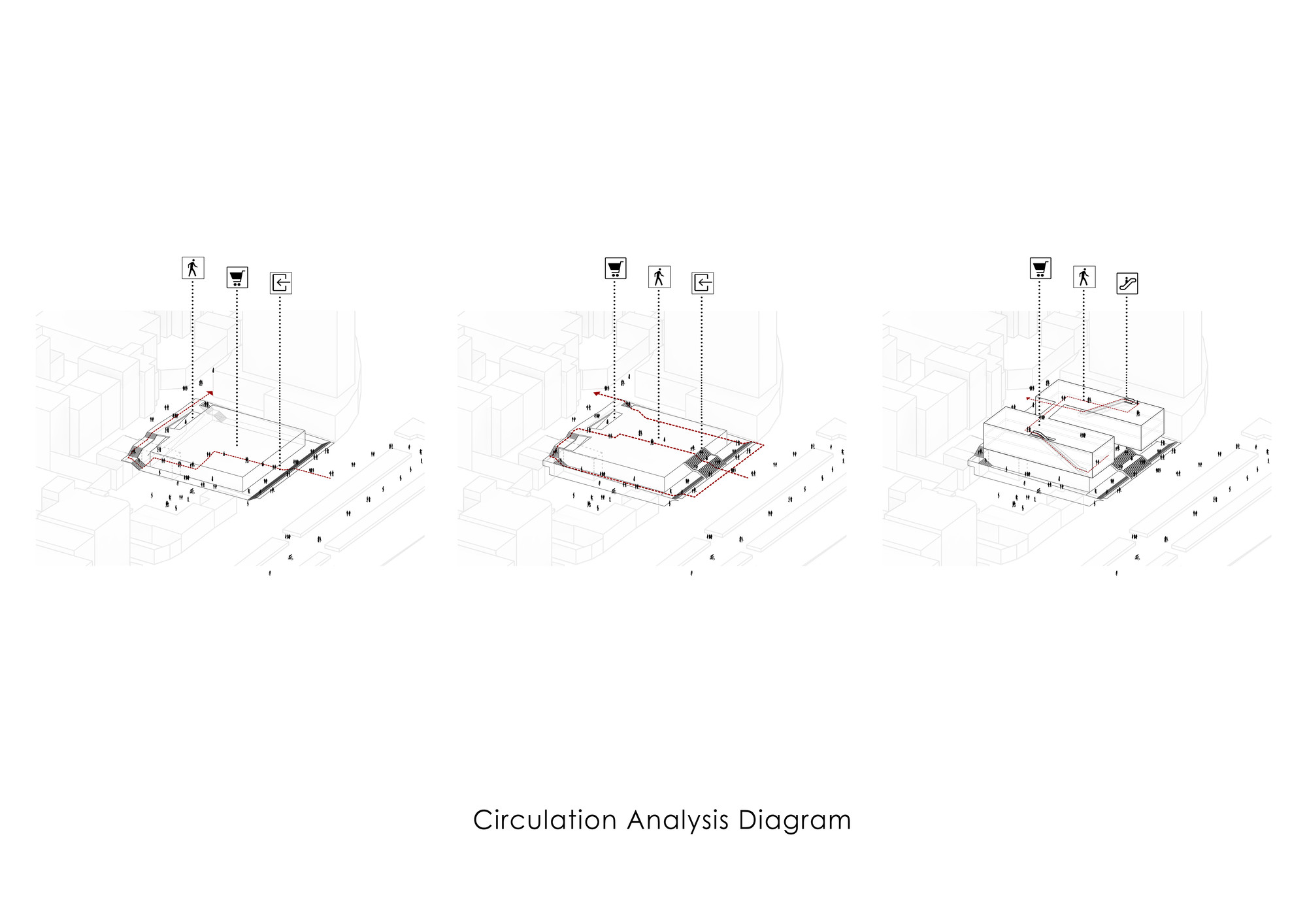
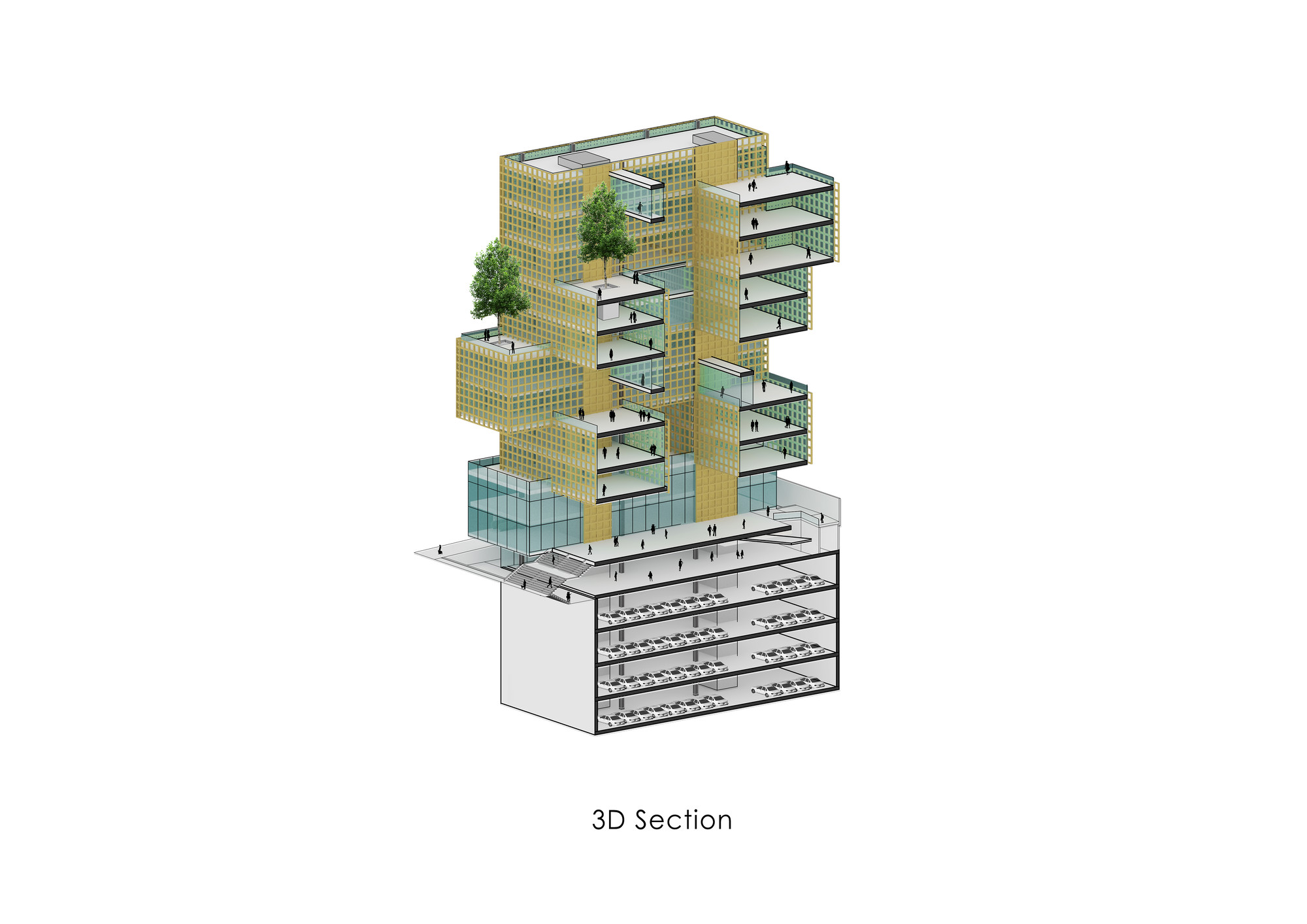
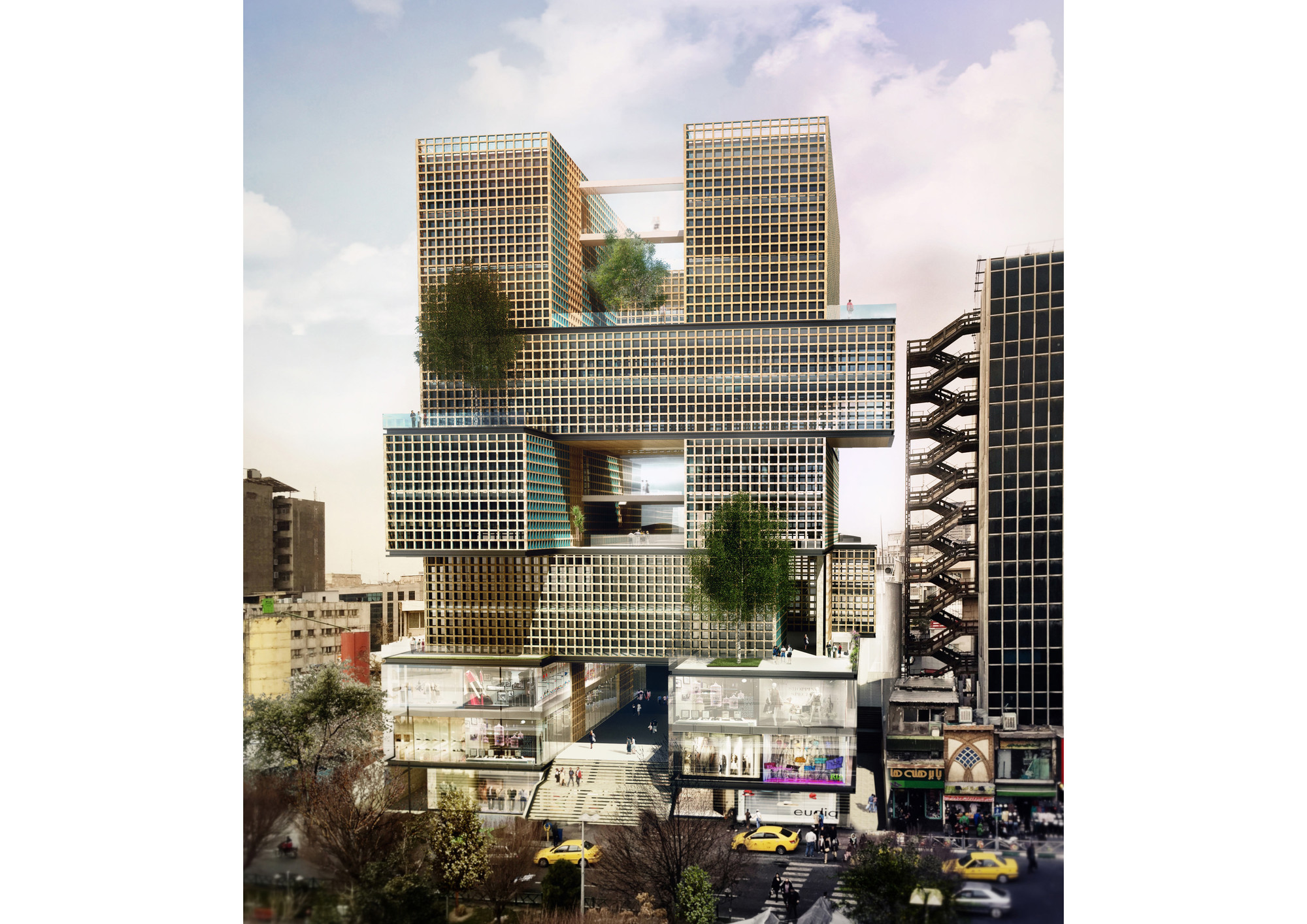
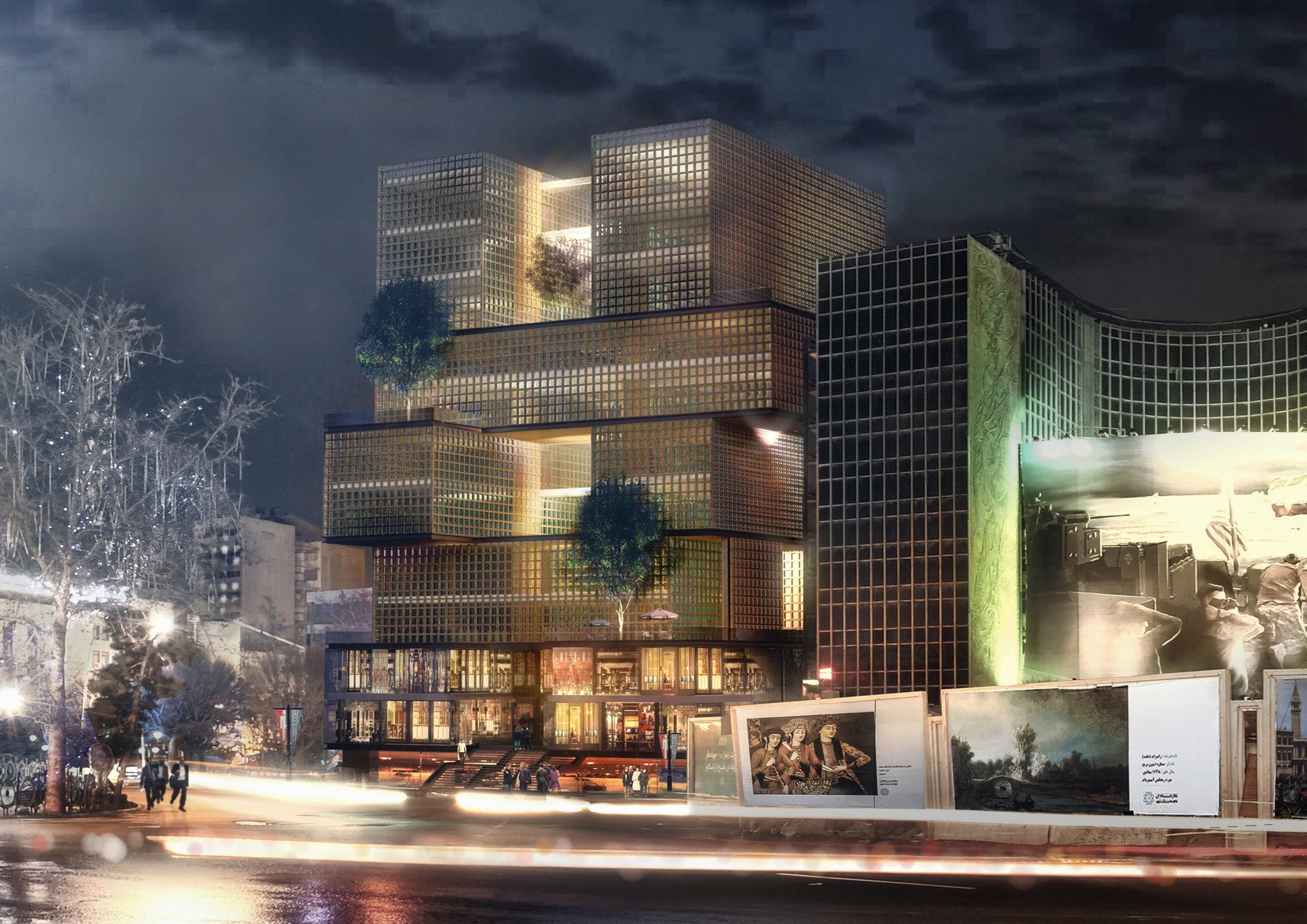
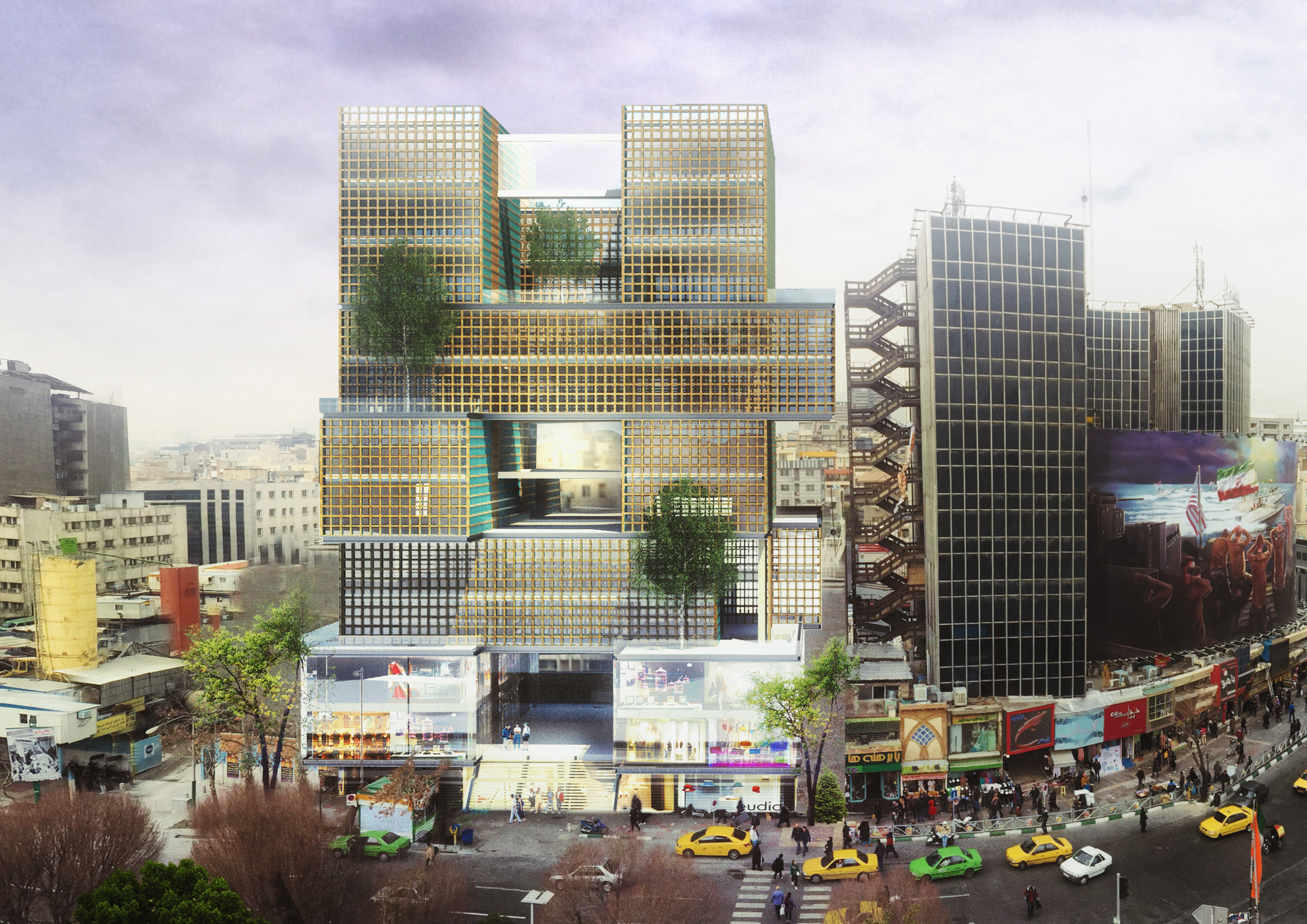
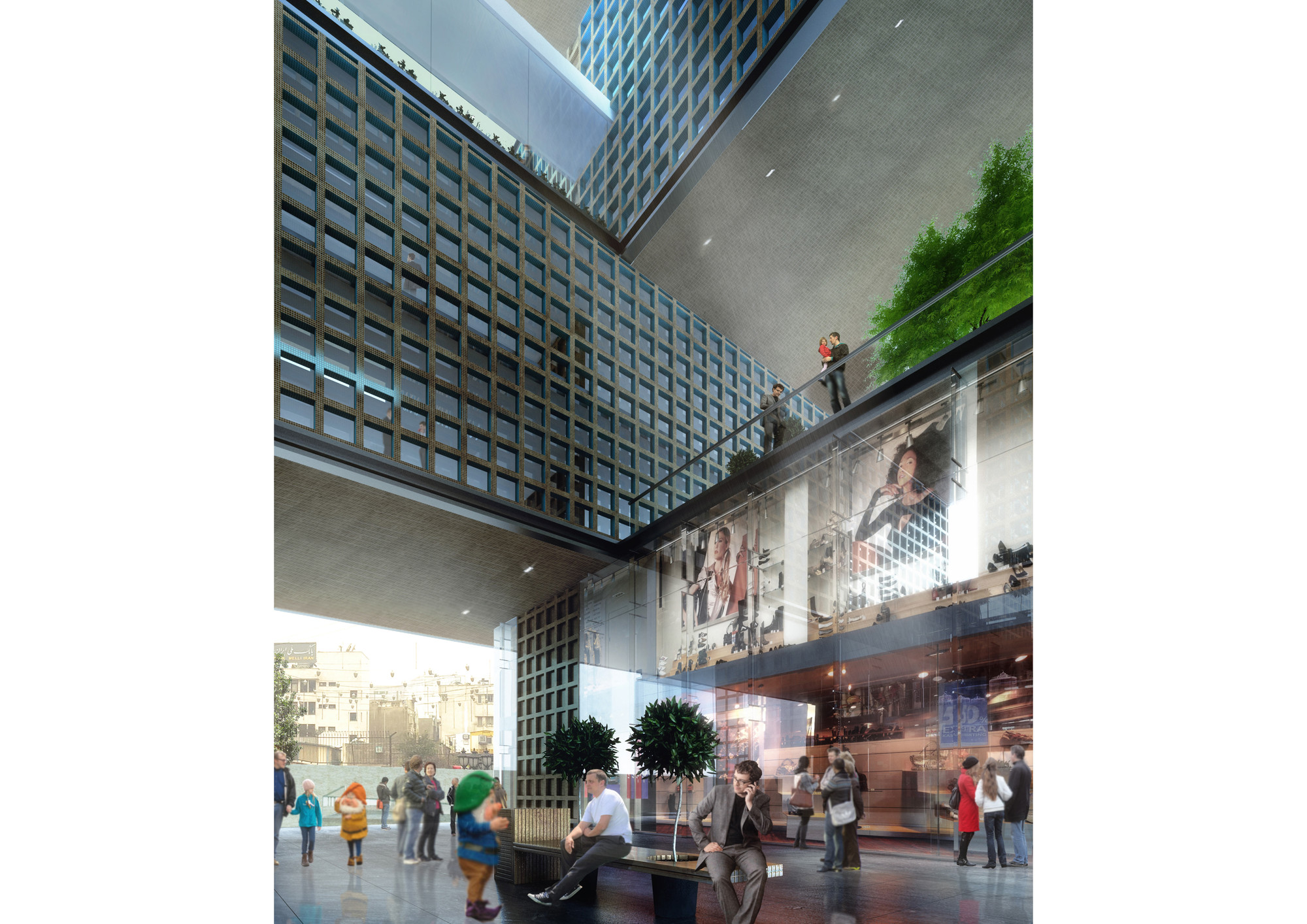
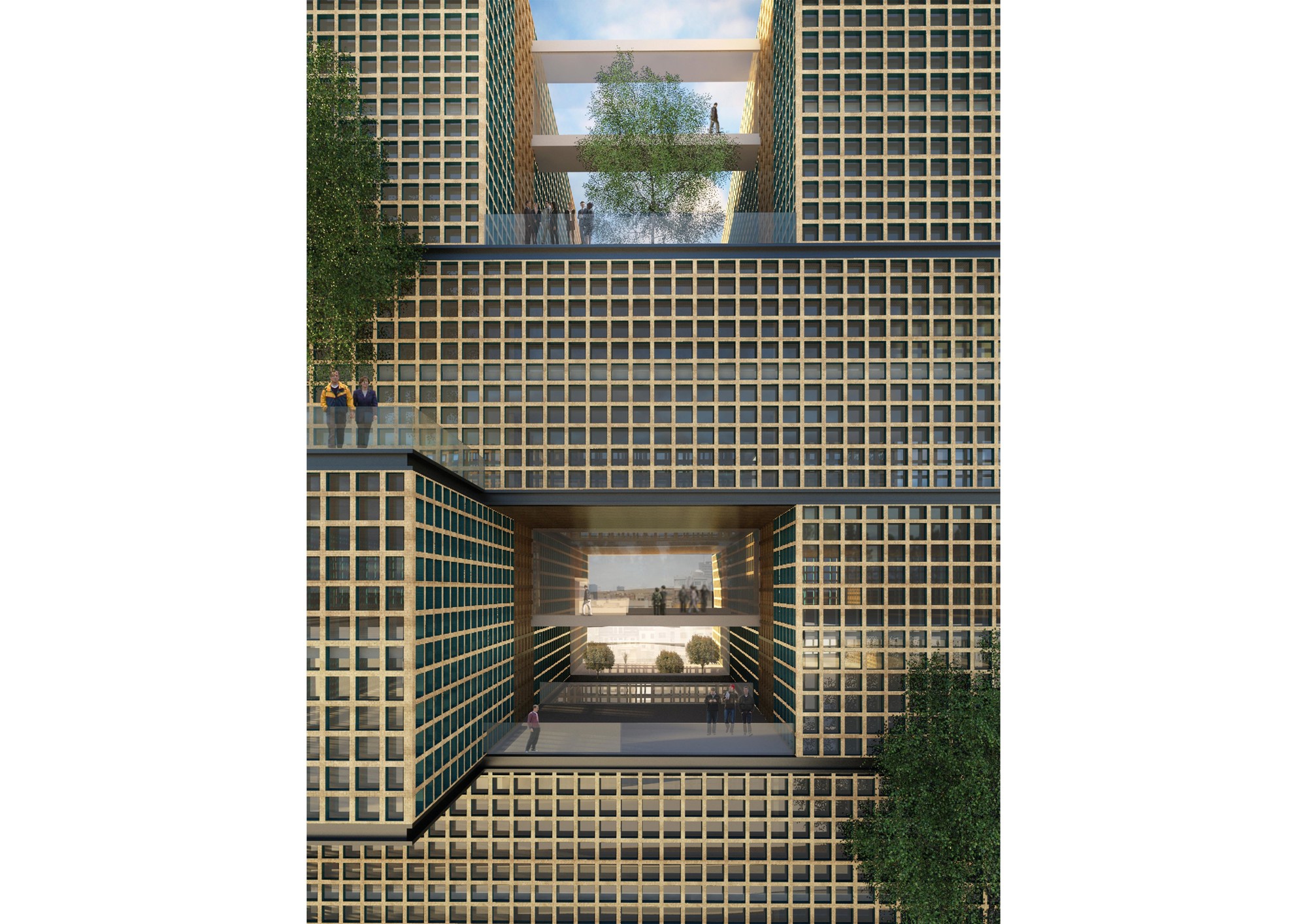
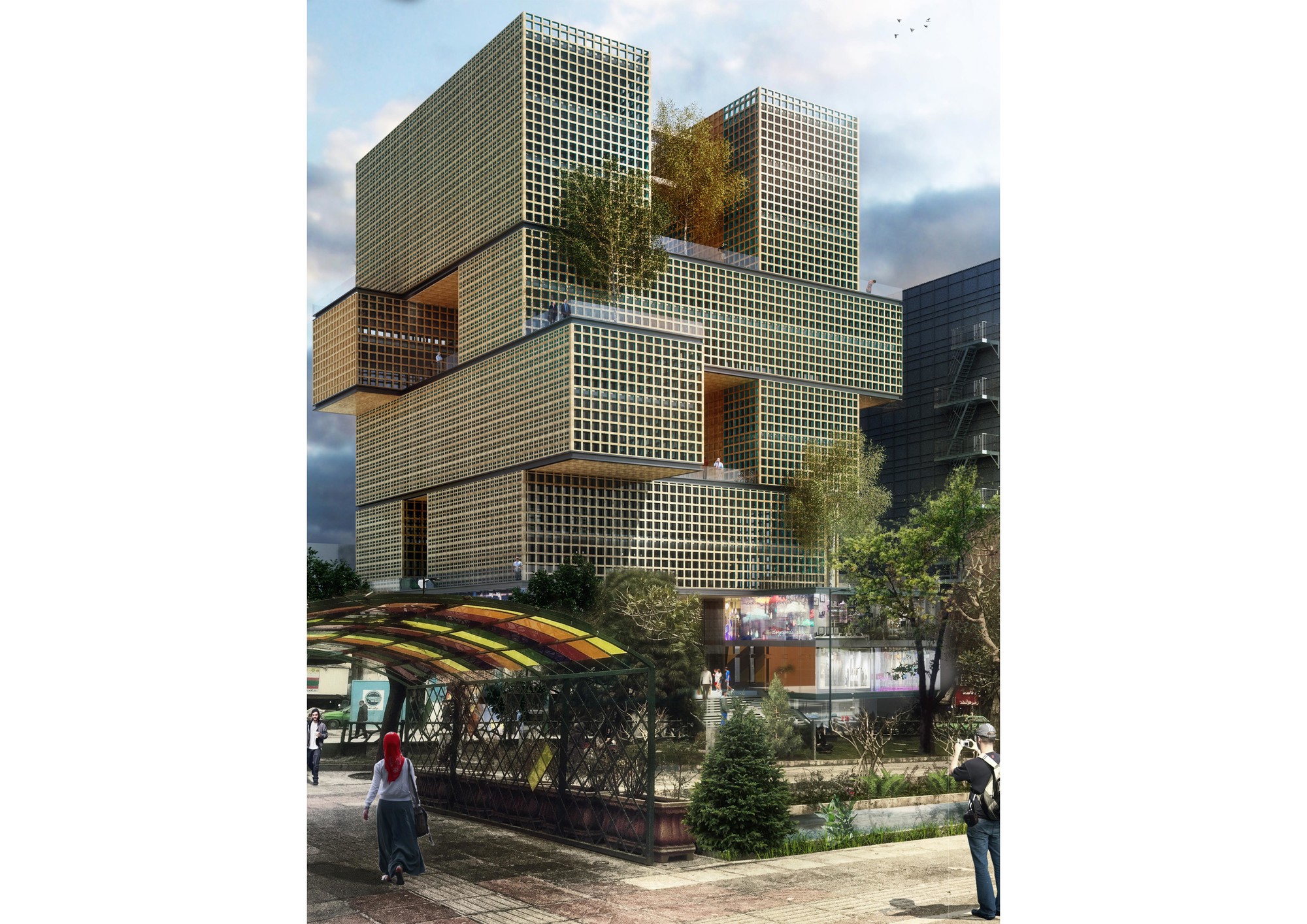
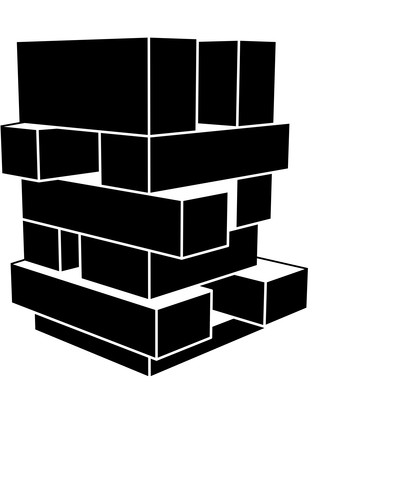
The necessity of the modern society is not to build but to create negative spaces for the city and the building. Our cities require urban scale human interactions throughout streets and neighborhoods and Tehran in particular needs a re-establishment of social green spaces. Following the traditional urban morphology of Tehran, in which green spaces are combined with the pedestrian paths, this project attempts to organize the public open spaces along with the defined spaces of an office-commercial building. After conducting preliminary site and function analysis it was decided to combine the building with the surrounding urban space instead of densifying on one side of the site. Most of the existing facades of Tehran are non-human-scale solid walls with minimum social services provided. The aim of this project was to re-examine office building typology to create connection between the building and the surrounding urban open space (Keshavarz Blvd), considering the built area regulations set by the City. The volumetric modules of the project were organized to form double height voids which are not counted in the area calculation. These voids create patios on different heights which bring greenery from the boulevard to the façade. The commercial zone is also formed in combination with the urban space. To achieve this goal the ground and the underground floors were used to form an urban platform. Moreover, an urban patio was created over the lobby which is directly connected to the side walk on the ground floor. Therefore, the commercial zone of the project was formed as an open plaza instead of a closed shopping mall. The volume of the project follows a regular geometrical pattern formed to maximize openness and sunlight penetration in every office or commercial unit. Volumes were connected through four structural cores. Urban scale trees were implemented on three sections of the volume as a continuation of the leafy Keshavarz Blvd on the south façade. The functional purpose of the void is to provide services related to commercial and office activities in order to improve the quality of everyday life for the occupants.