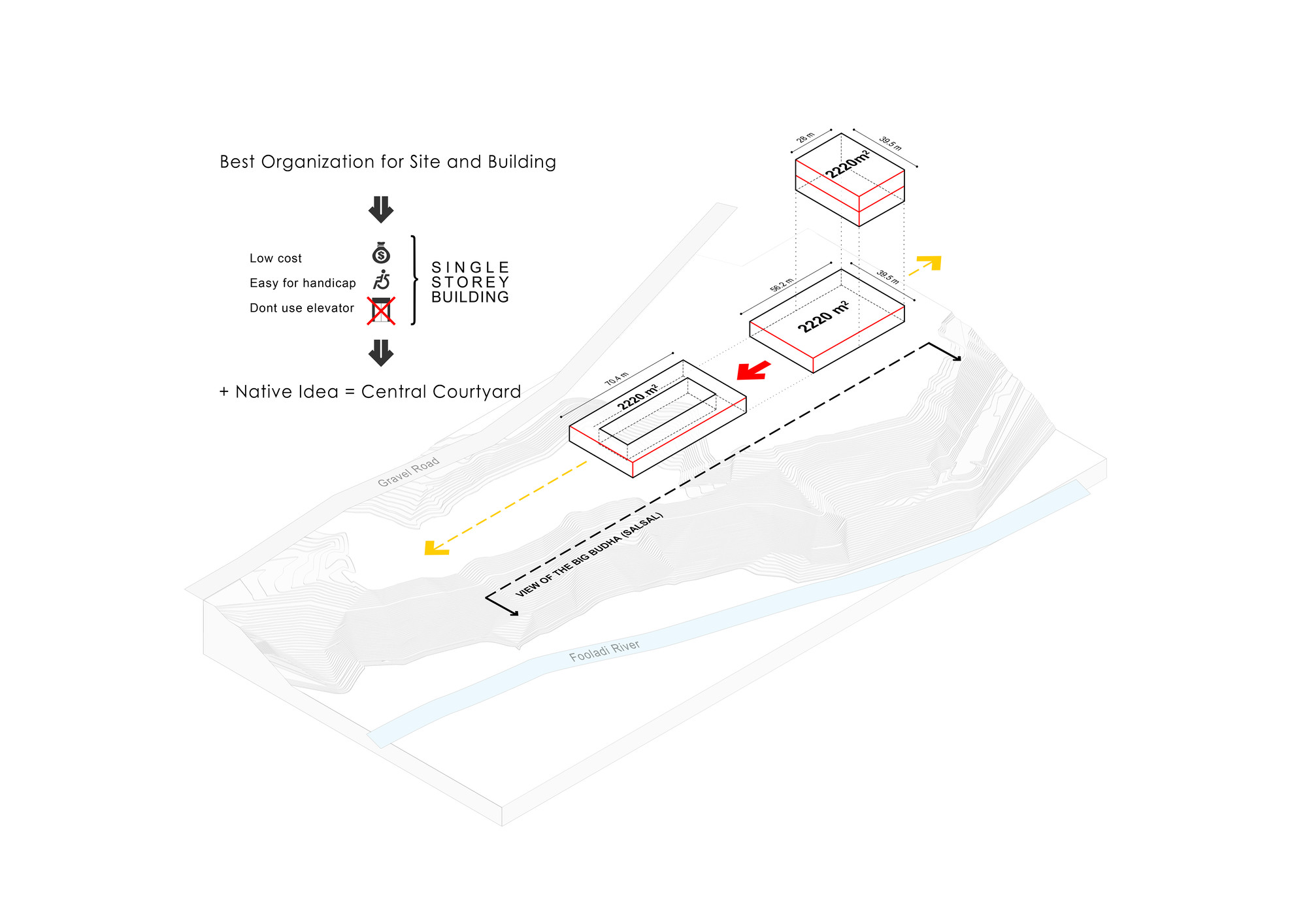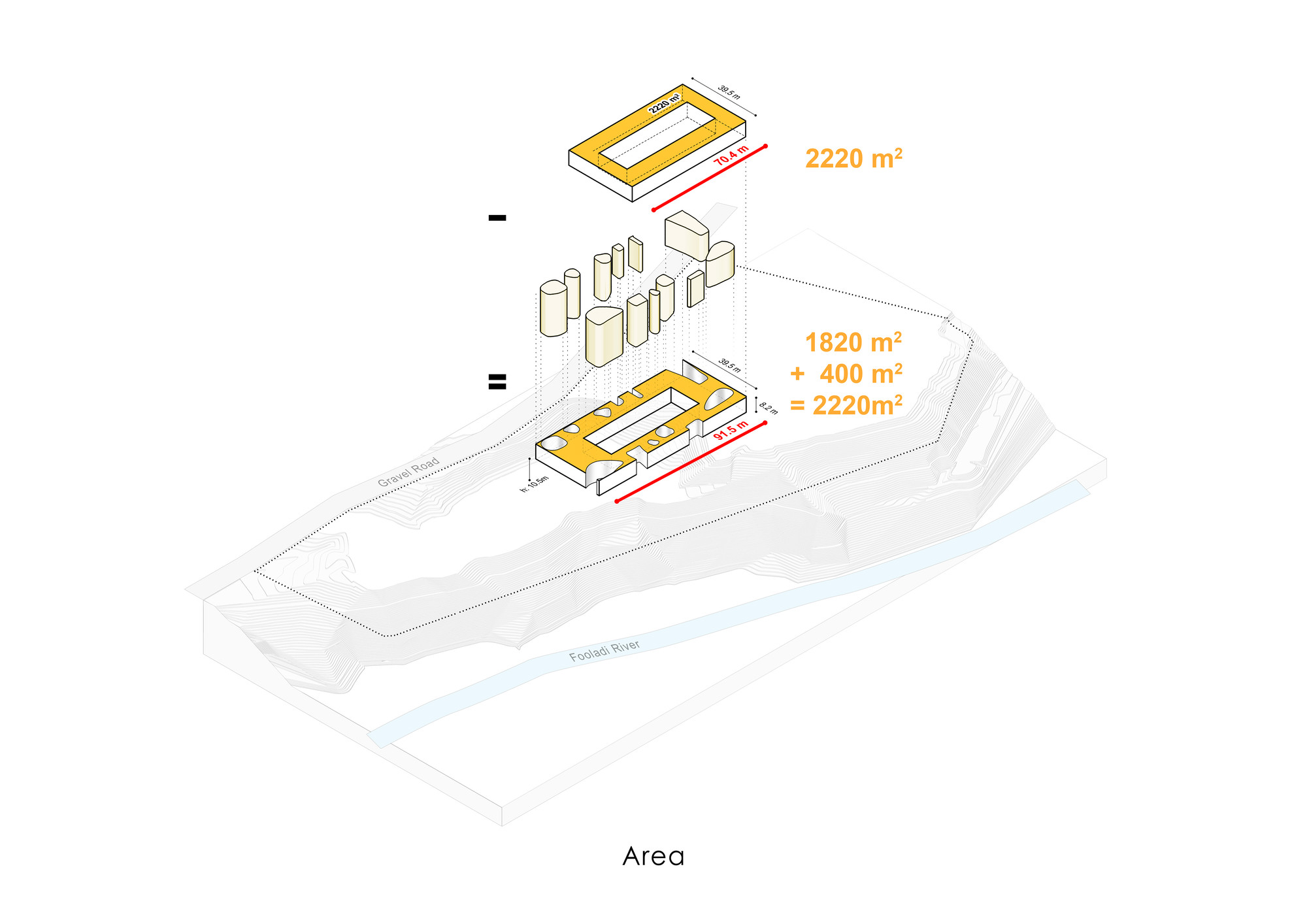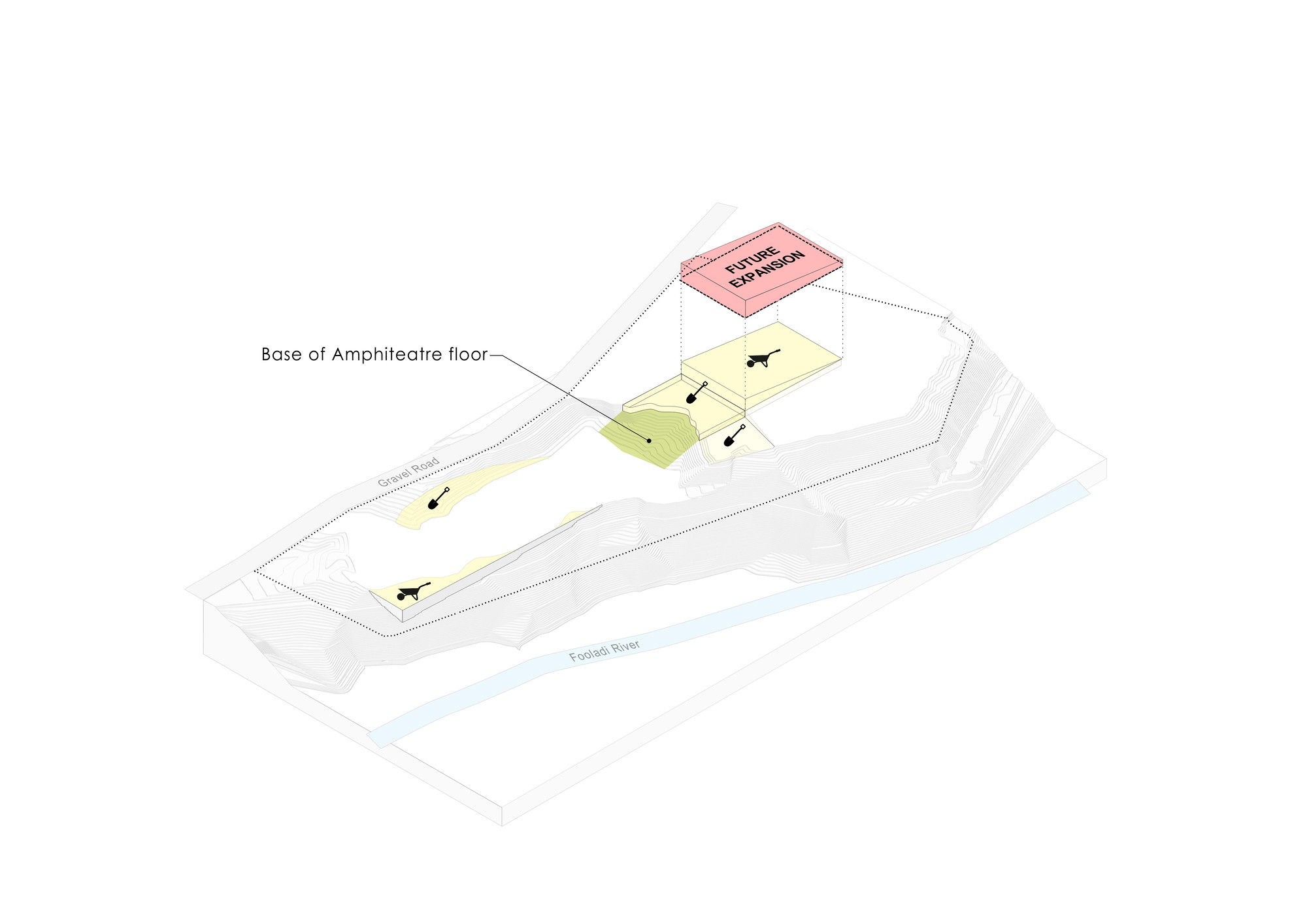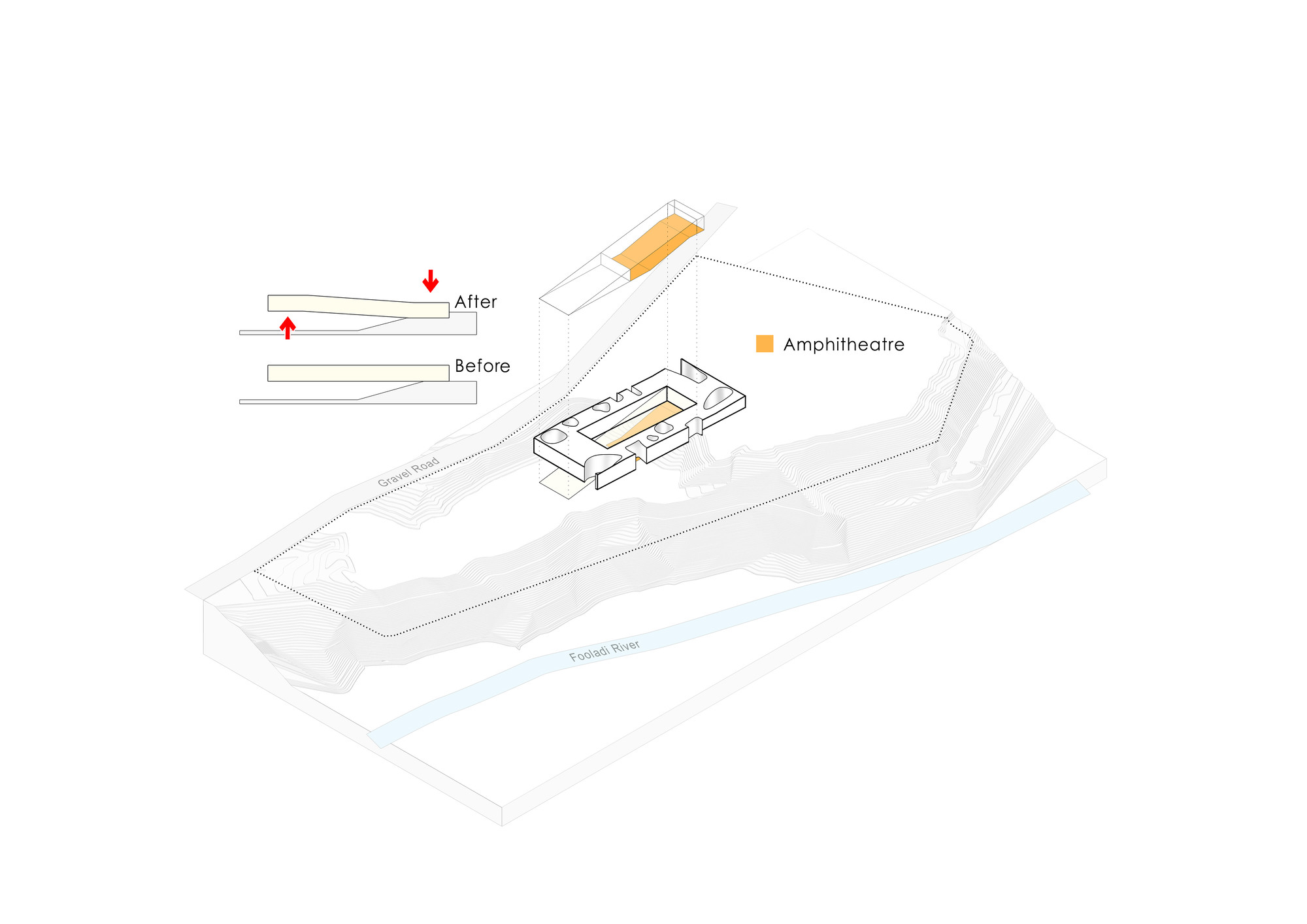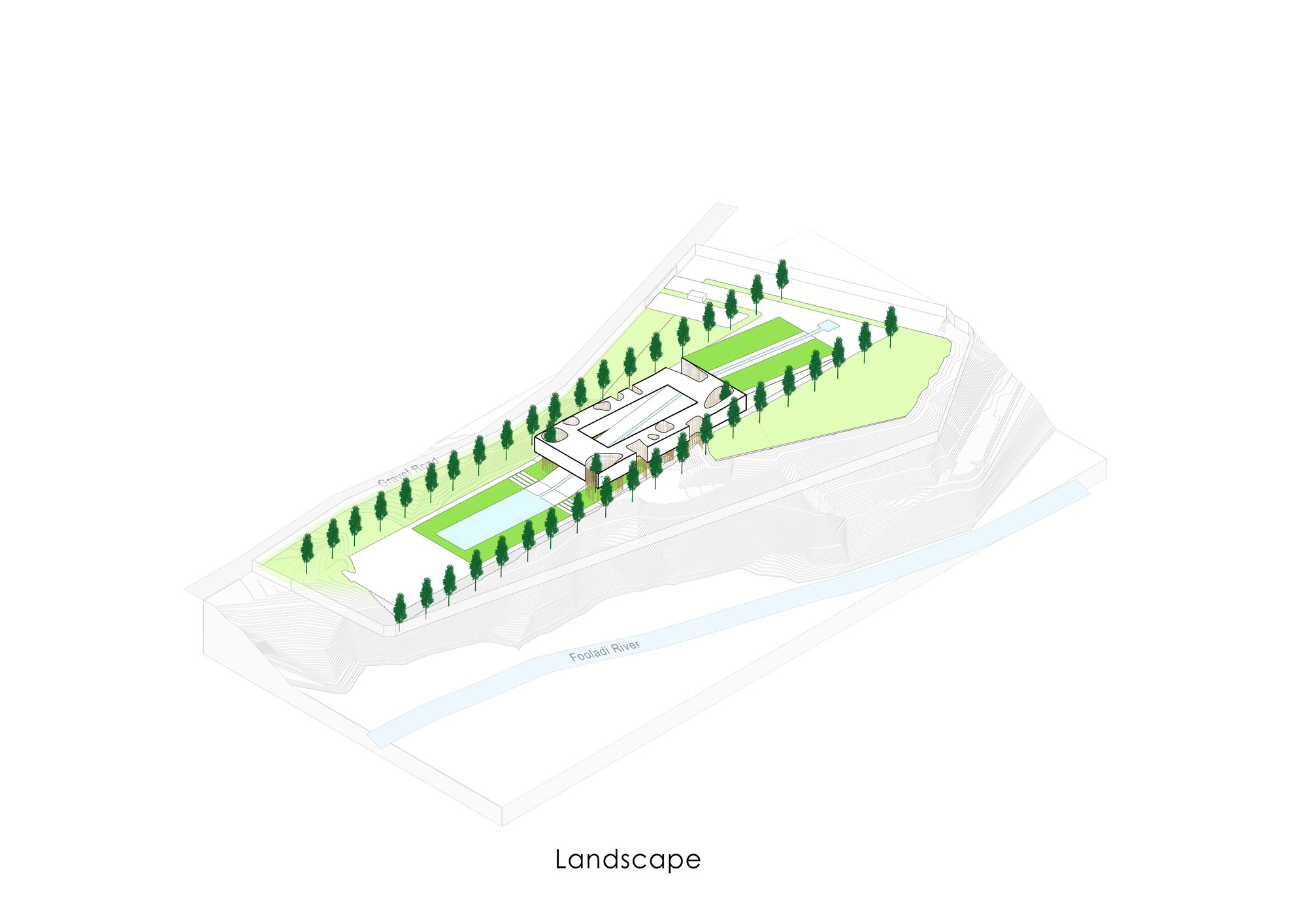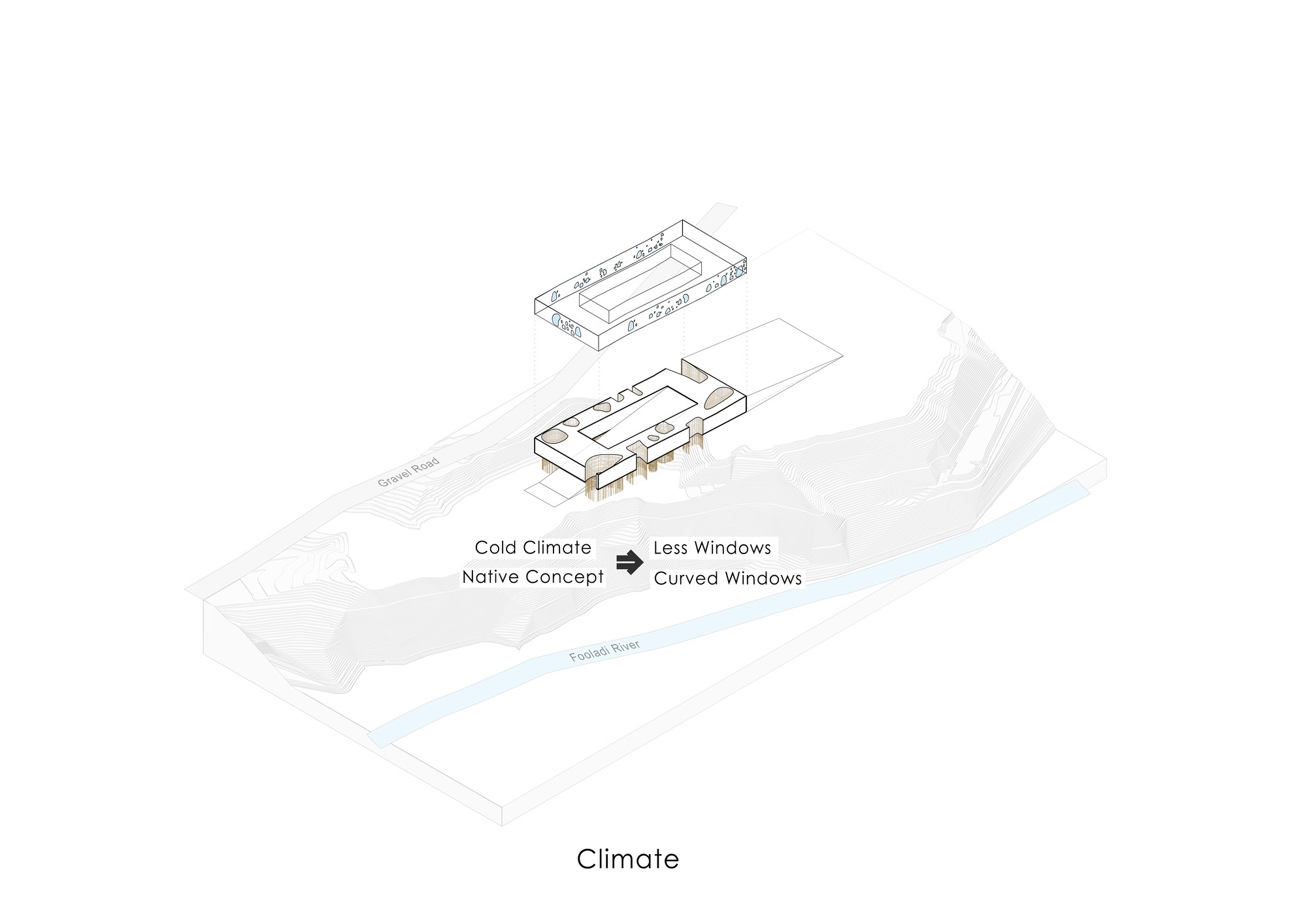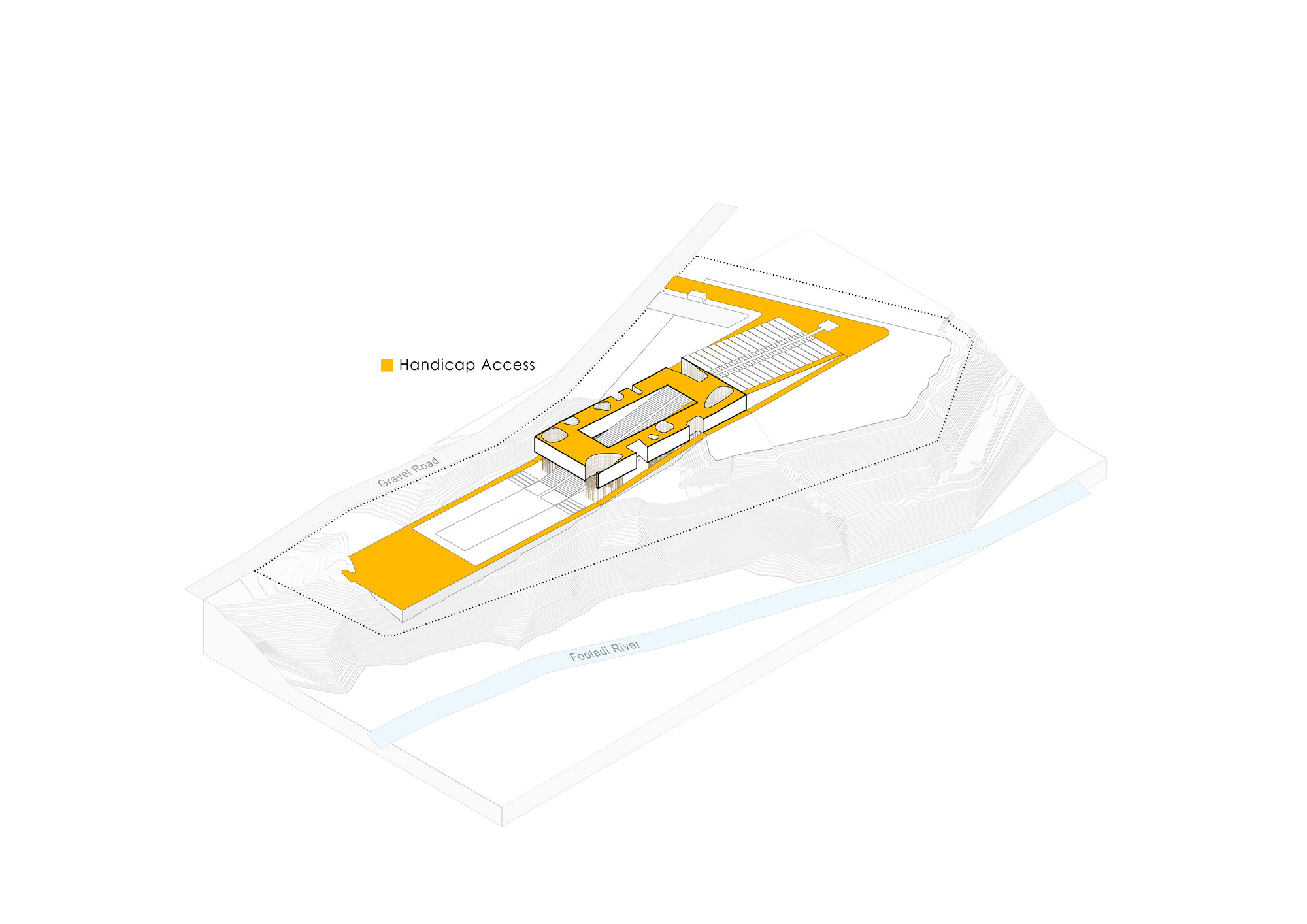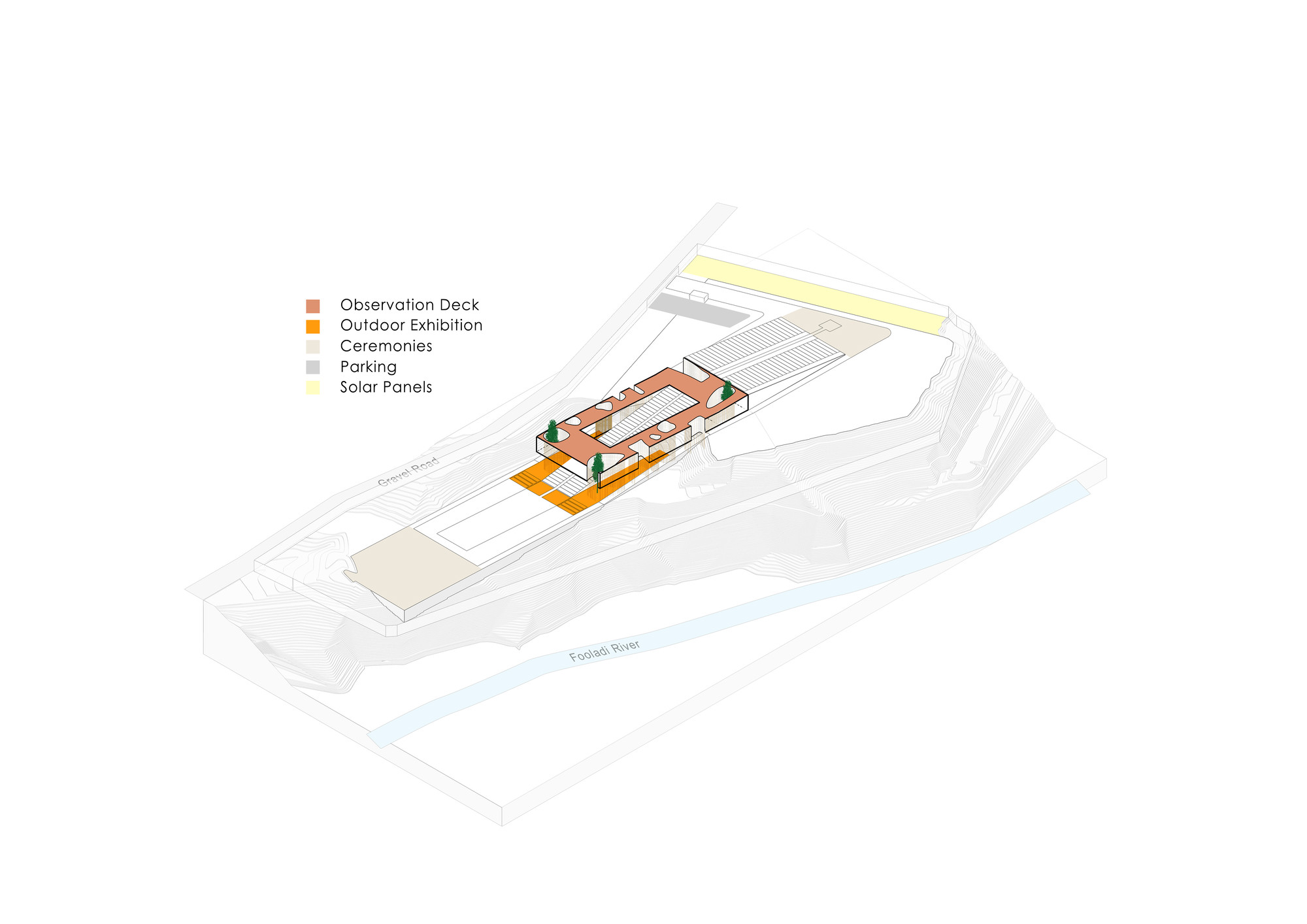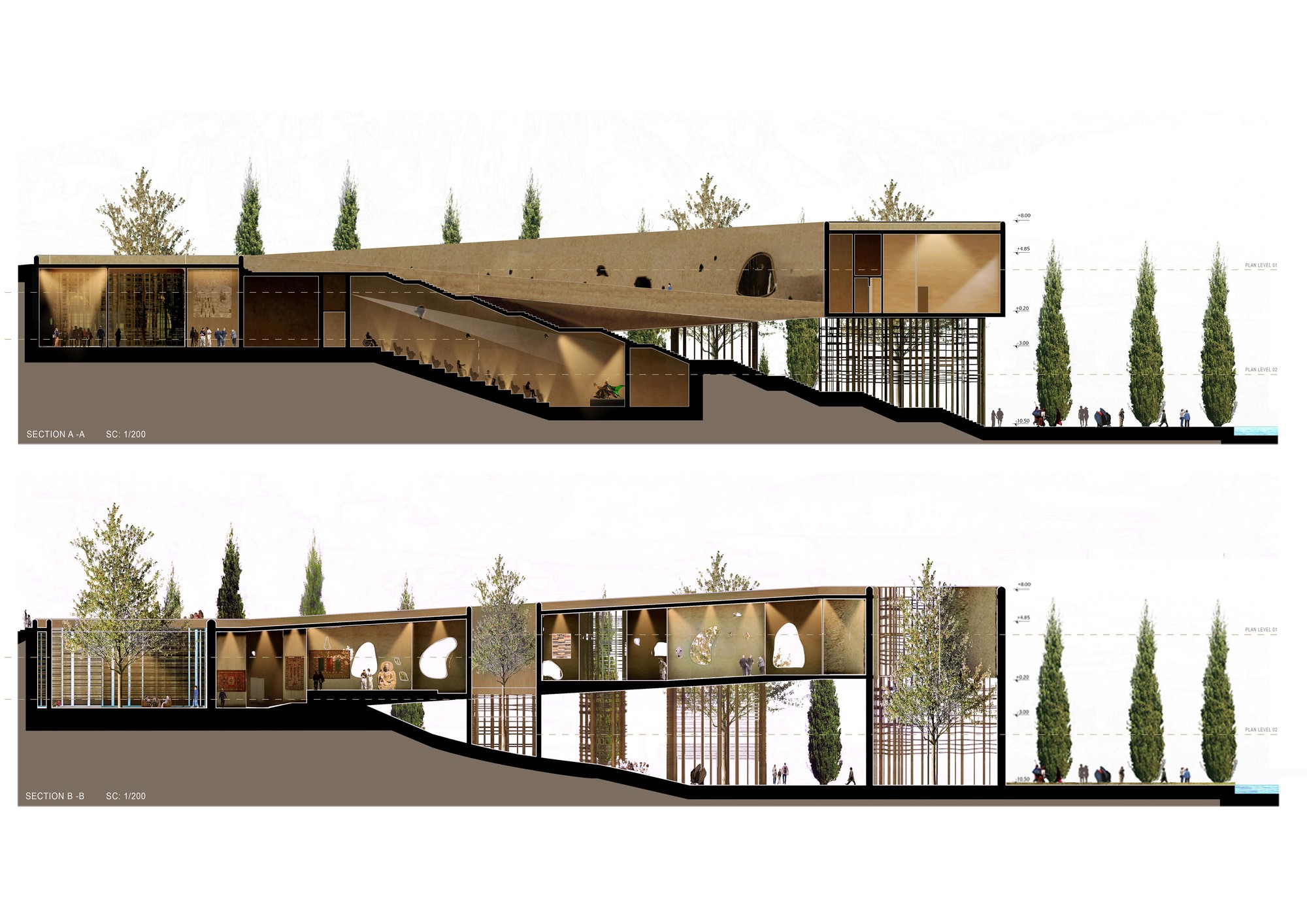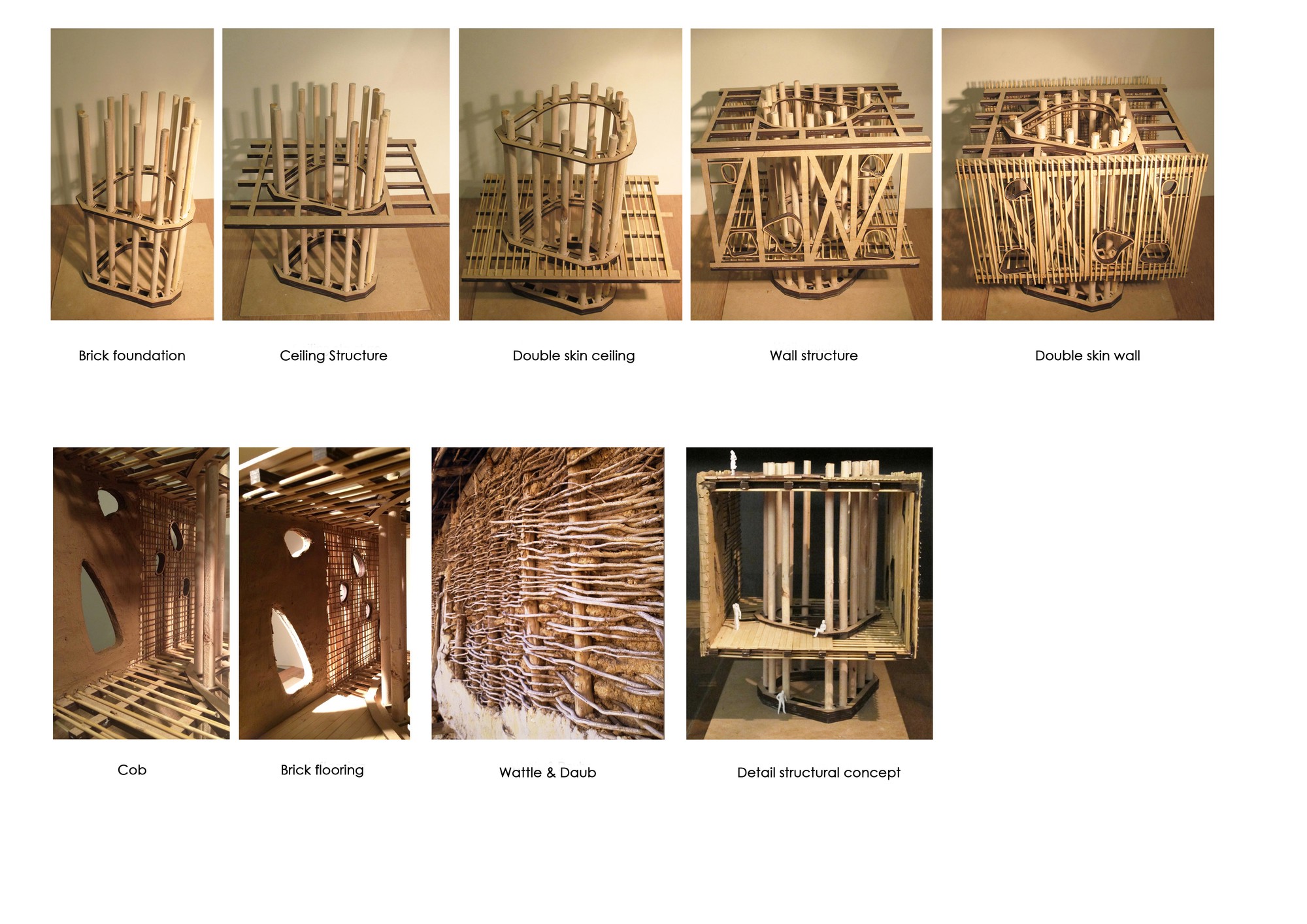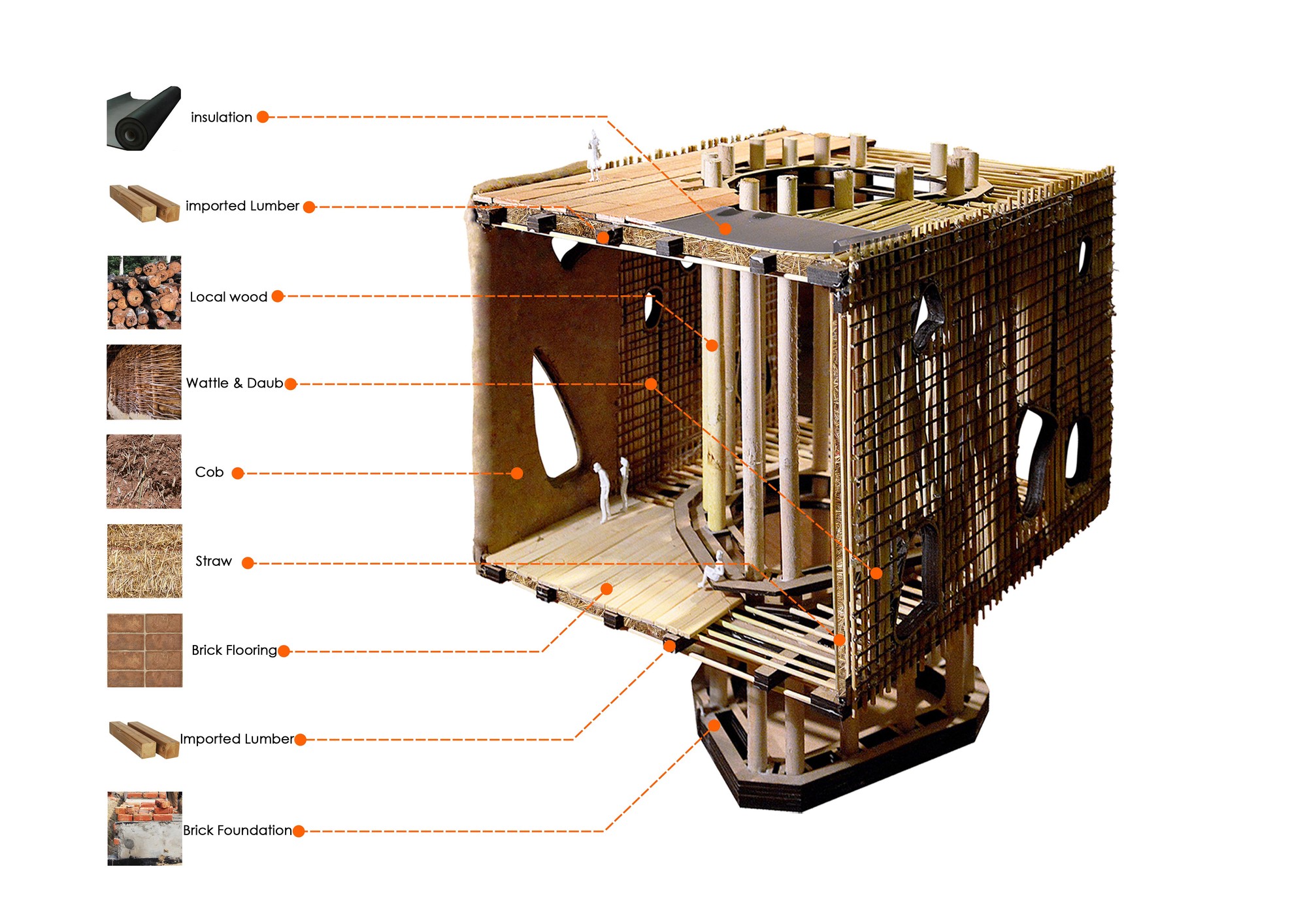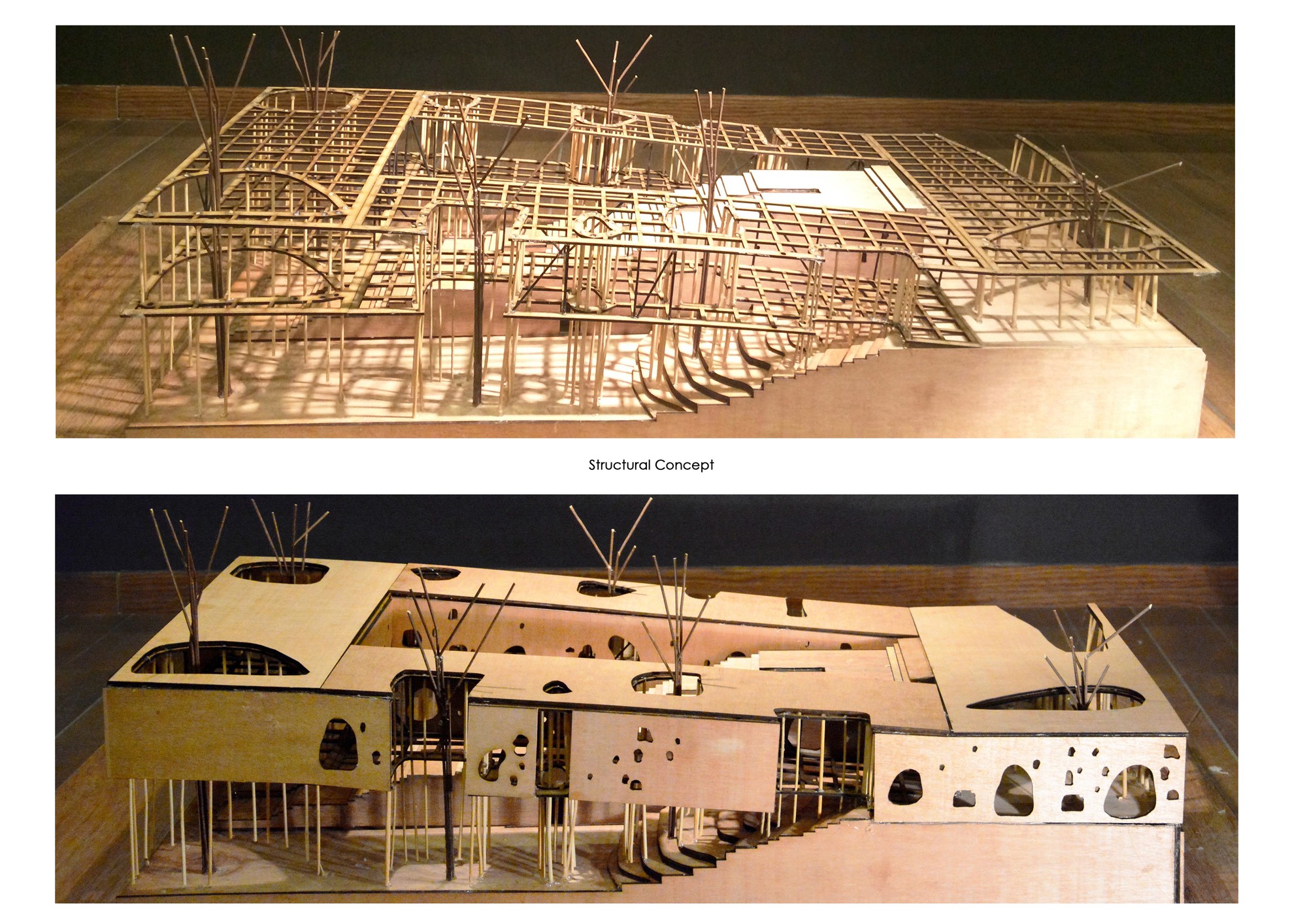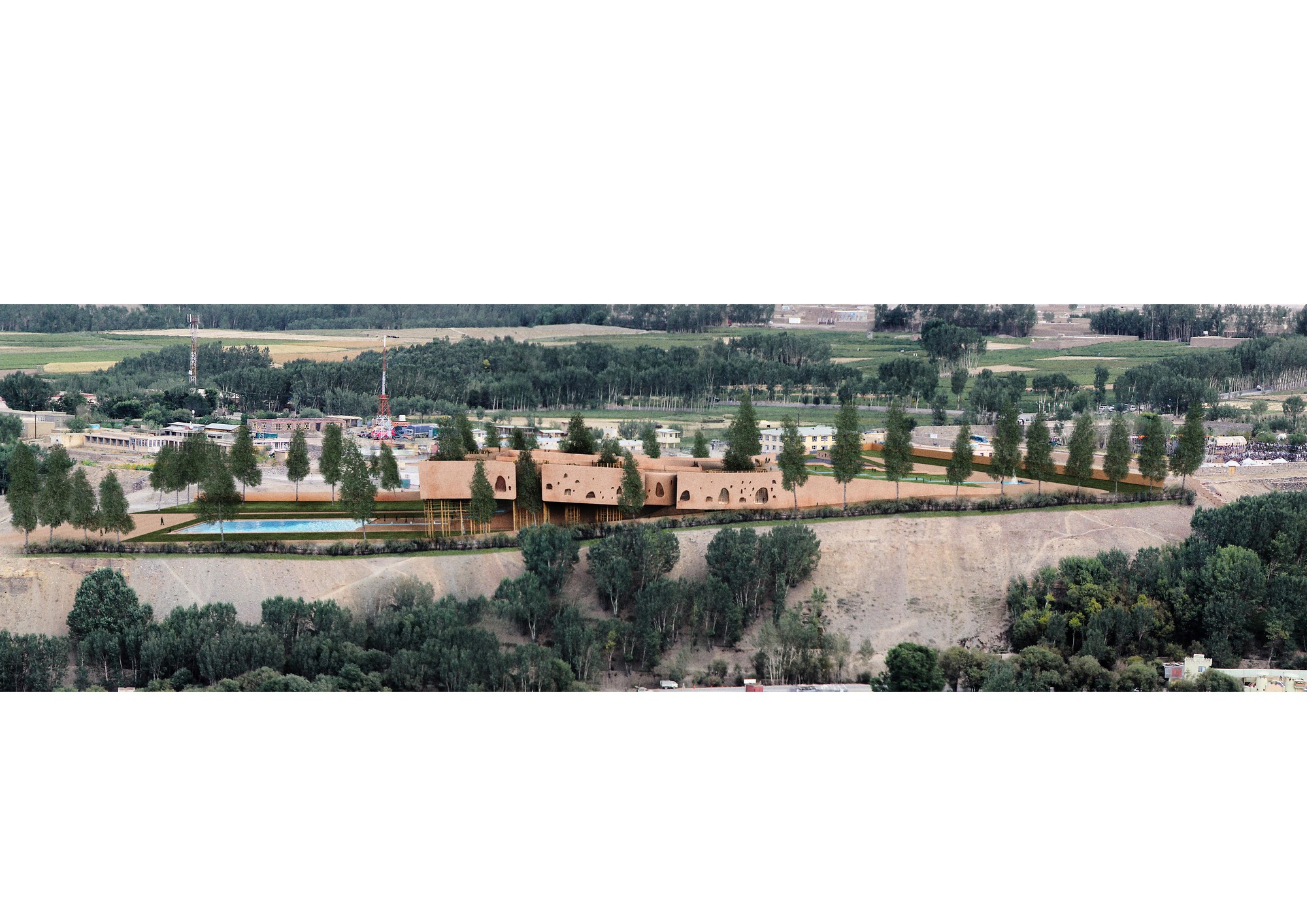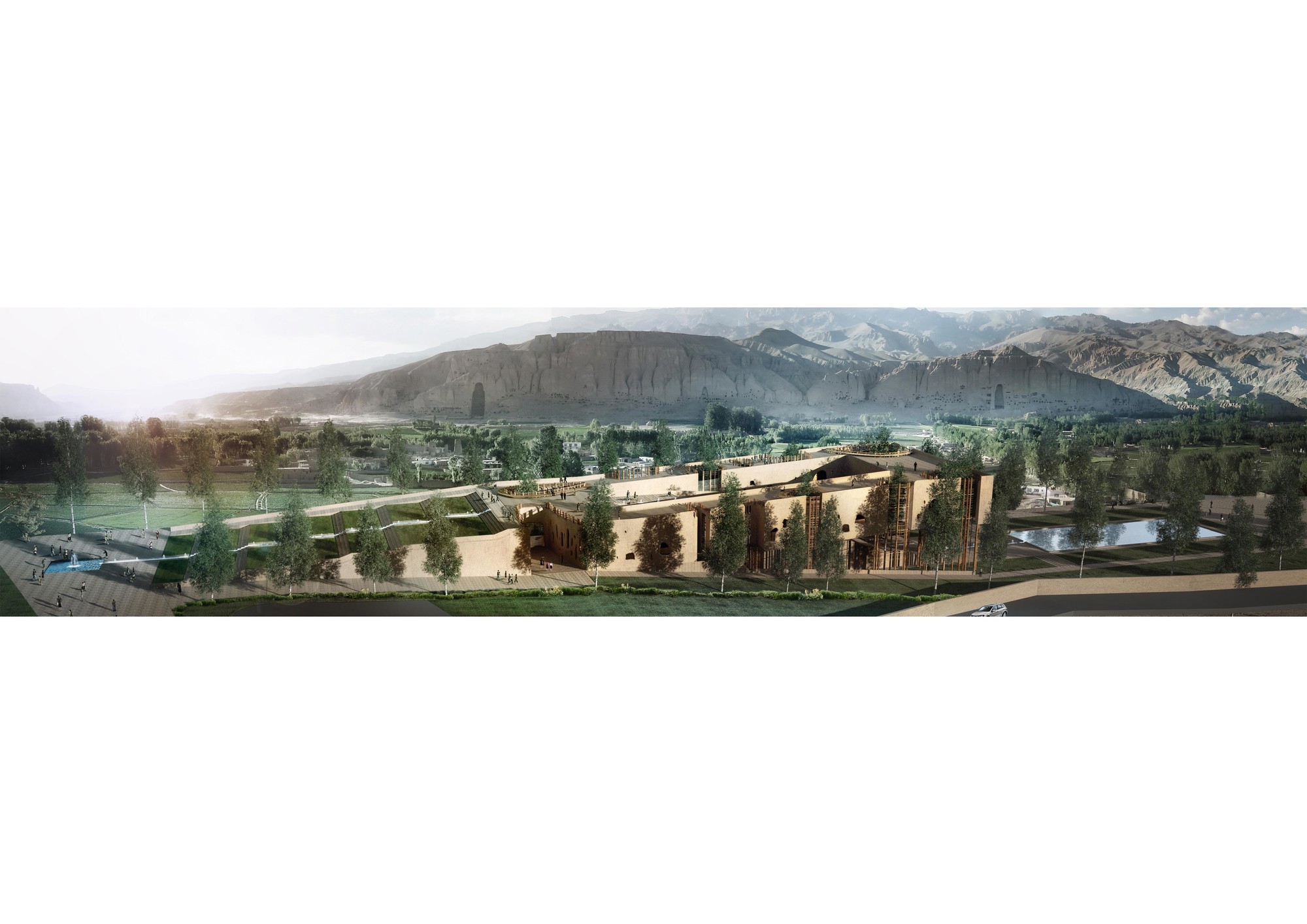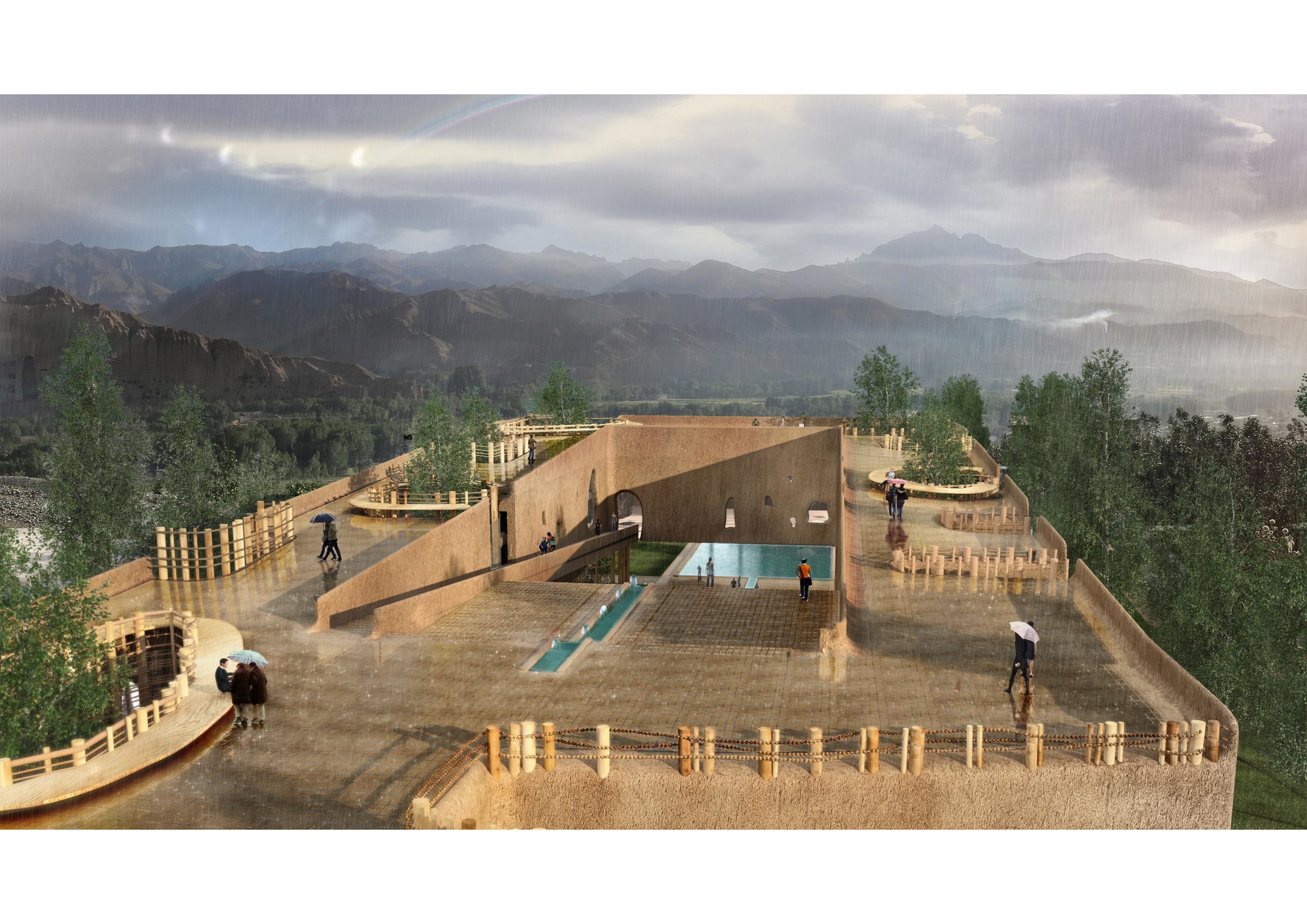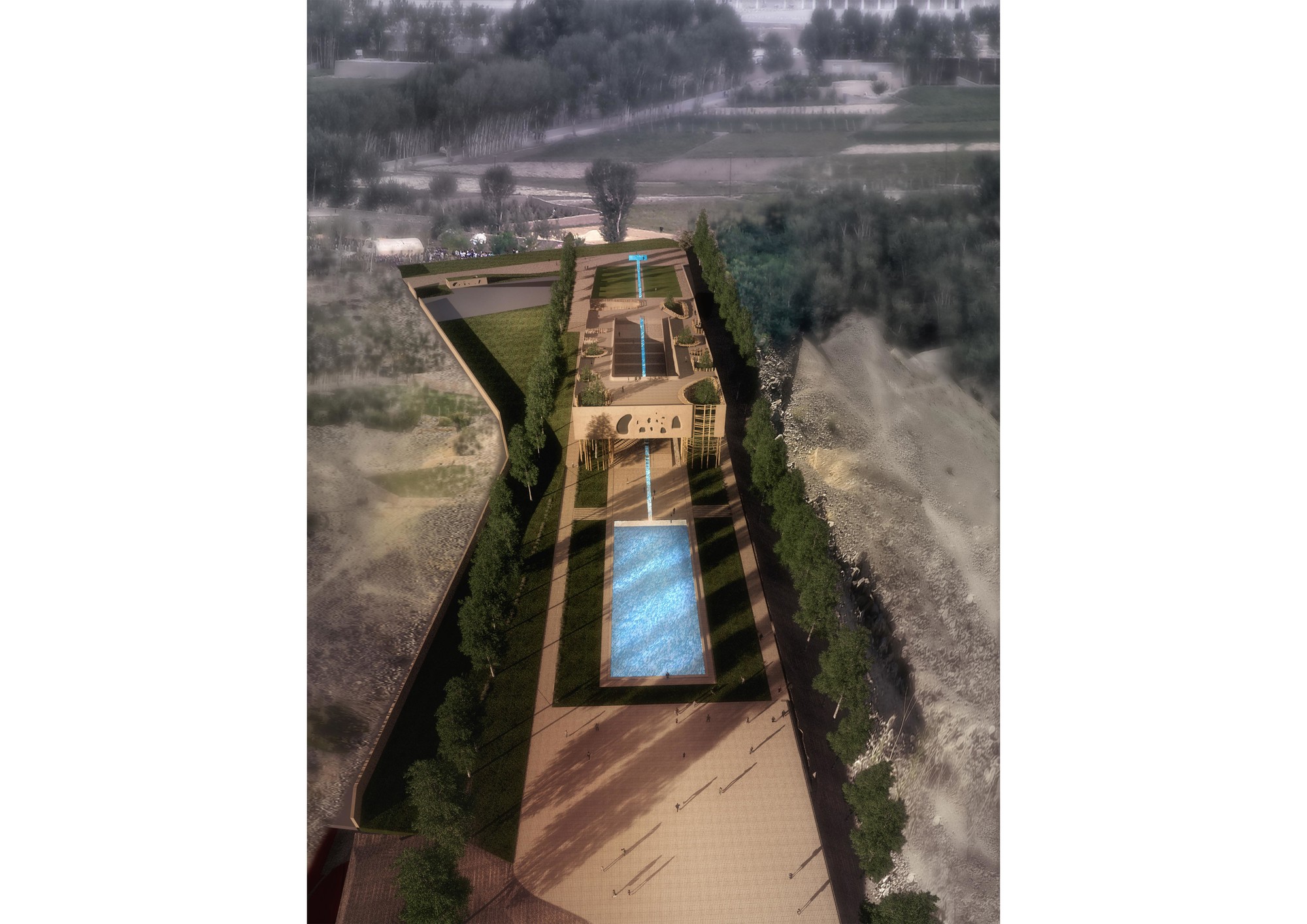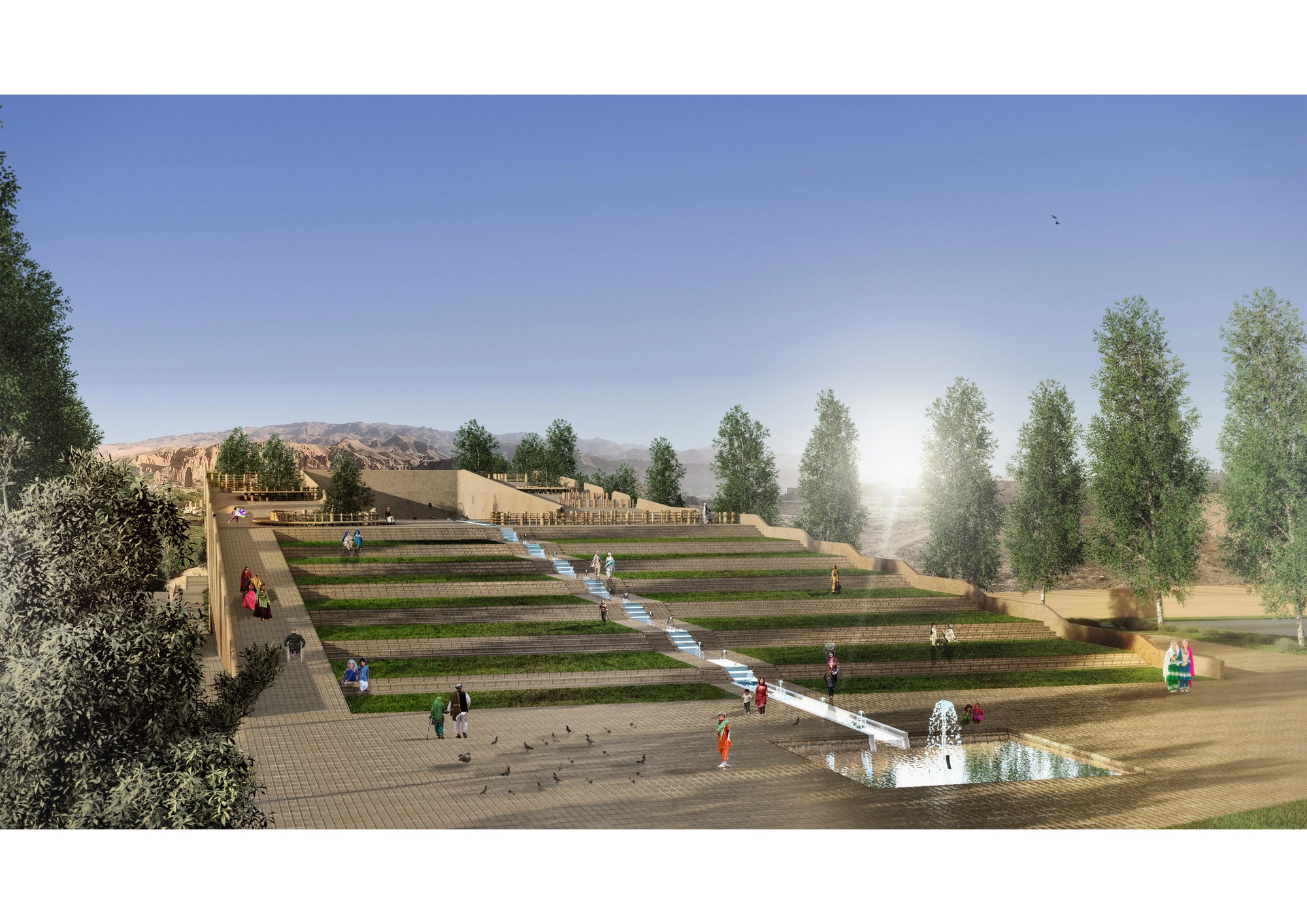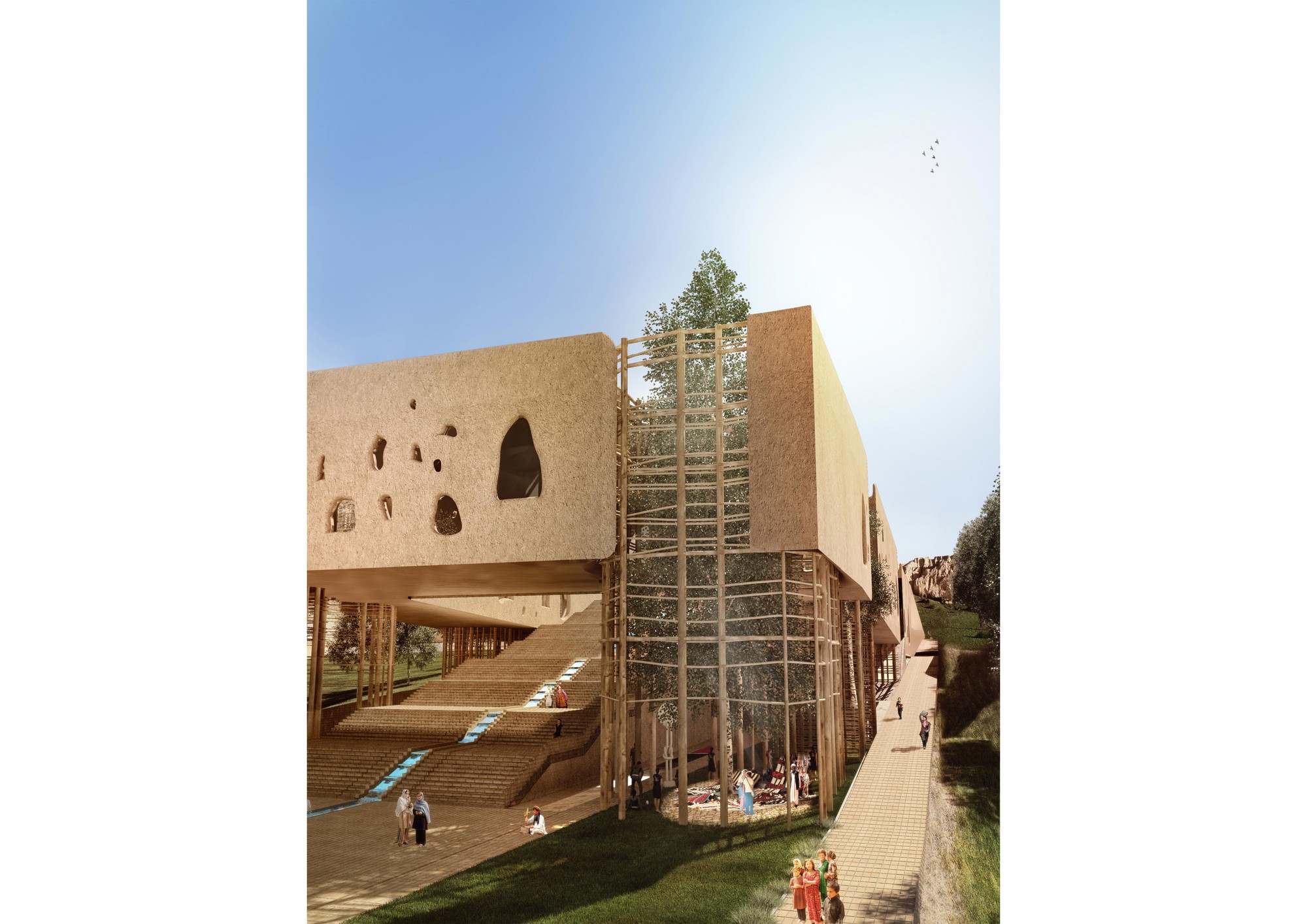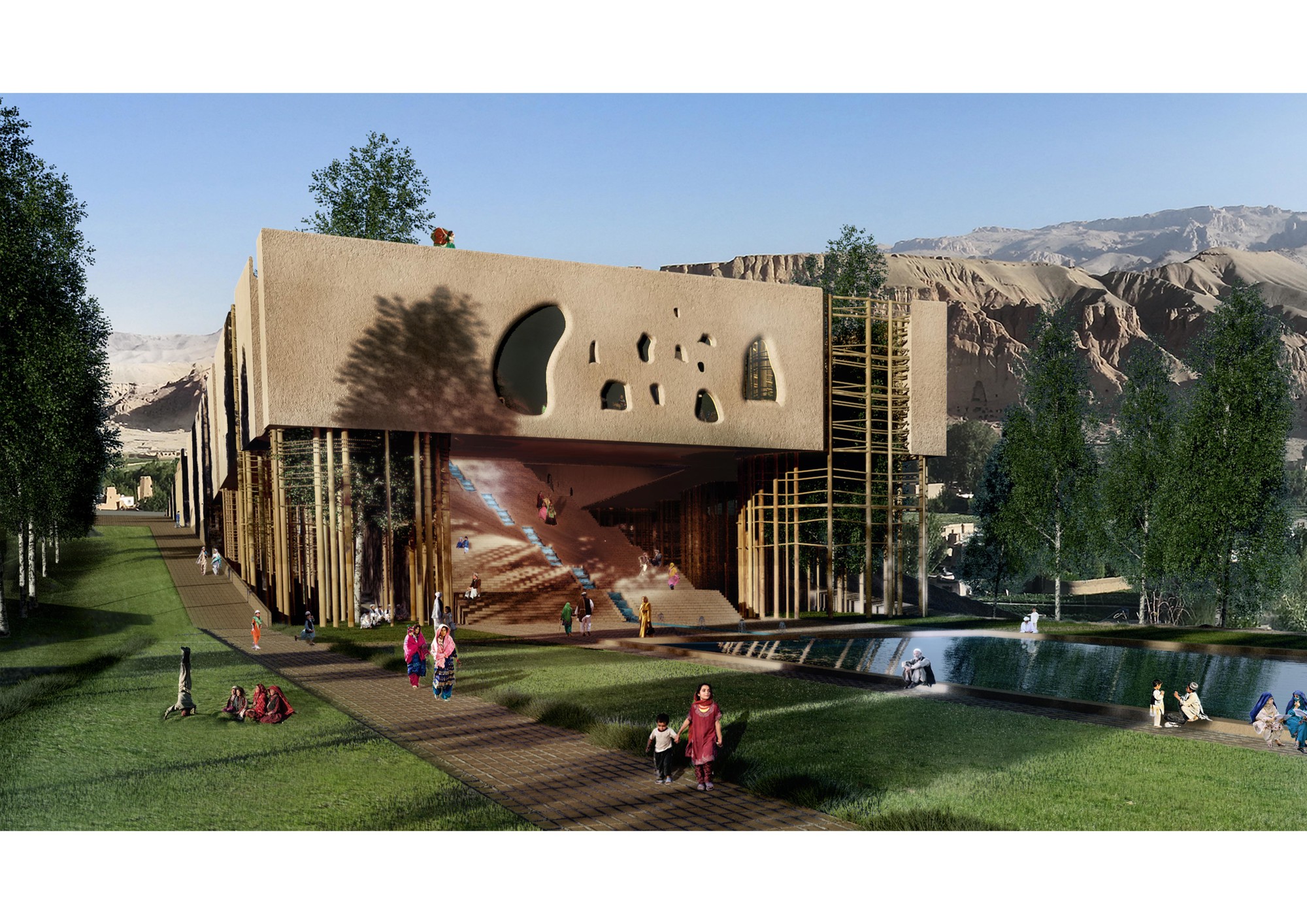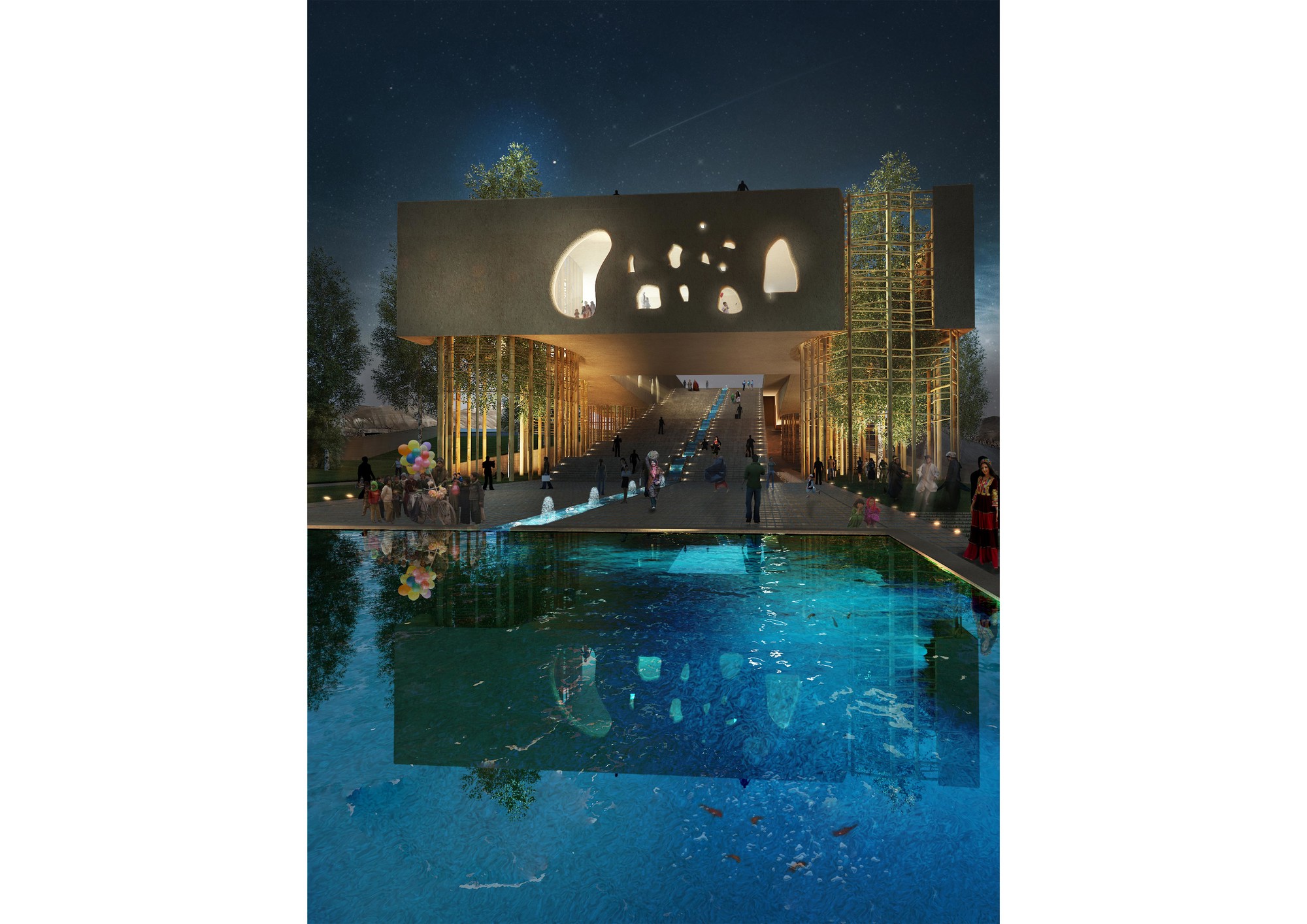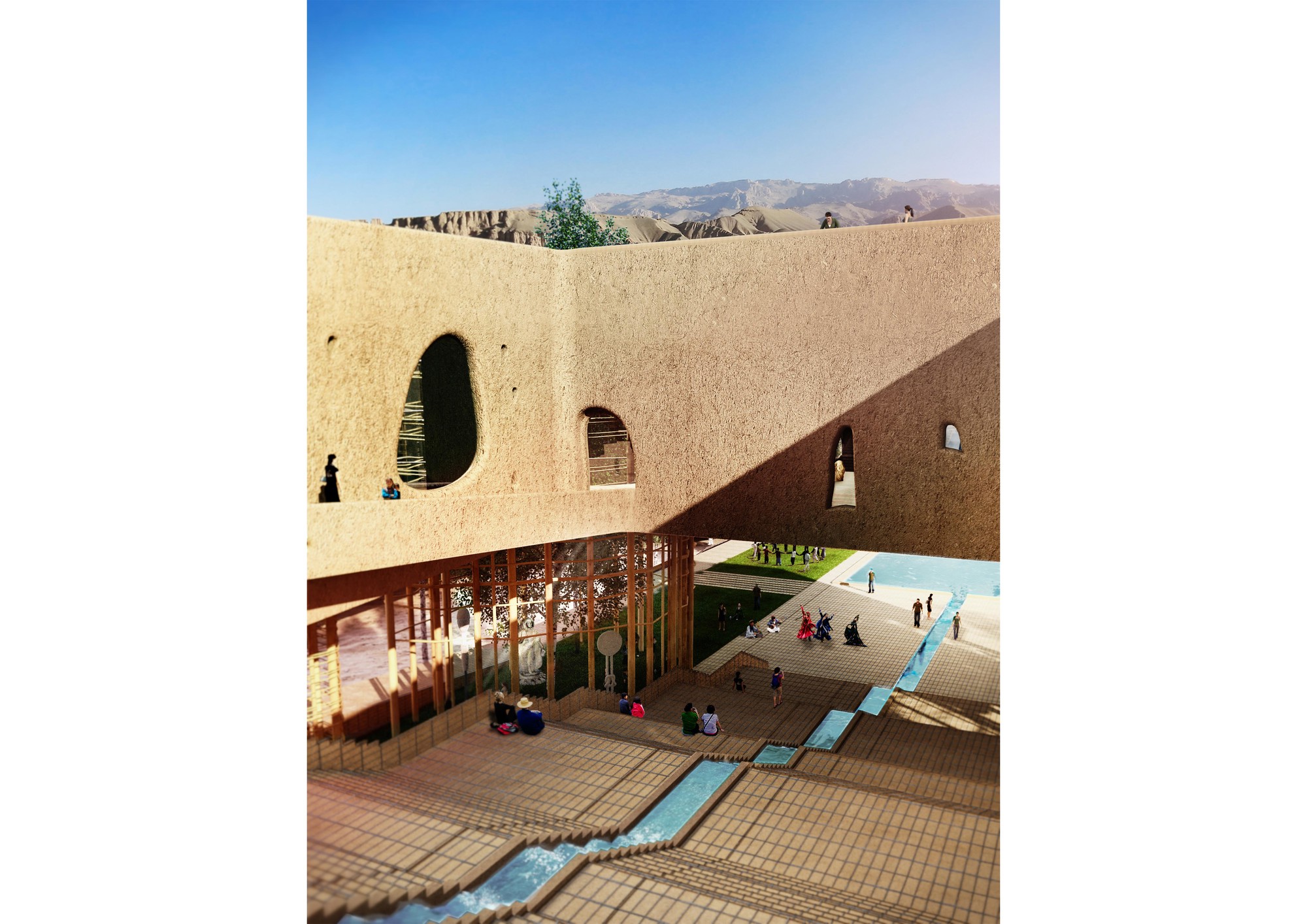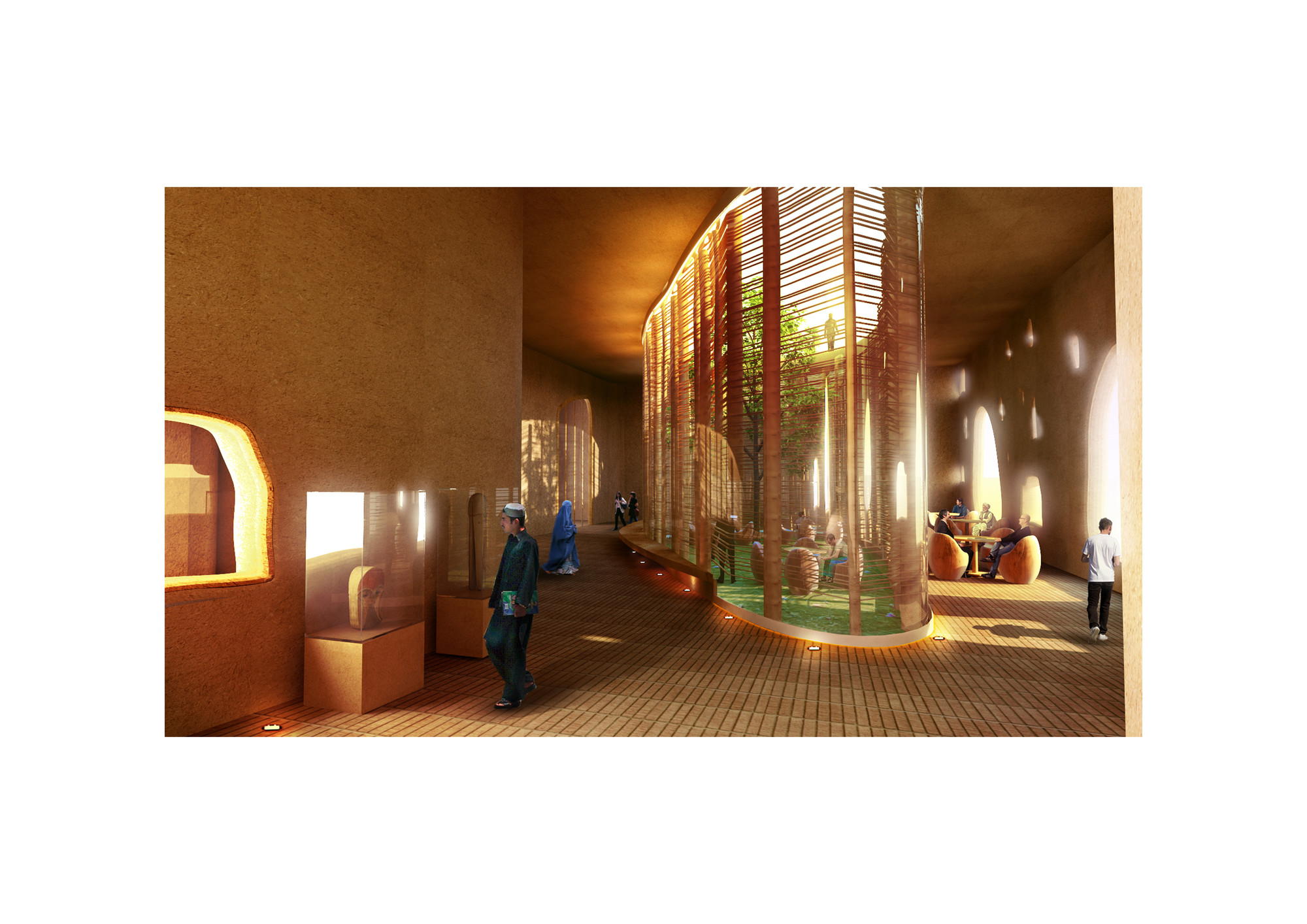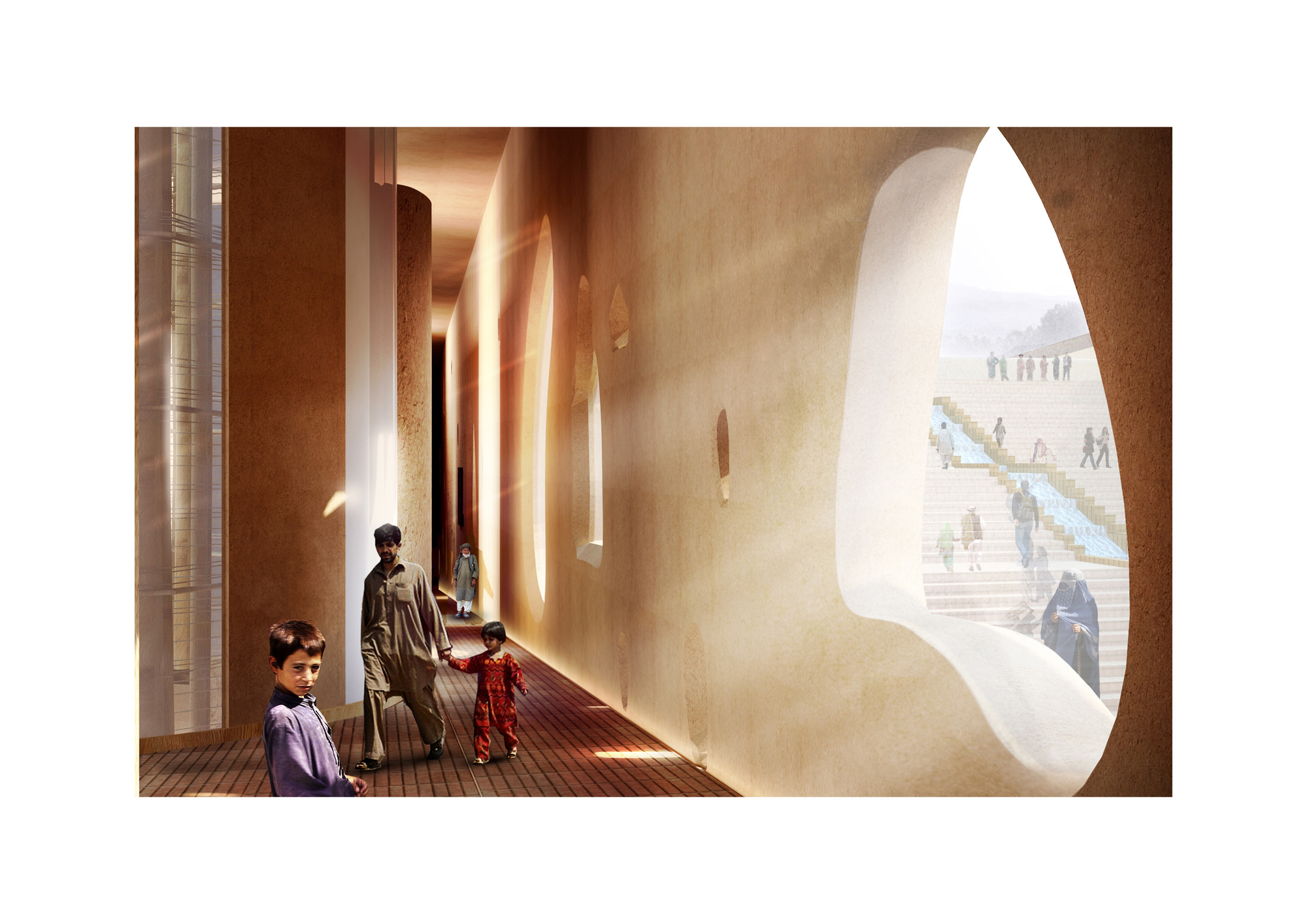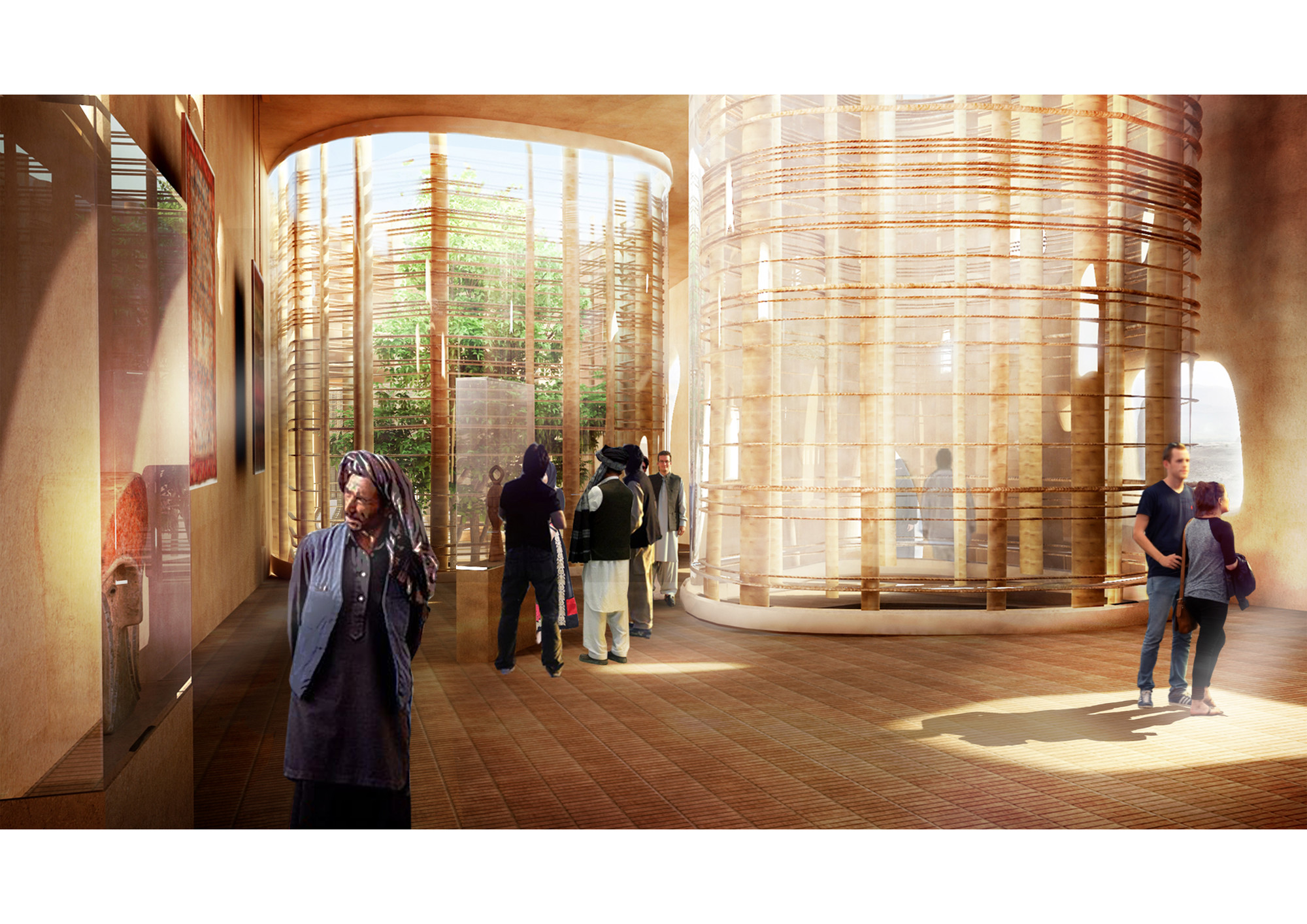

The aim of this project was to create a cultural-environmental platform to connect and unify people with the garden and the valley. In an attempt to bring hope to the people of Afghanistan, the main objective of this design was to create a Garden with a positive impact on the cultural context of the Bamiyan Valley. Project goals: 1. To respect the domestic cultural values and to introduce them at an international level 2. To respect the ecology of the Bamiyan Valley 3. To use local construction materials, technology and labour 4. To shape the design idea according to the functional and social requirements, considering local methods and climatic conditions 5. To promote cultural values and increase motivation and hope for Afghan people by creating a city garden Concept Idea Inspired by the form of the Babur Garden in Kabul, the project was formed along a linear diagram expanding from South-West to North-East (reminding of the ancient Silk Road), parallel to the Buddha Cliffs. This axis was integrated with a water path to form the interior and the exterior parts of the project. An introverted courtyard model was used to form the main building and to connect it to the ground. The amphitheatre at the centre of the complex rested on the existing topography to minimize the amount of required excavation. The roof of this section creates a platform for the outdoor amphitheatre. Another criterion was to integrate the building with the site. Inspired by the carvings of the Buddha Cliffs, the negative and positive spaces of this project were formed to: • Integrate the building with the green spaces • Create event spaces which organize interior and exterior spaces at the same time • Provide natural ventilation and lighting • Form the building structure The structural columns were designed to be flexible against earthquakes. These columns also play an important role in the formation of varying light and shadow patterns during the day. At night, this effect is reversed by the solid baked mud walls and the porous wooden frames. Functional Idea Interior spaces: There are 5 main zones creating the interior spaces of the project. These zones are connected through a central circulation path, providing a low cost barrier free access to the entire interior spaces of the project. One zone includes the lobby, the coffee room, and the office spaces, while another one contains the gallery spaces. This zone also acts as the divider of the two adjacent spaces. The third zone created the teaching spaces and the conference room, while the fourth zone included the research spaces, the studios, as well as the practice room. Last but not least, zone five forms the central amphitheatre with a main entrance, a barrier free access on the ground level, as well as an emergency exit at the below ground level. Site: The circulation diagram was established based on the garden axis, defining social activities in three sections: 1. The platform on the roof of the main building, providing 360o panoramic view of the site and the Bamiyan Valley. 2. The staircase on the roof of the interior amphitheatre creating an outdoor amphitheatre on top. This platform is also used as the vertical circulation path connecting the ground level to the underground. 3. The exterior gallery spaces enabling outdoor exhibitions and activities. Materials and Construction Techniques The structure of the building includes a combination of mud walls and double layers of woven wood bars to reduce heat convection to the exterior. These layers rest on top of a network of imported timbers connected to a core composed of local lumber and imported timbers which transfer the loads to the brick foundation of the building. An area on site was dedicated to the implementation of solar panels in order to provide the required electricity. Moreover, a row of high density local trees were planted on the main axis to reduce the amount of wind exposure. In conclusion, the idea of this project was to combine sustainable architecture with vernacular techniques considering the existing economical and climatic limitation.