Projects

Hitra Office & Commercial Building

Type : Mixed-Use
Client : Mr. Mohsen Rahim Zadeh
Location : Tehran-Iran
Area : 5,526 sqm


principal Architect : Hooman Balazadeh
Project Architect : Elham Seyfiazad
Design Team : Parima Jahangard – Mona Razavi – Saeed Farshbaf
Detail Design : Babak Nasirabadi – Fatemeh Dehghani
Visualization: Mona Razavi – Saeed Farshbaf – Khashayar Abdolhamidi – Mostafa Dadashpour
Animation : Matin Rostami
Physical Modeling : Mehran Alinezhad
Presentation : Mandana Tanbakooei – Shayan Arabshahi – Marjan Naraghi
Executive director : Mr. Rahim Zadeh
Construction Director : Mr. Rahim-zadeh
Mechanical Consultant Engineer : Mehravaran
Electrical Consultant Engineer : Mr. Ghandil Zadeh
Structural Consultant Engineer : Mr. Mohammad Reza Rahim Zadeh
Lighting Design : FAD Co.
Furniture design : Vira Co. – Nazari Co. – Arvinaj Co.
Photography : Parham Taghioff – Deed Studio – Khatereh Eshqi
Logo design : Iman Yoosefi

Hitra Office & Commercial Building

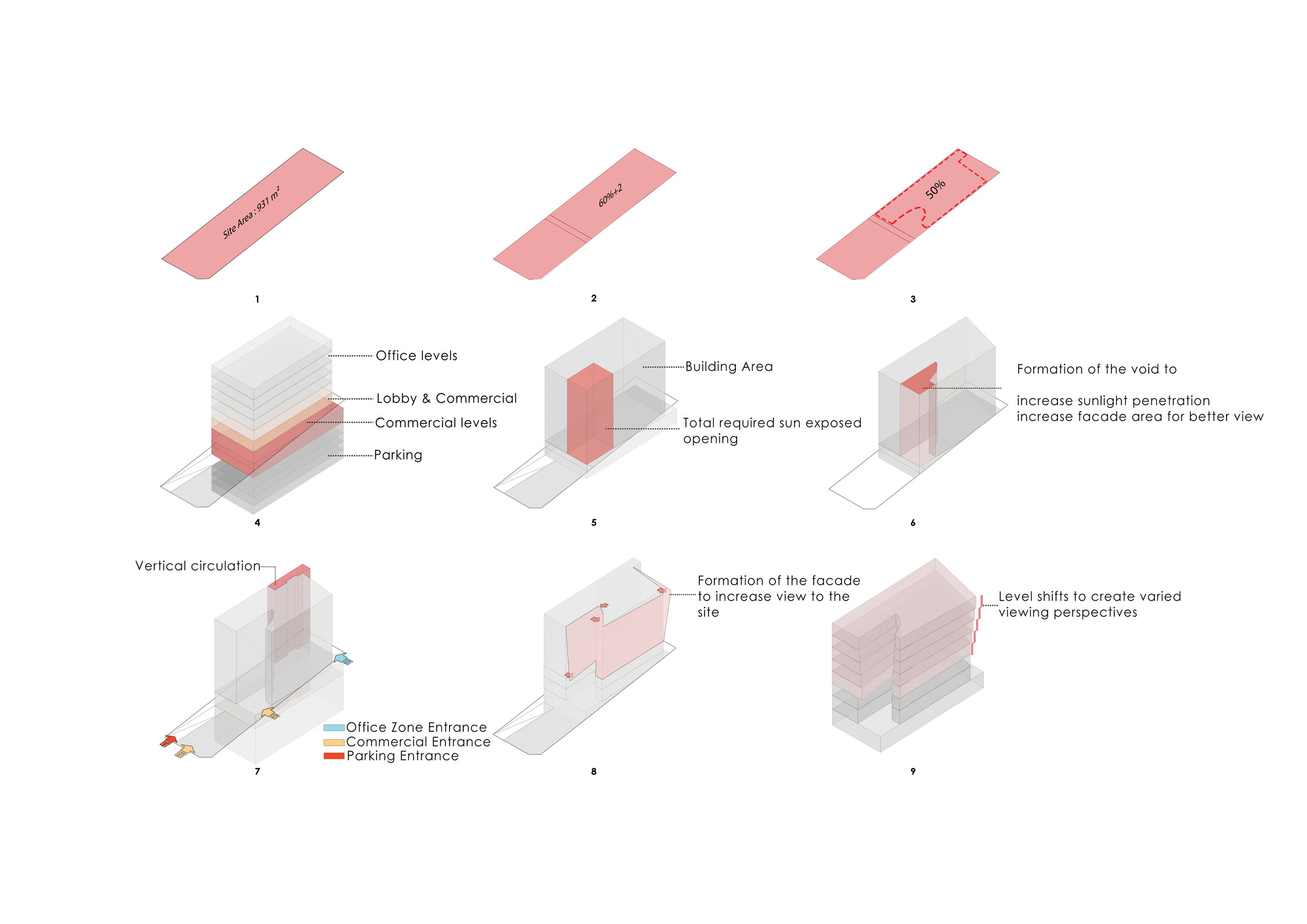
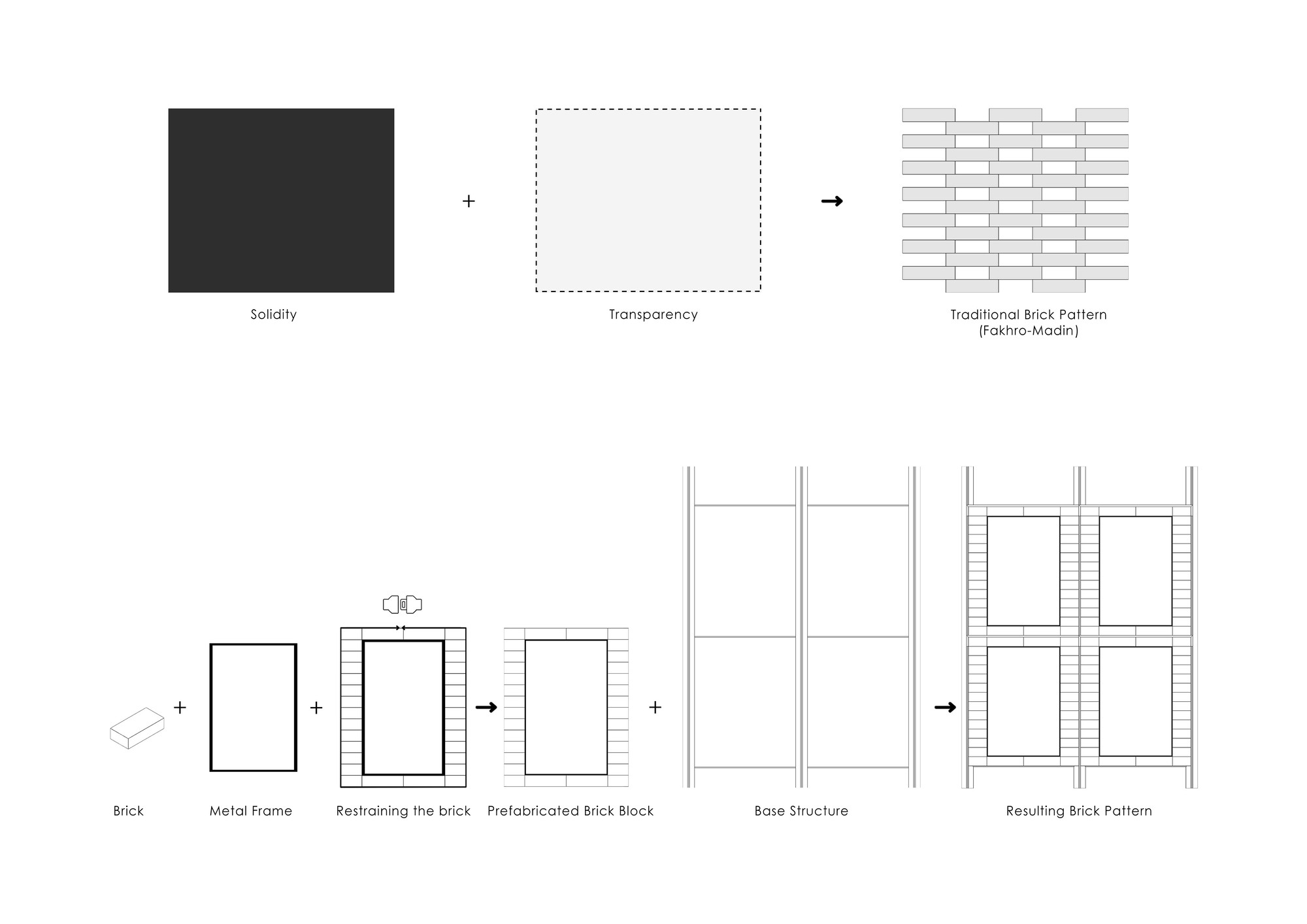
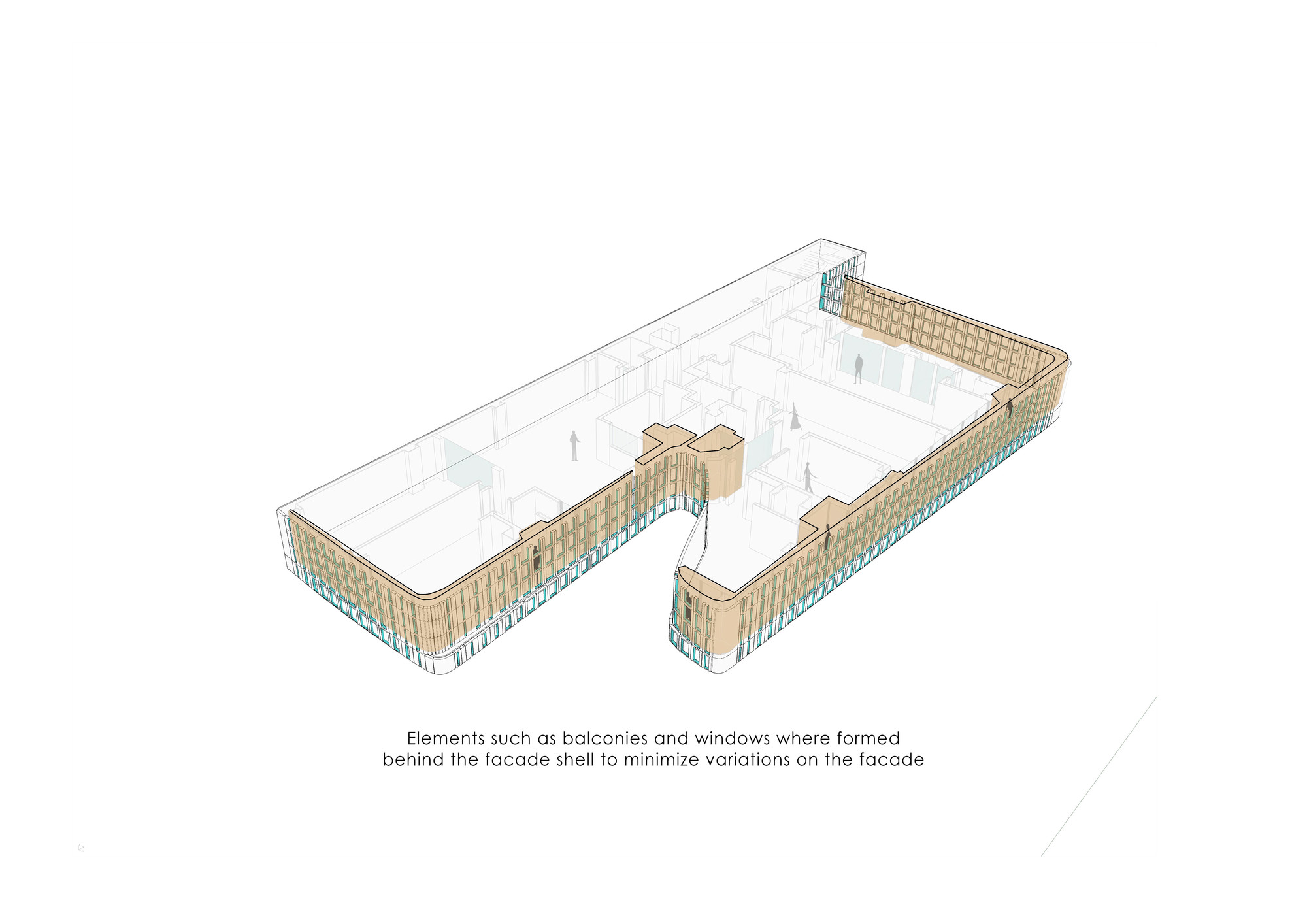
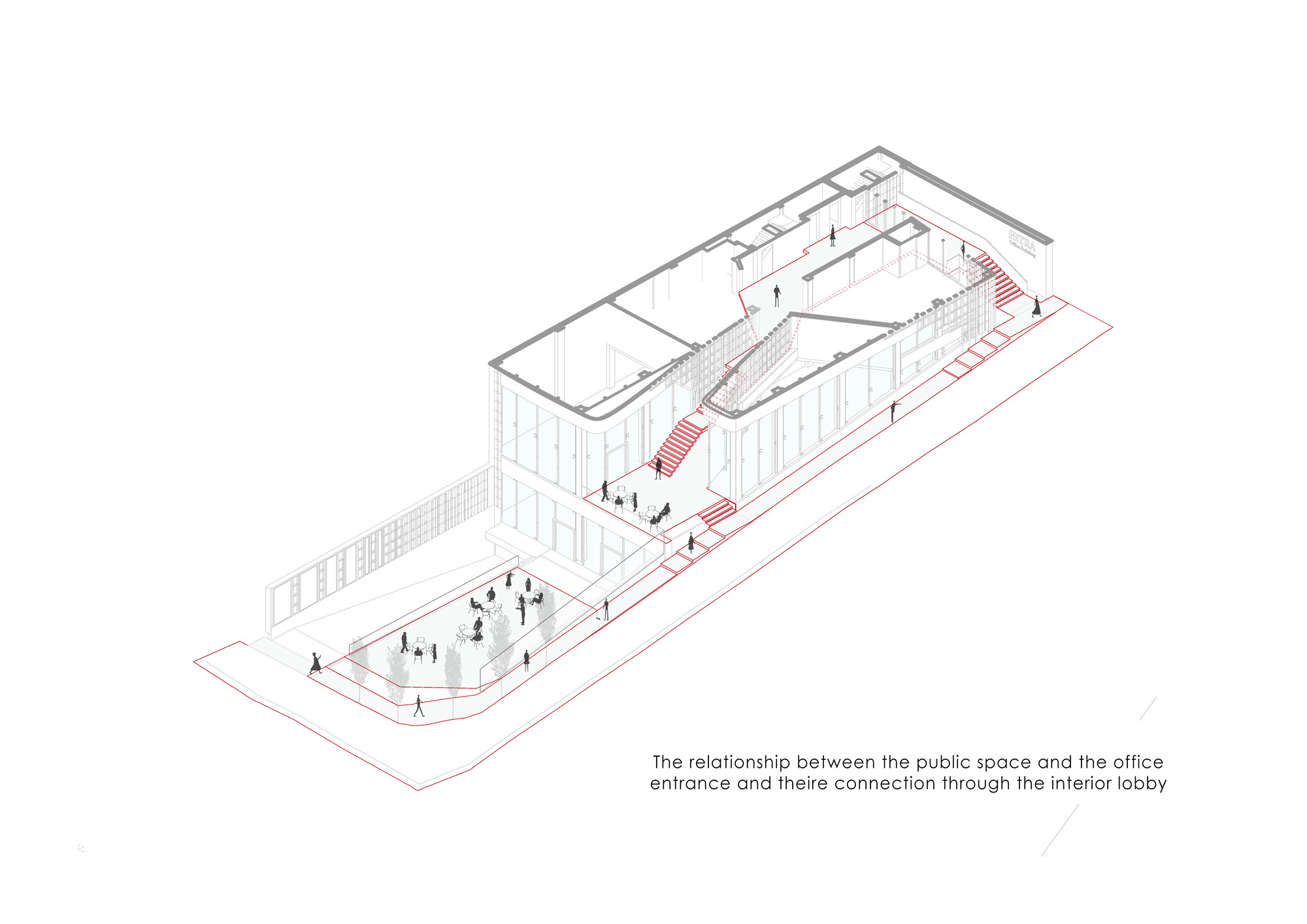
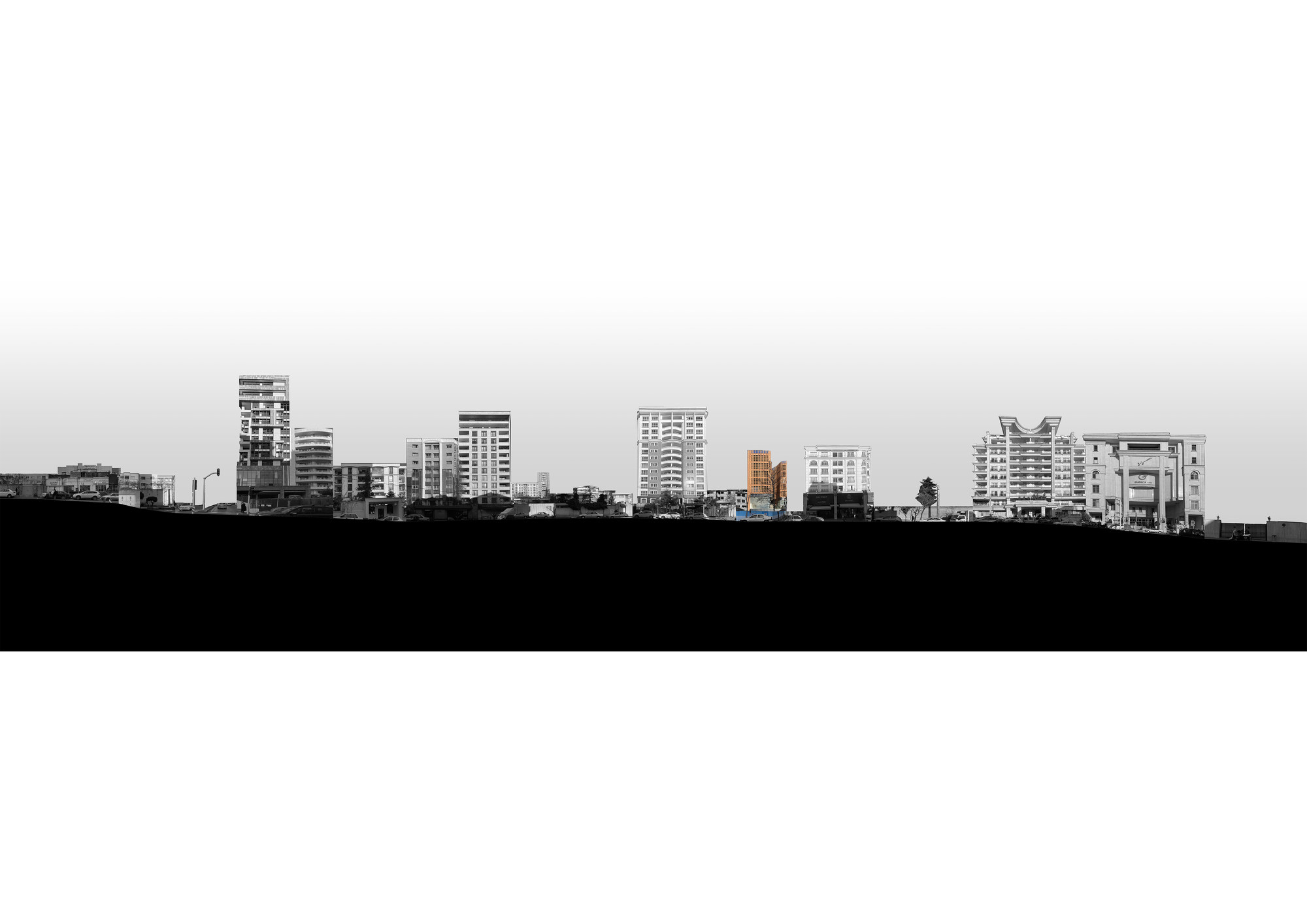
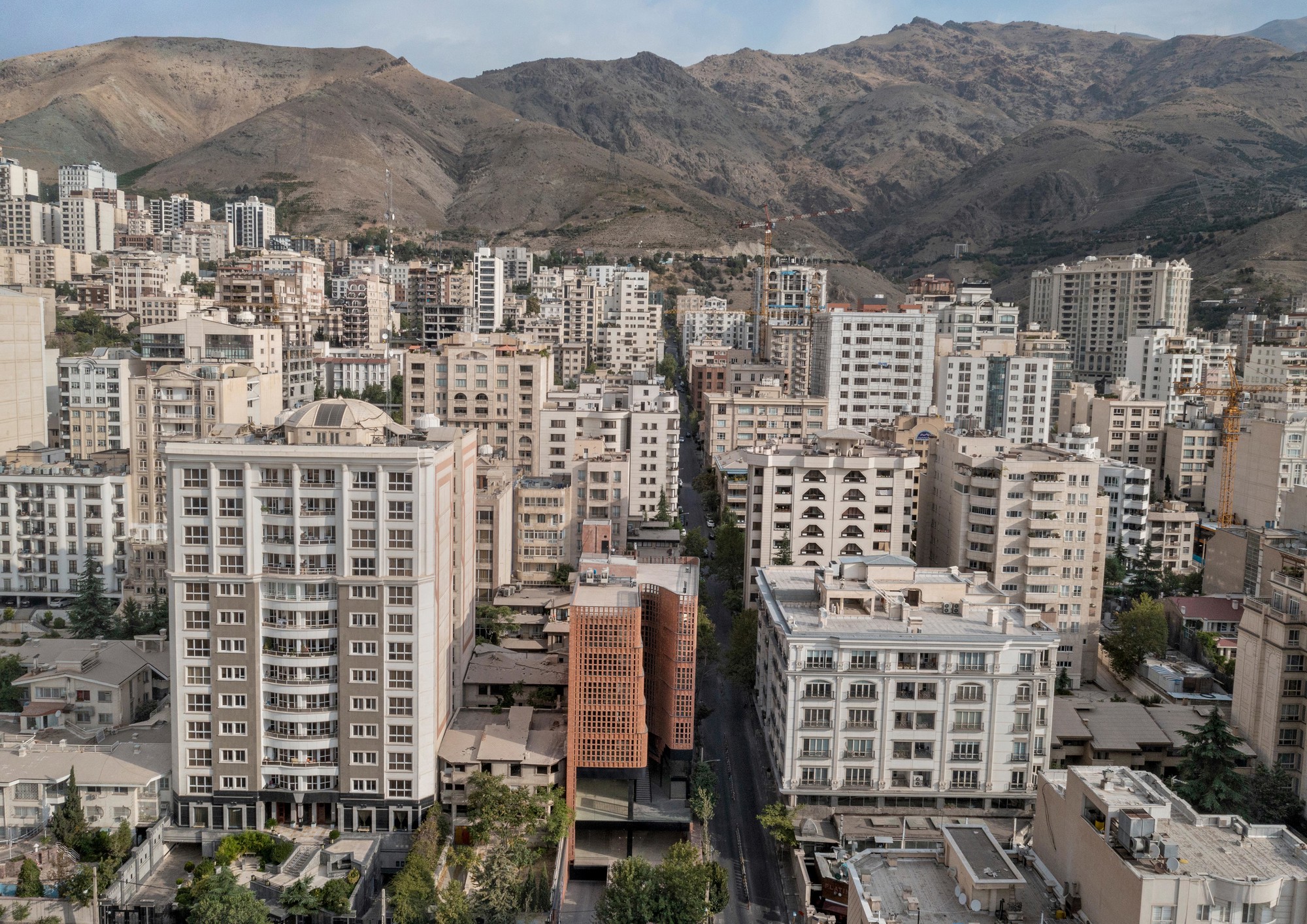
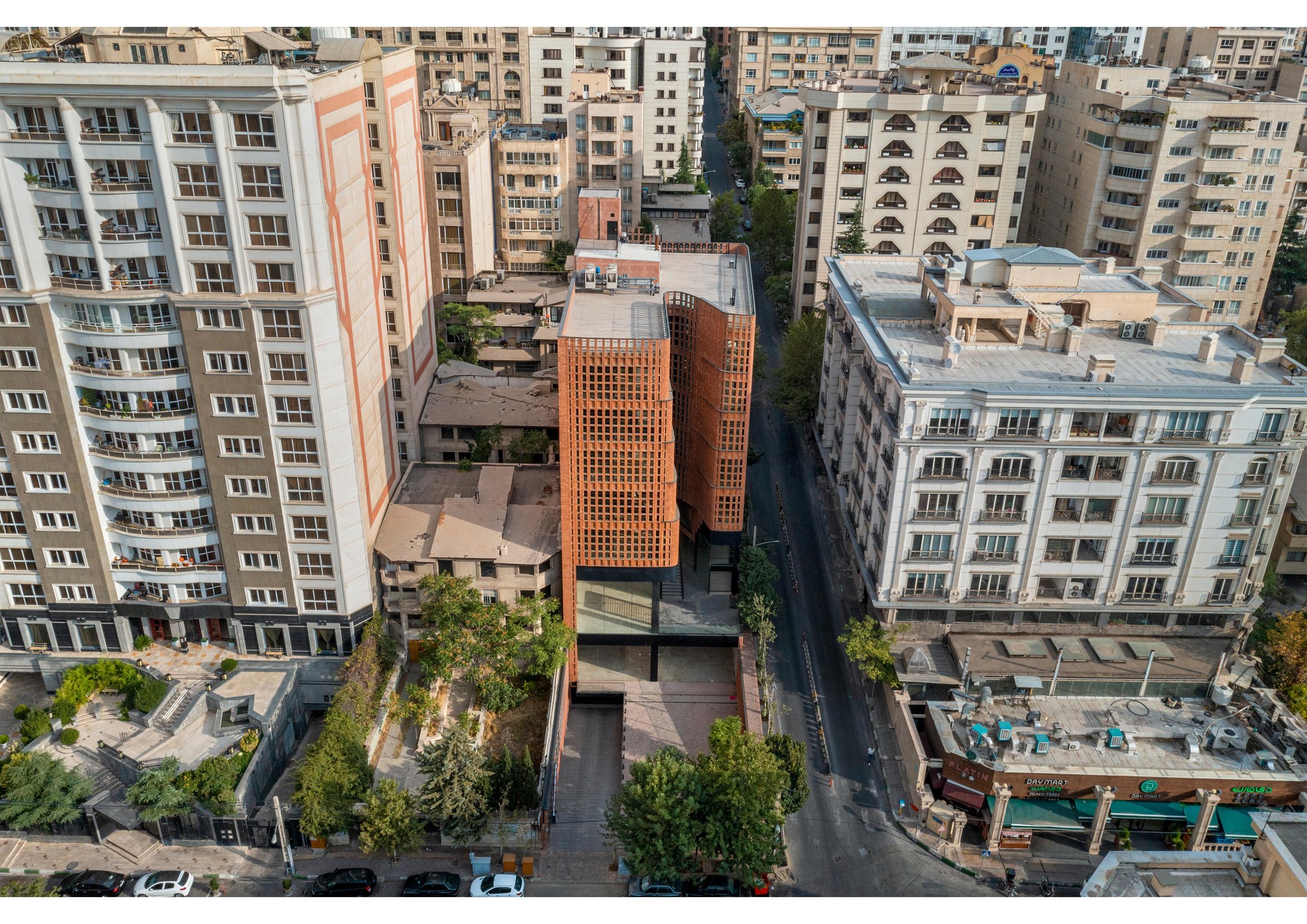
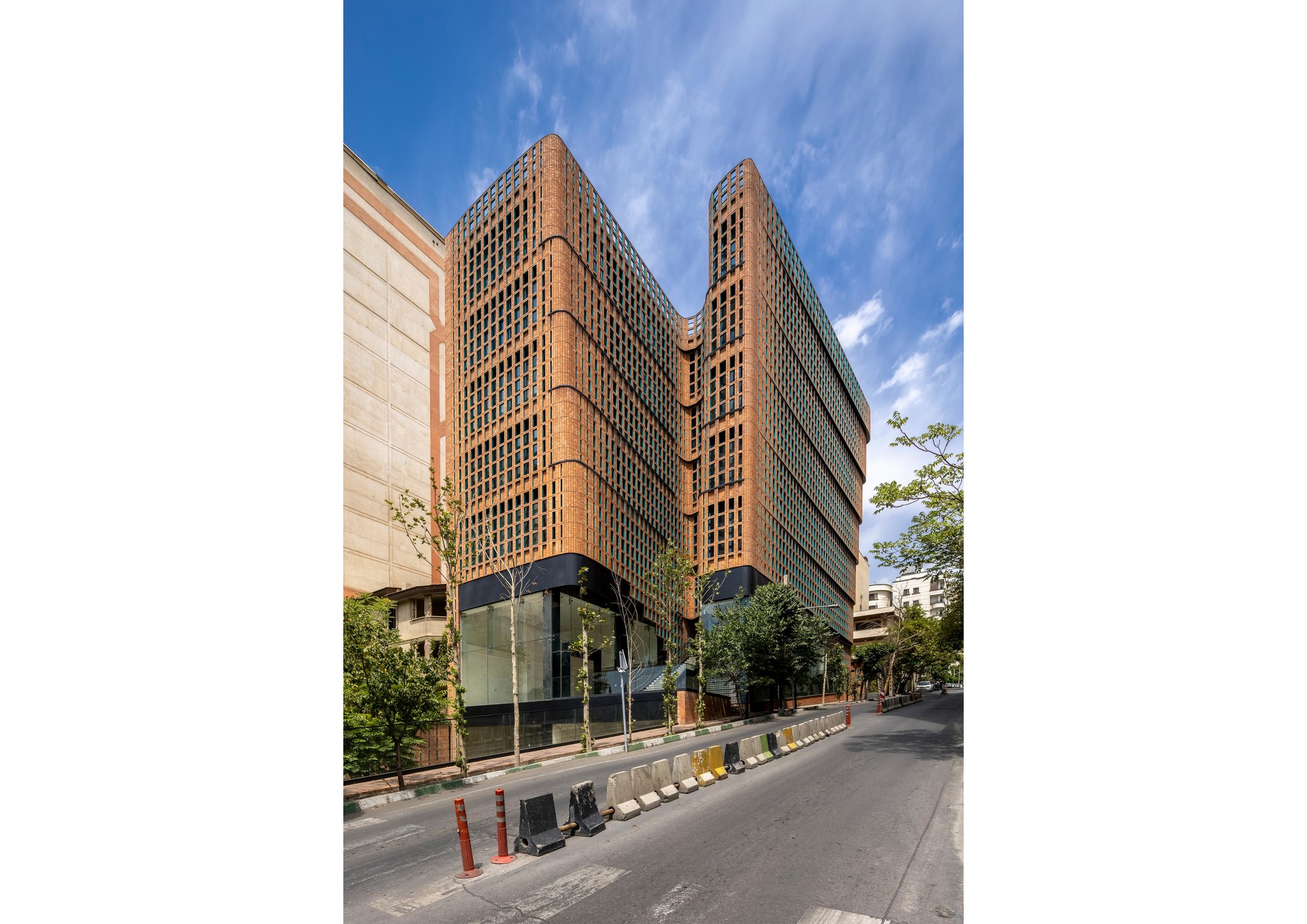
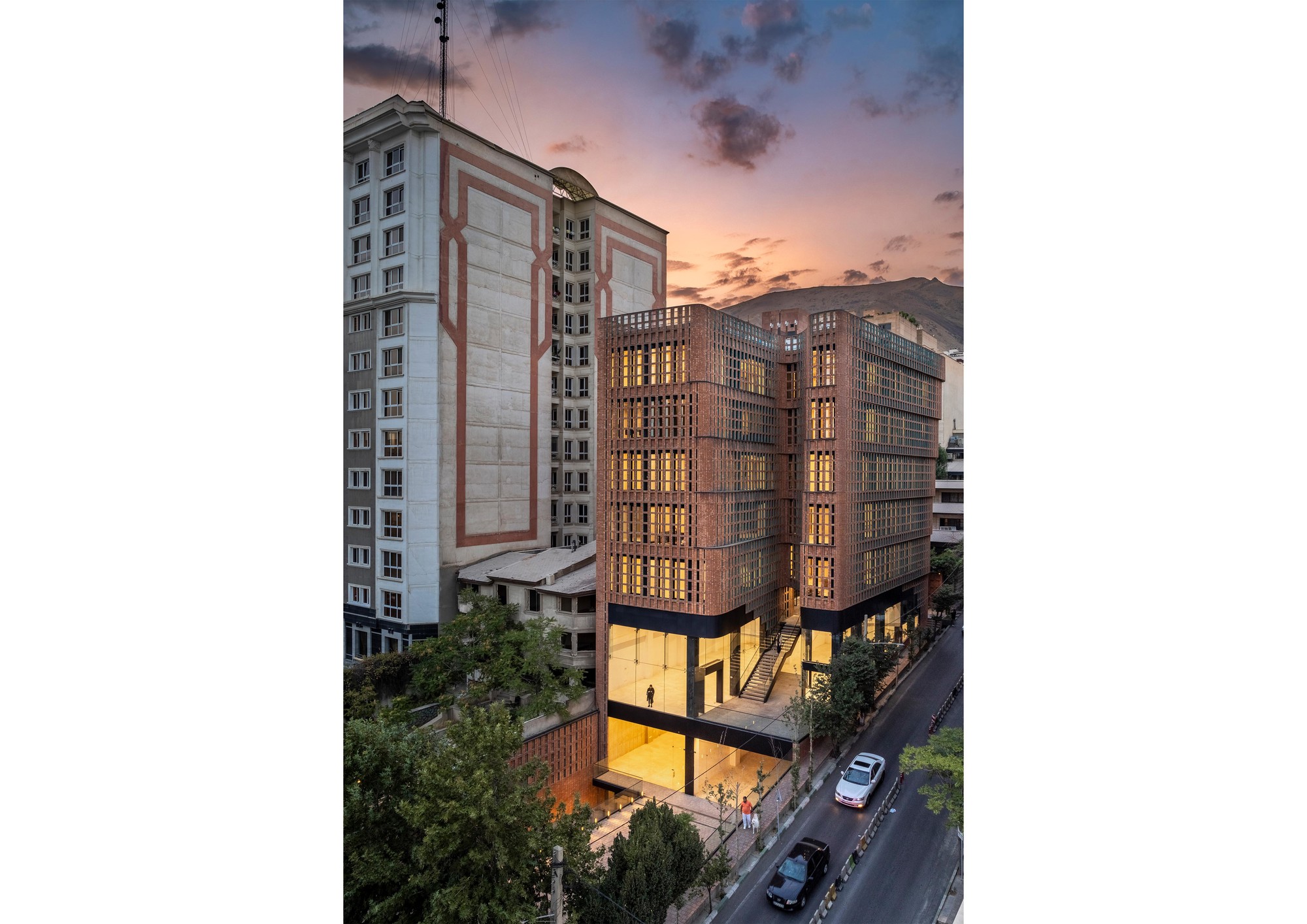
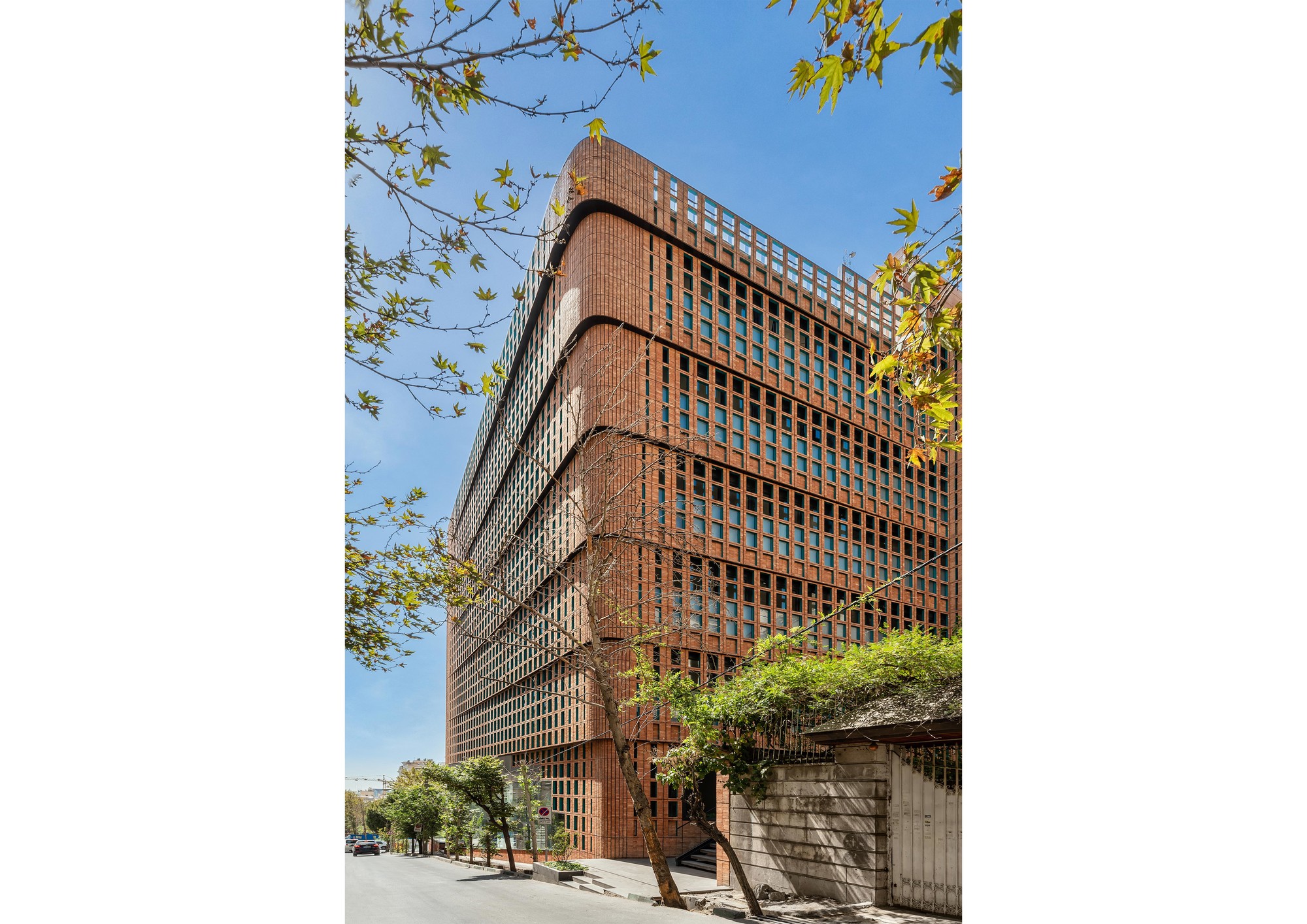
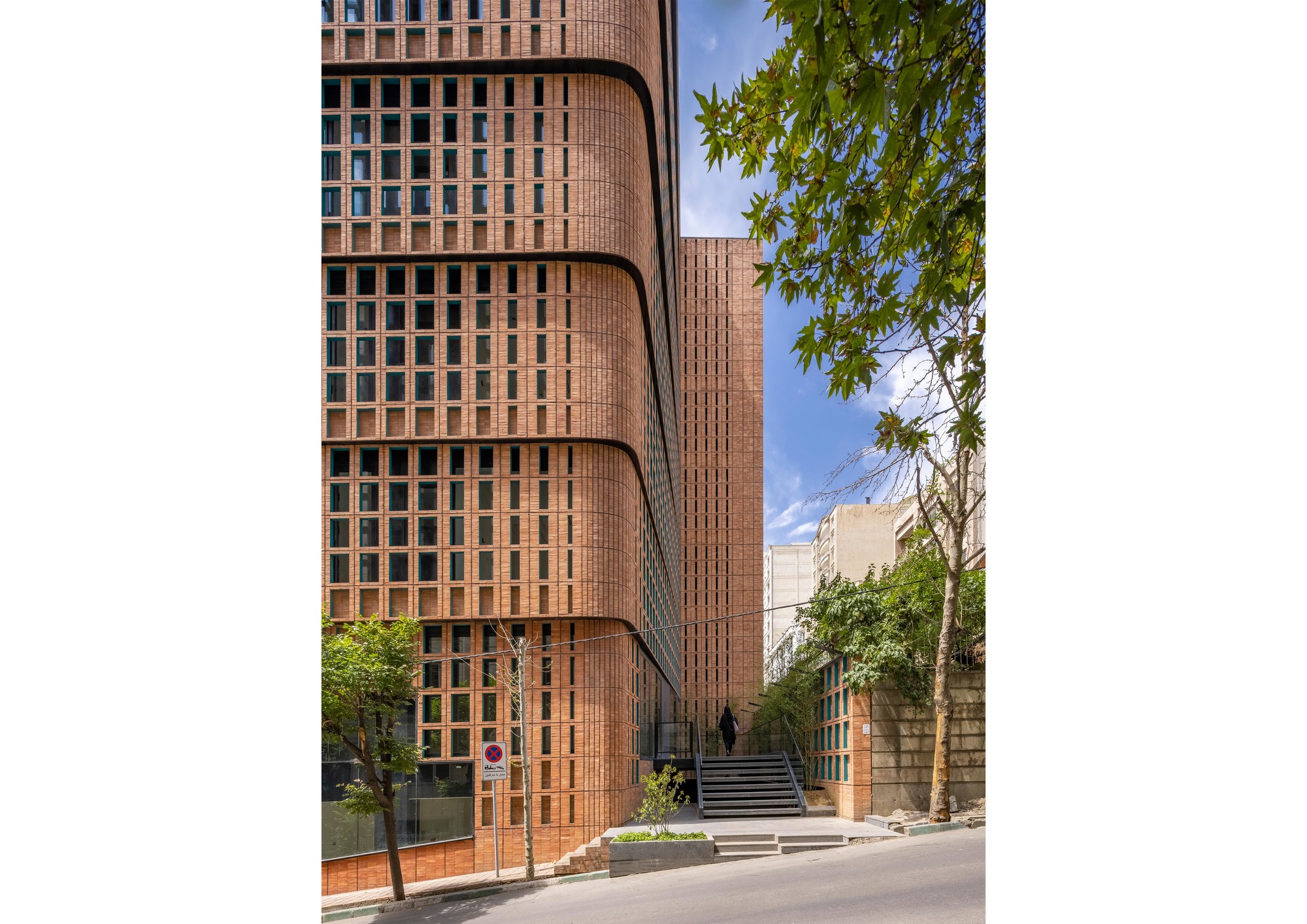
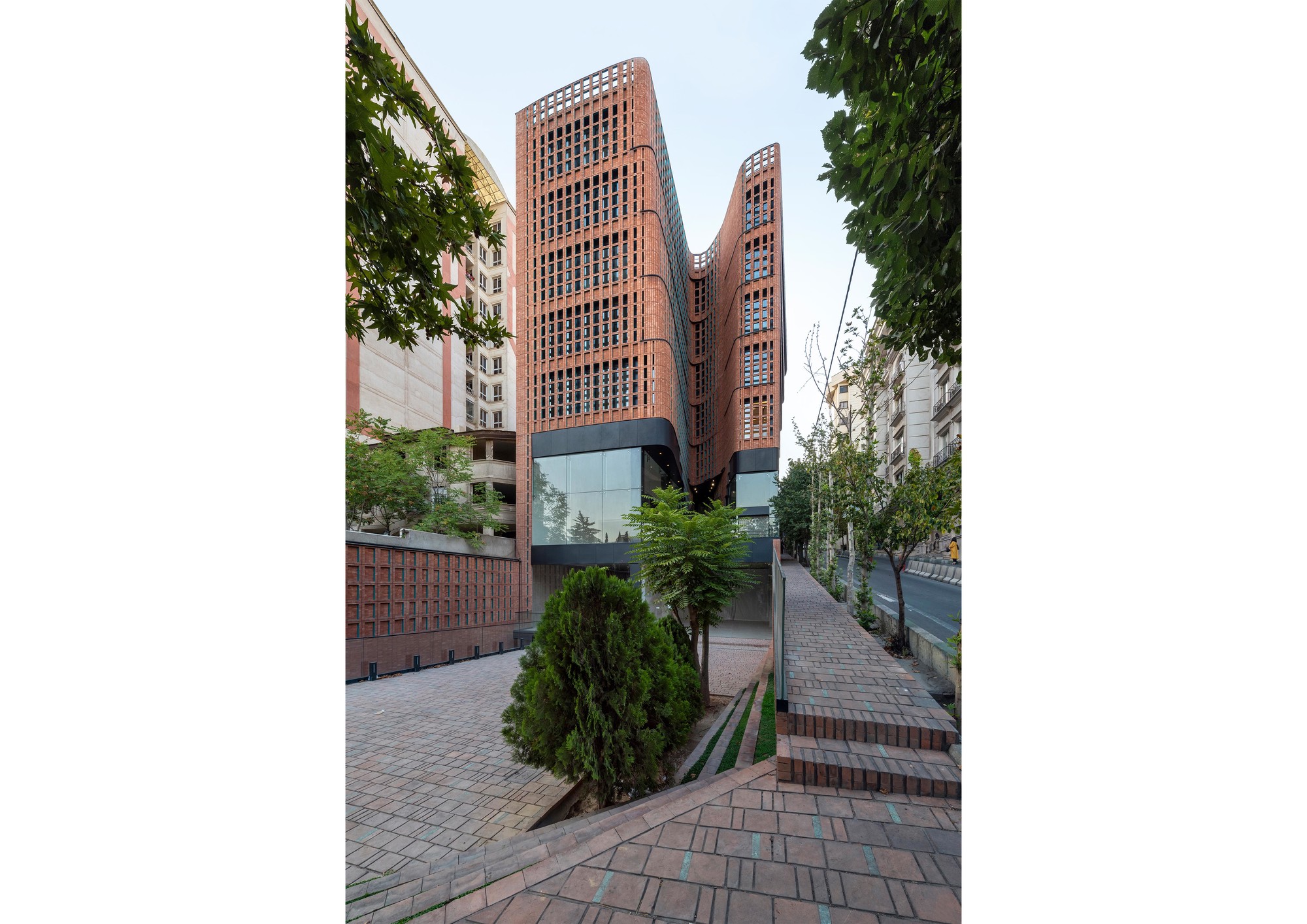
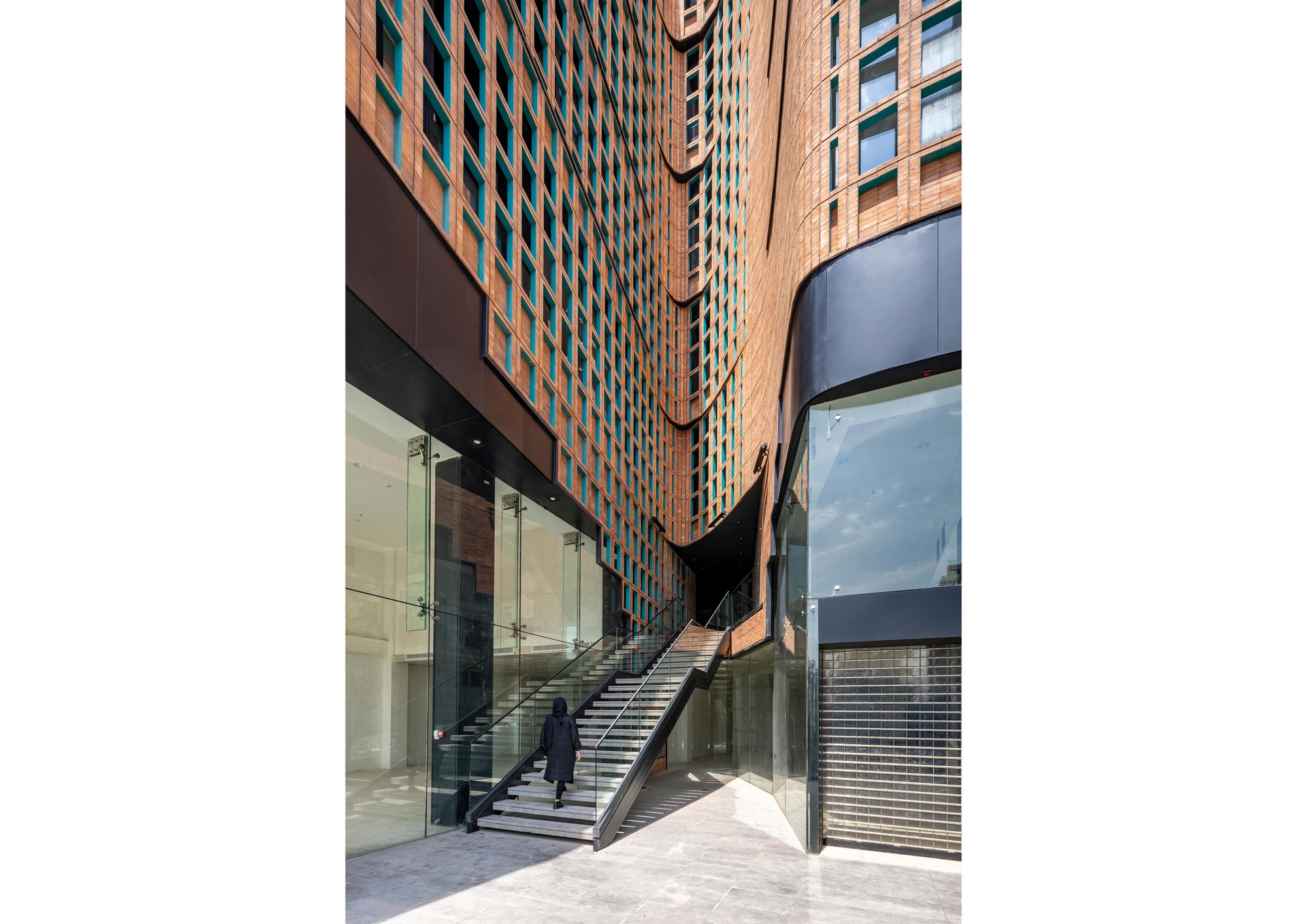
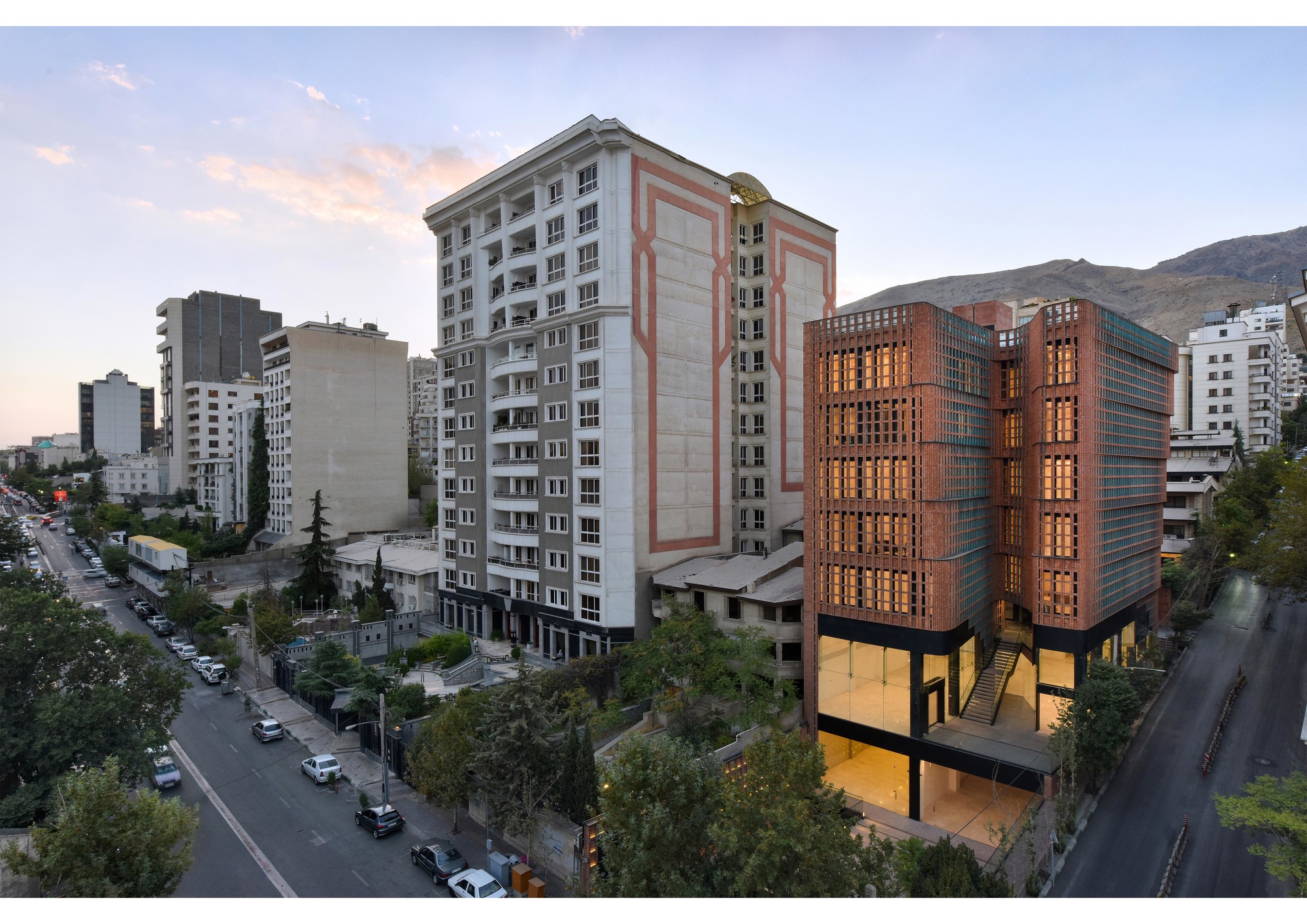
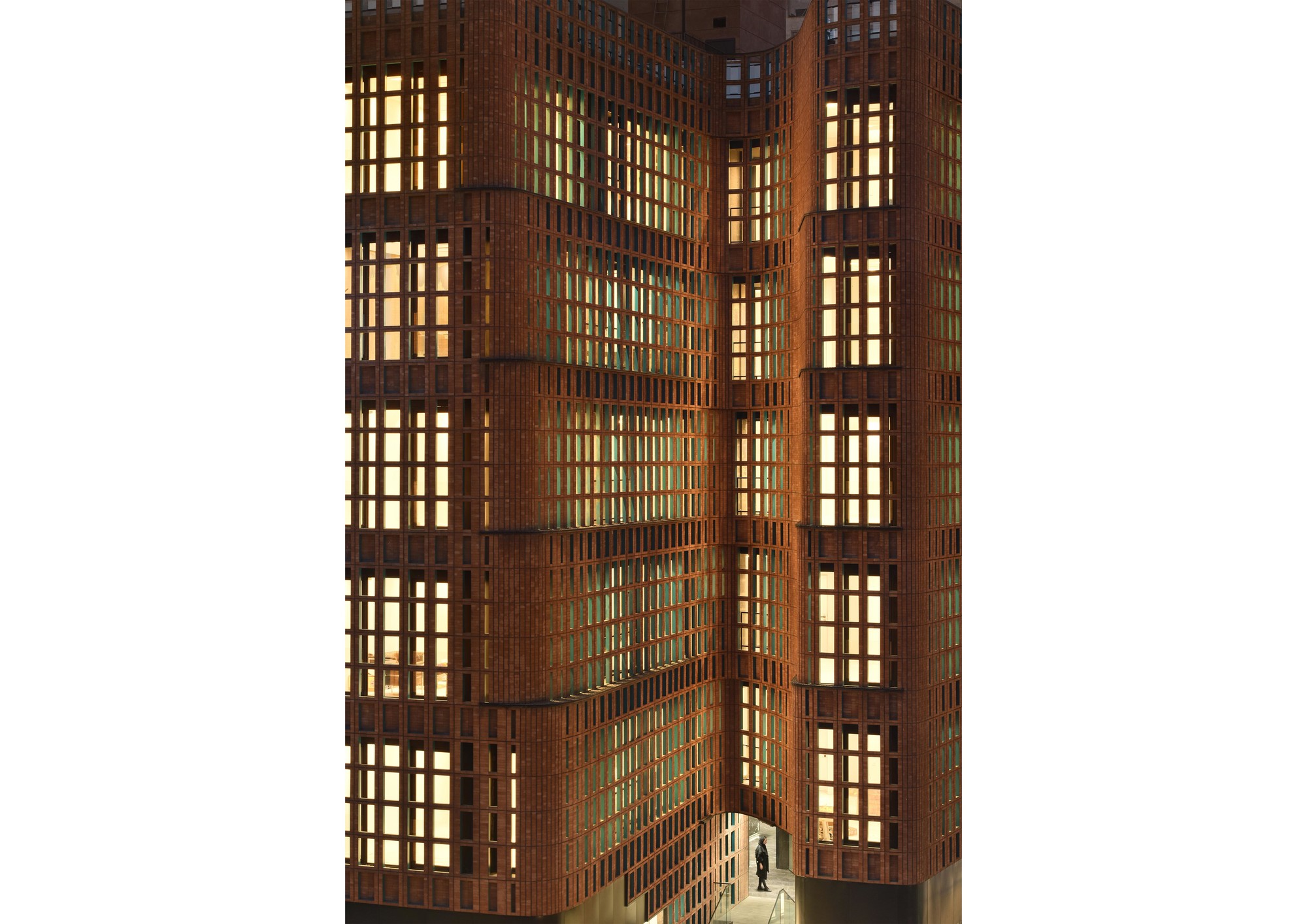
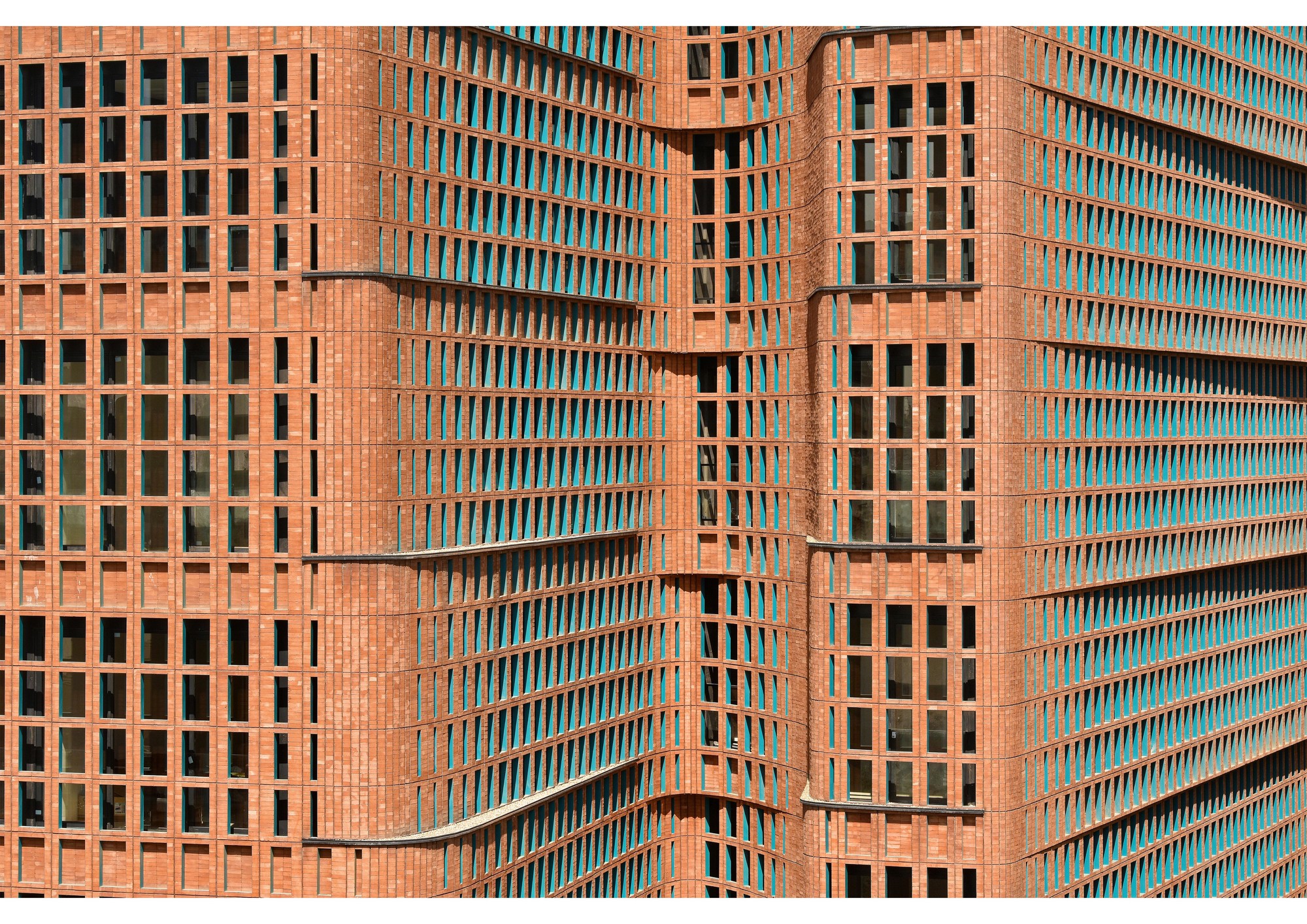
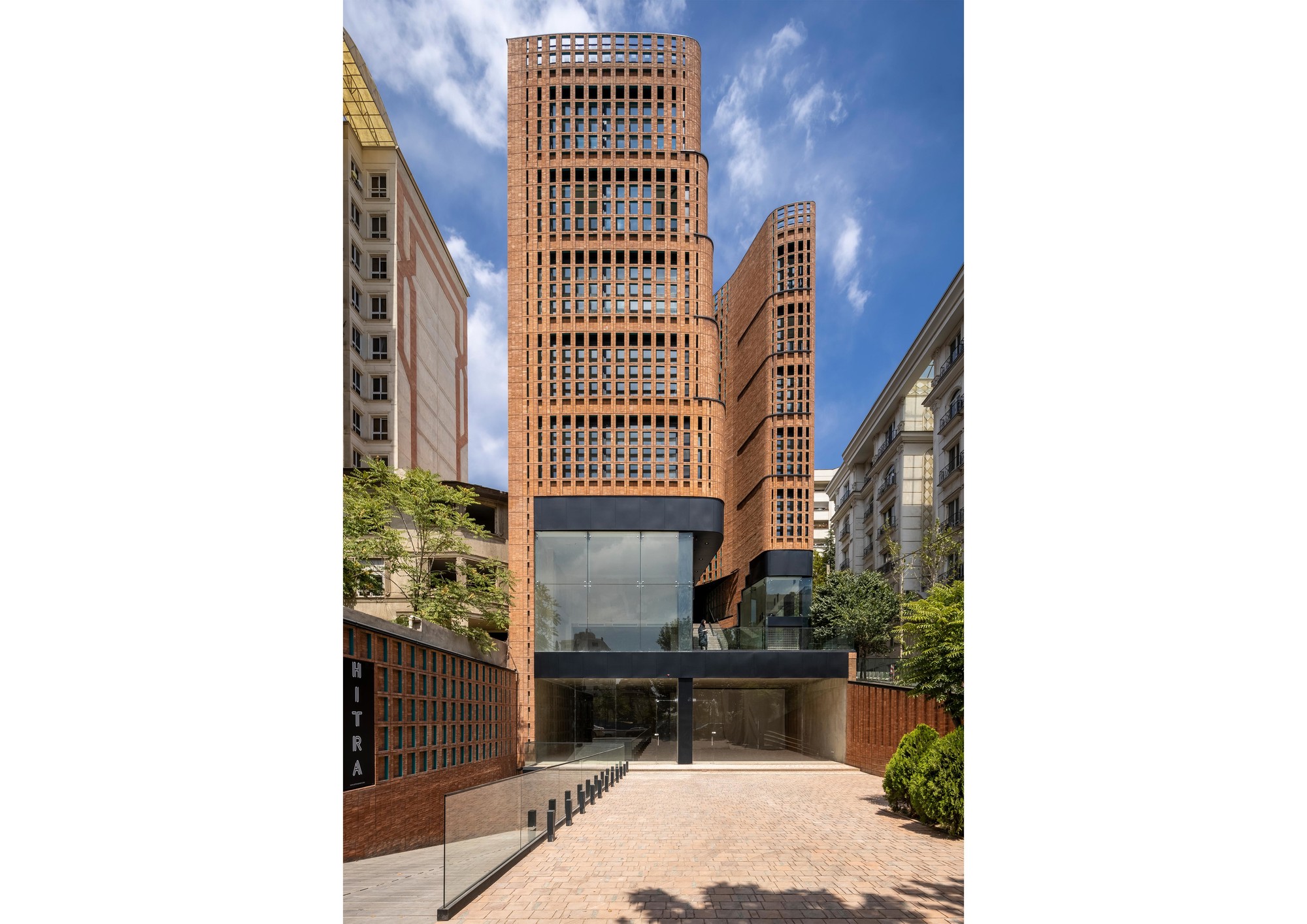
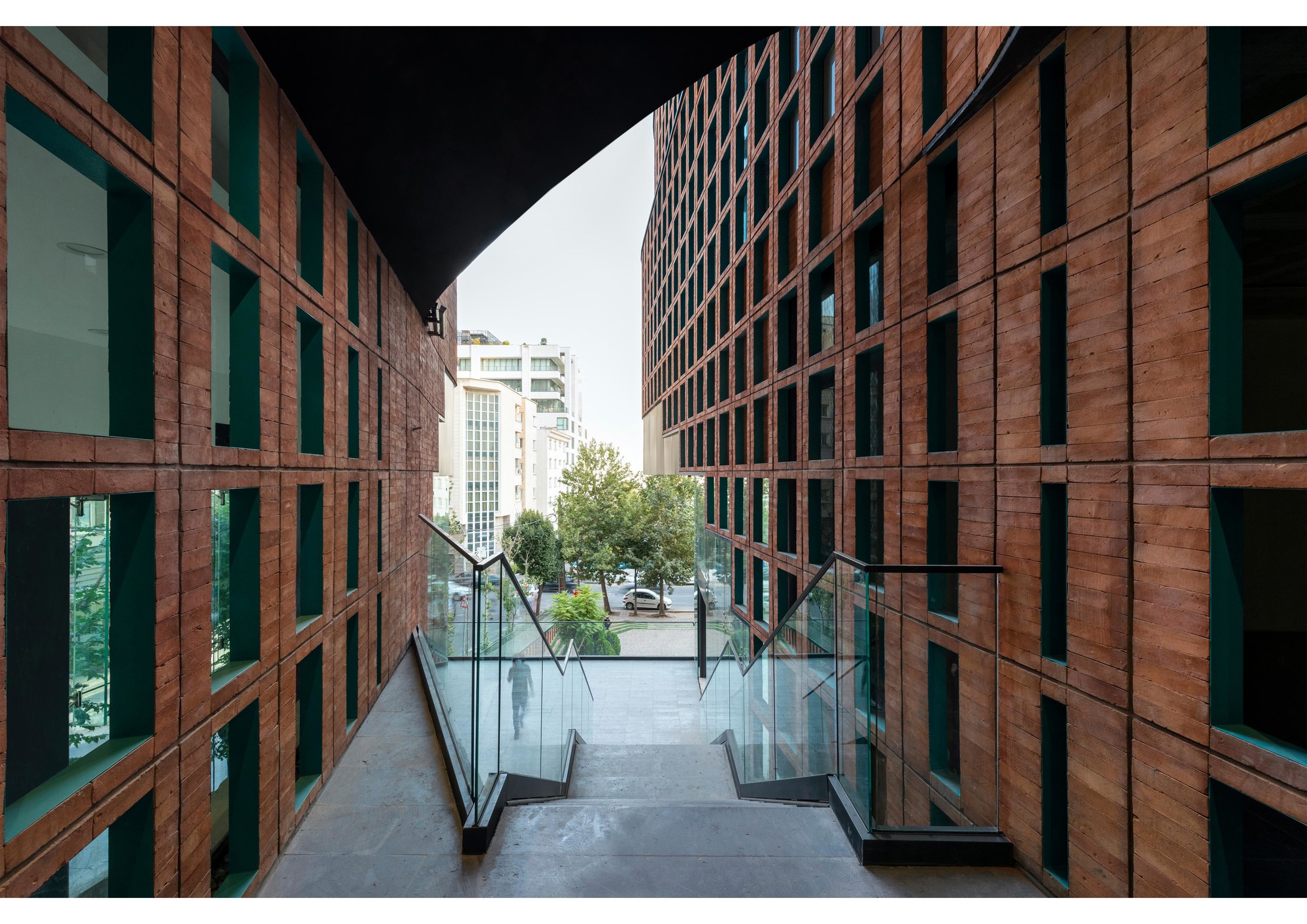
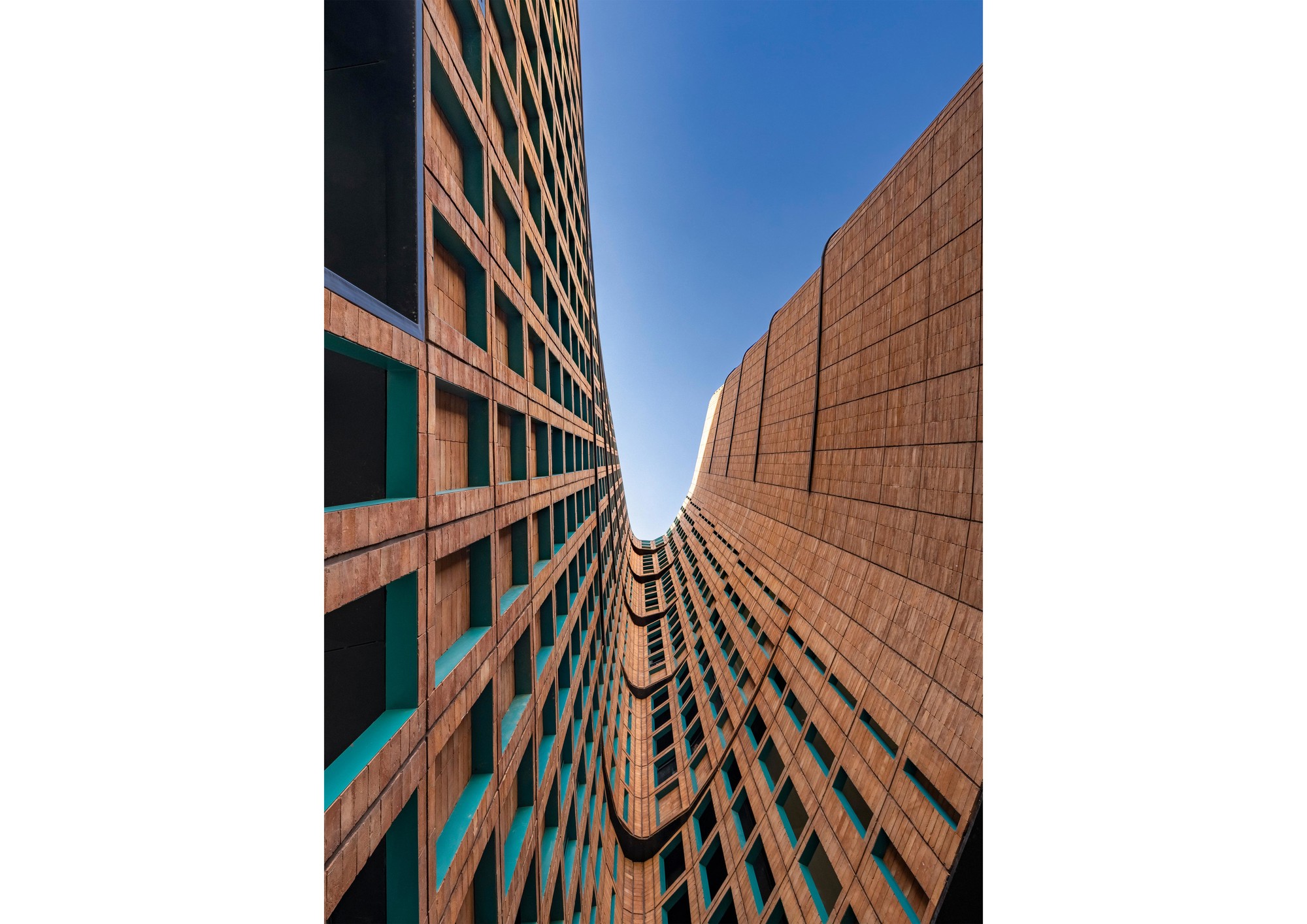
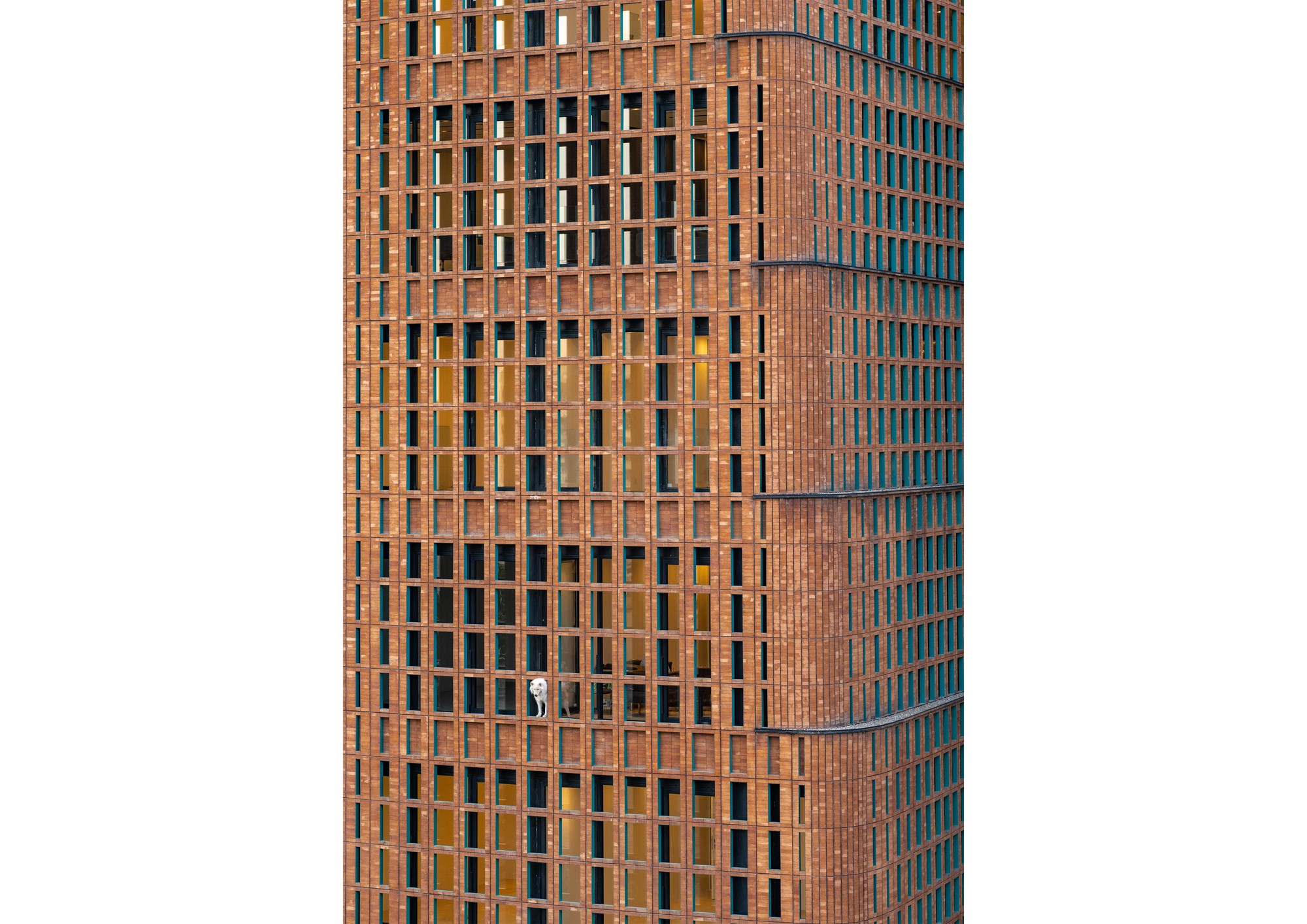
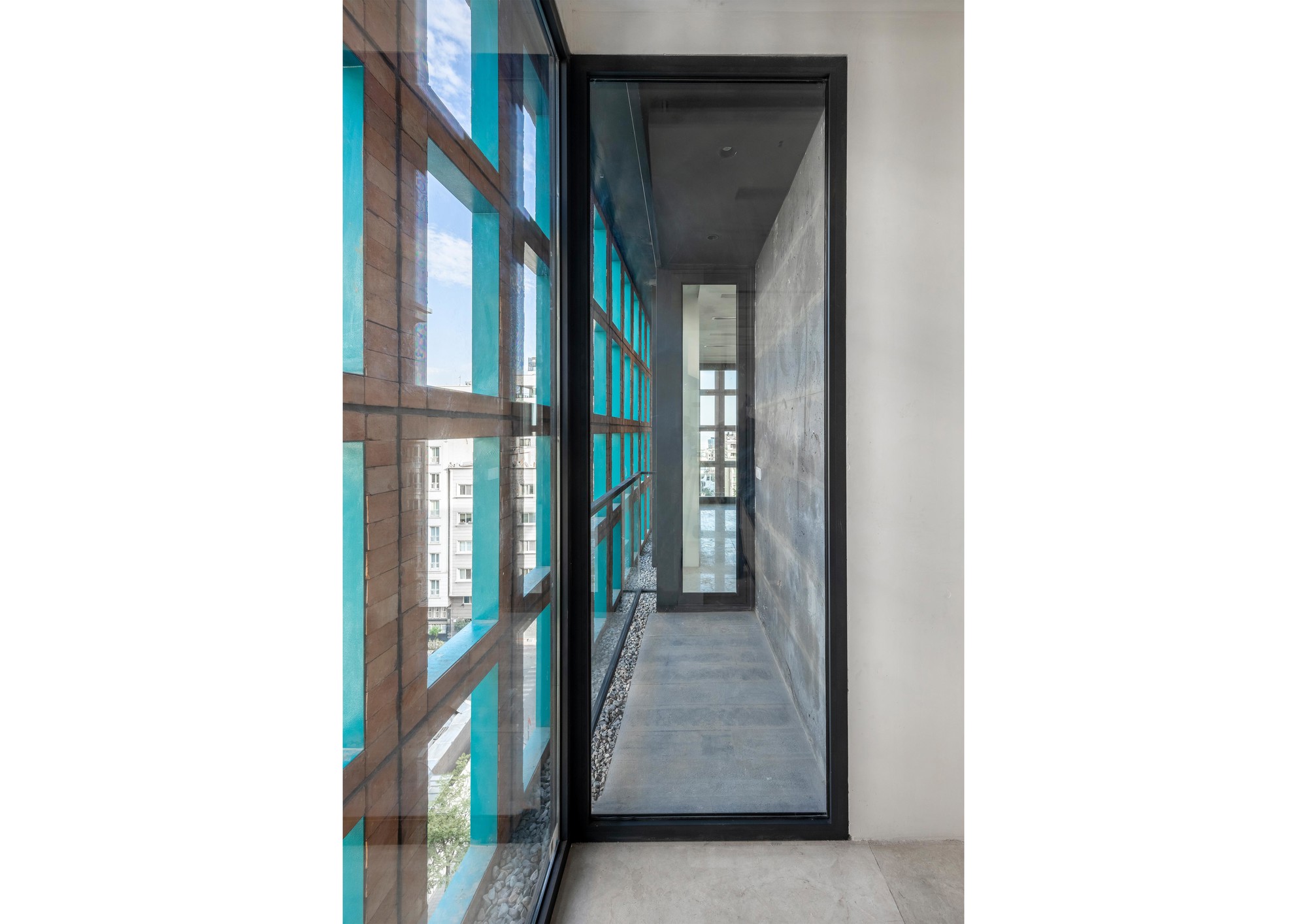
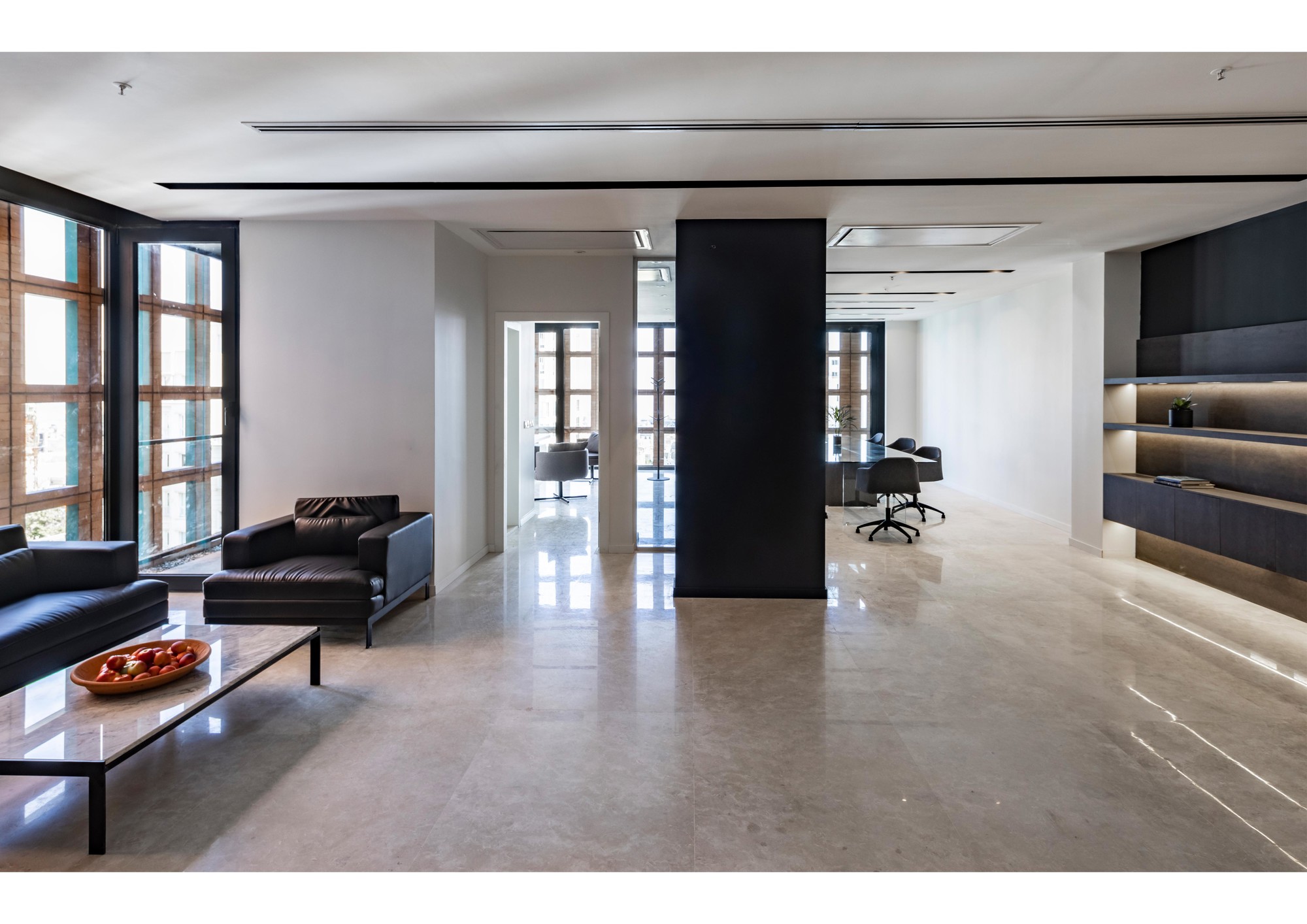
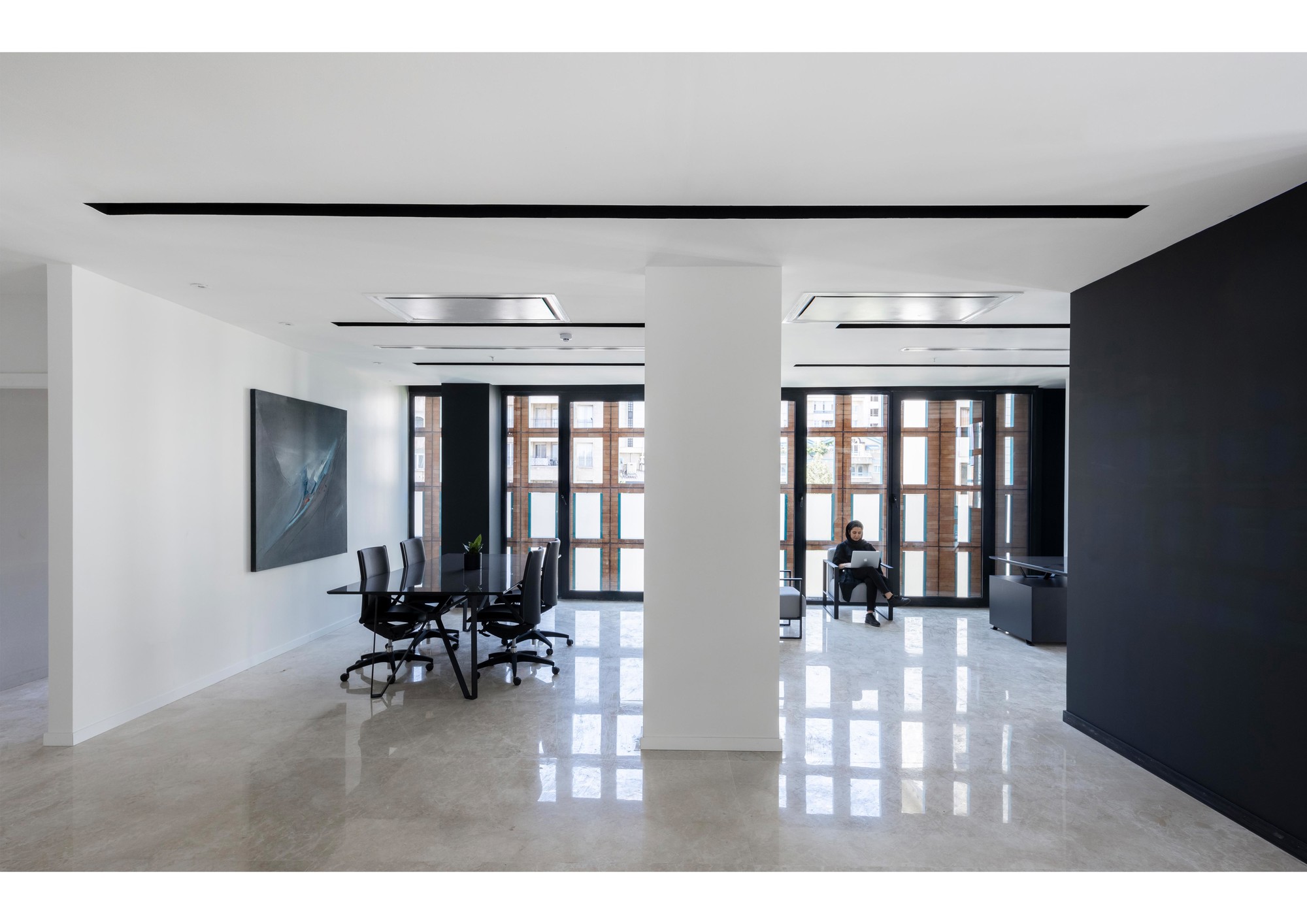
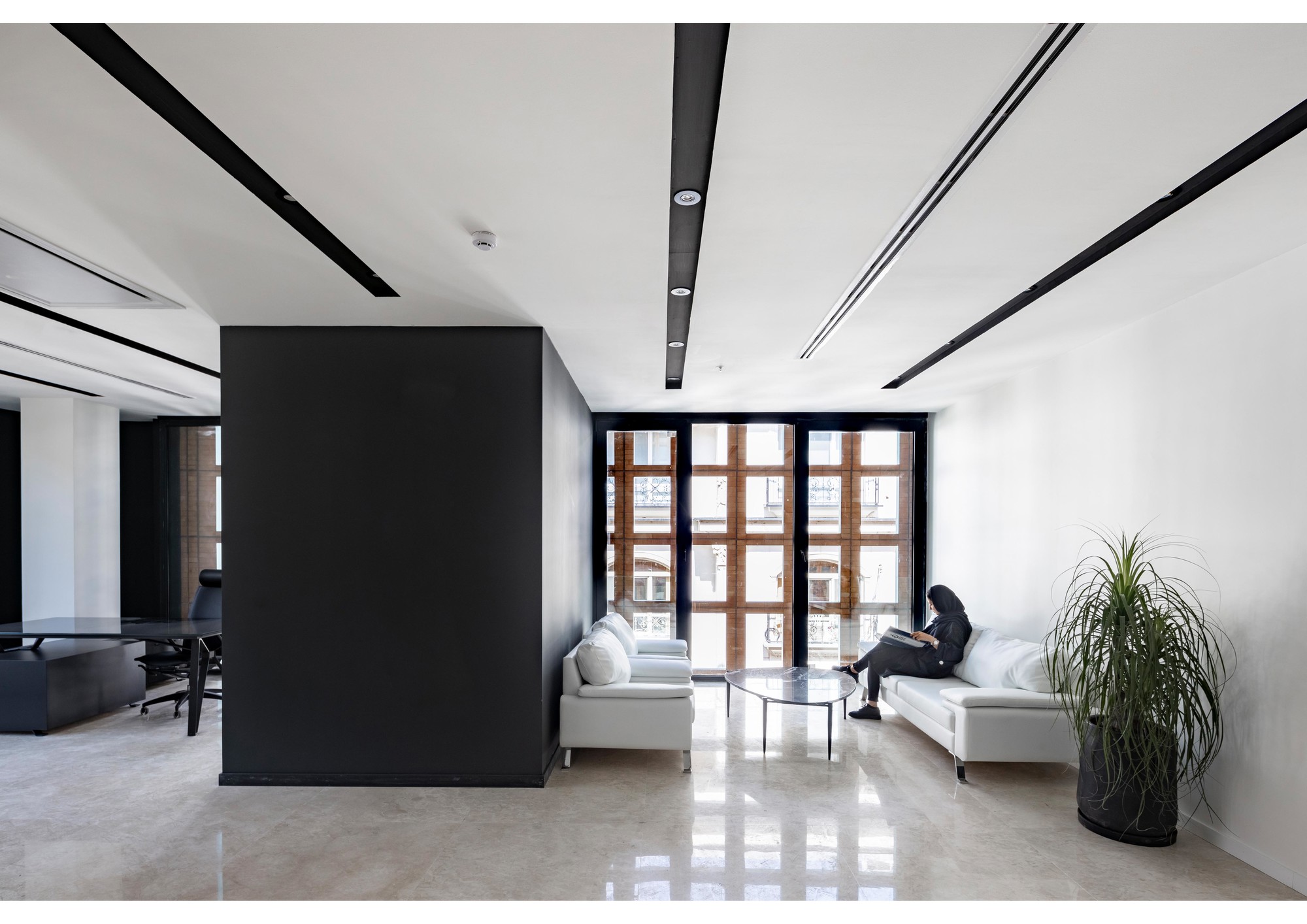
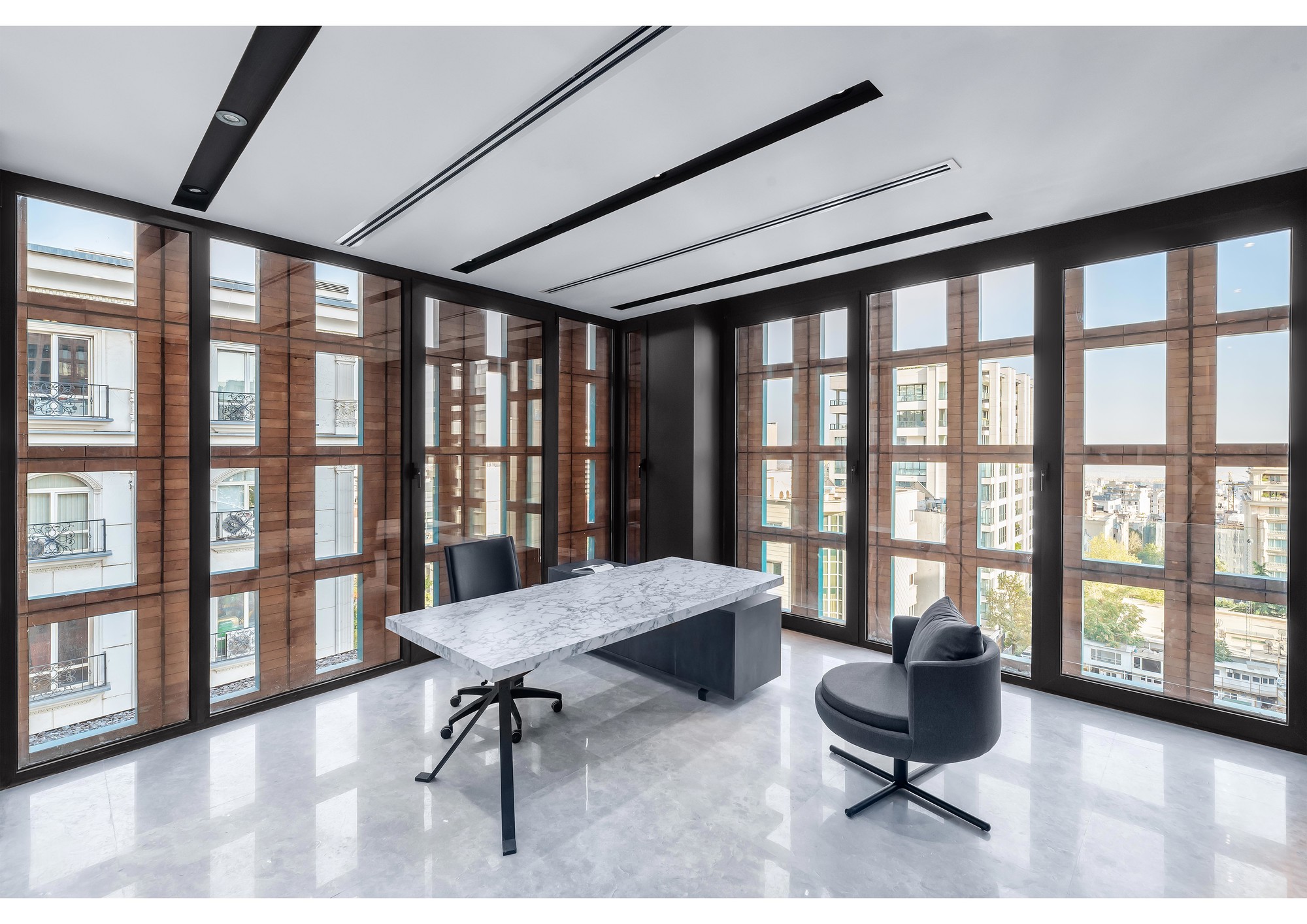
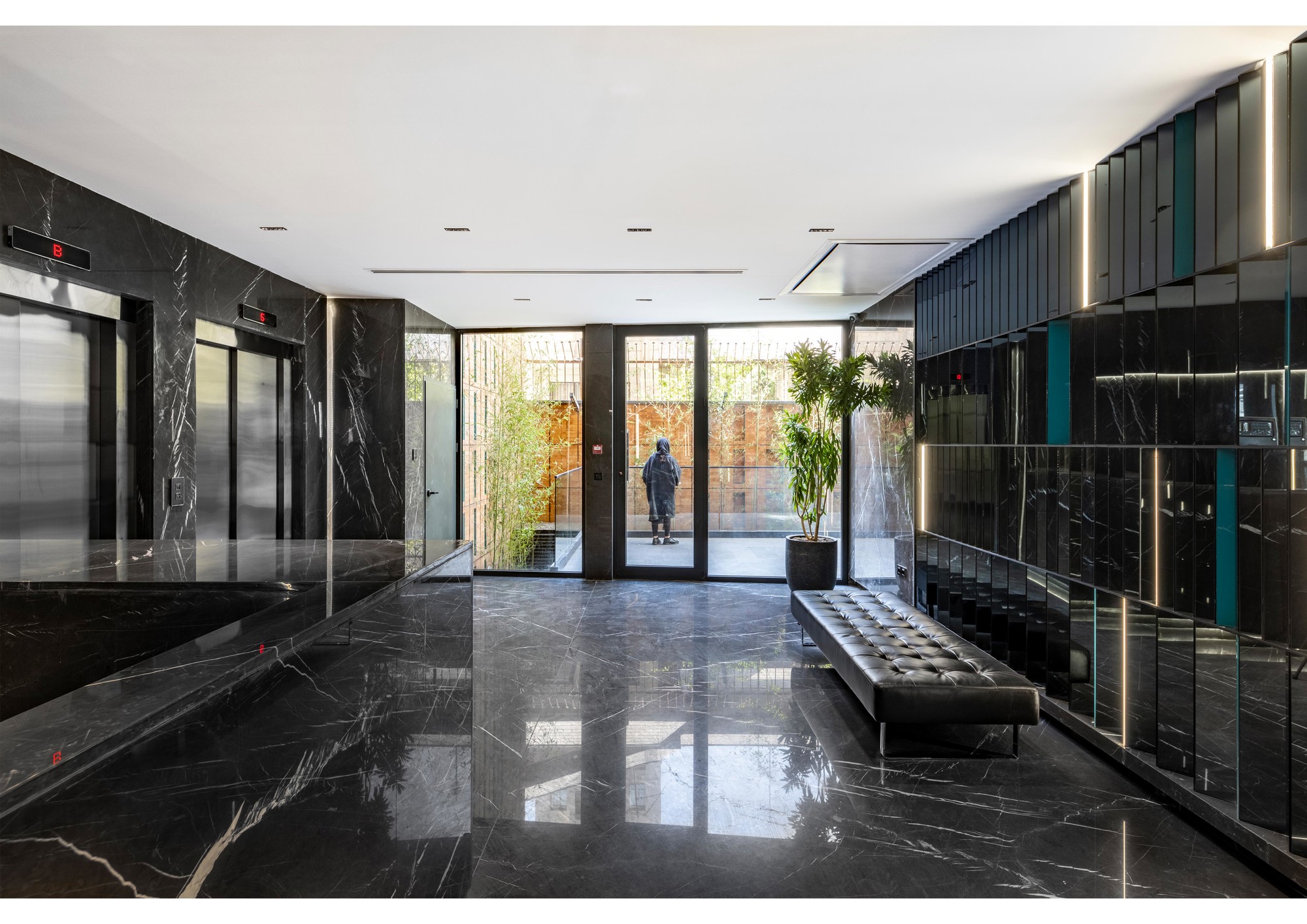
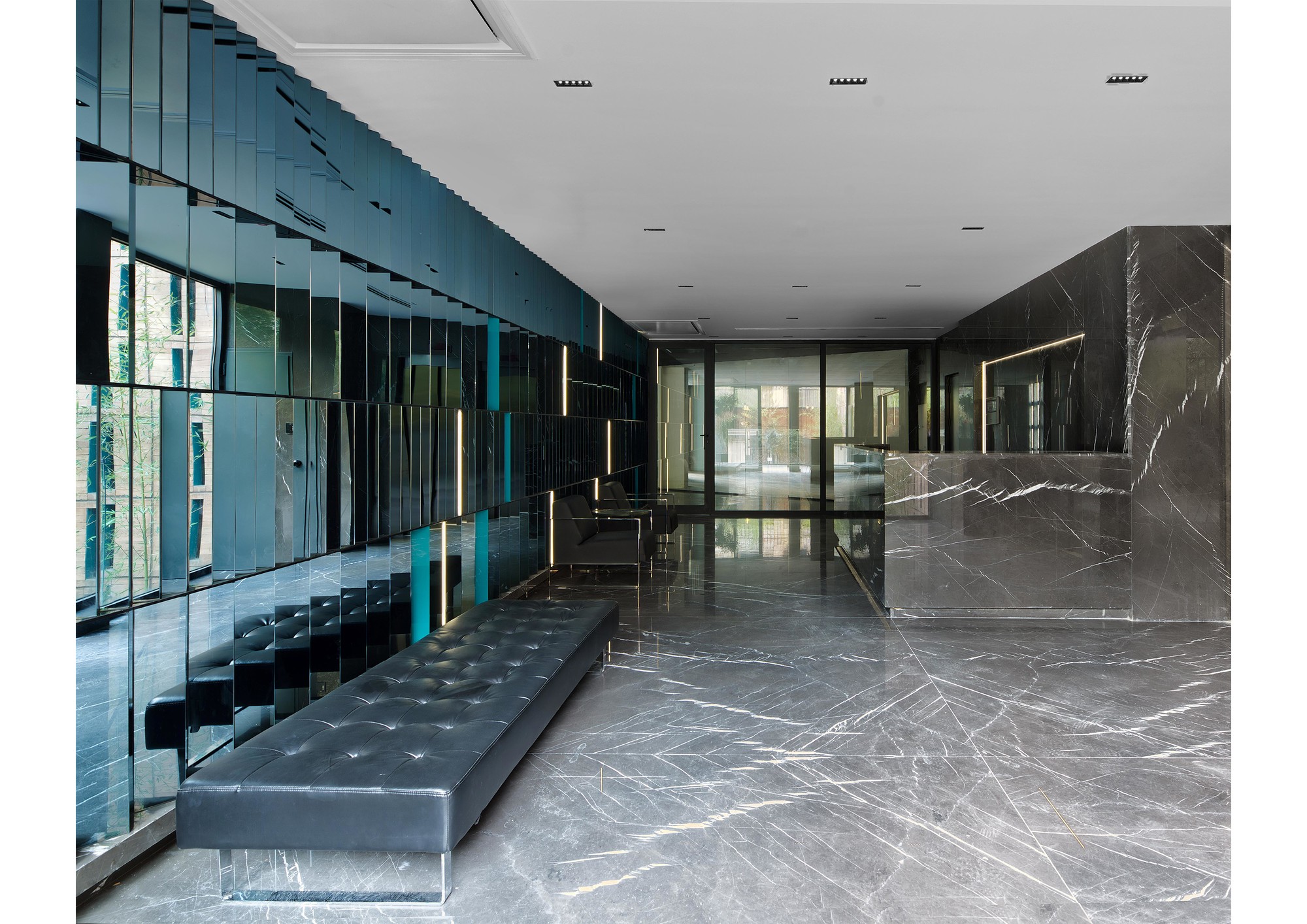
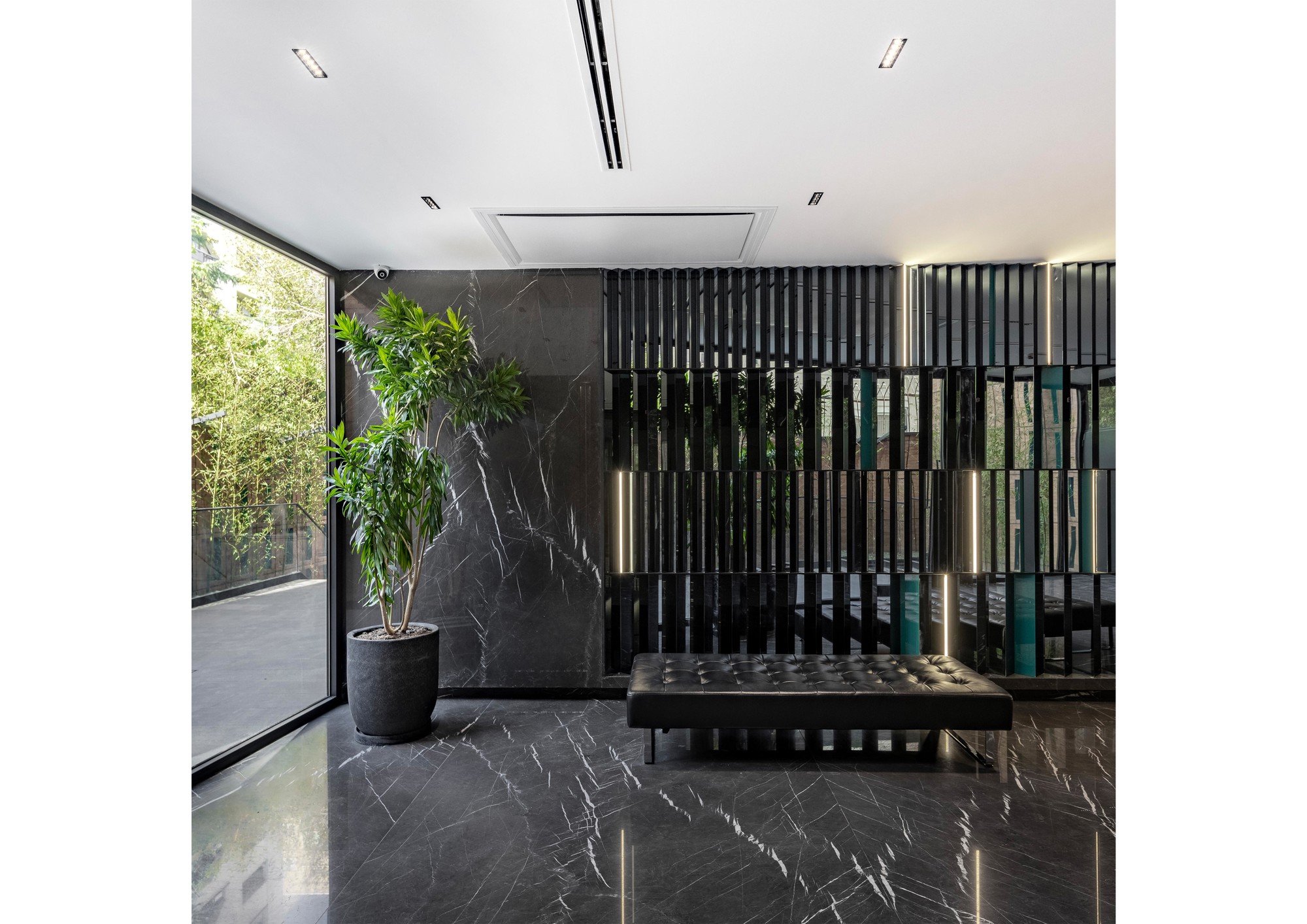
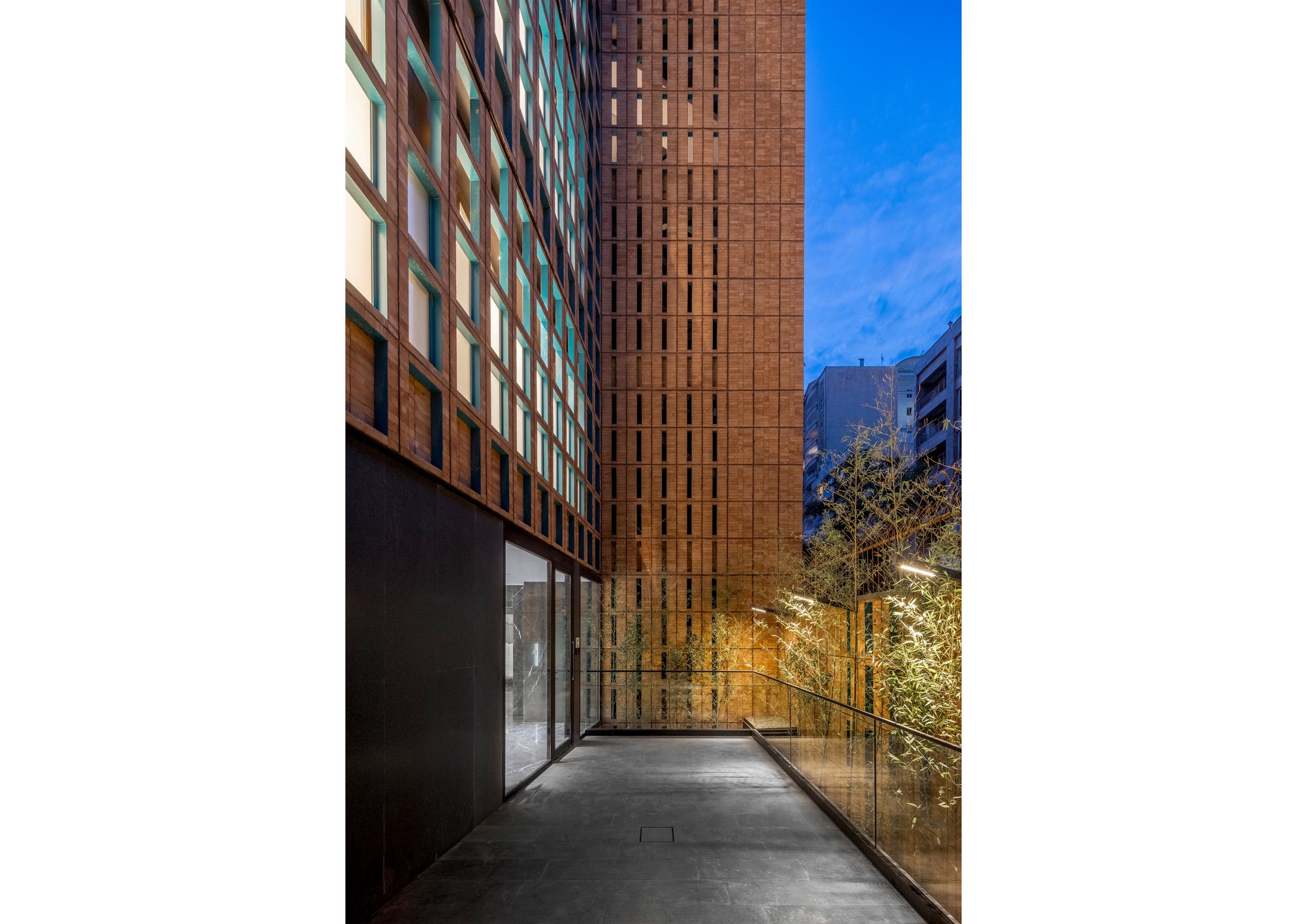
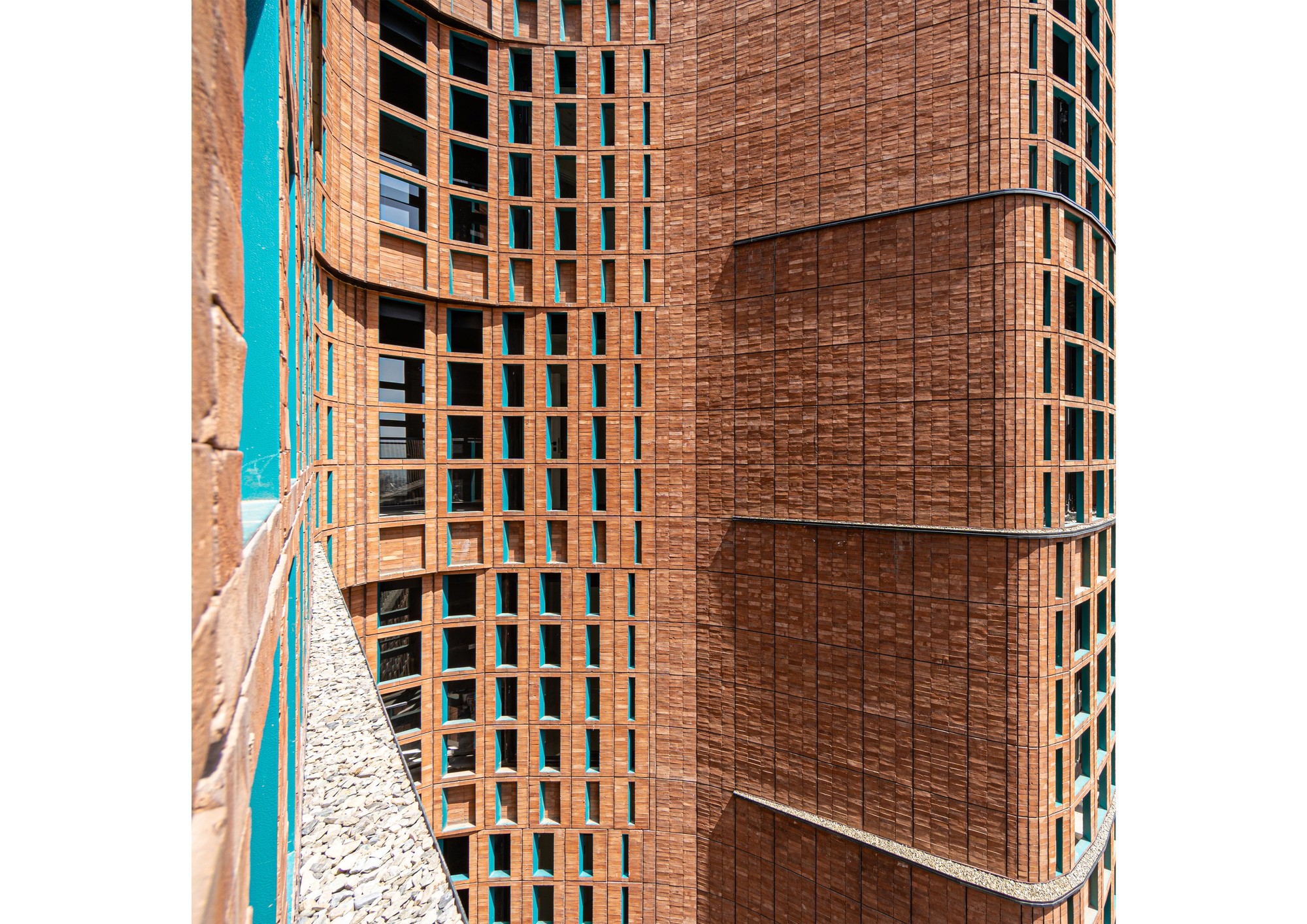
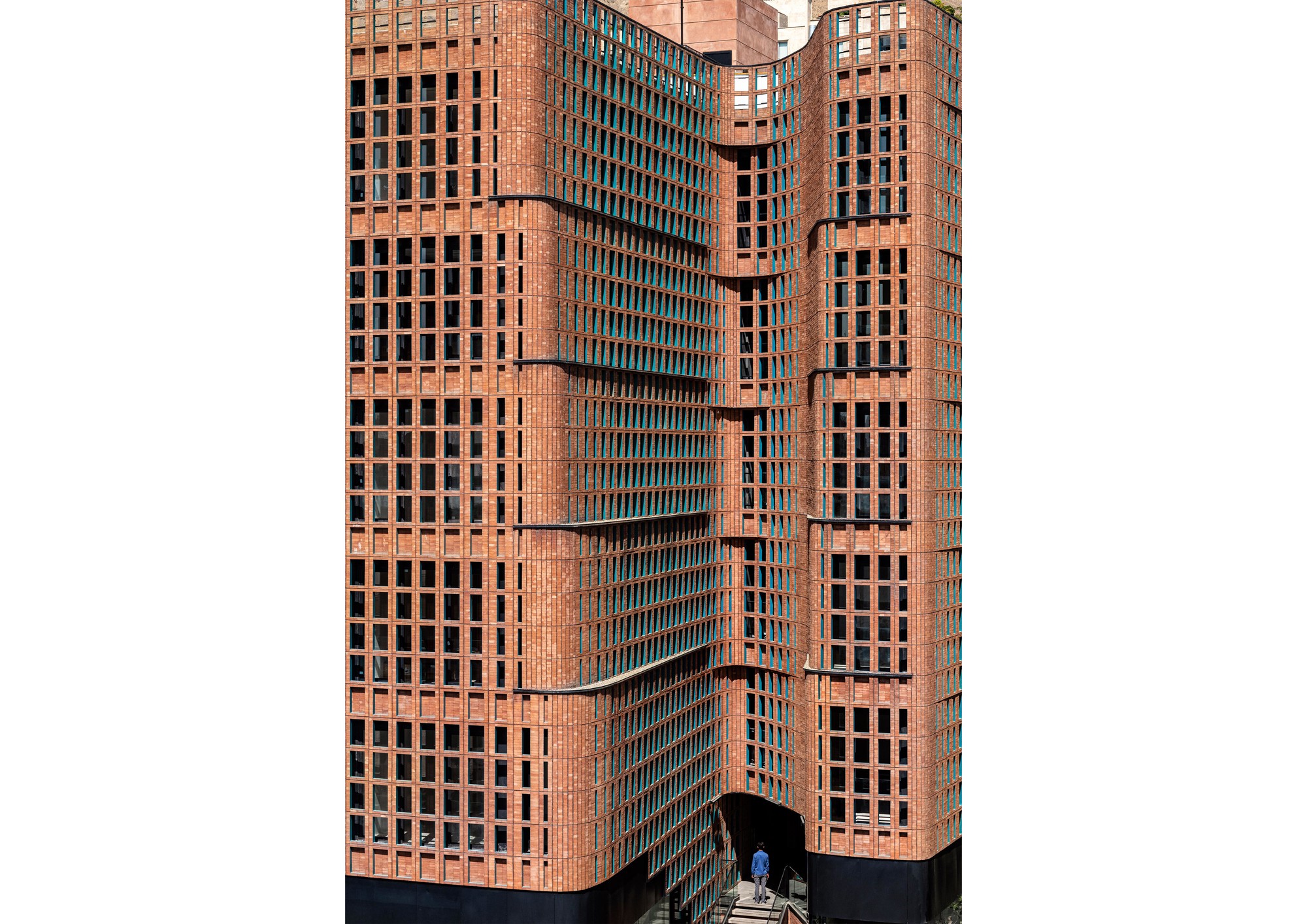
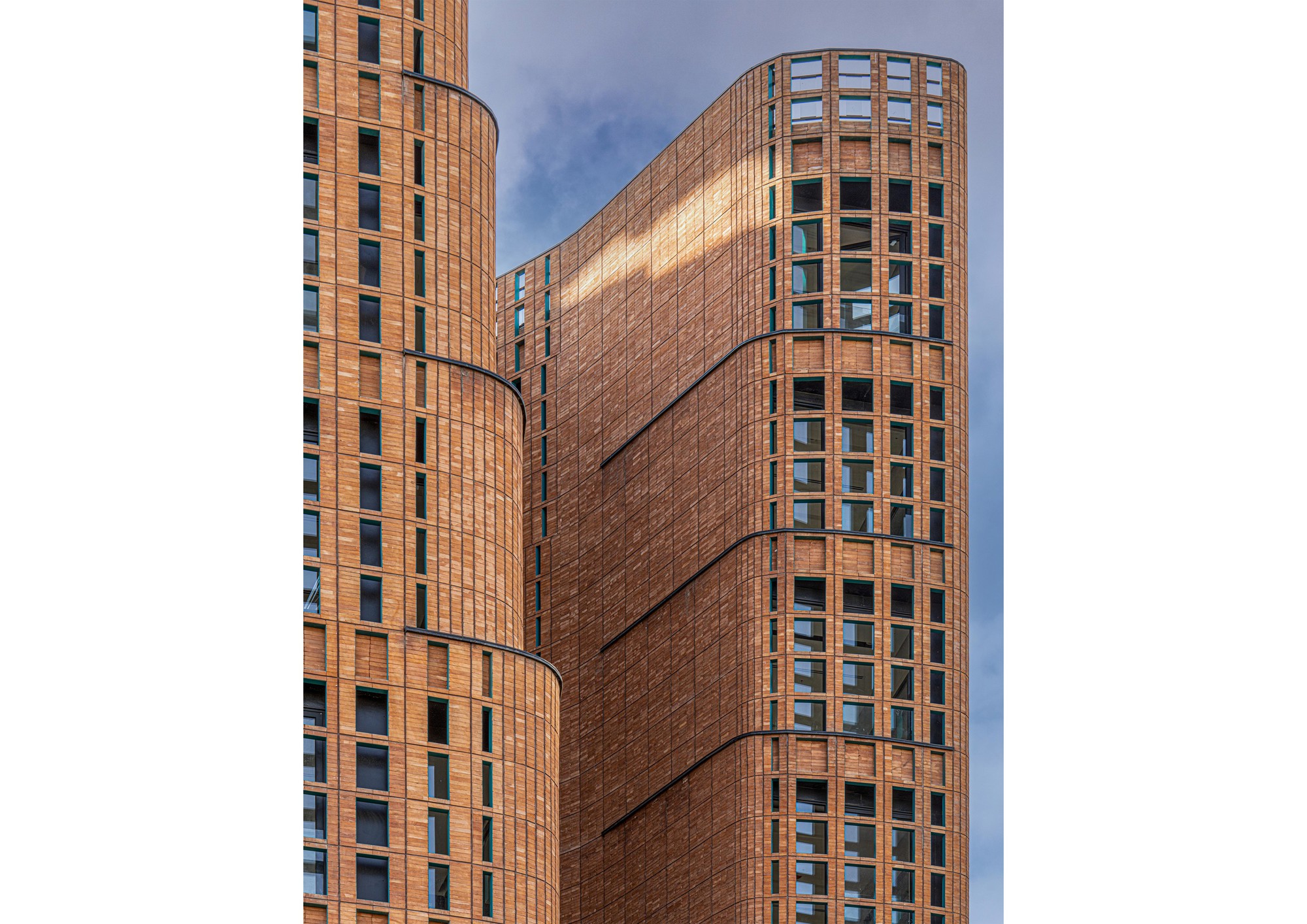
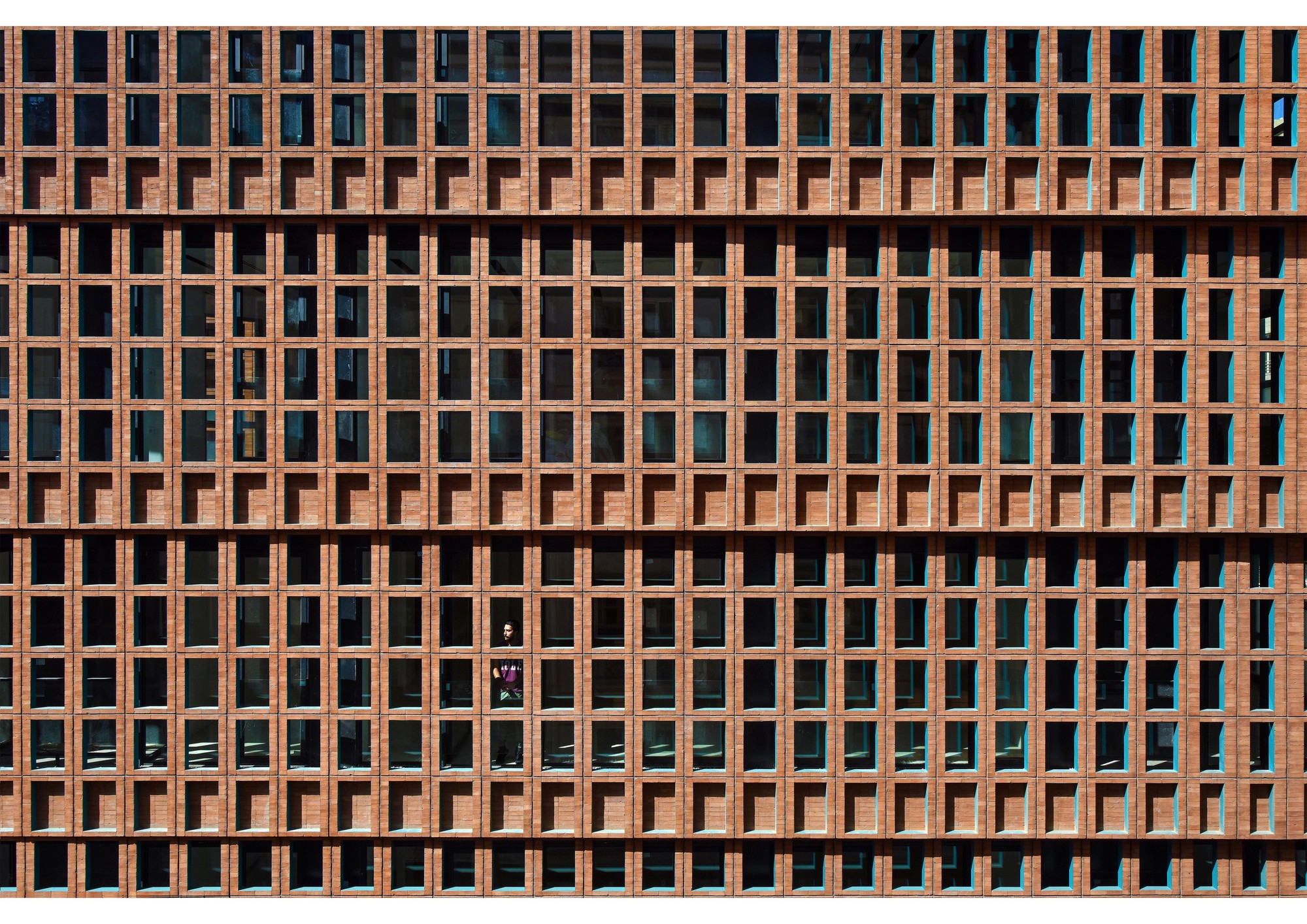
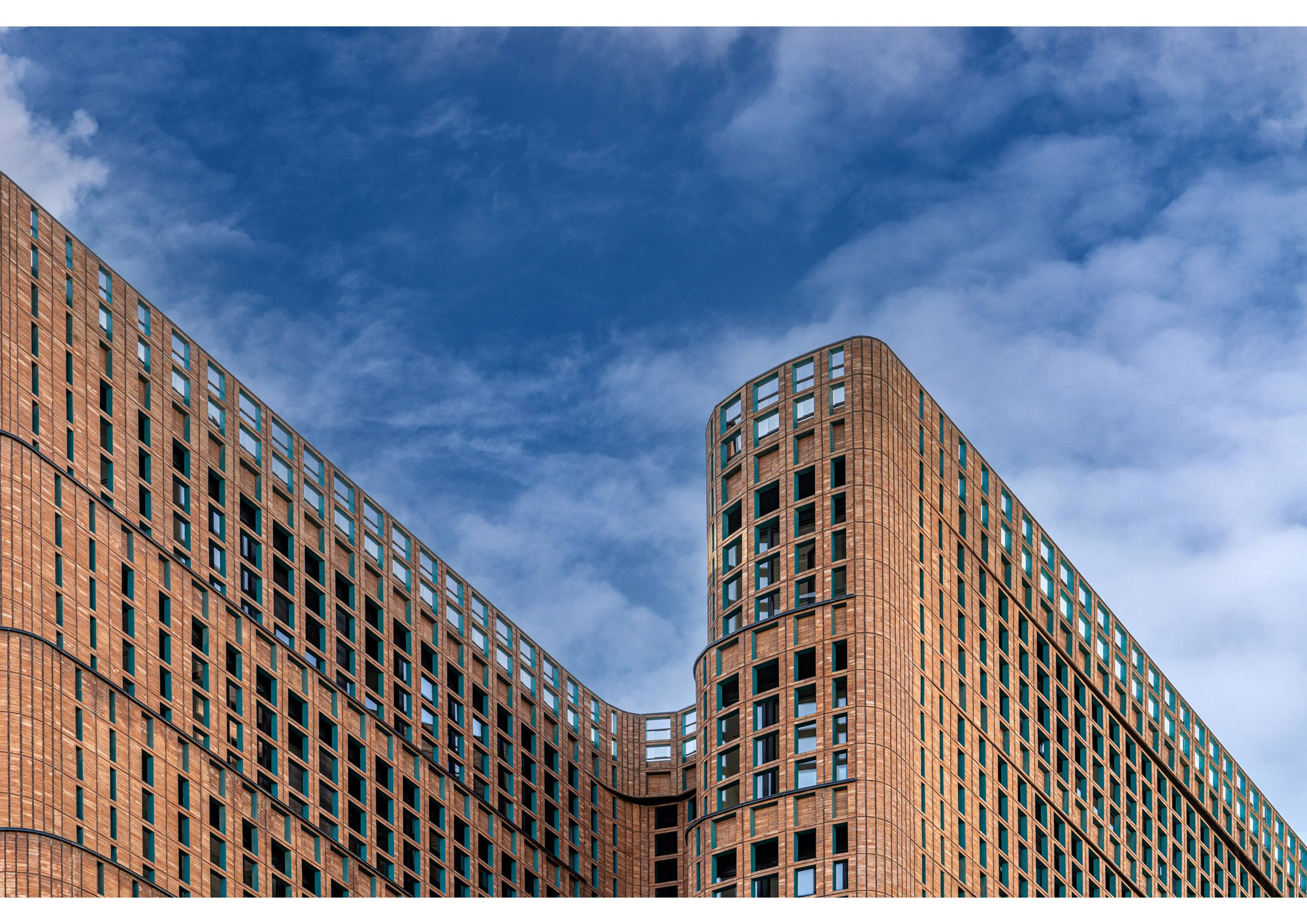
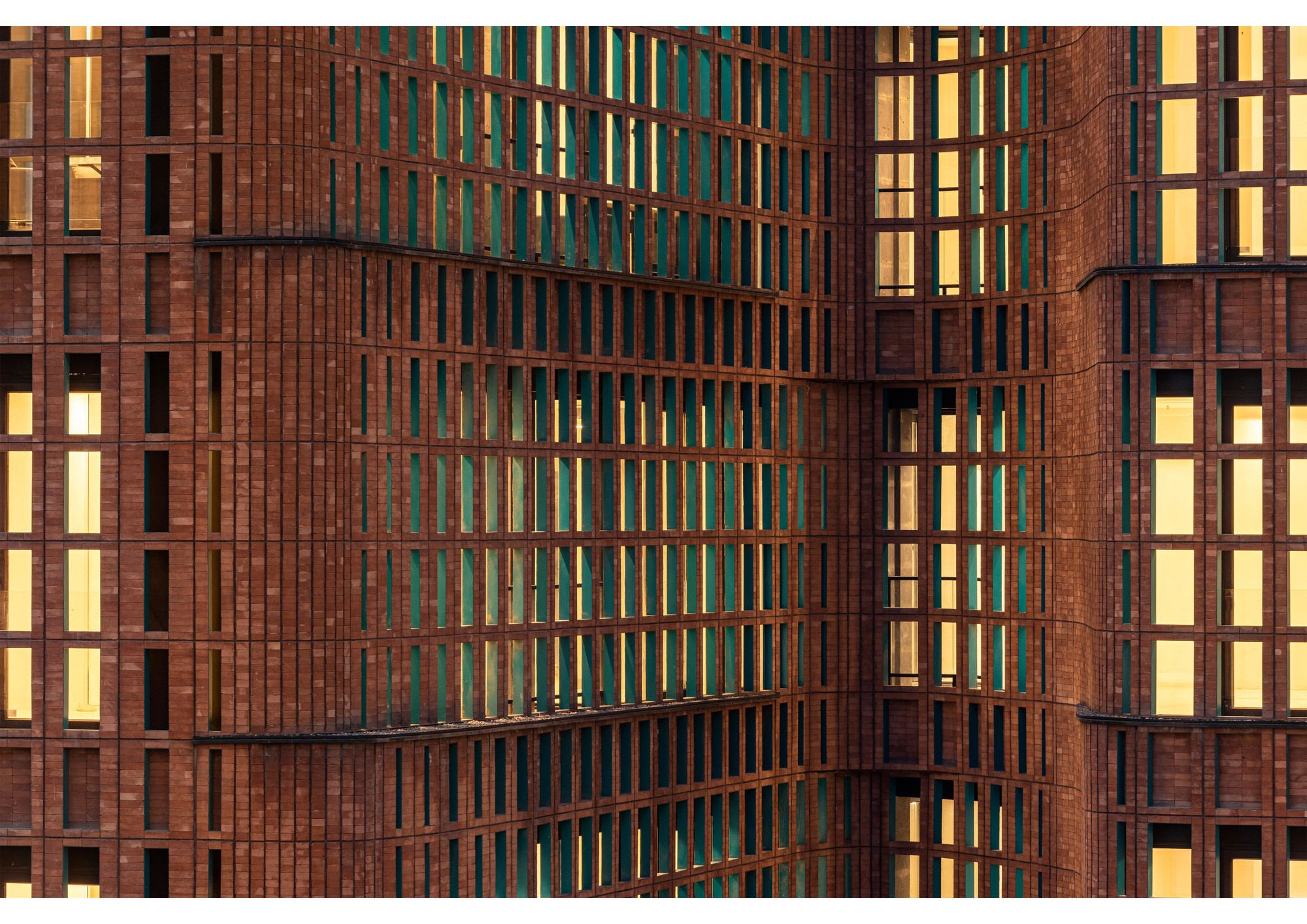
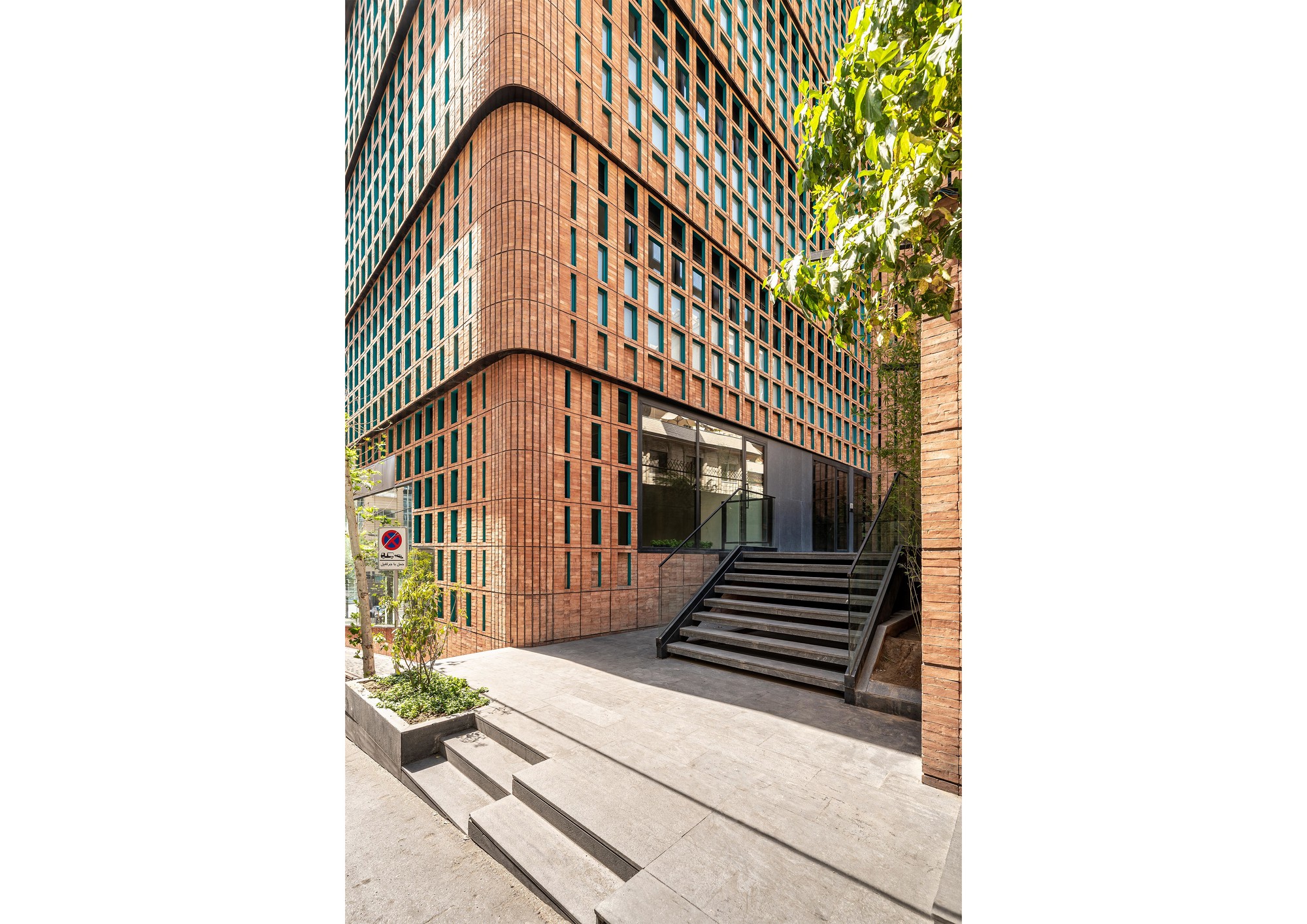
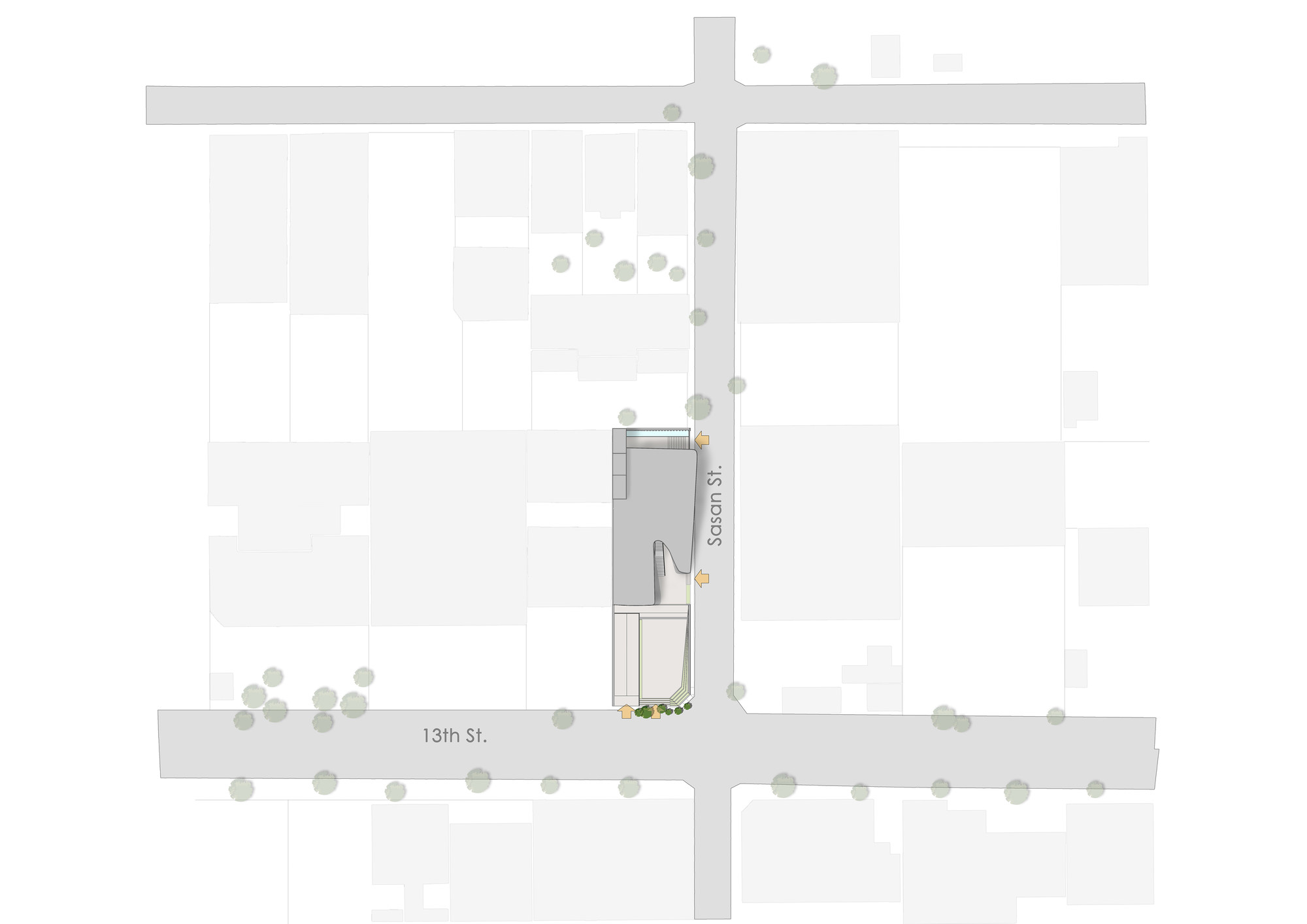
Hitra Commercial-Office Building is located at the intersection of two main streets in the Velenjak neighborhood of Tehran.The major criteria of this project were to reconsider the morphology of a typical office building to enhance the quality of lighting of the space and view without altering the optimum built area of the building.The regulation for office buildings in Tehran dictates that the occupation area of the building should not exceed 60% of the land, while 2 meters can be dedicated to a façade design. also to provide light to the central units it's common to have a vertical void in the central part of the building volume. Moreover, the allowable proportion of glass to other materials used on the façade is 40%.These two regulations were reassessed during the primary investigations of this project to optimize natural lighting and view.The primary volume of the project was formed by relocating the central void to the façade to not only form the main entrance but also provide light and view for the central units. By dedicating this void to the city, the interaction of people and the building has increased through the created welcoming entrance. Based on the before-mentioned regulation to only use 40% glass on the façade to create an integrated volume, the double-skin façade was created with the outer porous skin formed by brick arranged around torques metal frames. The combination of brick and metal frames formed modules creating a gradient opening on the façade. Based on this idea, a homogeneous mass was formed which creates a varying combination of brick and turquoise colors for the viewers based on their location and viewing angle. Moreover, the continuous glass windows on the inner layer of the double-skin allow for proper sunlight penetration to the office units.